

Luxury interior design has long relied on a mix of statement furniture, collectible art and rare materials to create impact. In 2026, however, designers have shifted their attention to an often-overlooked canvas: the wall.
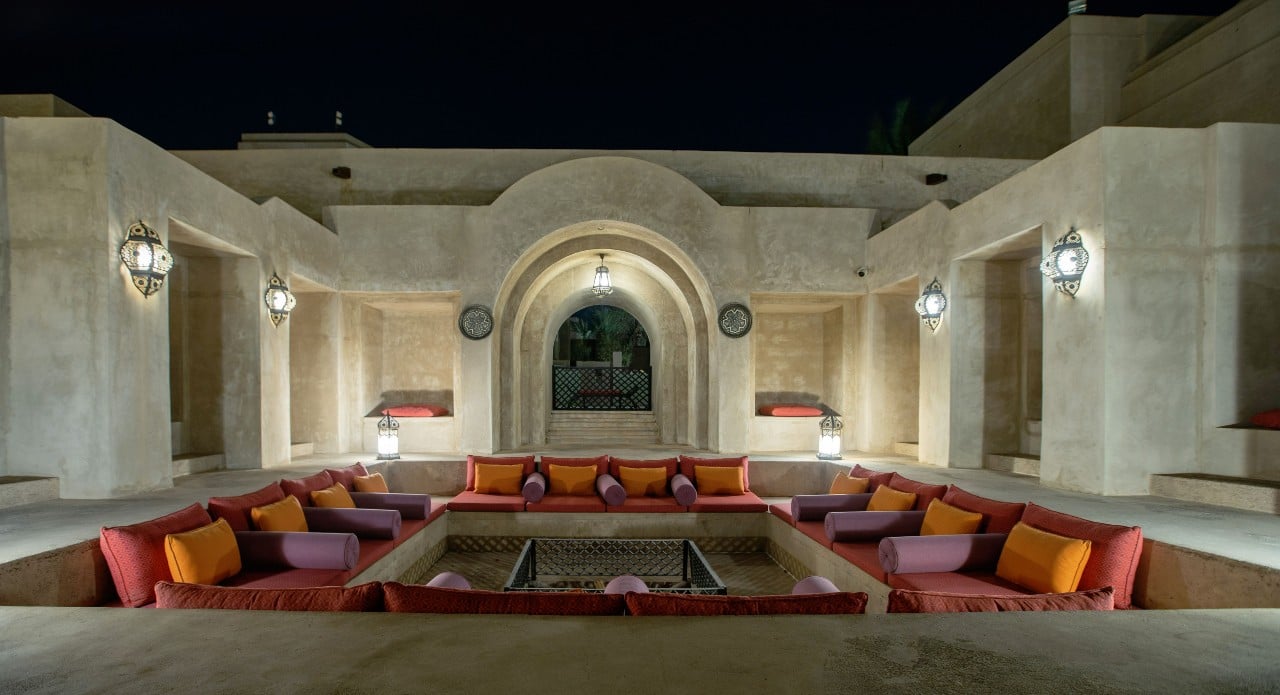
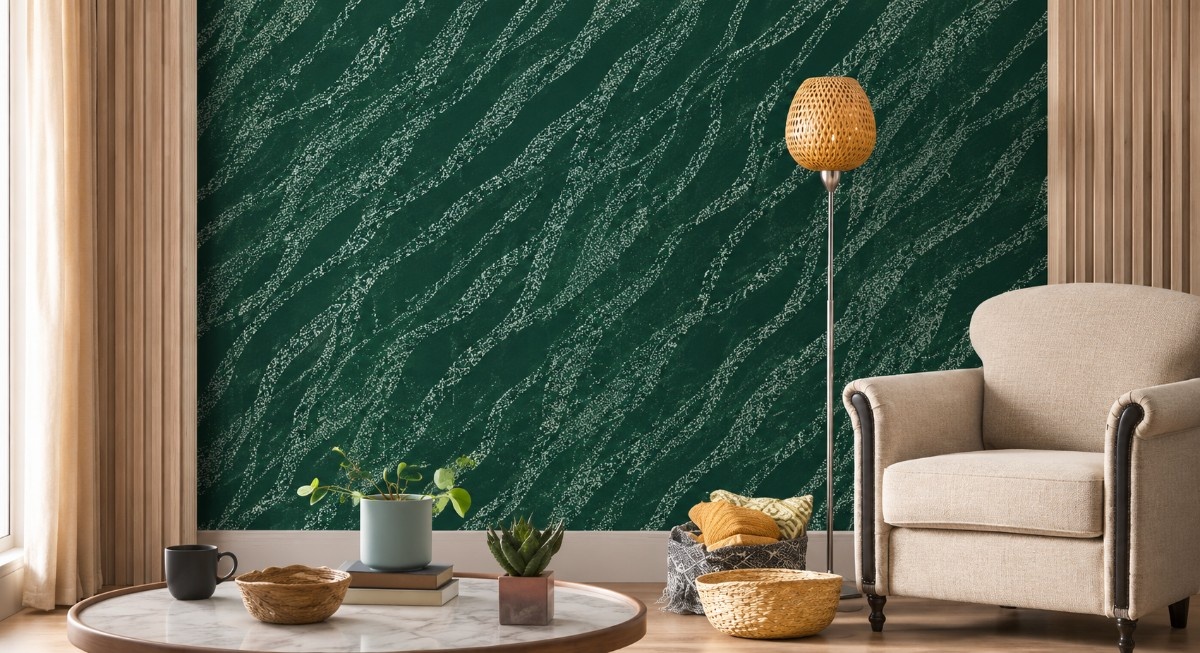
Across high-end residences, textured walls are emerging as one of the defining wall texture trends, bringing depth, warmth and character to contemporary luxury spaces. From handcrafted lime plaster to sculptural surfaces that interact with light throughout the day, walls are no longer passive backdrops. Instead, they are becoming integral design elements that help shape the mood of a room while enhancing the display of art, antiques and curated objects.
The Rise of Decorative Wall Finishes
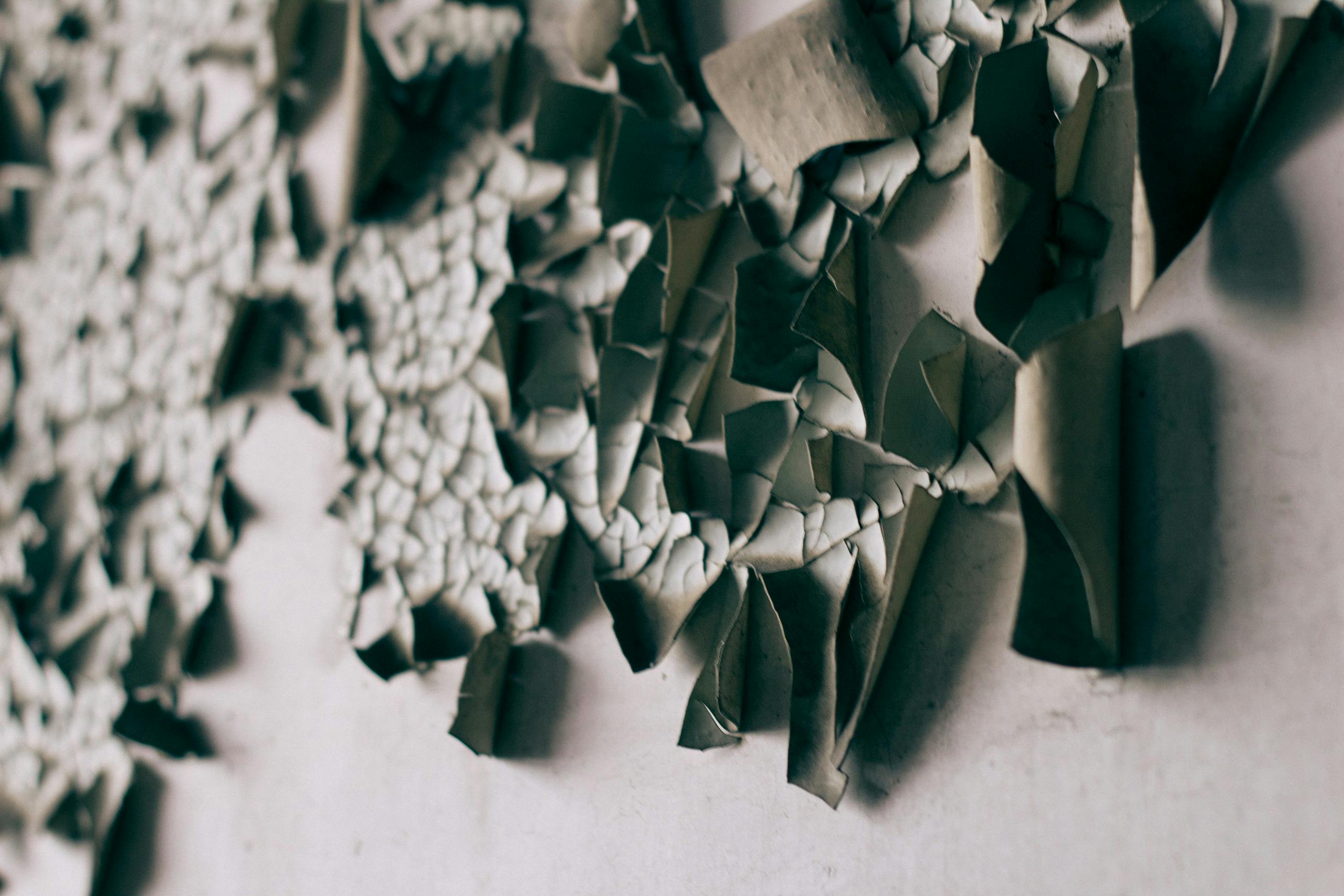
At its core, interior wall texture design refers to the use of layered materials, patterns or finishes that add depth to walls beyond standard paint. These textures can be achieved using boards, panels, grooves, flutes or surface treatments, all mounted on a strong base.
Interiors often rely on modern wall texture design solutions to solve multiple problems at once. Textured walls help hide surface imperfections, reduce visual monotony, and create natural focal points. A textured feature wall is increasingly preferred over excessive decorative elements because it creates an immediate visual statement.
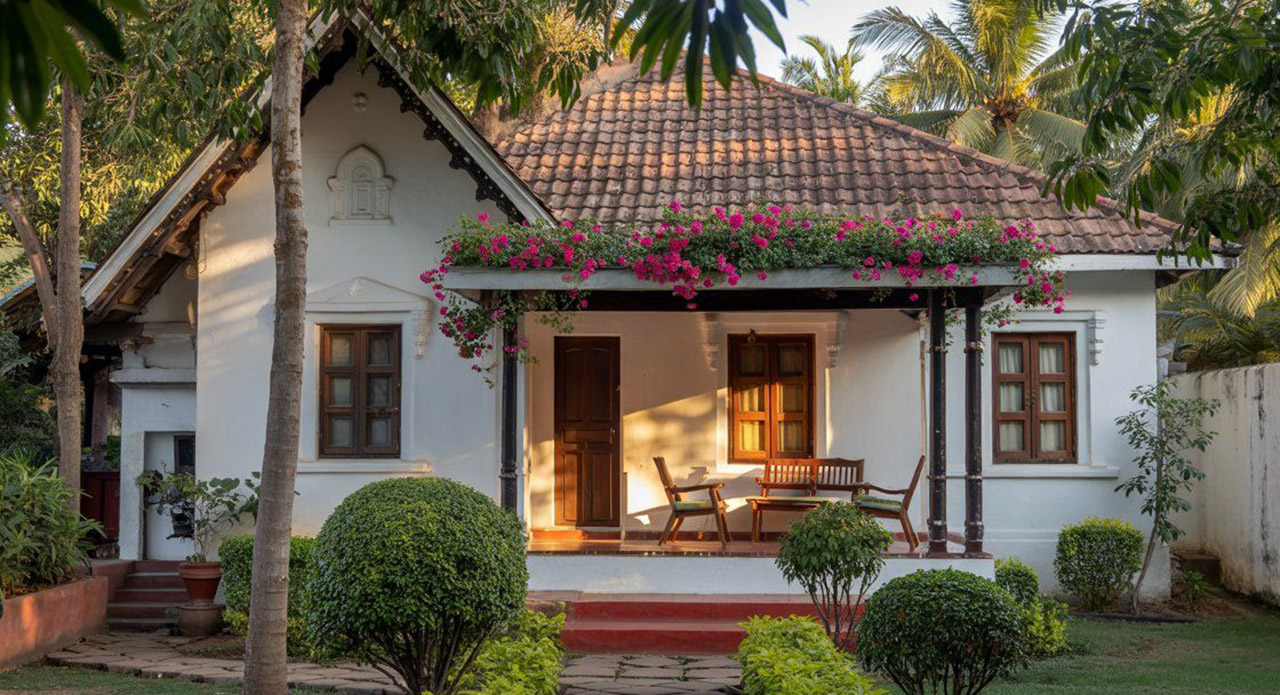
In addition to enhancing aesthetics, the choice of texture often depends on the atmosphere homeowners wish to create. Fluted wall panels lend a sense of rhythm and verticality, making spaces feel taller and more structured. Limewash finishes offer a soft, cloud-like effect that adds warmth and depth, while Venetian plaster introduces a polished, marble-inspired elegance. Textured stone surfaces bring a tactile, earthy quality, whereas wood panelling and ribbed finishes infuse interiors with natural character and understated sophistication.
Read More: Who Was Vittorio Garatti? Exploring the Vision of the Italian Architect
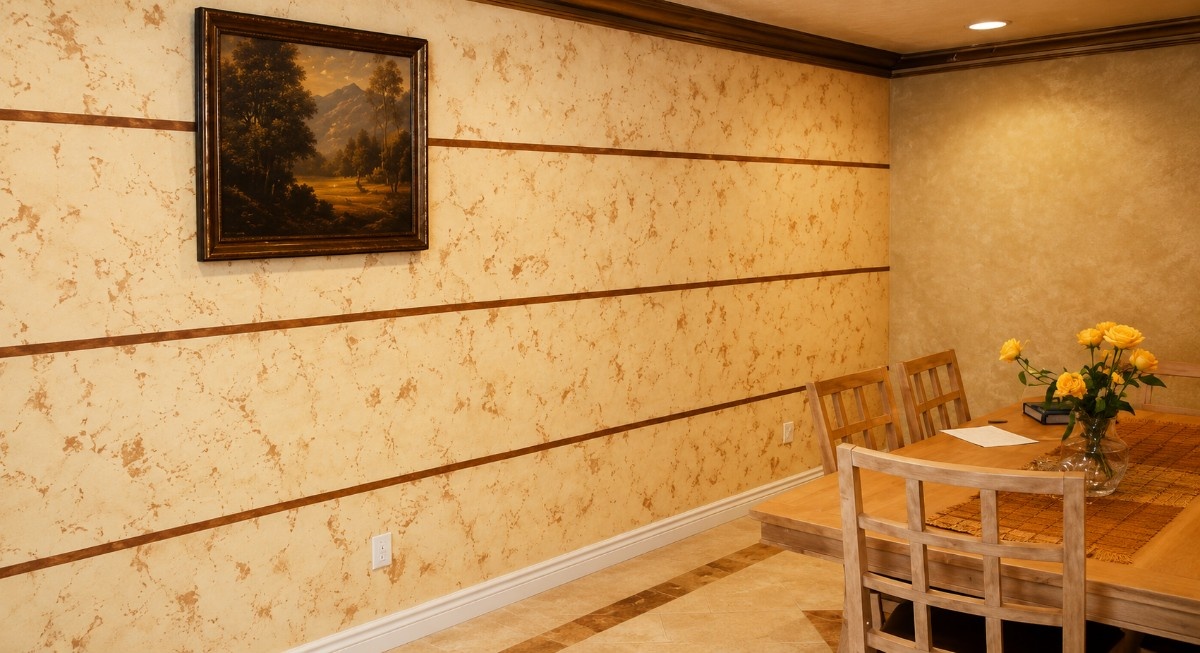
Among the most popular textured wall finishes in luxury interior design today are Venetian plaster walls, limewash treatments and bespoke decorative wall finishes created by artisans. Designers favour these materials because they add visual complexity without relying on bold colours or excessive ornamentation. Venetian plaster, in particular, remains a favourite for luxury home interiors thanks to its soft sheen and marble-like appearance. Meanwhile, natural clay finishes and mineral-based coatings introduce an organic quality that aligns with the growing preference for wellness-oriented living environments.
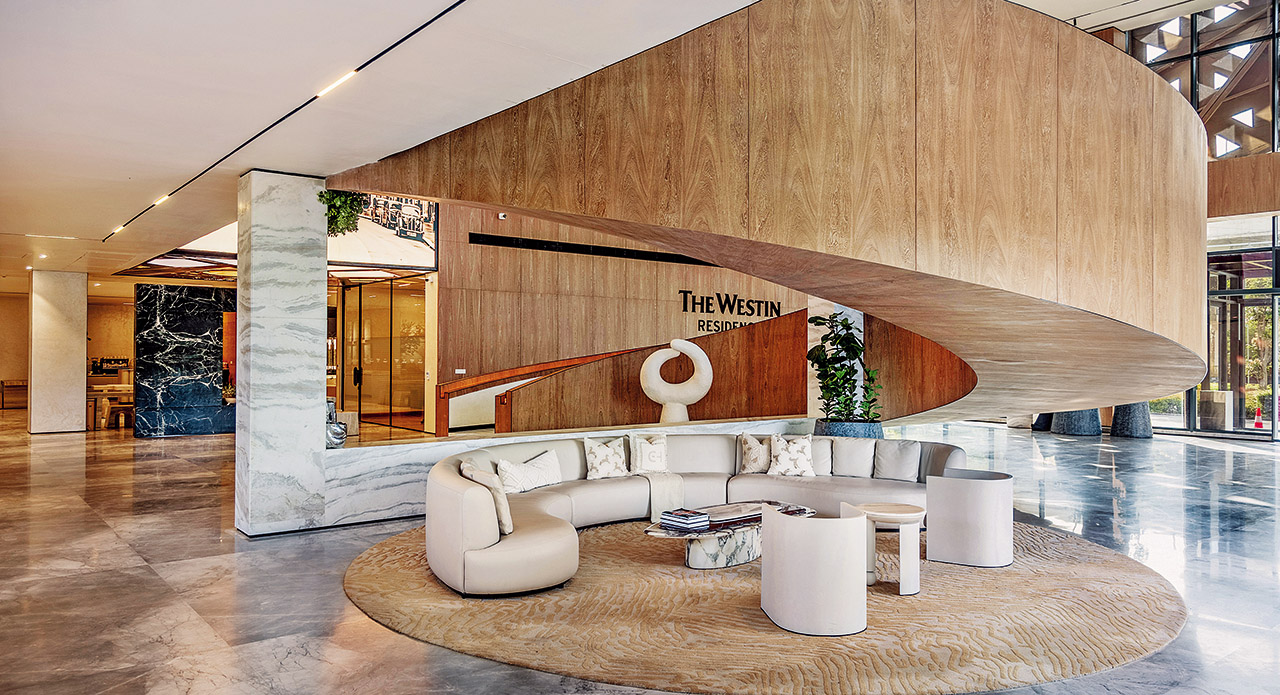
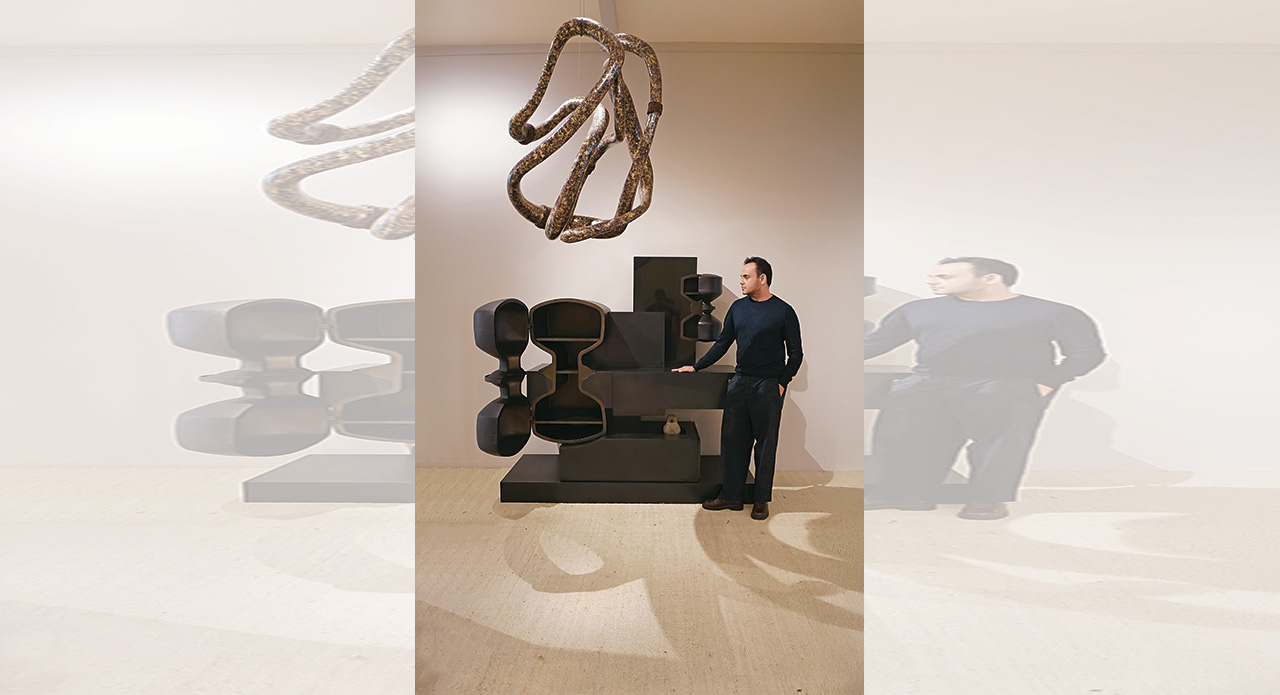
Another trend gaining momentum is the use of sculptural wall panels. Crafted from wood, stone, gypsum or sustainable composites, these three-dimensional surfaces create movement and shadow, turning walls into works of art in their own right. In many high-end interior design projects, textured surfaces are strategically placed behind collectible furniture, rare objects d’art or gallery-worthy paintings to create a more immersive visual experience.
Why Texture Matters in Contemporary Luxury Spaces
One reason textured walls are becoming increasingly desirable is their ability to add value to a luxury home without overwhelming the architecture. Designers often describe texture as the element that brings a room to life, introducing tactile richness that photographs cannot fully capture. Unlike trend-driven décor pieces, sophisticated interior wall treatments tend to have lasting appeal because they contribute to the overall architectural language of a space.
Also Read: Meet Anupama Kundoo: The Architect Challenging Cultural Standardisation In Modern Architecture
Importantly, textured walls are also proving highly compatible with modern minimalist interiors. Rather than filling rooms with decorative accessories, designers are using subtle textures to create interest through materiality alone. A softly polished plaster wall or understated sculptural treatment can provide depth while preserving the clean lines associated with contemporary luxury spaces. As luxury interior design continues to evolve, texture is increasingly becoming the detail that separates a beautiful room from a truly memorable one.