Marta Maccaglia: The Italian Architect Transforming Lives Through Design in Peru
An Italian architect who arrived in Peru for a year of international cooperation found, in its Amazonian communities, a far more enduring vocation: using architecture not merely to construct buildings, but to create places where education, culture and community can flourish
There are architects who draw buildings, and then there are architects who allow places to draw something out of them. Marta Maccaglia belongs, rather unusually, to the latter category. Her journey from Rome to the Peruvian Amazon is not merely a geographical passage between two countries; it is an intellectual and human migration from architecture as a profession to architecture as a form of listening.
At 27, the Italian architect left Italy with the intention of spending a year in Peru working in international cooperation. Trained in architecture in Rome, she arrived in 2011 and began working with young children in Huaycán, on the outskirts of Lima. What began as an exercise in service soon became an architectural awakening. Two years later, a school project took her much deeper into the country, to the native community of Chuquibambilla in the central Amazon. Rather than treating the experience as a temporary chapter, Maccaglia chose to stay.
In 2014, she founded Semillas, an organisation whose work reflects a deceptively simple proposition: before designing a place, one must first understand the people who inhabit it. For Maccaglia, architecture begins not with a drawing board but with proximity. Living alongside the communities changed her understanding of what it means to be an architect, leading to a philosophy built around feeling and understanding the place before attempting to transform it.
Architecture Begins With Listening
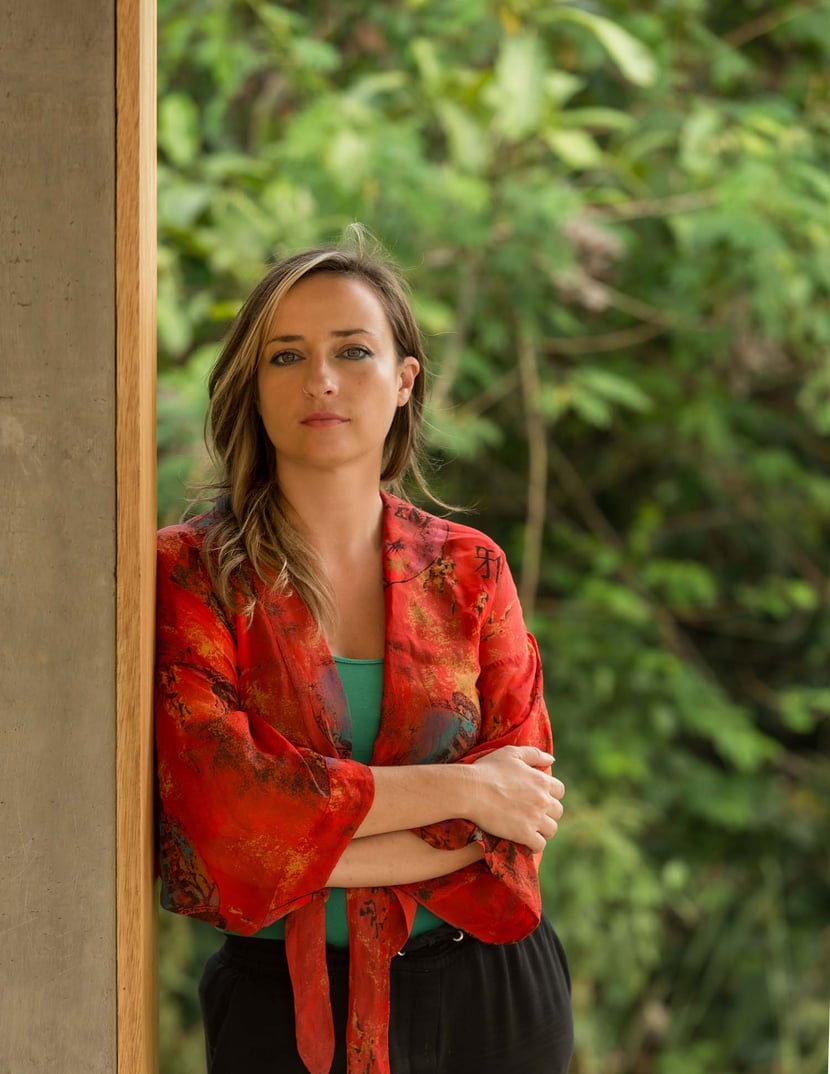
The phrase “sustainable architecture Peru” can easily become another piece of contemporary architectural vocabulary, comfortably deployed in presentations and glossy portfolios. Maccaglia’s work suggests something considerably more grounded. Sustainability, in the communities where Semillas works, is not merely a question of materials, energy efficiency or environmental performance. It is also cultural. It concerns whether a building understands the habits, knowledge, climate and collective memory of the people who will use it.
This is particularly significant in the Peruvian Amazon, where Indigenous communities possess generations of knowledge about the forest and their environment. Rather than imposing an external architectural vocabulary, Maccaglia and Semillas approach each project as an exchange. The community is not simply the beneficiary of the building. It becomes part of the process through which the building comes into existence.
Also Read: Exclusive: Shruti Shah of TIKIDAN on Why Acoustics Is The Missing Piece In Luxury Architecture
A School Shaped By Its Community
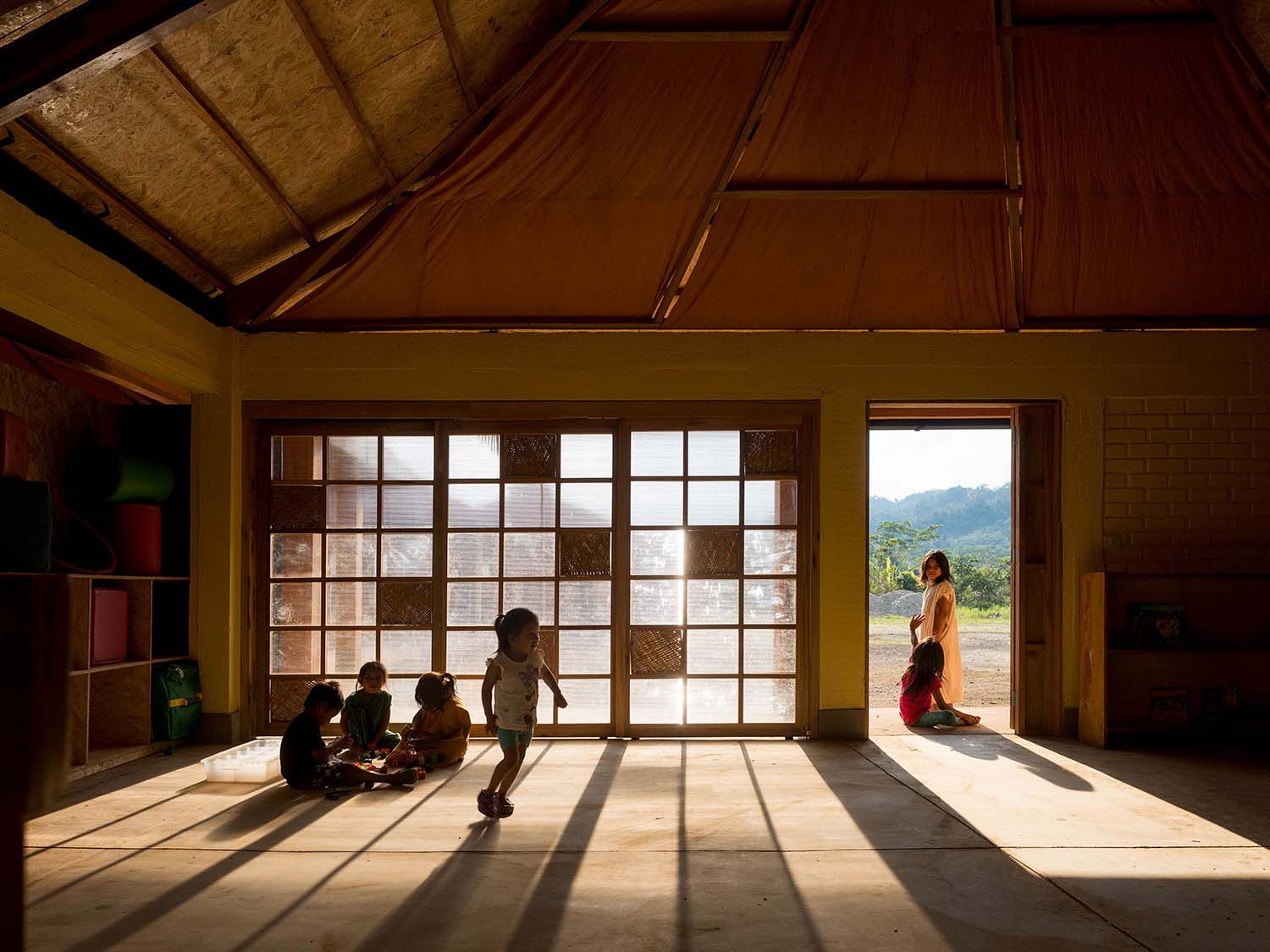
At Alto Anapati, in the heart of Nomatsigenga territory, this philosophy takes architectural form in a preschool serving more than 50 children and functioning as a shared space for the community’s 86 families. Its design draws inspiration from the local maloca, creating an open classroom that feels connected to the community’s familiar understanding of space. Children can move outdoors, learn in different environments and sit on mats in ways that correspond more naturally with local patterns of inhabitation. The architecture therefore does not attempt to announce itself. Its achievement lies in its ability to feel as though it belongs. This is perhaps where Maccaglia’s approach differs most strikingly from the conventional image of the architect as auteur. There is no obsession with the building becoming a monument to its designer. Instead, the architecture becomes an extension of the community itself.
Where Indigenous Knowledge Meets Education
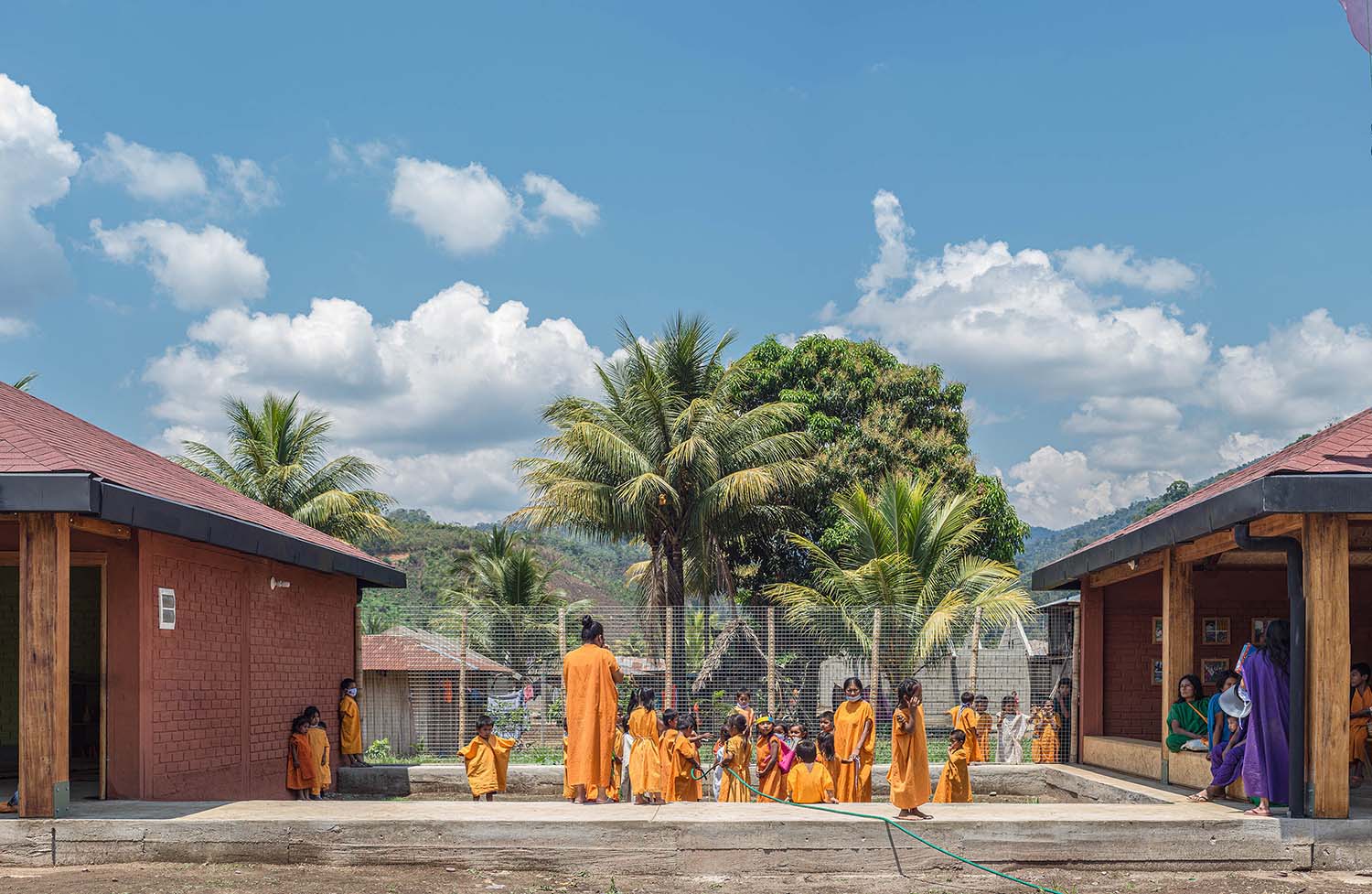
At the Mencoriari Technological and Environmental Laboratory, another dimension of this philosophy emerges. The project creates spaces where traditional knowledge of the forest can coexist with formal education. Areas for studying and drying medicinal plants and roots acknowledge the knowledge already embedded within the community, while giving younger generations an environment in which that knowledge can continue to be transmitted.
It is architecture as cultural continuity
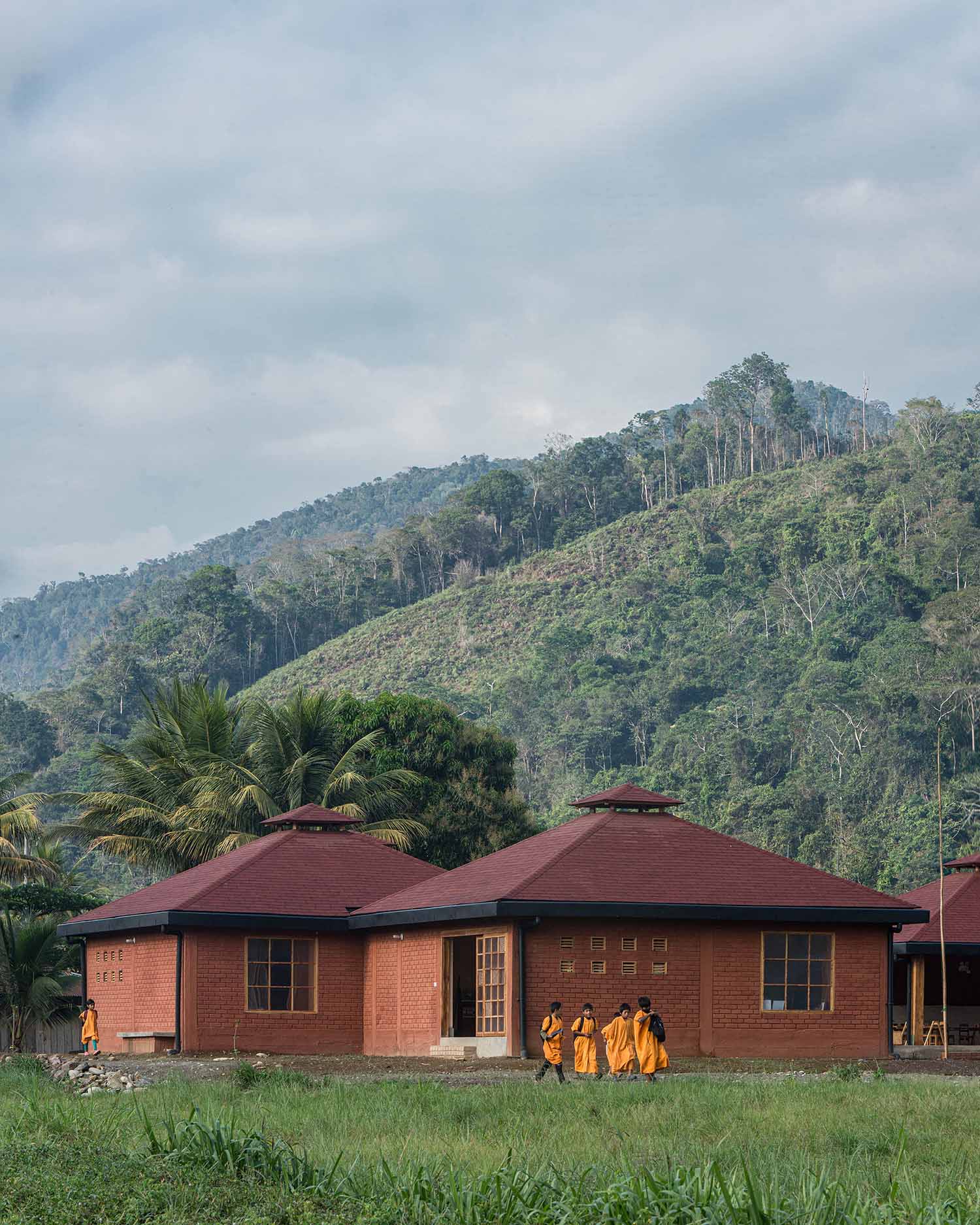
The building is not simply a container for education; it becomes part of the education itself. It allows knowledge that might otherwise remain confined to oral tradition and everyday practice to acquire a physical setting in which it can be preserved, examined and shared. For an Italian architect in Peru, this is a particularly compelling inversion of the conventional relationship between designer and client. Maccaglia did not arrive with the assumption that expertise travelled only in one direction. She arrived to learn.
Women Architects And A Different Kind Of Practice
Maccaglia’s journey also sits within a wider conversation about women architects and the evolving definition of architectural leadership. Leadership in her case is not expressed through architectural grandstanding. It is found in persistence, collaboration and an unusual willingness to relinquish control. Her work demonstrates that architecture can possess influence without becoming imposing, and that design can be socially transformative without losing its sensitivity to place. The result is a form of architecture for social change that is neither abstract nor ideological. It is tangible: a classroom, a laboratory, a communal space, a building that makes education possible and gives a community somewhere to gather.
Also Read: The Art of Fusion: How PRODUCTORA Reimagines Mexican And Belgian Architecture
When Luxury Means Belonging
There is, ultimately, an unexpected connection between Maccaglia’s work and the broader world of luxury lifestyle architecture. Luxury is frequently understood through rarity, expense and visual extravagance. Yet another interpretation is possible: the luxury of a space that understands you. In the Amazon, where climate, culture and community determine how architecture is experienced, belonging may be more valuable than ornament. A building that respects its surroundings, accommodates familiar ways of living and gives communities ownership of the spaces they inhabit offers a different definition of architectural richness. Maccaglia’s story is therefore not simply that of an Italian architect who moved to Peru. It is the story of an architect who allowed Peru to redefine what architecture could mean.
She arrived intending to give a year. She stayed to build a life of listening, learning and creating alongside the people she had come to serve. And in doing so, Marta Maccaglia demonstrates that the most consequential architecture is sometimes not that which dominates a landscape, but that which quietly becomes part of it.