Rafael Moneo’s Architectural Philosophy: Tradition Meets Modernity
For more than six decades, Rafael Moneo has shown that architecture's greatest achievement is not replacing history, but allowing the past and present to exist together with quiet dignity
Cities are rather like classic cars. Some people believe the only way to improve an old Ferrari is to replace everything that made it special with something newer, shinier and louder. Others understand that true greatness lies in knowing what to preserve. Architecture suffers from the same dilemma. Every generation is tempted to erase what came before in the pursuit of progress. Rafael Moneo has spent more than sixty years proving precisely the opposite. Rather than competing with history, the Spanish master has built a career on collaborating with it. His buildings never arrive as strangers. They become the next sentence in a story that began centuries earlier. At eighty nine, Moneo continues to demonstrate that the finest architecture is not about dominance, but dialogue.
Architecture Begins By Listening
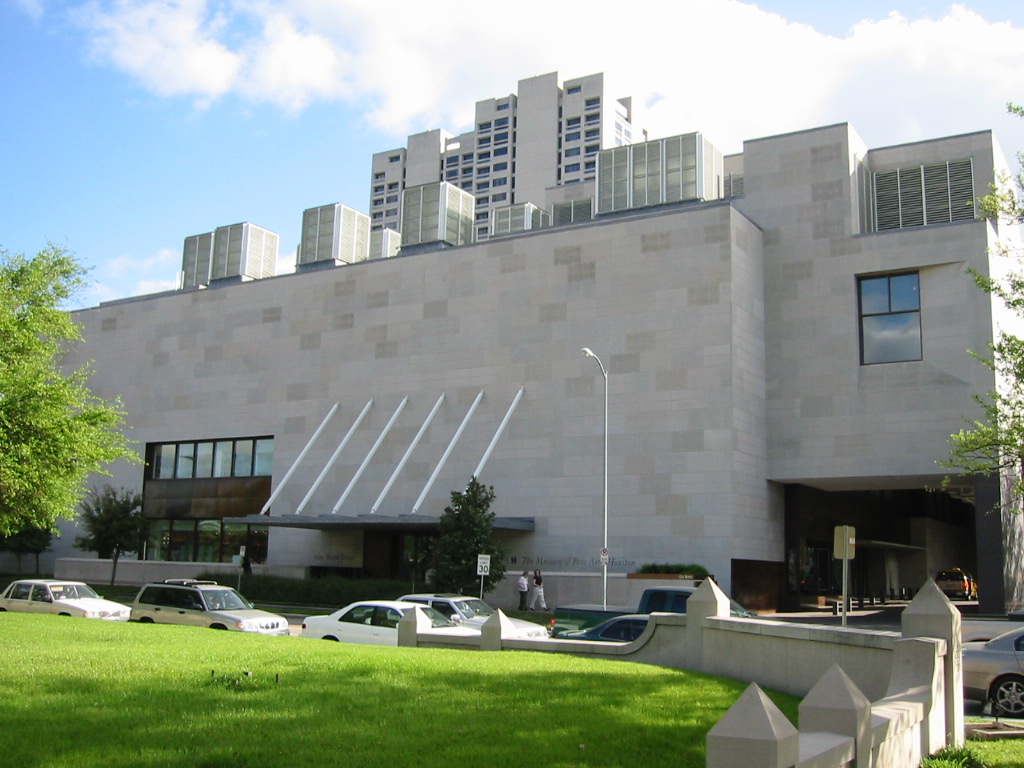
Born in Tudela, northern Spain, in 1937, Rafael Moneo has become one of contemporary architecture’s most respected voices by asking a deceptively simple question. How can a new building belong to a place already shaped by generations of history? Rather than imposing a signature style, every project begins with an attentive reading of its surroundings. Context, memory and culture become as important as concrete or stone, allowing each building to emerge naturally from its environment.
Also Read: Why The World Forgot Svetlana Kana Radević, Yugoslavia’s Visionary Architect
When New Buildings Respect Old Neighbours
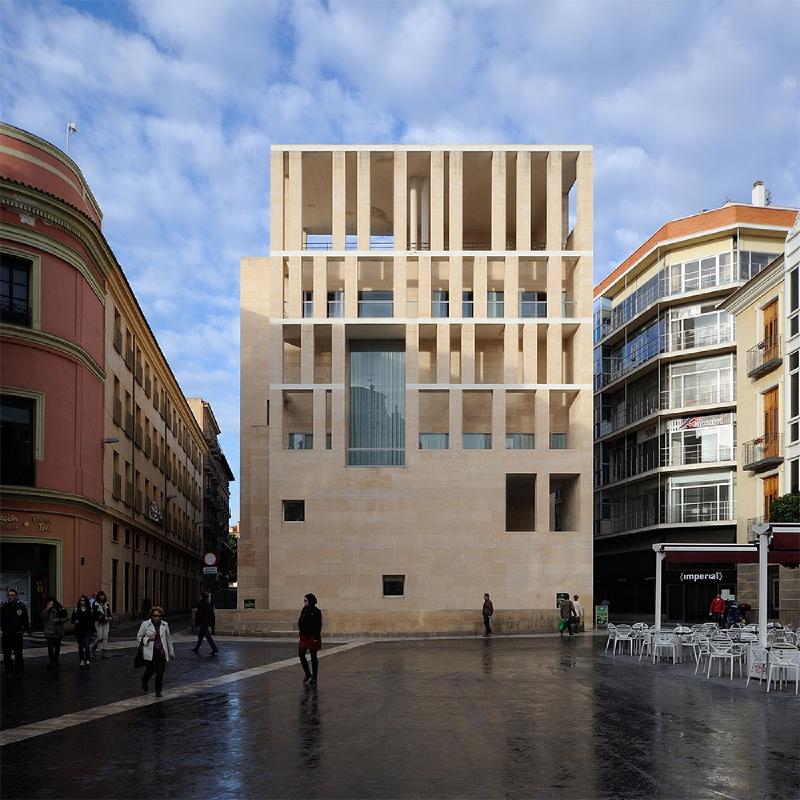
This philosophy is beautifully demonstrated at Murcia City Hall, positioned directly opposite the city’s magnificent Baroque cathedral. Instead of competing with its historic neighbour through scale or spectacle, Moneo carefully calibrated the building’s proportions, rhythm and presence. The result is a civic building that quietly complements one of Spain’s architectural treasures, allowing both structures to enrich the same public square without diminishing one another.
Where Ancient Rome Meets Contemporary Spain
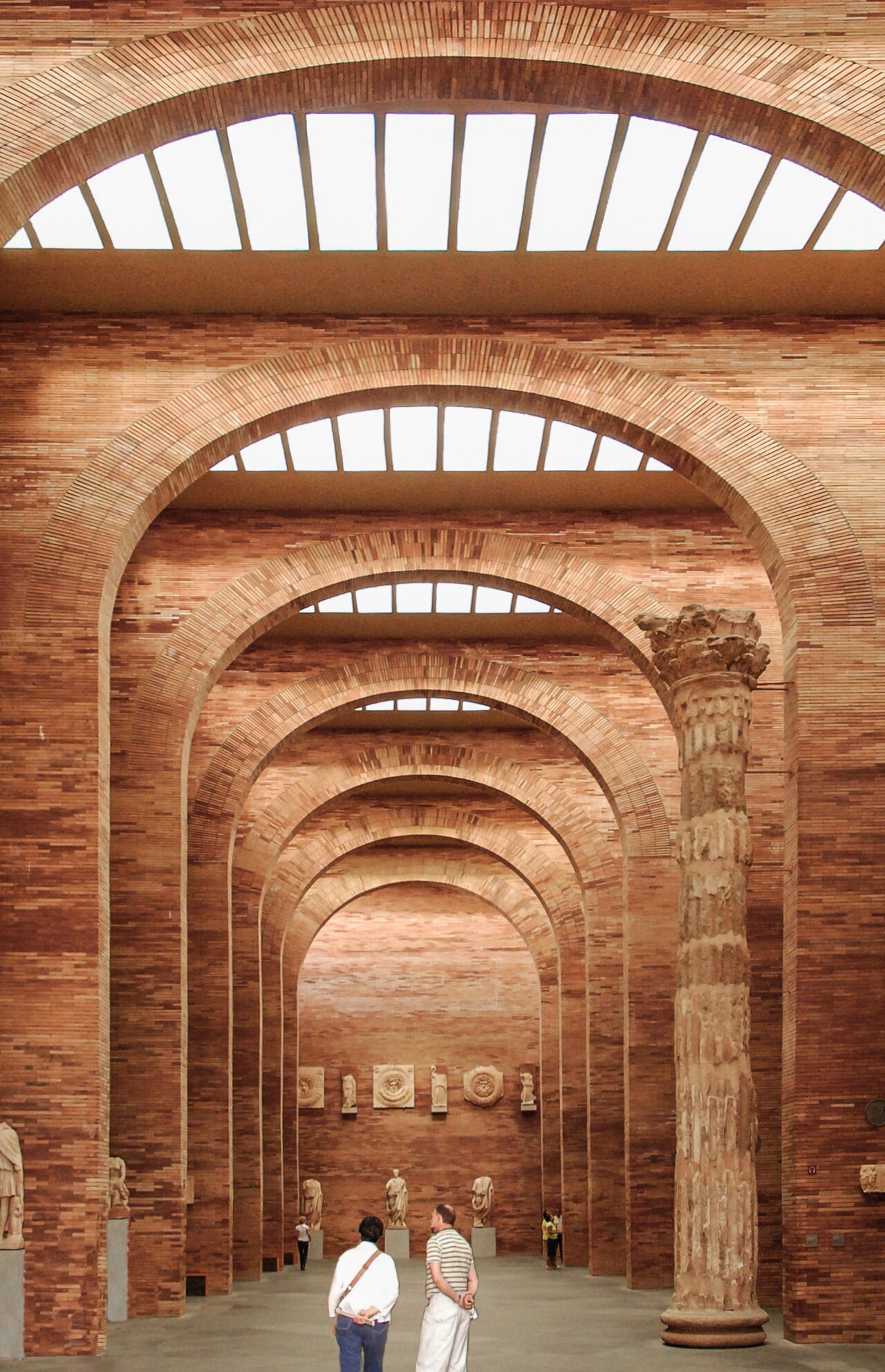
Widely regarded as Rafael Moneo’s masterpiece, the Museo Nacional de Arte Romano in Mérida transforms history into an immersive experience. Rather than treating Roman ruins as isolated archaeological artefacts, the museum extends the language of ancient Roman construction through monumental brick architecture, carefully orchestrated light and powerful spatial composition. Visitors do not simply observe history behind glass. They move through it, experiencing the ancient city as a living presence within the modern one.
History As A Living Building Material
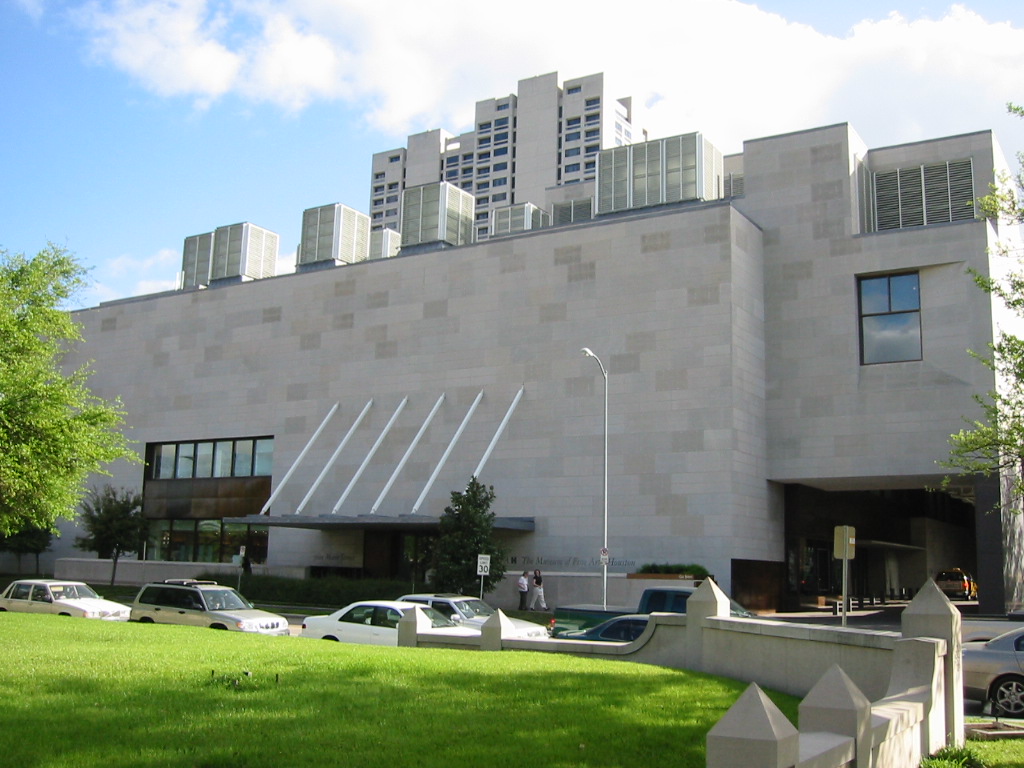
Across every commission, Moneo treats history not as an obstacle but as one of architecture’s richest materials. Existing streets, monuments, traditions and urban memory become active participants in the design process. Each new project acknowledges what already exists while confidently introducing something contemporary, allowing architecture to evolve without losing its cultural identity.
An Architecture Of Quiet Confidence
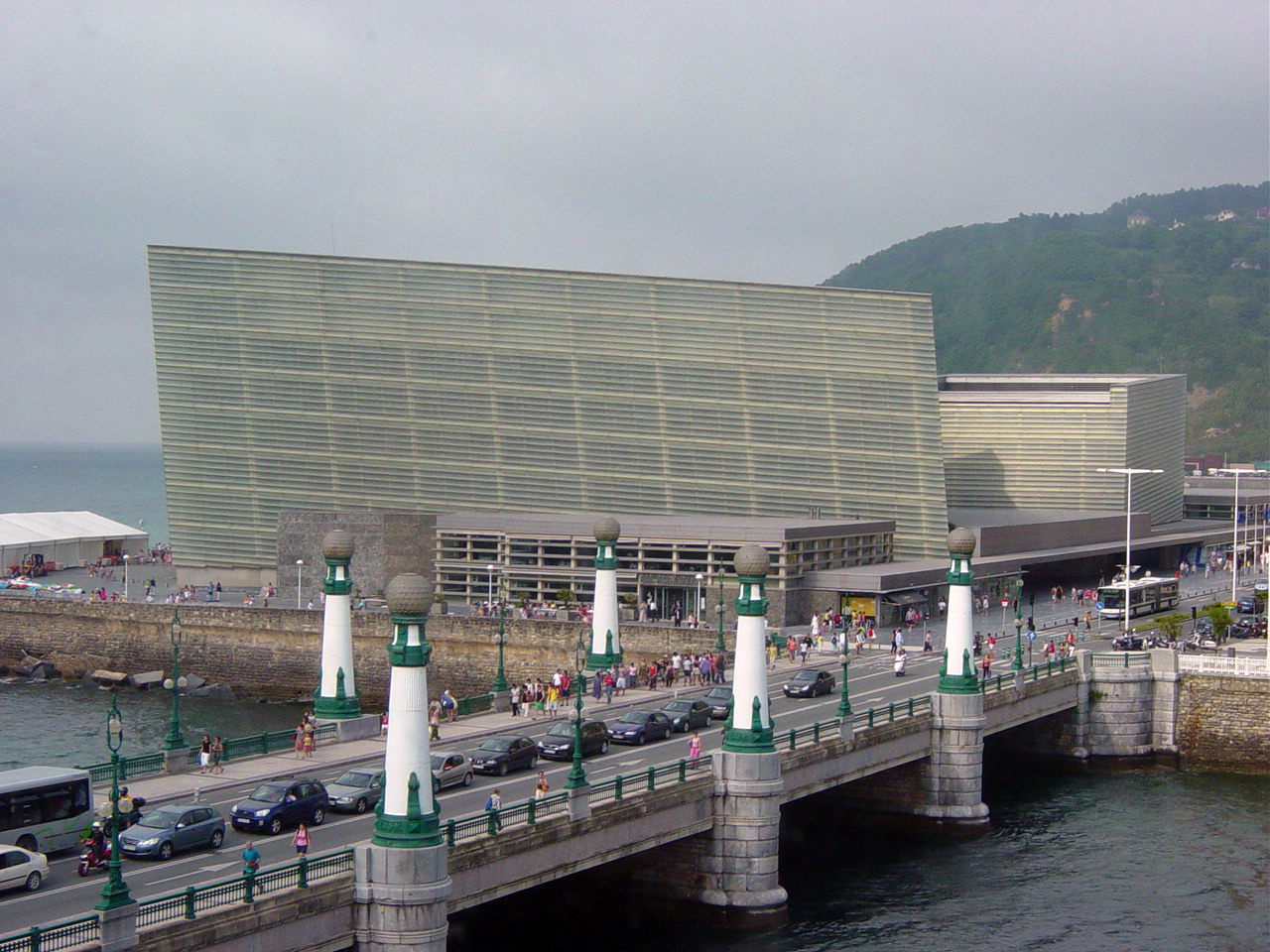
Unlike architects who seek instant visual recognition through dramatic forms, Moneo’s work reveals itself gradually. Precision replaces spectacle. Restraint replaces excess. His buildings possess an enduring calmness, earning admiration not through fleeting trends but through their remarkable ability to feel as though they have always belonged to their surroundings.
A Legacy That Continues To Grow
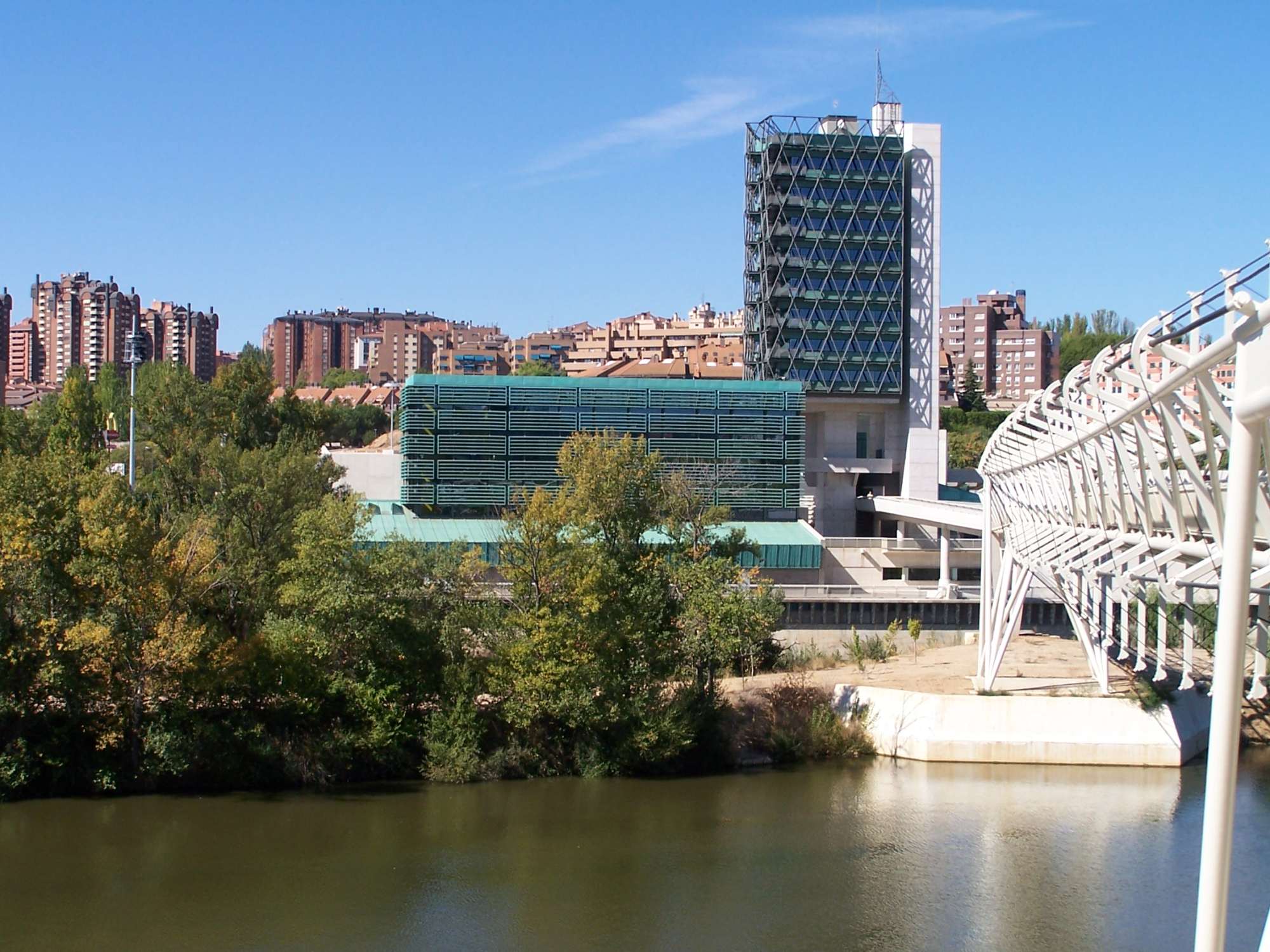
For more than six decades, Rafael Moneo has shaped museums, civic institutions, universities and public spaces across the world, yet his philosophy has remained remarkably consistent. Every building becomes another chapter in the history of its place, allowing past and present to strengthen one another rather than compete. At eighty nine, Rafael Moneo continues to remind the architectural world that the greatest act of innovation is sometimes knowing how to honour what already exists.