Tatiana Bilbao: How A Family Of Architects Influenced Her Design Philosophy
Explore how a family of architects shaped Tatiana Bilbao’s design philosophy, from the Sea of Cortez Research Center in Mazatlán to Casa Ventura near Monterrey
Most architects spend their careers trying to hold time at bay. They choose materials that resist weather, details that prevent wear and finishes that promise to look new for decades. Tatiana Bilbao has chosen a different path. She imagines buildings that welcome the passage of time, with roots pushing through patios, leaves drifting across terraces and moss softening hard edges. It is a daring idea, and an unusually generous one, because it asks the architect to accept that a building will outgrow her own intentions. Born in Mexico City in 1972, Bilbao has built her practice on that trust. Her work suggests that the most enduring architecture may be the kind that lets nature have the last word.
Raised Among Builders
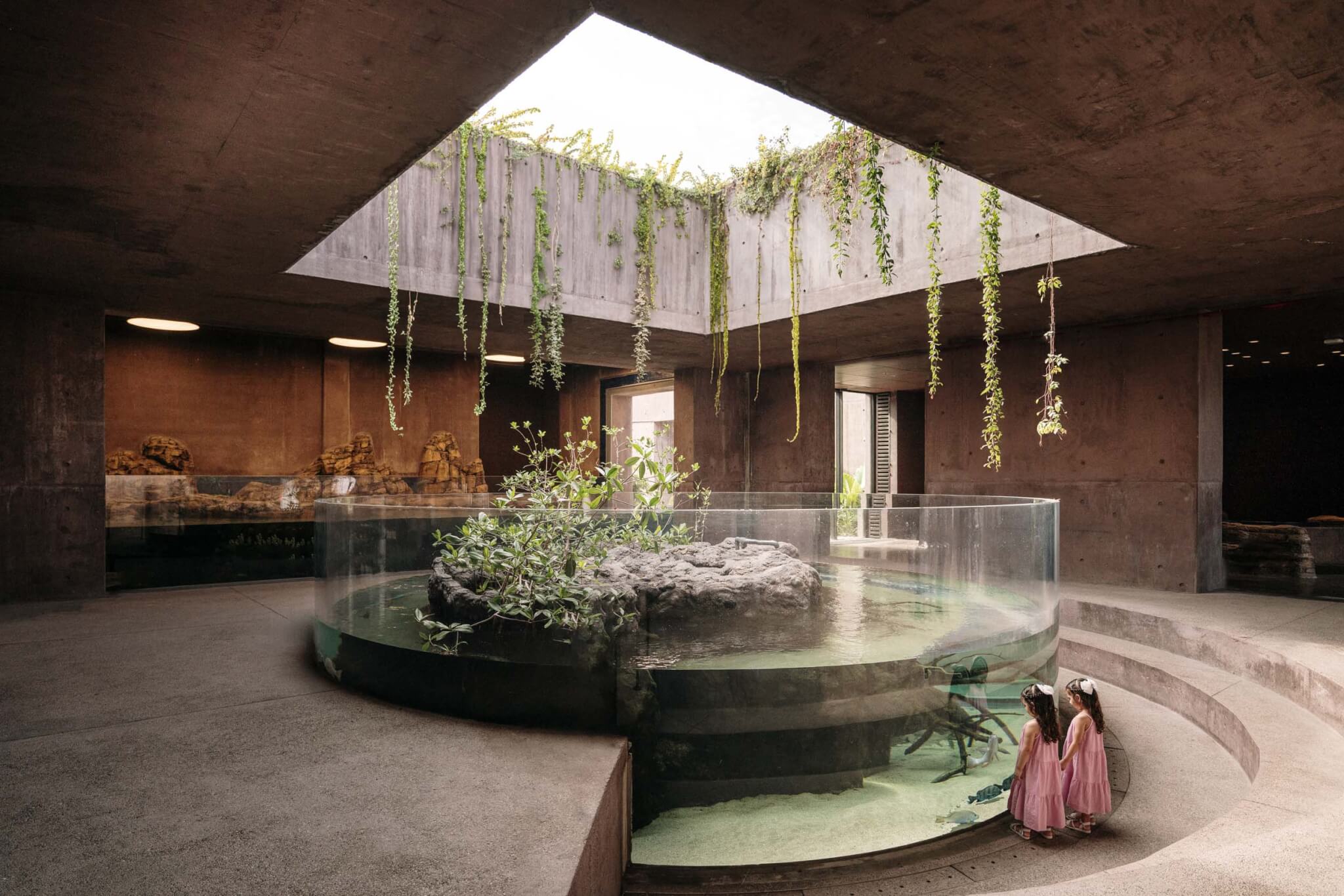
Bilbao grew up in a family of architects, in a household shaped by a passion for building that went back generations. Conversations about space, structure and materials were part of everyday life, and the idea of design as a way of life was something she absorbed long before she studied it. Yet her path was not inevitable. As a young woman, she even considered becoming a biologist, drawn by curiosity about the natural world. In the end, she followed in her family’s footsteps, but that early fascination never disappeared. It simply found a new language. Today, it echoes in the remarkable relationship she has developed between architecture and nature, where the building is not a monument standing apart from the landscape but a participant in its life.
Also Read: Van Wassenhove House: The 1974 Belgian Home That Still Looks Ahead Of Its Time
A Studio Built on a Fascinating Idea
Since founding her studio in 2004, Bilbao has explored a compelling question: what if buildings were designed to welcome time rather than resist it? Her answer is an architecture that allows trees to grow through its spaces and lets nature slowly reclaim its concrete walls. Instead of treating vegetation as decoration, she treats it as a collaborator, one whose growth will continue long after the architect has stopped drawing.
A Ruin From the Future
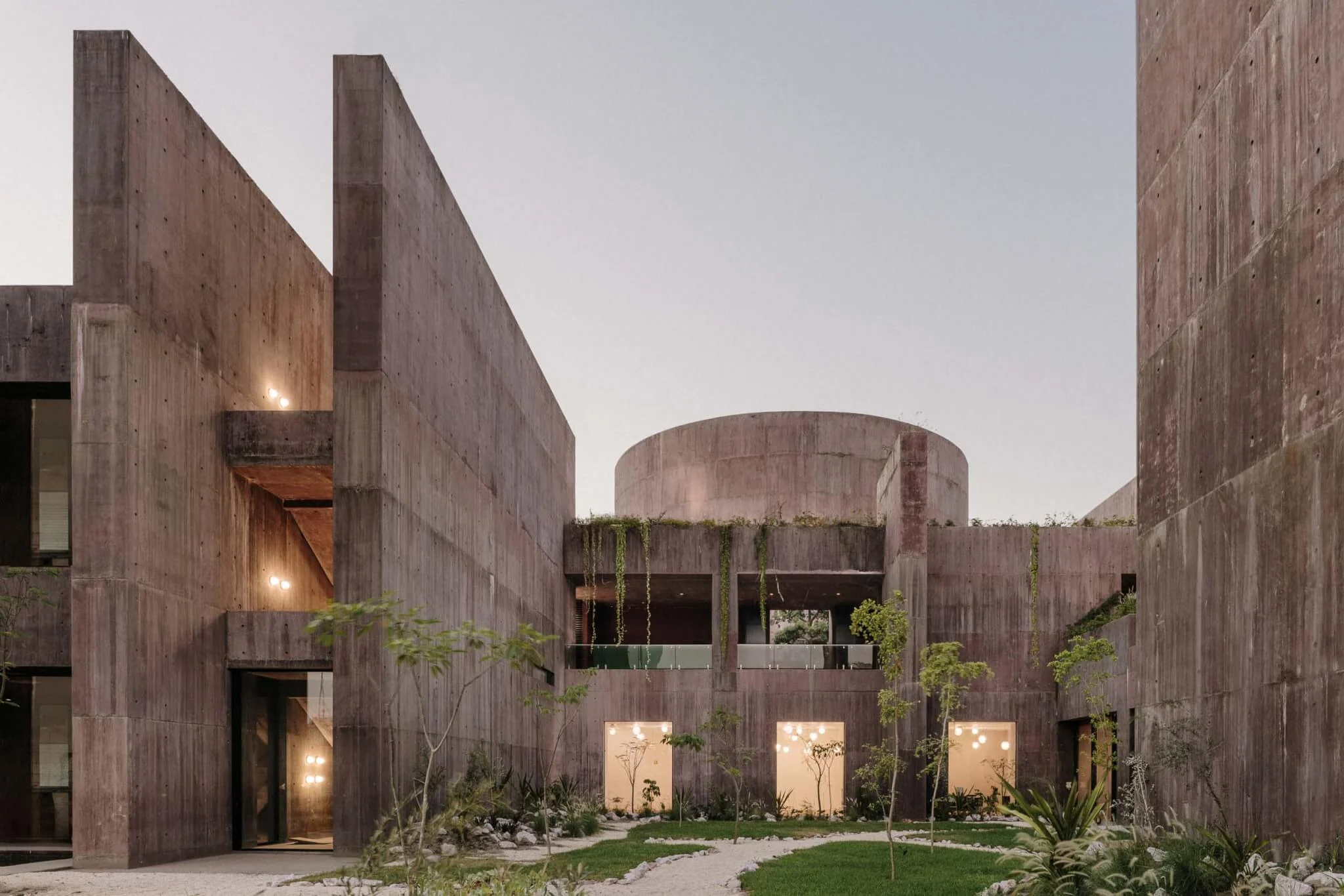
Nowhere is the idea clearer than in the Sea of Cortez Research Center in Mazatlán. For this project, Bilbao imagined a fascinating story set in the year 2289. A building constructed in 2023 is swallowed by rising sea levels in 2100. In 2227, the waters finally recede, leaving behind a concrete ruin full of life. From that imagined future, she designed an astonishing aquarium of monumental walls, open passages and gardens where nature seems to have taken over. The narrative works as both a design tool and a quiet warning, asking visitors to consider a world changed by the sea and to see the building as a place where architecture and ecology meet. It is a remarkable act of imagination, treating the building’s own ruin as part of its design.
Casa Ventura: A Family Home in the Mountains
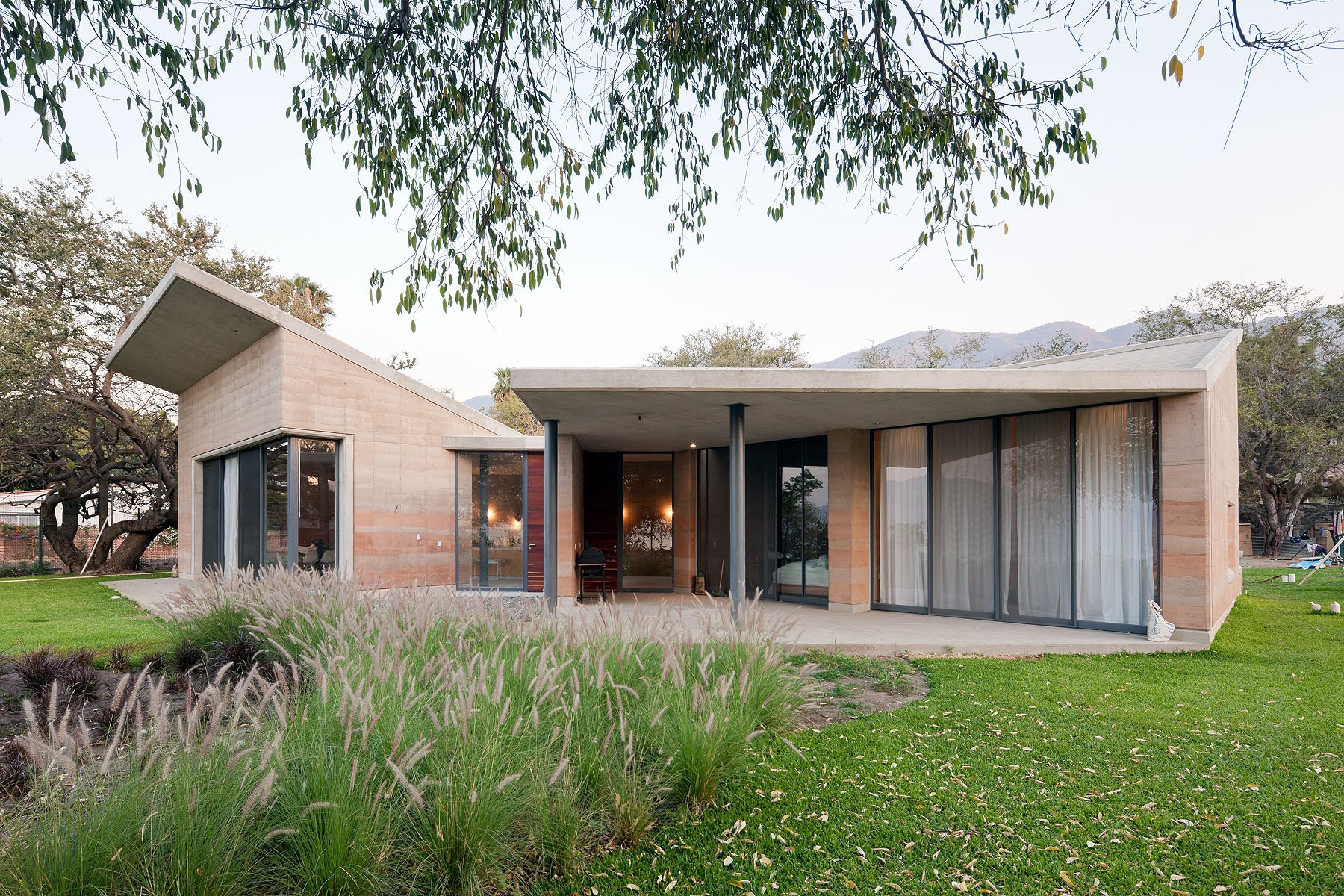
Bilbao brings the same sensitivity to a much more intimate scale at Casa Ventura, near Monterrey. Here, a family home is built into the mountainside, with concrete rooms that follow the natural slope of the land rather than flattening it. Existing trees were not removed but invited in, growing through open patios and terraces and becoming part of everyday family life. The result is a house where the boundary between inside and outside feels soft. Children and adults share their daily routines with the trees, whose shade and movement shape the experience of each space. It shows that her philosophy is not only for dramatic cultural projects but also for the ordinary rhythms of living.
Echoes of Vegetal Brutalism
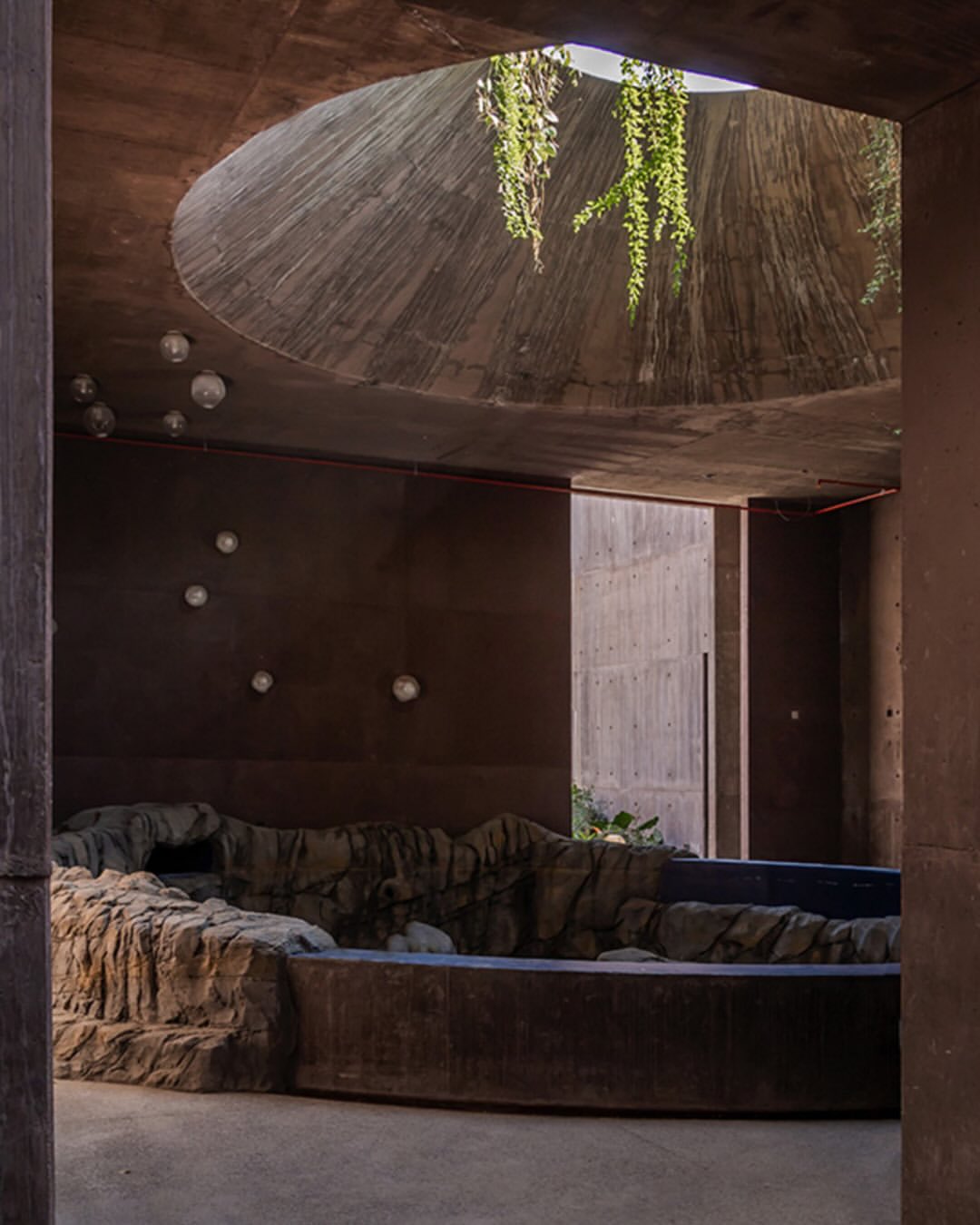
Bilbao’s sculptural concrete forms recall fragments of the vegetal Brutalism of the 1960s and 70s, reminiscent of architects like Fernando Higueras. That movement paired heavy, expressive concrete with lush planting, creating buildings that felt both monumental and organic. Bilbao revisits this language with a contemporary mindset. Her concrete is not a statement of power but a canvas, designed to age, weather and eventually be wrapped in green.
Letting Go
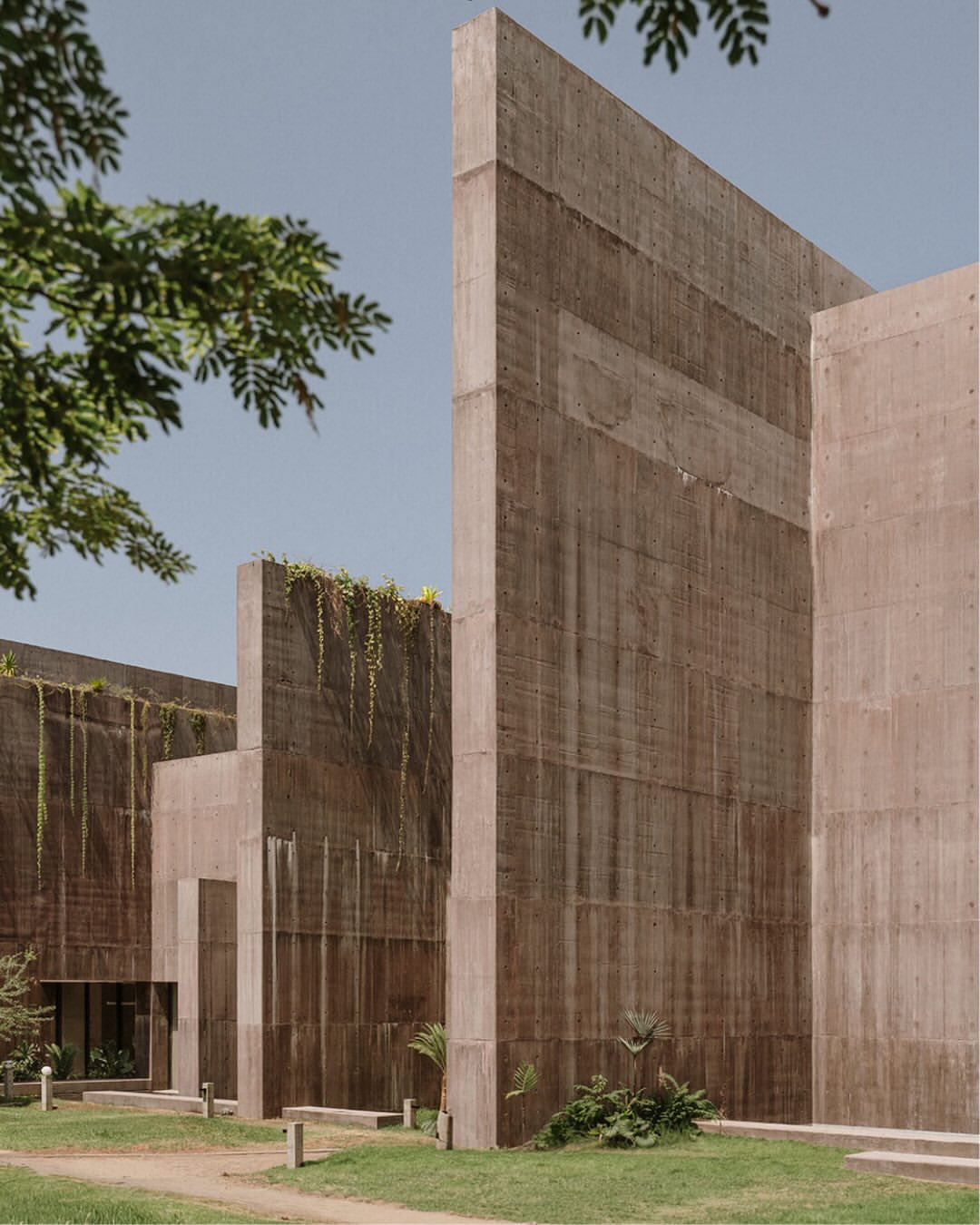
What distinguishes her work is a willingness to relinquish control. Her vision looks firmly towards the future, imagining buildings that evolve with the natural world, even beyond her own influence. Where many designers see weathering as a flaw, she sees it as a chapter still to be written. This may be the deepest lesson of her upbringing. Growing up among architects, she learned that buildings are made by generations, each adding to and altering what came before. Bilbao extends that logic beyond the human family, inviting trees, water and time to join it.
Tatiana Bilbao’s greatest sensitivity lies in this trust. She allows the passage of time and lets nature make her architecture its own, and in doing so she offers a hopeful vision for building in an age of climate uncertainty. Her buildings do not fight the world around them. They wait for it, welcome it and grow richer for it.