The Art of Fusion: How PRODUCTORA Reimagines Mexican And Belgian Architecture
PRODUCTORA brings Mexican and Belgian perspectives together by building on what already exists, their architecture preserves the memory of old structures while giving them new purpose
Founded in Mexico City in 2006, PRODUCTORA has built its identity around an intriguing meeting of perspectives. Carlos Bedoya, Víctor Jaime, Wonne Ickx and Natalia Badía bring Mexican and Belgian sensibilities together in a practice that is deeply rooted in the territory it inhabits. Yet what makes their work particularly compelling is what they choose not to do. They rarely arrive with the architectural equivalent of a blank sheet of paper. Instead, they look at what is already there. An abandoned factory, an old house, a weathered structure or even a landscape becomes the starting point for something new. Rather than wiping the slate clean, they work with time, adding another layer to the story. For PRODUCTORA, architecture is less about starting again and more about knowing what deserves to remain.
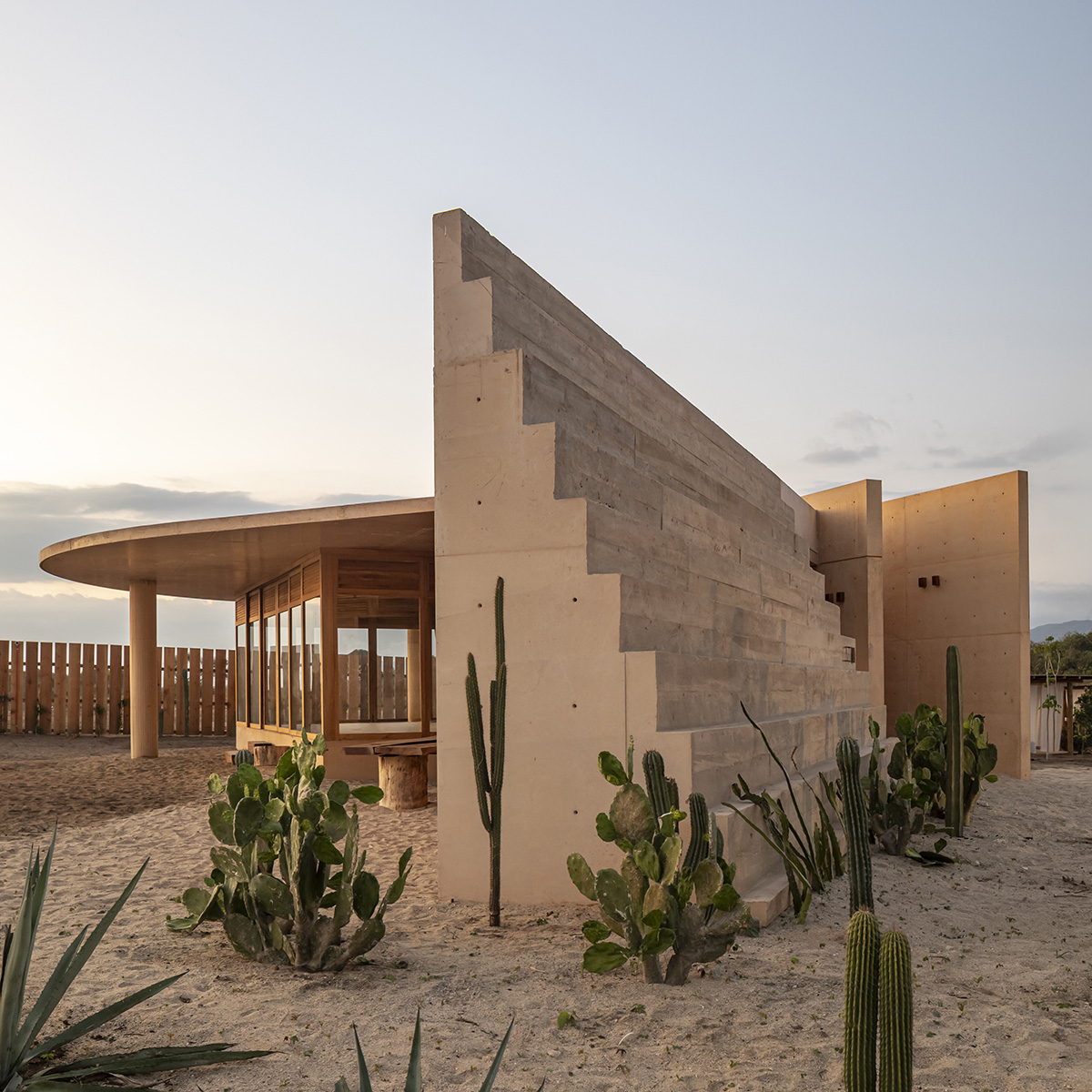
That philosophy comes vividly to life at Laguna, a project in Mexico City’s Doctores neighbourhood where a deteriorated textile factory dating from the 1920s has been gradually transformed into a collaborative complex. Today, more than 25 creative and productive practices occupy the site, giving the old industrial building an entirely new purpose without stripping away its past. Its scars, textures and imperfections remain visible, while new structures and vivid colours introduce a distinctly contemporary rhythm. It is a clever architectural balancing act. The building is neither preserved like a museum piece nor demolished in the name of progress. Instead, it has been allowed to evolve, proving that sometimes the most interesting new architecture is hiding inside something everyone else has already decided is obsolete.
Also Read: Who Is Cazú Zegers? The Chilean Architect Who Reads The Territory Through Architecture
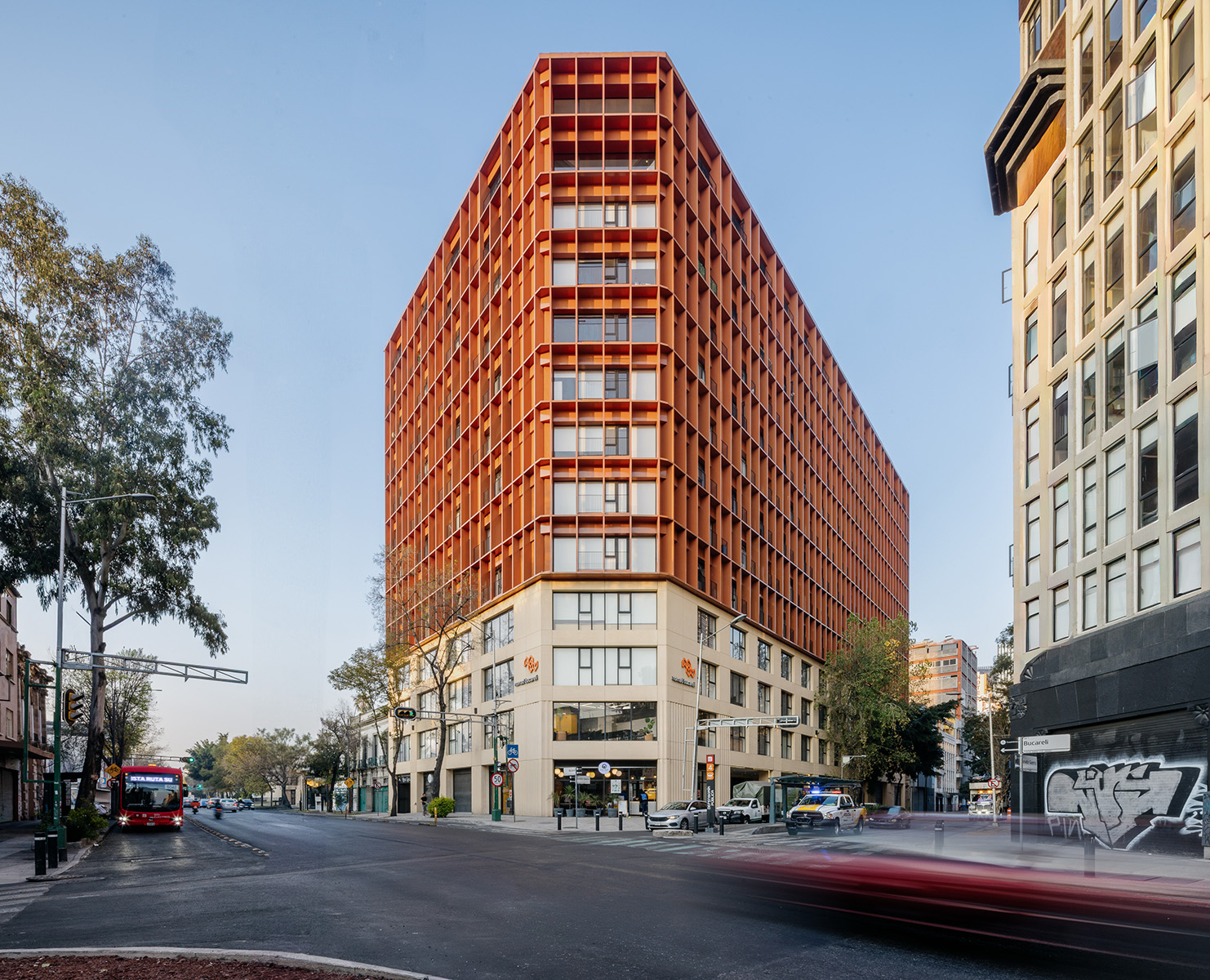
At Dublán REURBANO, PRODUCTORA applies the same thinking to a very different setting. An early twentieth century courtyard house has been transformed into the foundation for 17 new homes, with its original staircase retained as an important part of the building’s memory. Alongside it sits a new sculptural staircase that takes its cue from the blue once found on the historic columns and friezes. The result is neither an exercise in nostalgia nor an aggressive declaration of newness. Old and new are deliberately allowed to remain visible, creating a conversation between different moments in the building’s life.
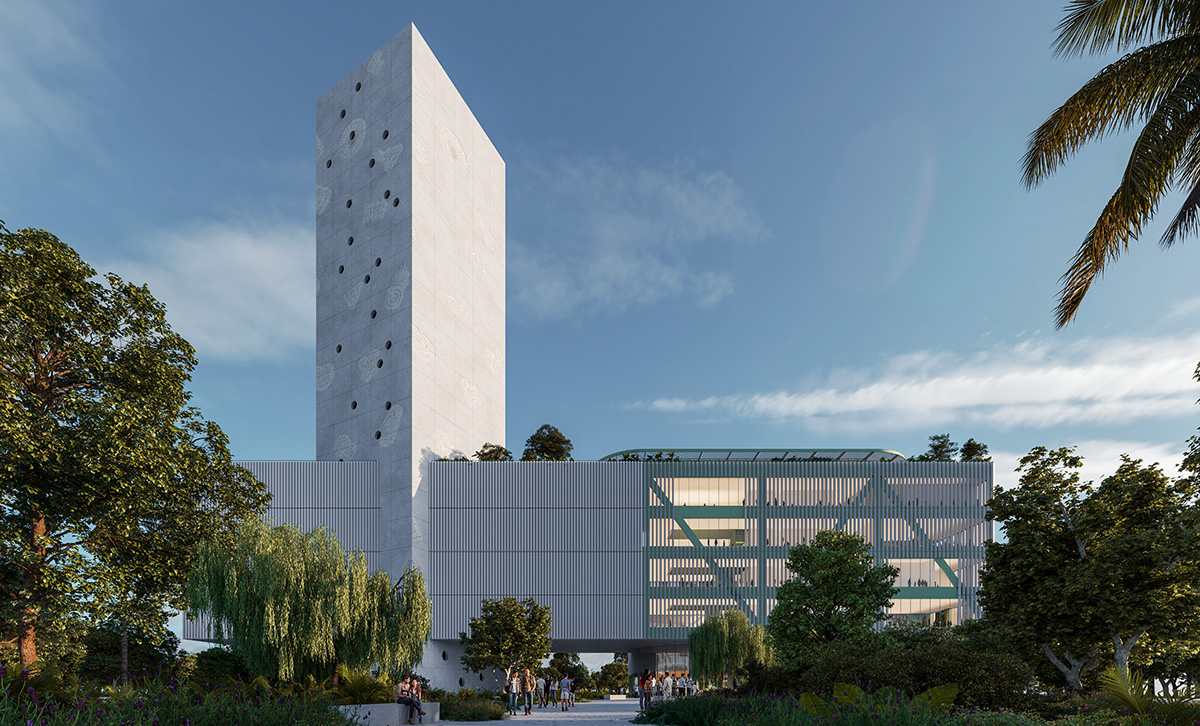
There is something refreshingly sensible about PRODUCTORA’s approach. At a time when demolition can sometimes appear to be architecture’s favourite shortcut, the practice asks a more difficult question. What if we simply kept what was already there? Their work recognises that buildings carry memories, materials carry histories and places have identities that cannot always be recreated once erased. In a world of limited resources and increasingly fragile environments, the ability to continue, adapt and reinvent may prove just as important as the ability to build. PRODUCTORA’s architecture does not attempt to silence the past. It gives it another chapter.