Varanasi’s Ghats And Intricate Jaali Screens: The Design Story Of Jewar Airport Amid Renaming Announcement
As the Uttar Pradesh Cabinet approves renaming it after the Prime Minister, Jewar's terminal remains a quieter story of Indian heritage reimagined in glass, concrete and courtyards
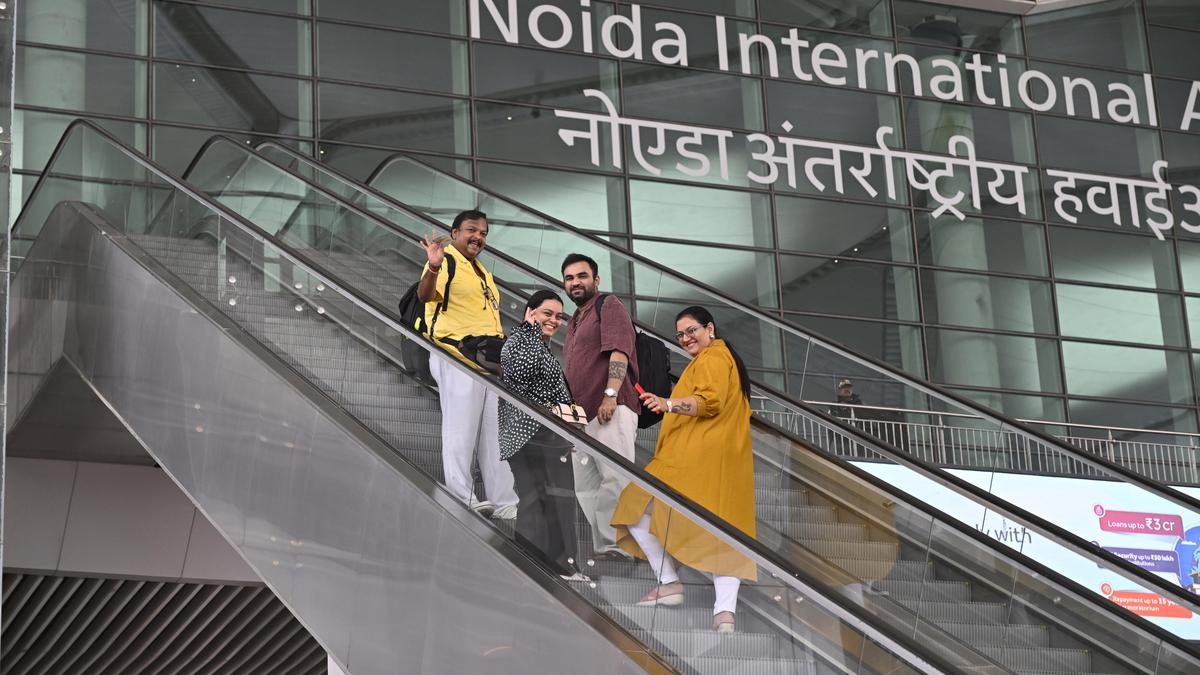
News travels in India, as it has always done, with a particular theatrical flourish, and so it was that the Uttar Pradesh Cabinet’s approval to rename Noida International Airport as Narendra Modi International Airport, Noida-Jewar, arrived with the sort of fanfare that rather threatens to overshadow a genuinely compelling architectural story unfolding beneath the headline. For amid the renaming announcement, the terminal rising at Jewar deserves to be discussed on its own considerable merits, a building that attempts something far more interesting than merely moving passengers efficiently from kerb to gate.
The passenger terminal was shaped through genuine architectural competition rather than appointed by decree, with a consortium of Grimshaw, Nordic–Office of Architecture, Haptic and STUP selected in 2020 following a rigorous three-stage design process organised by Zurich Airport International. This is worth noting, for competitions of this nature tend to produce buildings considerably more thoughtful than those simply commissioned, and Jewar’s terminal bears every mark of that deliberation.
Central to the design is a landscaped courtyard, placed deep within the terminal’s plan rather than relegated to its periphery, intended to draw daylight and natural ventilation into the very heart of the building, softening what might otherwise be an entirely mechanised passenger experience with something altogether more organic. The ambition extends to sustainability credentials as well, with the project designed to achieve LEED Gold certification alongside carbon net zero operation, goals that earned the terminal the Architectural Review Future Projects Award in the Infrastructure category back in 2022, recognition that arrived well before a single passenger had set foot inside.
Also Read: Six Architect Friends Rethinking How Spain Lives Together
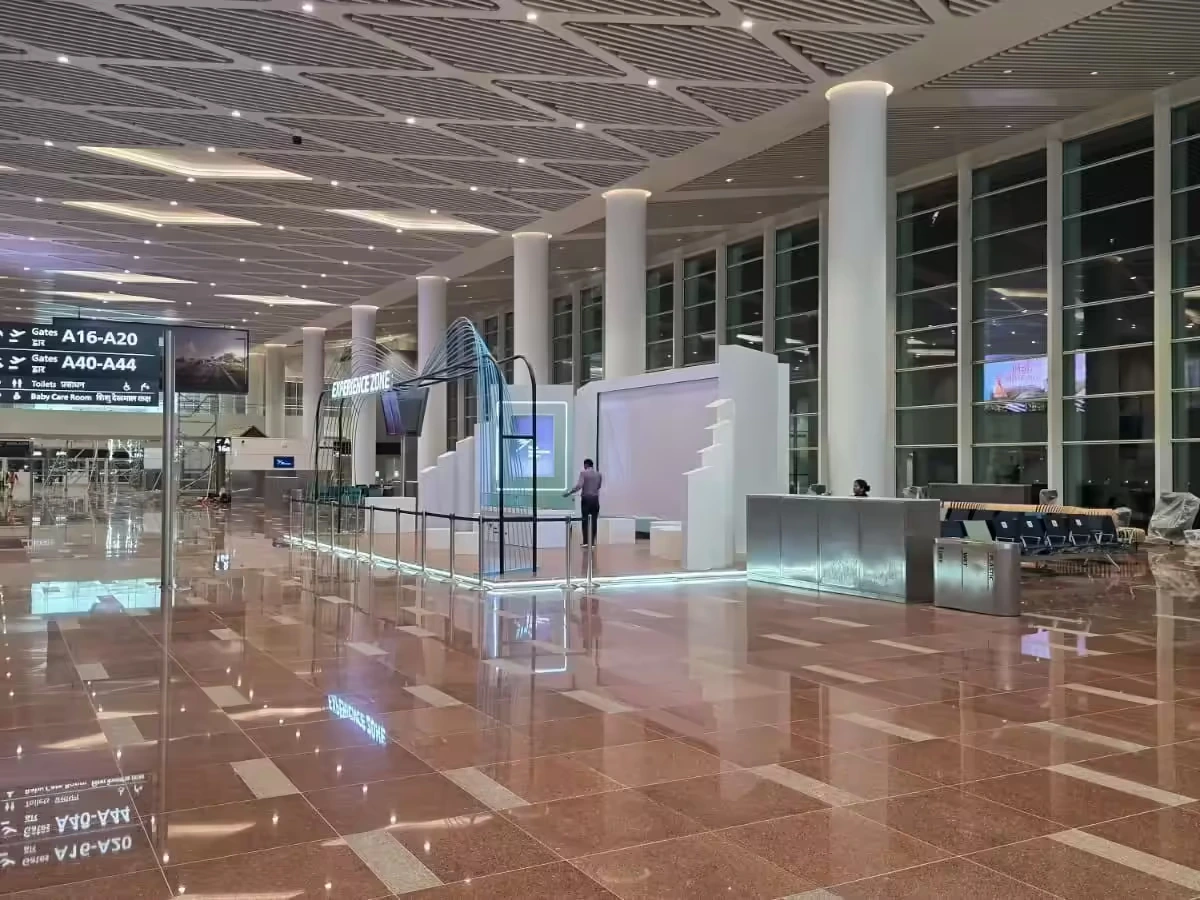
What distinguishes Jewar most memorably, however, is its deliberate conversation with India’s own architectural memory. The design draws explicitly from the country’s heritage, evoking the stepped geometry of Varanasi’s riverside ghats and the layered intimacy of traditional havelis, while intricate jaali screens, that centuries-old Indian architectural device of perforated stone or latticework, filter light through the terminal in patterns that feel simultaneously ancient and thoroughly contemporary. It is architecture attempting something genuinely difficult: honouring vernacular tradition without descending into pastiche, building an unmistakably modern aviation gateway that nonetheless feels rooted in Indian soil rather than imported wholesale from elsewhere.
Whatever name ultimately adorns its facade, the terminal at Jewar will be remembered, one hopes, for precisely this achievement: a building that looked inward toward India’s own architectural inheritance before looking outward toward the world it is built to welcome.