Why The World Forgot Svetlana Kana Radević, Yugoslavia’s Visionary Architect
Her buildings transformed Yugoslav Brutalism into an architecture of landscape, memory and human experience, yet her remarkable legacy remains one of the twentieth century's most overlooked
Long before architecture embraced contextual design and environmental sensitivity, Svetlana Kana Radević proved that even the most monumental concrete structures could possess warmth, poetry and a profound connection to place. Born in 1937, Svetlana Kana Radević emerged as one of the most remarkable figures in post-war Yugoslav architecture. At a time when the profession remained overwhelmingly male, she quickly established herself as a pioneering force whose work challenged conventional notions of modernism. Barely a few years after graduating, she became the youngest architect and the only woman to receive the prestigious Federal Borba Prize, then Yugoslavia’s highest architectural honour. Yet awards were never her destination. What truly distinguished Radević was her conviction that architecture should never dominate its surroundings, but instead become an extension of them.
While many architects of her generation embraced Brutalism through repetition, monumentality and uncompromising geometry, Radević approached concrete with remarkable tenderness. She believed modern architecture could absorb the history of a place, the textures of its landscape, the traditions of its people and the rhythms of everyday life without sacrificing contemporary expression. In her hands, raw concrete ceased to be merely structural; it became emotional, tactile and deeply rooted in its environment.
Hotel Podgorica Turned Landscape Into Architecture
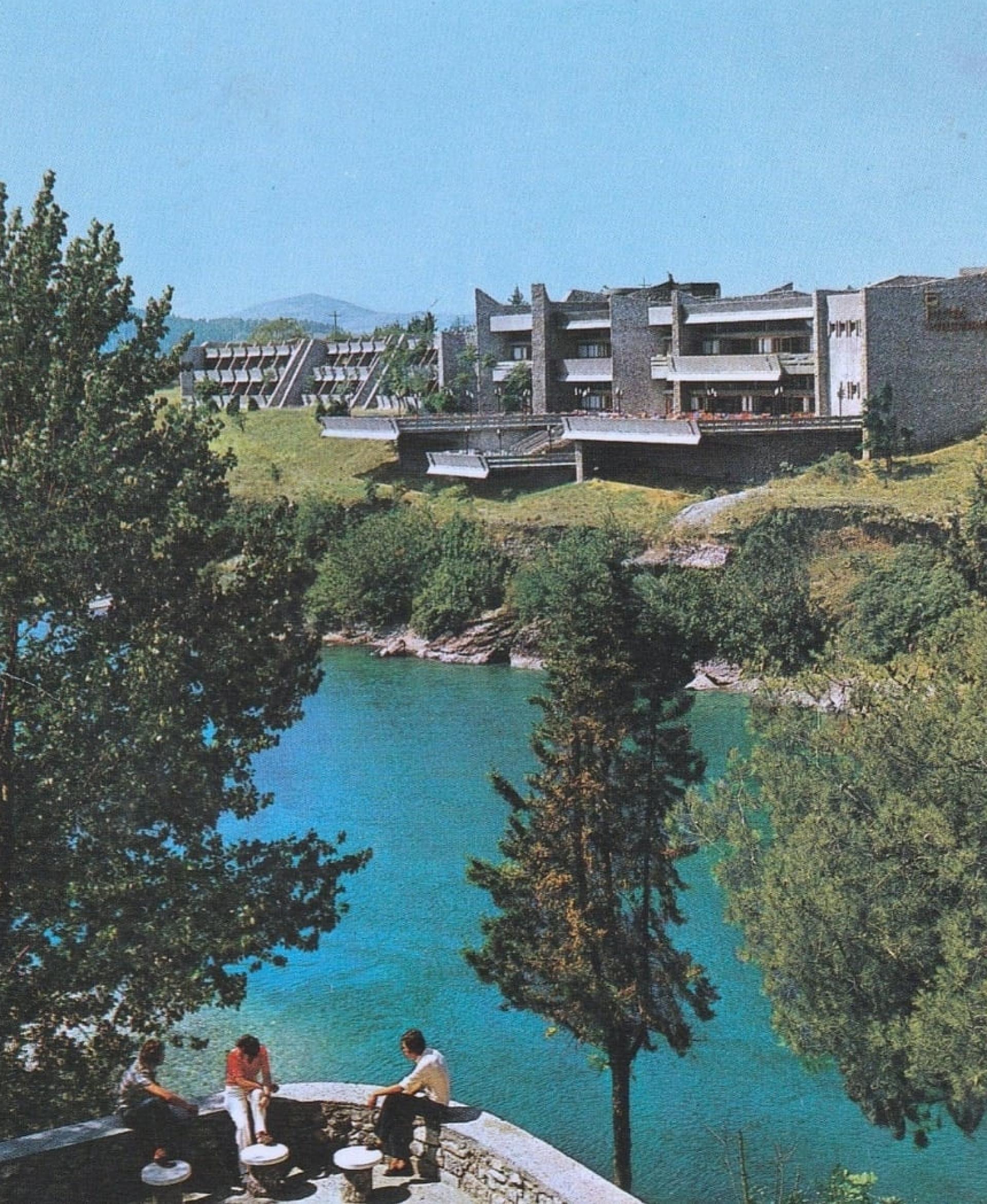
Among Radević’s most celebrated achievements is Hotel Podgorica, completed in 1967 along the banks of Montenegro’s Morača River. Rather than imposing a monumental object upon the landscape, she allowed the building to emerge almost organically from its surroundings. Concrete walls are embedded with rounded river stones gathered directly from the site, blurring the distinction between architecture and nature while giving the structure an unmistakable sense of belonging.
Inside, generous terraces, open public spaces and carefully framed views dissolve the boundaries between interior and exterior. The hotel became far more than accommodation; it evolved into one of Podgorica’s most important civic gathering places, where architecture quietly fostered social life. Decades later, Hotel Podgorica remains one of the most sensitive interpretations of regional modernism ever realised.
Also Read: Why Marta Peris And José Toral Believe Housing Is The Foundation Of Great Architecture
Hotel Zlatibor Revealed Brutalism’s Dramatic Side
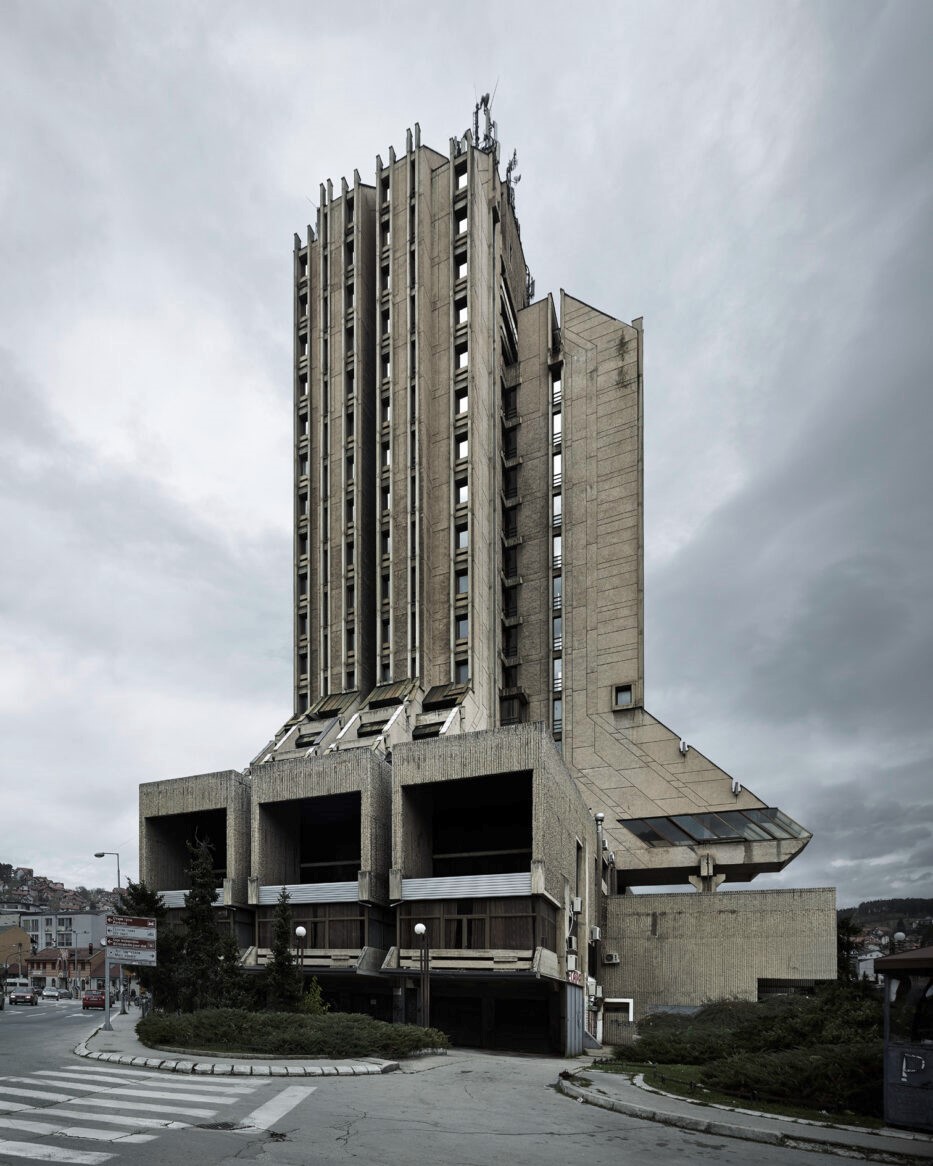
If Hotel Podgorica demonstrates Radević’s sensitivity towards landscape, Hotel Zlatibor in Užice reveals her extraordinary sculptural confidence. Rising from the historic centre with dramatic angular forms and boldly articulated concrete volumes, the building appears almost cinematic in its composition. Its powerful silhouette projects an unmistakable sense of futurism, as though conceived for an imagined tomorrow.
Yet beneath its expressive geometry lies remarkable contextual awareness. The structure responds carefully to the mountainous terrain of western Serbia, balancing monumentality with an understanding of local scale and urban fabric. Rather than overwhelming its surroundings, the building establishes a compelling dialogue between the historic city and the ambitions of modern architecture.
She Redefined Brutalism Through Humanity
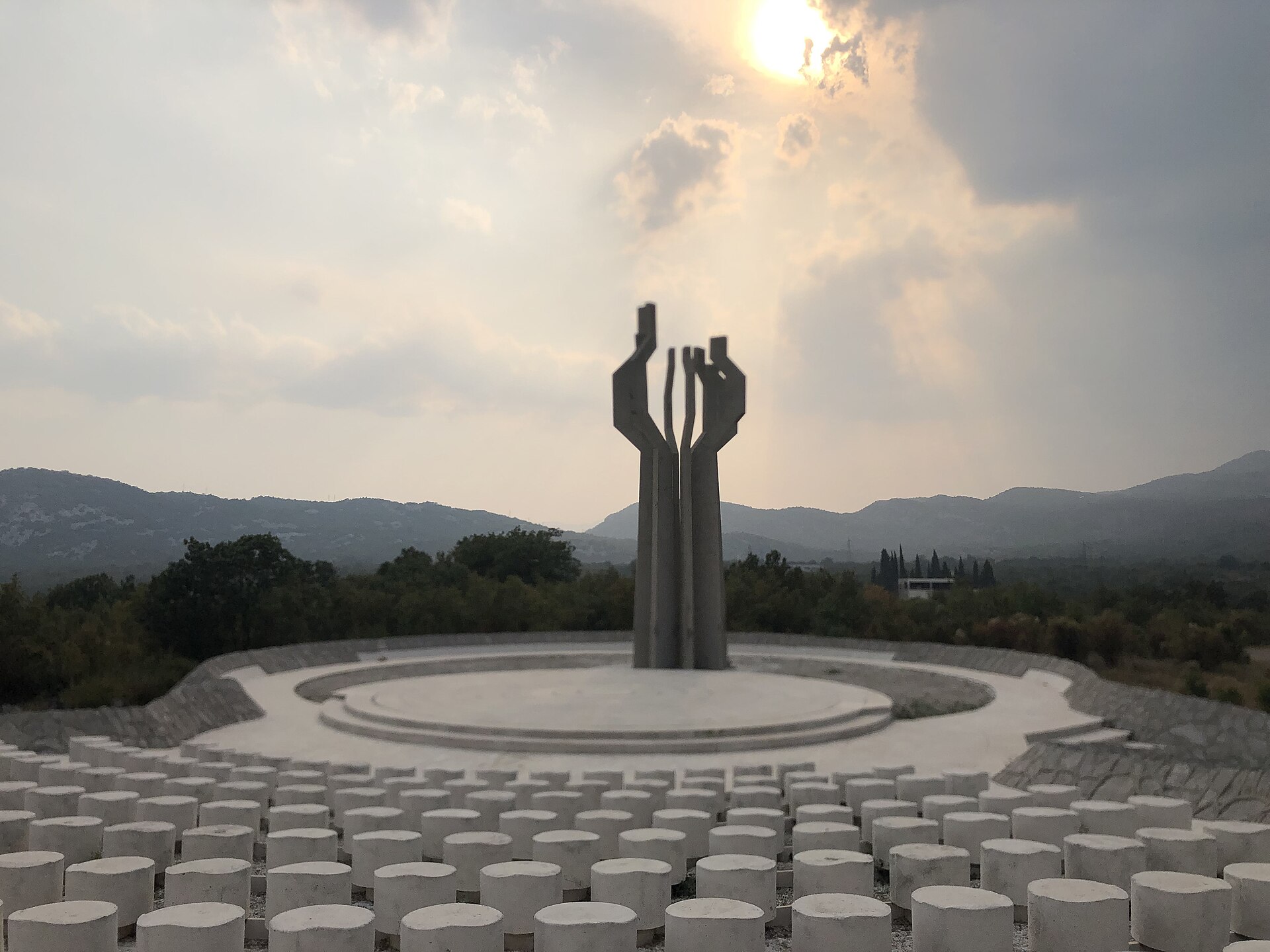
Radević rejected the notion that Brutalist architecture had to feel cold or impersonal. Instead, she demonstrated that even the heaviest materials could express warmth, memory and cultural identity. Natural stone, carefully modulated light, handcrafted textures and thoughtful spatial planning softened concrete’s perceived severity, creating buildings that invited occupation rather than intimidation.
Her projects consistently balanced technical innovation with emotional intelligence. Every structural gesture served human experience, every material reinforced a connection to place, and every composition reflected an understanding that architecture ultimately exists for the people who inhabit it.
Also Read: How Wine Cellars Evolved Into Stunning Architectural Showpieces
A Pioneer Whose Legacy Deserves Rediscovery
As one of the first women to shape the architectural identity of the Balkans, Svetlana Kana Radević quietly dismantled barriers while producing some of the most intellectually sophisticated works of twentieth-century European architecture. Her influence extended far beyond individual buildings, proving that regional identity and international modernism need never exist in opposition. Yet outside architectural circles, her name remains surprisingly unfamiliar. Overshadowed by many of her contemporaries, her contribution to Yugoslav modernism has rarely received the international recognition it deserves.
Today, as architects increasingly seek sustainable, contextual and culturally rooted forms of design, Radević’s work feels not like a relic of the past but remarkably contemporary. Her buildings remind us that architecture reaches its greatest potential when it grows from its landscape, embraces its community and speaks with quiet confidence rather than unnecessary spectacle. In rediscovering Svetlana Kana Radević, we rediscover a vision of architecture that remains every bit as relevant as when it first emerged from the concrete landscapes of post-war Yugoslavia.