Why Wang Shu And Lu Wenyu Believe Architecture Begins Before Construction
For Wang Shu and Lu Wenyu, architecture is not about replacing the past with something new. It is about allowing memory, craftsmanship and everyday life to remain part of the future
China has spent the last few decades building at a speed that would make even a Formula 1 pit crew look rather lazy. Cities have exploded upwards, old neighbourhoods have disappeared and shiny new buildings have arrived with the subtlety of a shopping centre dropped from a helicopter. But in the middle of all this demolition and reconstruction, Wang Shu and Lu Wenyu decided that perhaps progress did not have to mean bulldozing everything that came before it. Their answer was architecture that remembers. Reclaimed bricks, ancient roof tiles, local craftsmen and centuries of accumulated knowledge are treated not as inconvenient leftovers, but as ingredients. And suddenly, the old buildings aren’t standing in the way of the future. They are helping build it.
Architecture Begins With Memory, Not Concrete
Founded in Hangzhou in 1997, Amateur Architecture Studio emerged at a time when historic villages across China were disappearing beneath waves of demolition and reconstruction. For Wang Shu and Lu Wenyu, architecture begins long before construction. It begins with the memory of a place, the knowledge passed from craftsman to craftsman and the ordinary lives that have unfolded there for generations. Their buildings are therefore conceived not as interruptions, but as the next chapter in stories that have been evolving for centuries.
Also Read: Why The World Forgot Svetlana Kana Radević, Yugoslavia’s Visionary Architect
Along Zhongshan Road, The Past Is Allowed To Keep Speaking
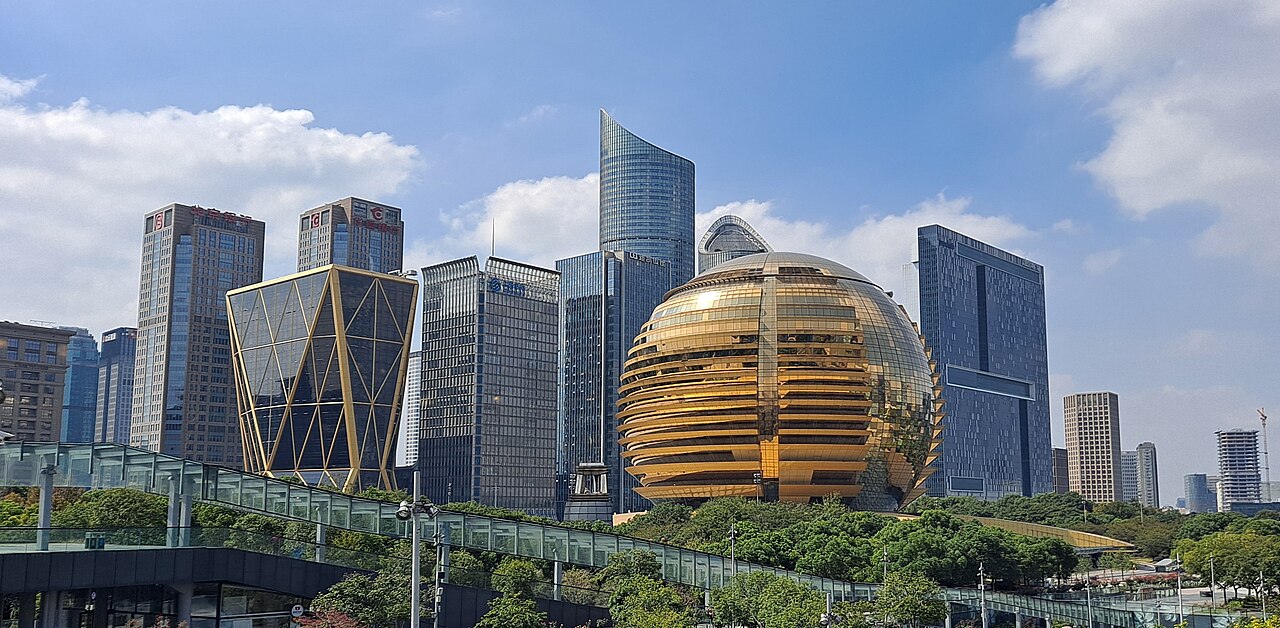
Their philosophy is particularly visible along Zhongshan Road, in the historic heart of Hangzhou, where renewal is approached through careful interventions rather than wholesale replacement. Instead of imposing an entirely new identity on the city, the architects allow contemporary life to coexist with the layers of history that already define the street. The result is an approach to urban renewal that feels less like erasure and more like editing, preserving the character of a place while allowing it to continue evolving.
In Wencun Village, Old Materials Carry New Stories
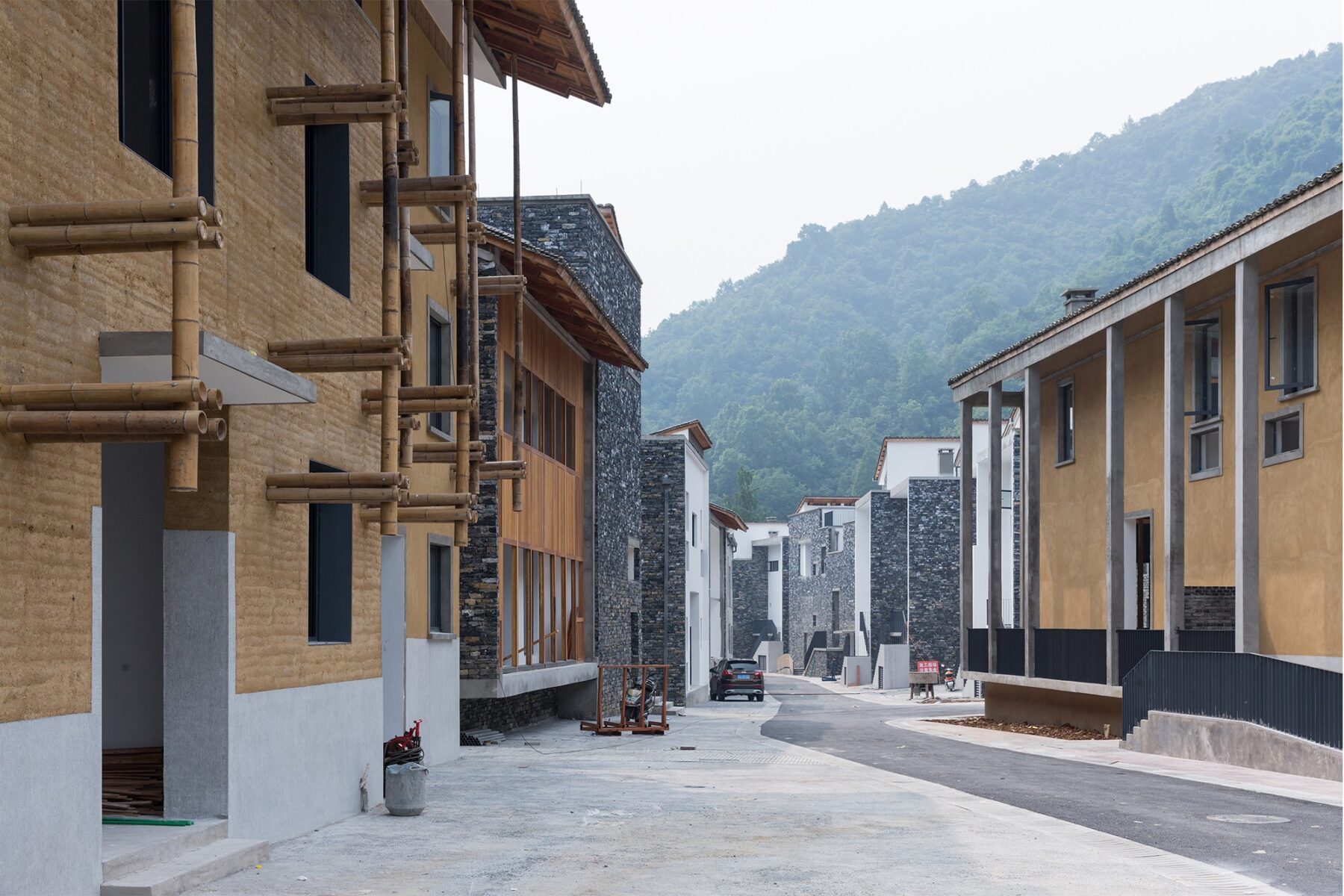
In Wencun Village, nestled among the mountains surrounding Hangzhou, Wang Shu and Lu Wenyu took this philosophy further by working alongside local craftsmen to create new homes from materials recovered from the surrounding landscape. Reclaimed bricks, weathered roof tiles and stone salvaged from demolished houses were given another life within the new architecture. These materials are more than building components. They carry the marks of previous lives, while the craftsmen who work with them preserve techniques and knowledge handed down through generations.
Also Read: Rafael Moneo’s Architectural Philosophy: Tradition Meets Modernity
Their Architecture Preserves More Than Buildings
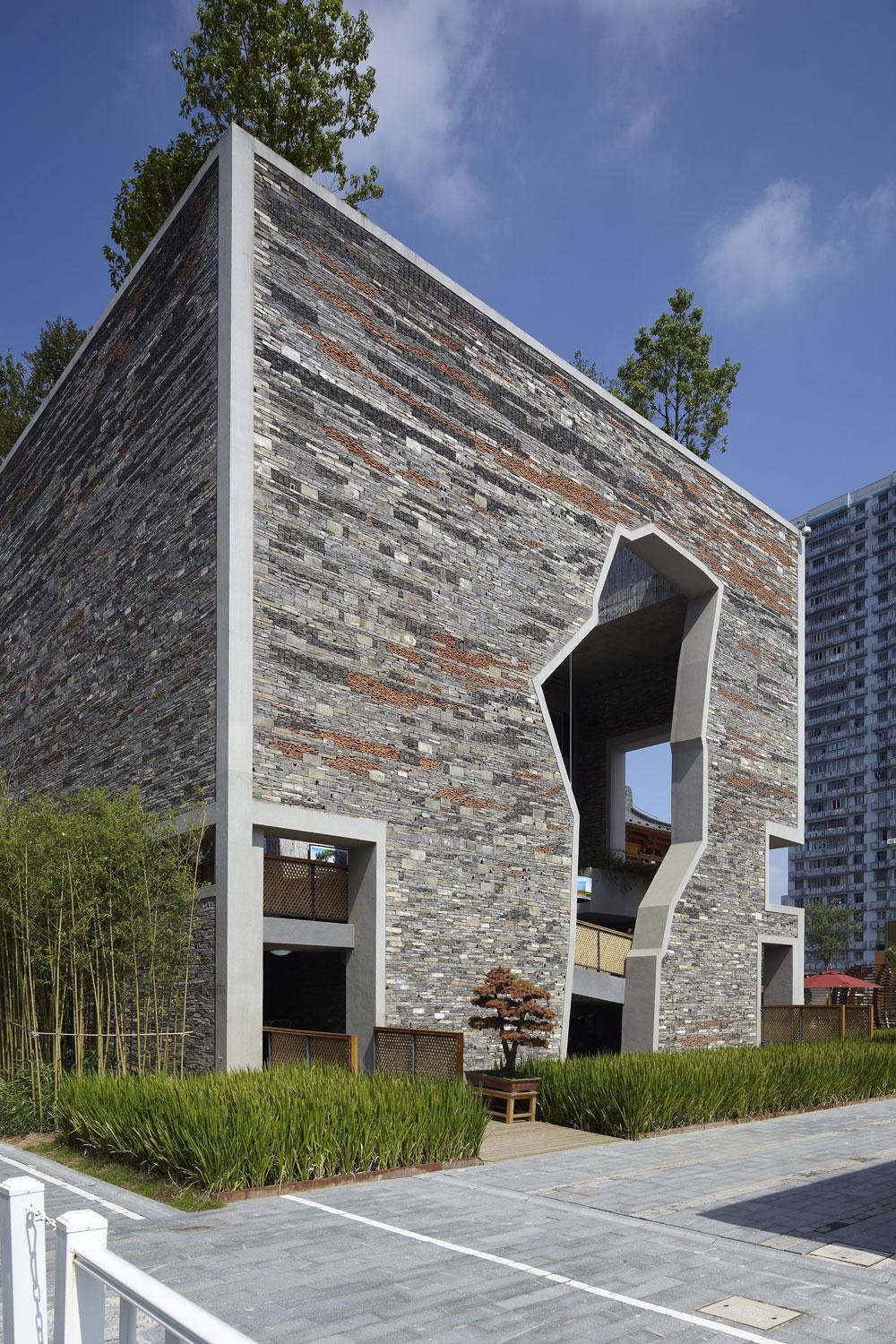
What makes the work of Amateur Architecture Studio so compelling is that its preservation extends beyond façades and physical structures. Wang Shu and Lu Wenyu are equally interested in protecting the cultural memory embedded within places. Traditional construction methods, familiar materials and the rhythms of everyday life become essential parts of the architecture. Their approach suggests that heritage does not survive simply because an old building remains standing. It survives when the knowledge, memories and human connections surrounding it continue to have a place in contemporary life.
Humility And Patience May Be Architecture’s Greatest Tools
Together, these projects reveal one of the most important architectural voices of contemporary China. Wang Shu and Lu Wenyu do not attempt to dominate their surroundings with spectacle. Instead, they work with what already exists, allowing old materials, local craftsmanship and cultural memory to influence what comes next. Their architecture is a reminder that progress does not always require demolition, and that the future does not have to arrive by destroying the past.
Perhaps that is the real lesson of their work. Every village carries a memory worth protecting, every material has a history worth remembering and every new building has an opportunity to become part of an existing story. Humility and patience may not sound like the most fashionable architectural principles, but perhaps the future of twenty first century architecture has been hiding there all along.