The Return of Decorative Folding Screens in Modern Homes
Decorative folding screens are returning to contemporary homes as statement pieces that combine functionality with artistry
Decorative folding screens are reclaiming their place in contemporary interiors. Once associated with grand drawing rooms and aristocratic residences, these versatile pieces are now appearing in penthouses, boutique hotels and collector-led homes around the world. Their renewed popularity lies in their ability to create privacy, introduce artistry and transform a room without requiring permanent changes.
Open-plan living has dominated interior design for years but many homeowners are beginning to crave spaces that feel more intimate and layered. Folding screens offer a simple solution. They can define a reading corner, soften a bedroom or conceal a workspace while serving as a striking design statement.
Art and Functionality Unite
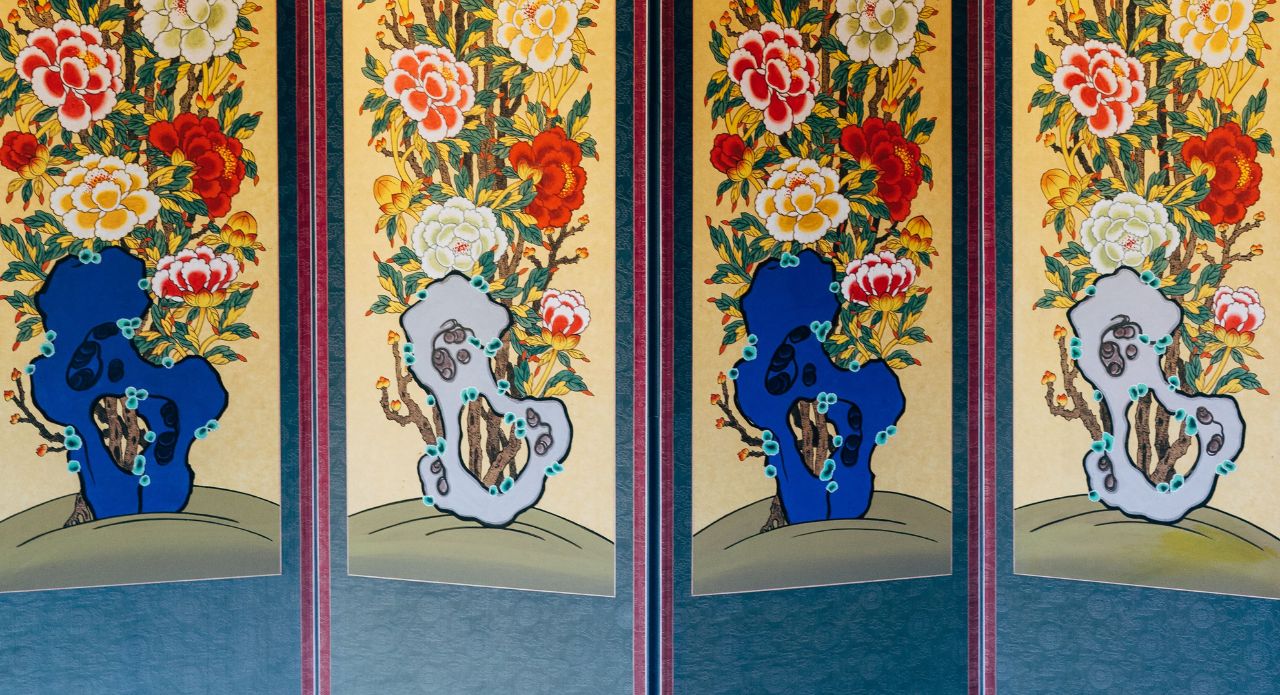
Folding screens have turned into full-fledged art pieces that are increasingly valued as collectible objects rather than simple room dividers.
Some of the world’s most celebrated designs continue to influence contemporary interiors, including Charles and Ray Eames’ Molded Plywood Folding Screen for Herman Miller. Introduced in 1946, its sculptural form remains an enduring example of furniture as art.
Also Read: The Return Of Decorative Arts: Craftsmanship Beyond Fashion And Jewellery In Home Interiors
Pierre Jeanneret’s Folding Screen, reissued by Phantom Hands, has also found a new audience among design enthusiasts. Rooted in Chandigarh’s modernist legacy, the piece brings together clean lines and craftsmanship in a way that feels particularly relevant to Indian luxury homes.
Japanese traditions continue to shape the category as well. Handcrafted gold-leaf screens inspired by Fujin and Raijin, the gods of wind and thunder, blur the boundaries between furniture and fine art. Their presence can instantly elevate a room, creating a sense of theatre and history.
Spaces With Character
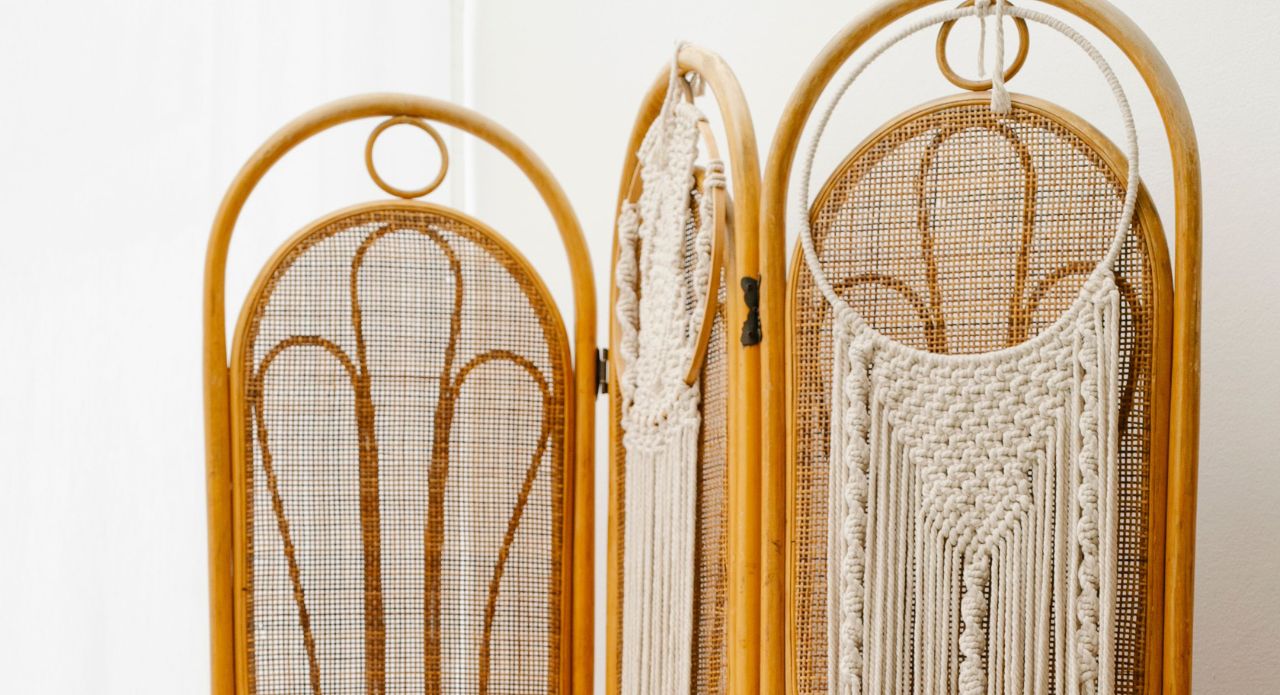
Indian artisans are contributing to the revival through contemporary interpretations that celebrate regional craftsmanship. Hand-carved wooden screens featuring brass inlay, cane work and intricate detailing are increasingly finding their way into high-end residences. These pieces introduce warmth and texture while reflecting a growing appreciation for handmade objects.
Interior trends are steadily moving away from spaces that feel overly uniform. Homeowners are embracing rooms that tell stories through furniture, art and personal collections. Decorative folding screens fit naturally into this shift, lending depth and individuality to interiors.
Also Read: Designer Coffee Table Books That Instantly Elevate Your Living Room
Placed beside a window, behind a bed or in an entryway, they create a sense of discovery. Light filtering through woven materials or reflecting off gilded surfaces can dramatically alter the mood of a room throughout the day.
More than a nostalgic revival, the return of folding screens signals a broader appreciation for thoughtful design, where beauty and practicality coexist with ease.