Climate-Proof Luxury Homes: The Future Of High-End Living
From wildfire resistant villas to flood resilient waterfront estates, the world's finest homes are no longer just built to impress, they are engineered to withstand an unpredictable future
There was a time when buying a luxury home meant asking the obvious questions. Does it have a sea view? A wine cellar? An infinity pool large enough to embarrass the neighbours? Today, the world’s wealthiest buyers have added another question to the list, and it is far less glamorous. Will it still be standing in fifty years? Because a INR 200 crore mansion is rather pointless if it spends every monsoon pretending to be a submarine. Climate change has quietly become the most influential architect in luxury real estate, forcing developers to rethink everything from foundations to façades. The result is an entirely new generation of homes where resilience has become the ultimate expression of luxury.
Luxury Begins With Resilience
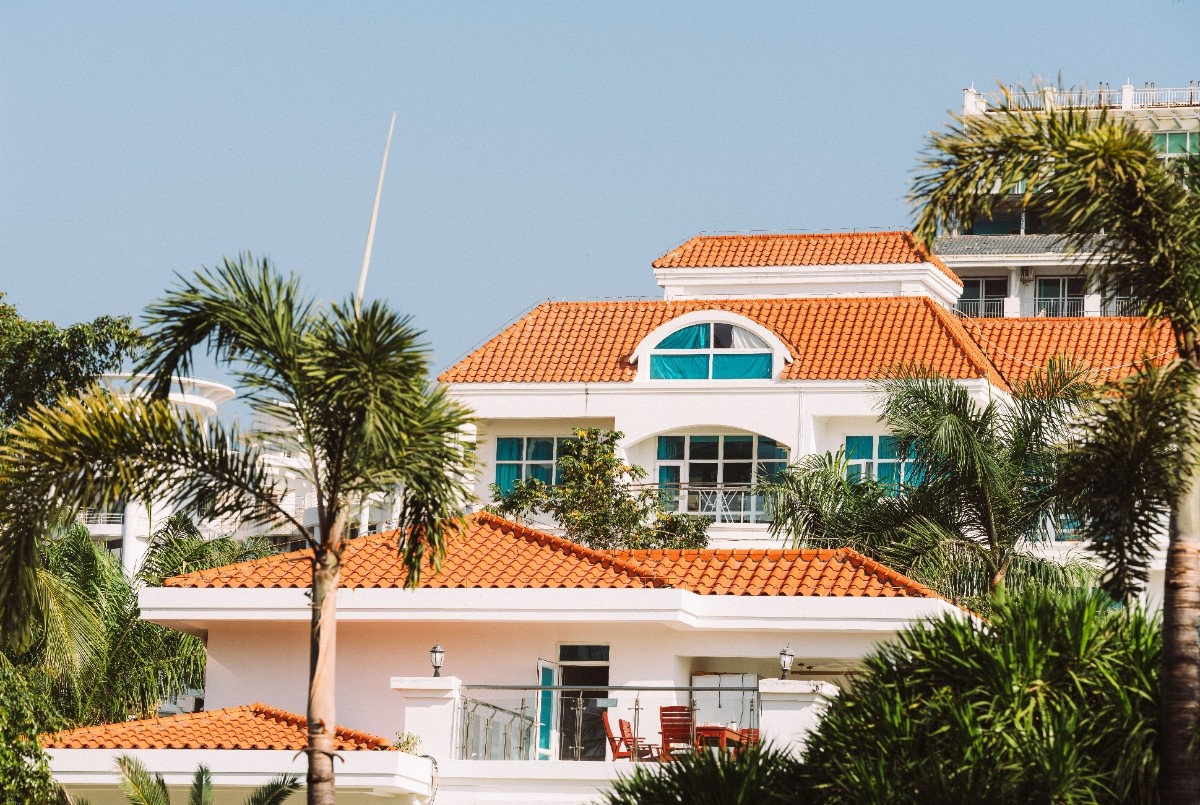
Today’s ultra luxury homes are designed to survive conditions that would have once rendered even prestigious addresses vulnerable. Elevated foundations, reinforced structural systems, impact resistant glazing and advanced waterproofing ensure these residences remain secure during floods, cyclones and extreme weather events. Safety has become as valuable as square footage.
Also Read: Why Luxury Garages Have Become The New Status Symbol
Materials That Stand The Test Of Nature
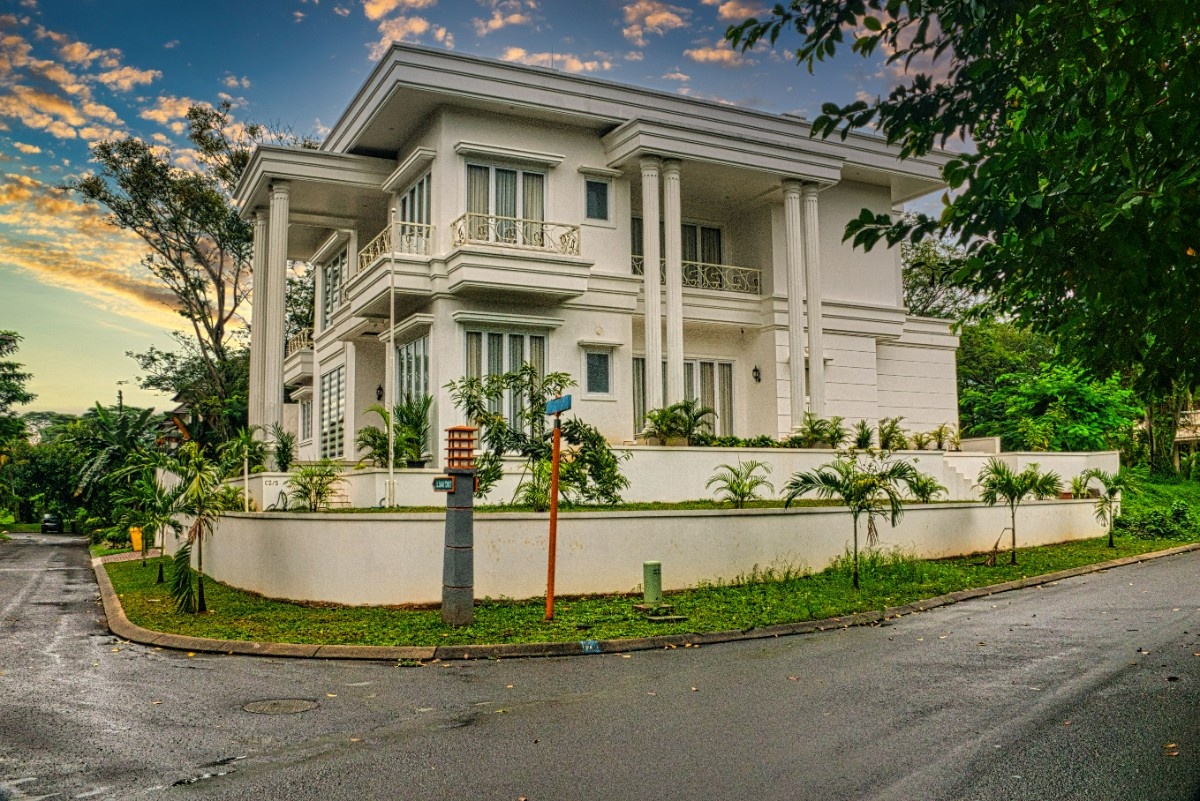
Climate resilient homes increasingly rely on high performance materials that resist corrosion, moisture, fire and rising temperatures. From fibre reinforced concrete and weather resistant stone to sustainably sourced hardwoods and specialised exterior coatings, architects are selecting finishes that retain both their beauty and structural integrity for decades.
Self Sufficient Energy Is The New Status Symbol
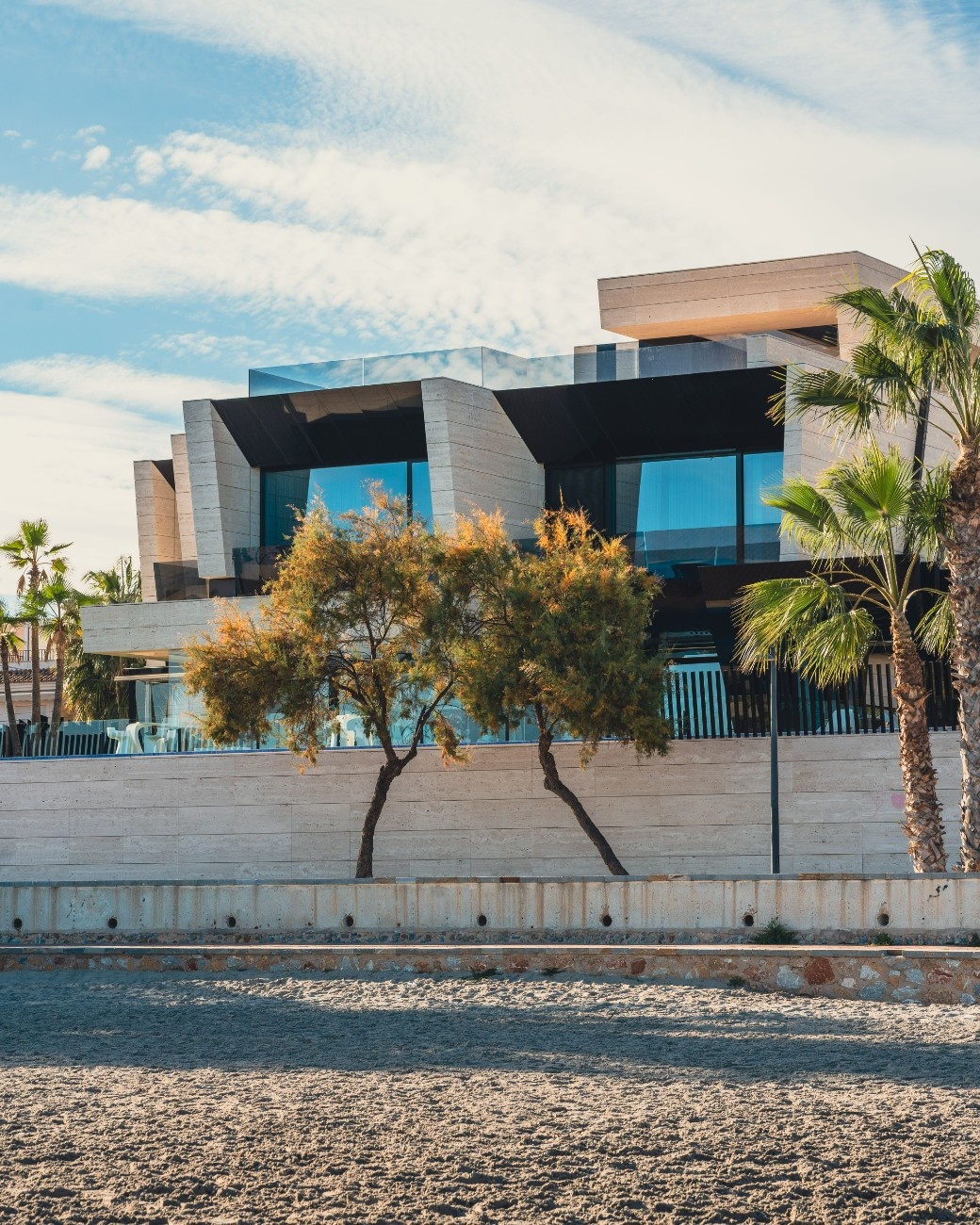
The finest homes are becoming miniature power stations. Integrated solar panels, geothermal heating, battery storage systems and intelligent energy management allow luxury residences to operate independently during grid failures while dramatically reducing environmental impact. Sustainability is no longer an ethical statement but an essential feature of modern luxury.
Also Read: The Most Exclusive Residential Address For Every Zodiac
Water Management Has Become An Architectural Priority
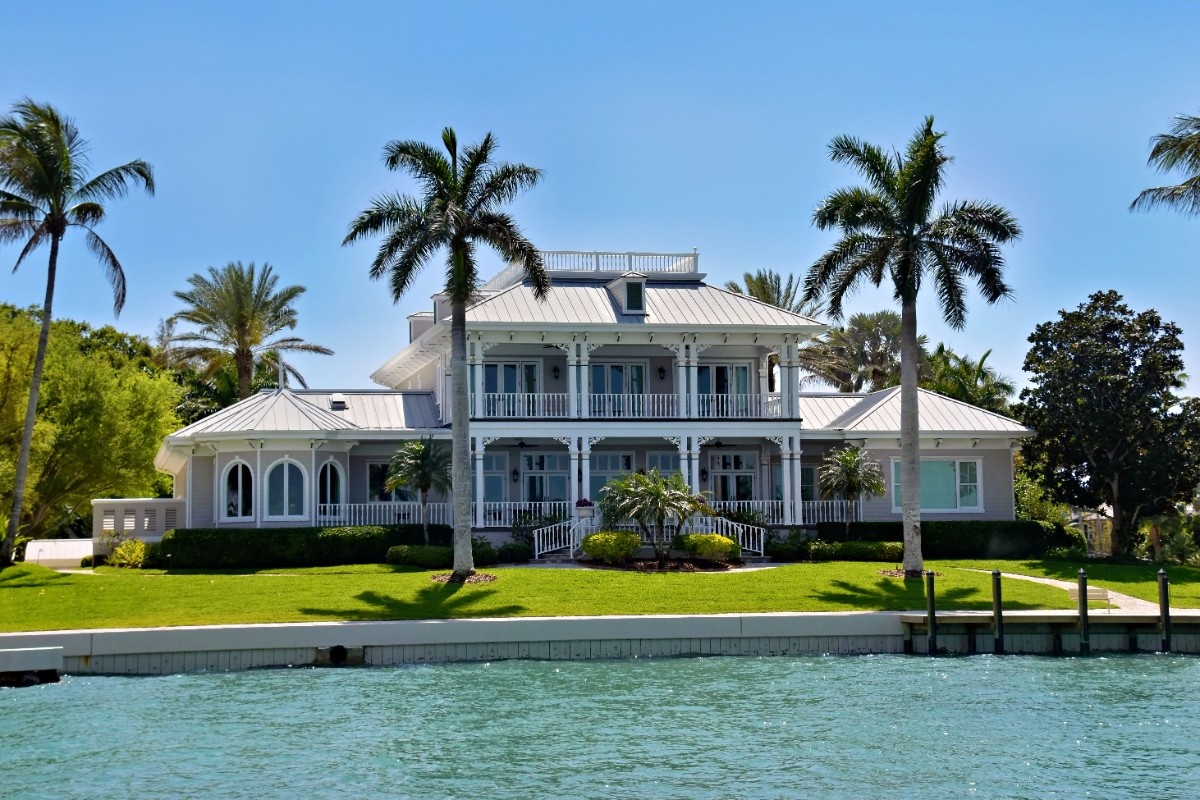
As droughts and flooding become increasingly common, sophisticated water systems have become indispensable. Rainwater harvesting, greywater recycling, underground storage tanks, permeable landscaping and smart irrigation technologies help protect valuable resources while ensuring uninterrupted comfort regardless of weather conditions.
Smart Homes That Predict Problems Before They Happen

Artificial intelligence is transforming climate resilience inside the home. Advanced sensors monitor temperature, humidity, structural movement, water leakage and air quality in real time. Automated systems can seal windows before storms, activate flood barriers, optimise cooling or notify homeowners long before minor issues become costly repairs.
Landscape Design Is Now Part Of The Defence System
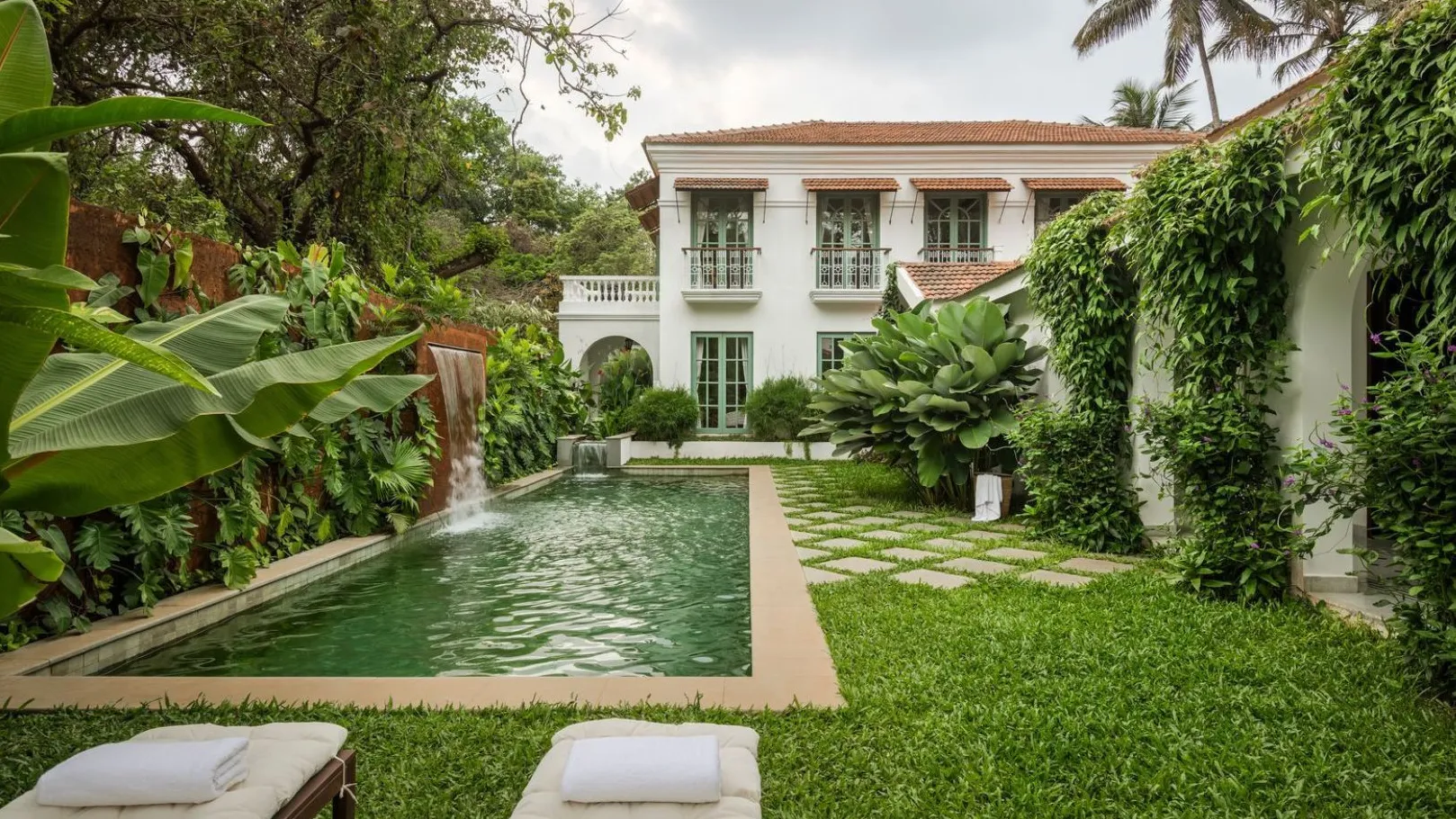
Gardens have evolved beyond aesthetics. Native planting, drought tolerant species, green roofs, living walls and carefully engineered drainage systems help regulate temperatures, reduce flood risk and improve biodiversity. The landscape itself has become an active layer of environmental protection rather than mere decoration.For decades, waterfront properties commanded the highest premiums.
The New Definition Of Luxury
The finest homes have always reflected the priorities of their era. Once it was marble staircases, gold leaf ceilings and ballroom sized dining rooms. Today, it is intelligent engineering hidden behind exquisite design. Because true luxury is no longer about owning the grandest house on the street. It is about owning the one that will still be there when the climate, inevitably, changes. Today, buyers increasingly evaluate elevation, long term climate projections, local infrastructure and disaster resilience alongside breathtaking views. Developers are responding by creating luxury communities that combine exceptional locations with sophisticated environmental planning and future proof infrastructure.