Why Luxury Garages Have Become The New Status Symbol
As multimillion-dollar car collections continue to grow, luxury homeowners are transforming garages into architectural showpieces where automobiles are displayed, admired and celebrated as works of art
Once upon a time, a garage was where you abandoned an old lawnmower, three bicycles with flat tyres and a cardboard box labelled “important cables” that hadn’t been opened since 1997. Then rich people arrived and ruined the whole concept. Today, garages have marble floors, climate control, glass walls, designer lighting and wine lounges. Some even have lifts that transport Ferraris into living rooms because apparently walking downstairs is too much effort when you’ve spent £3 million on a hypercar. And honestly, I rather like it. Because if you’ve just spent the GDP of a small island nation on a Bugatti or a McLaren F1, hiding it behind a roller shutter next to the gardening tools seems borderline criminal. The garage has evolved into something entirely different. It is now the most important room in the house. Outlook Luxe explores why luxury homeowners are building garages that often outshine their living rooms.
The Garage Has Become The New Trophy Room

For today’s collectors, the garage is no longer a functional parking space but the emotional centrepiece of the home. Designed with museum quality lighting, polished stone flooring, bespoke cabinetry and dramatic display platforms, these spaces allow rare automobiles to be admired every single day. Instead of hiding valuable collections behind closed doors, architects are placing garages at the heart of luxury residences, turning automotive ownership into a permanent visual experience that rivals the world’s finest private galleries.
Architecture Now Revolves Around The Car Collection
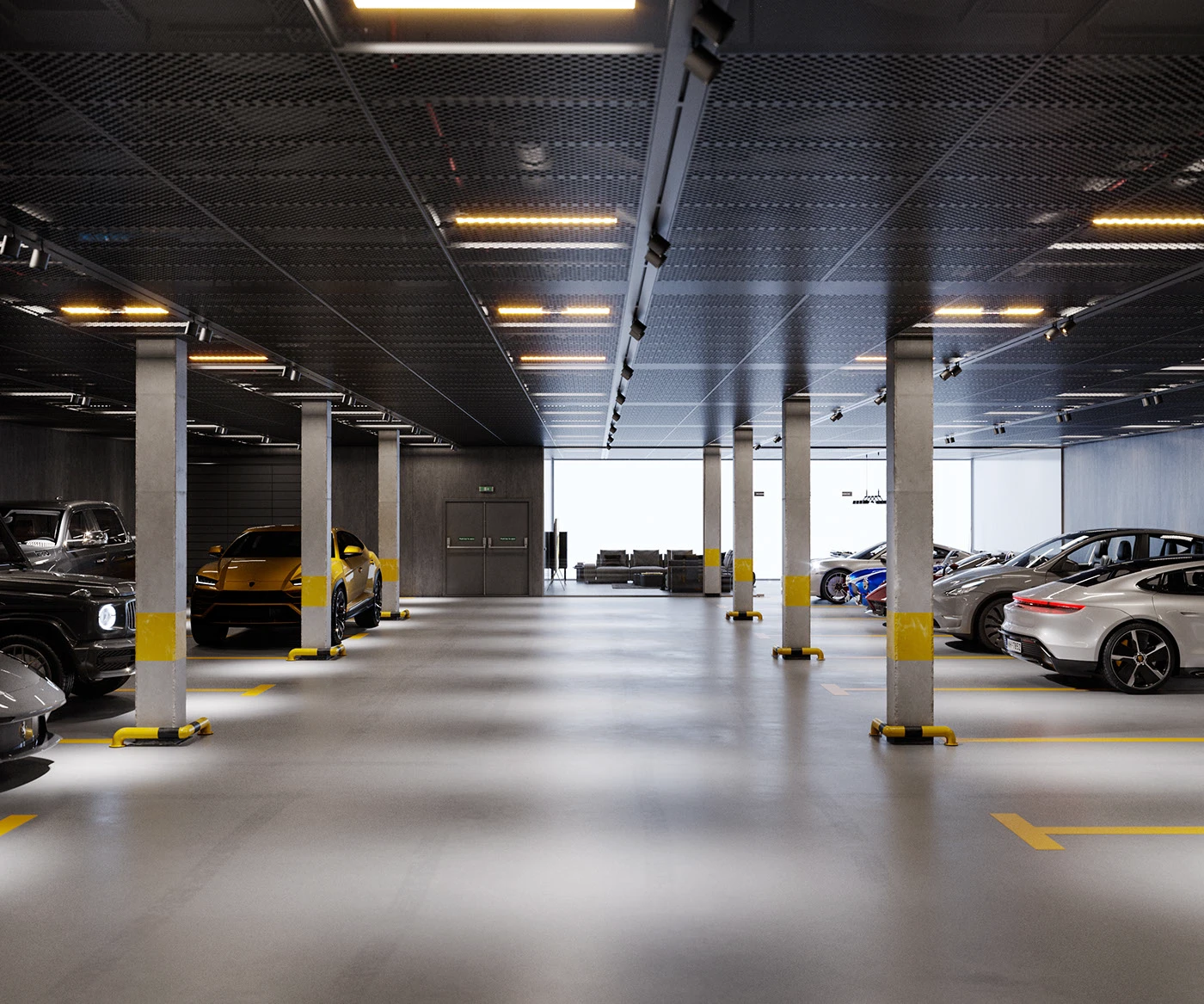
Many of today’s ultra luxury homes are designed from the garage outward rather than the front entrance inward. Glass walls separate vehicle displays from dining rooms, floating staircases overlook collector spaces, while hydraulic car elevators transport prized machines between different floors of the residence. Rather than being an afterthought, the automobile collection now influences the entire architectural layout, ensuring every arrival and departure becomes part of the home’s visual theatre.
Technology Protects Collections Worth Millions
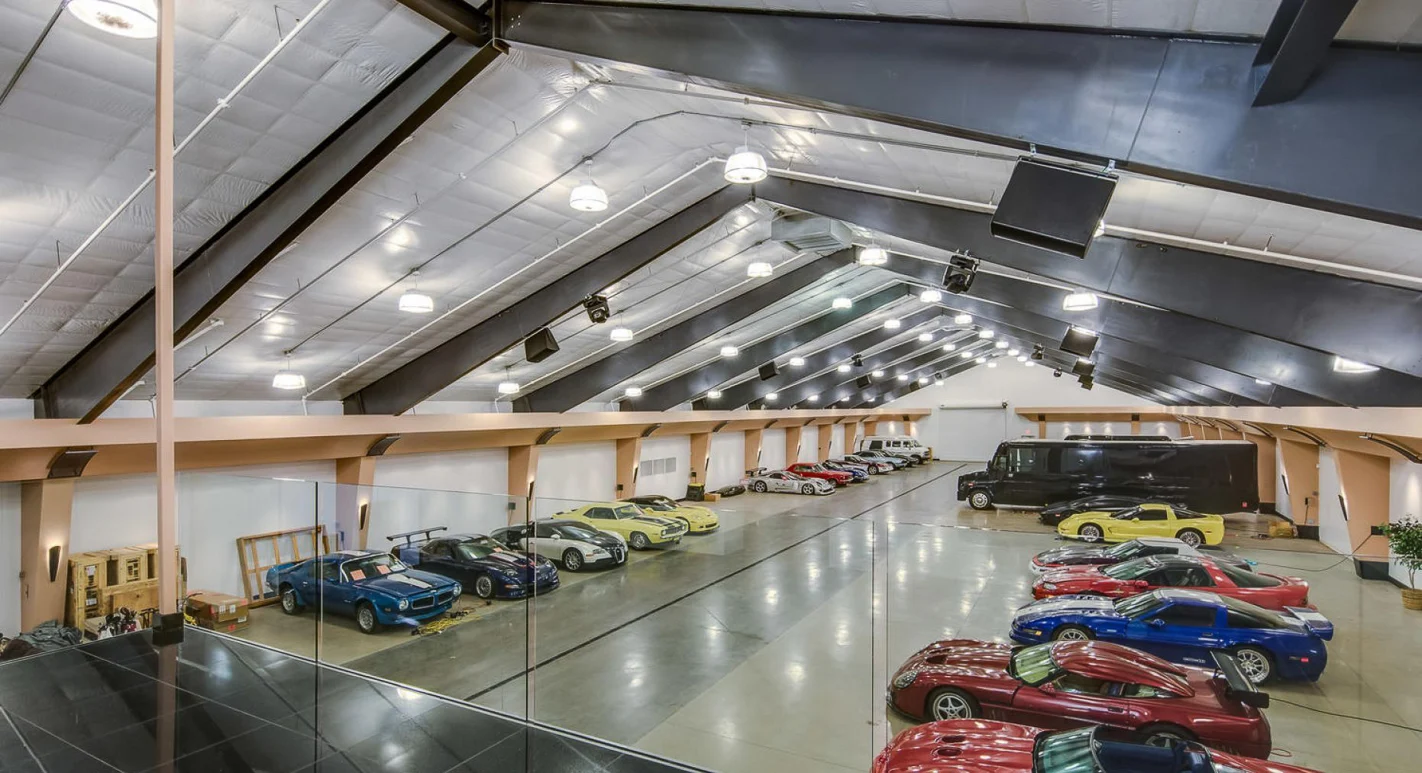
Owning rare automobiles requires more than generous parking space. Climate controlled environments regulate temperature and humidity to preserve leather, paintwork and delicate mechanical components. Advanced air filtration prevents dust accumulation, while biometric security systems, discreet surveillance networks and fire suppression technology safeguard collections worth tens of millions of pounds. These garages function more like museum conservation facilities than conventional residential spaces.
Also Read: 6 Automotive Museums Every Collector Should Visit
Cars Have Become Collectible Art
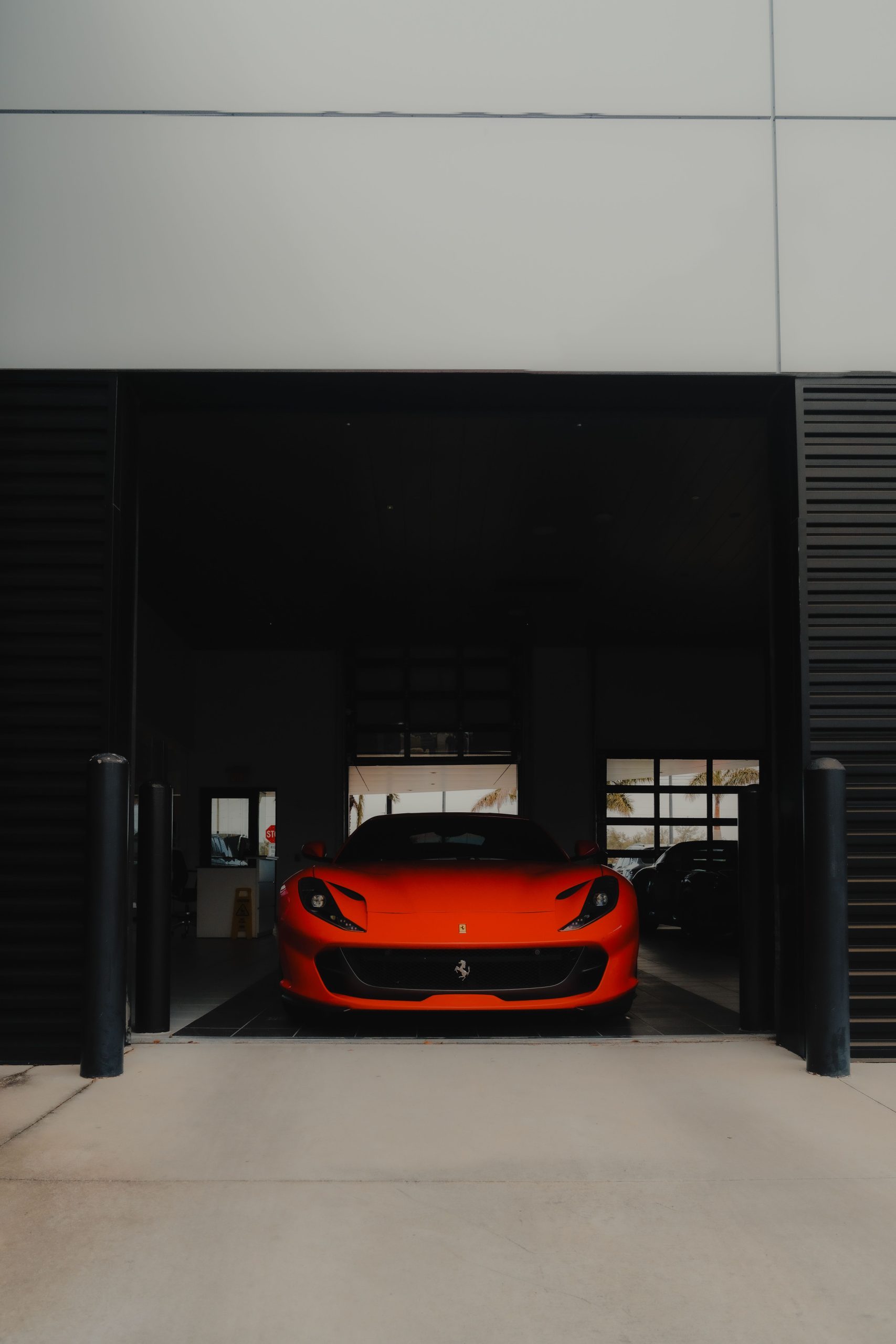
As exceptional automobiles increasingly appreciate in value, many owners view them with the same reverence traditionally reserved for paintings and sculpture. Limited production Ferraris, historic Porsches, Bugattis and McLarens are carefully illuminated, individually positioned and rotated much like masterpieces inside a private gallery. The garage has therefore evolved into an exhibition space, reflecting the growing belief that the world’s finest automobiles deserve to be displayed rather than simply parked.
The Ultimate Status Symbol Is The Space Around The Car
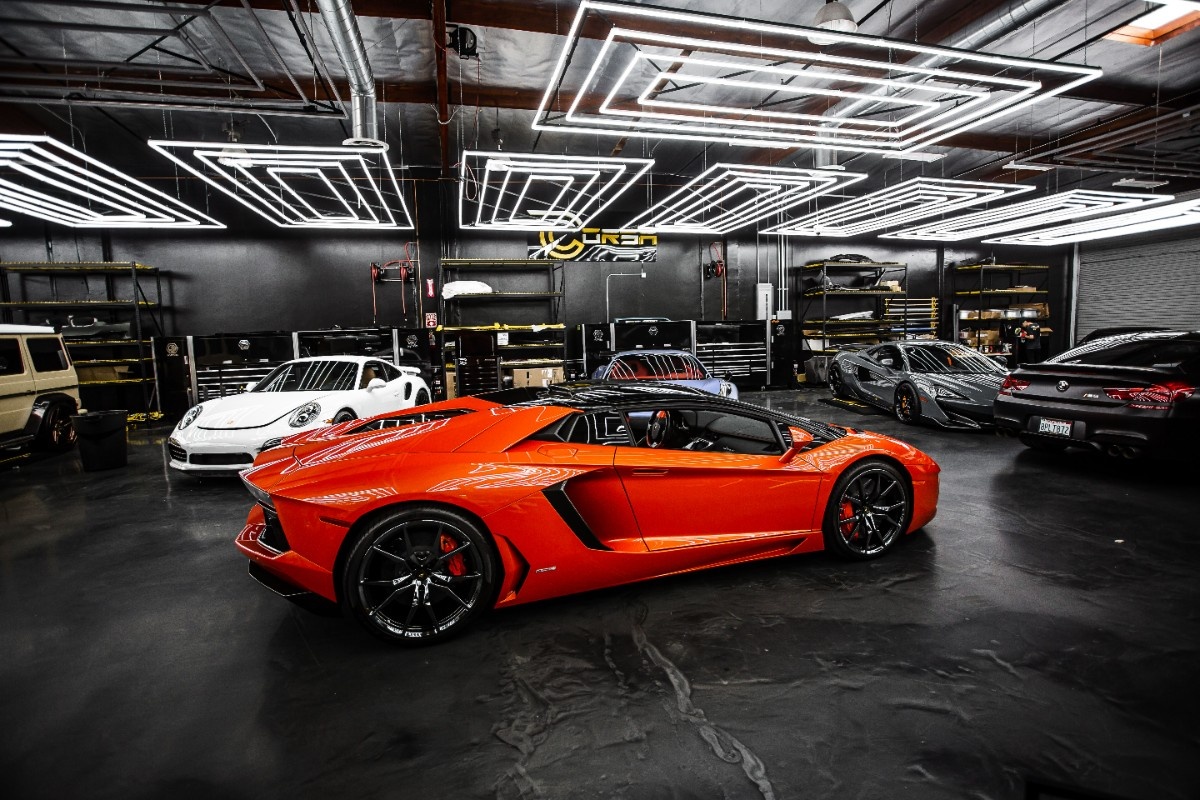
Luxury has never been solely about ownership. Increasingly, it is about presentation. A beautifully designed garage says as much about its owner as the cars it contains, demonstrating an appreciation for architecture, craftsmanship and thoughtful design alongside automotive passion. For many collectors, creating a spectacular environment for their cars has become every bit as rewarding as acquiring the vehicles themselves, proving that in today’s world of ultra luxury living, the garage is no longer an accessory to the house. It is often the house’s greatest masterpiece.