How Jura Mountains Shaped The Swiss Watchmaking Industry
Long before Switzerland became synonymous with luxury watches, the Jura Mountains created the conditions for a remarkable ecosystem of watchmakers, craftsmen and specialist suppliers
When people think of Swiss watchmaking, Geneva is usually the first name that comes to mind. It is understandable. The city has been associated with fine watches for centuries and remains one of the great capitals of horology. But the larger story of Swiss watchmaking stretches far beyond Geneva. Running along Switzerland’s western frontier, the Jura became home to a remarkable concentration of watchmakers and specialist craftsmen. What began with small workshops gradually developed into an intricate network of artisans, suppliers and manufacturers. Watchmaking was not simply an occupation here. It became an ecosystem. And perhaps that is the most interesting part of the story. Switzerland did not become a watchmaking powerhouse because one enormous factory appeared in the mountains. It happened because hundreds of specialised skills slowly found a home in the same region.
When The Mountains Became A Workshop
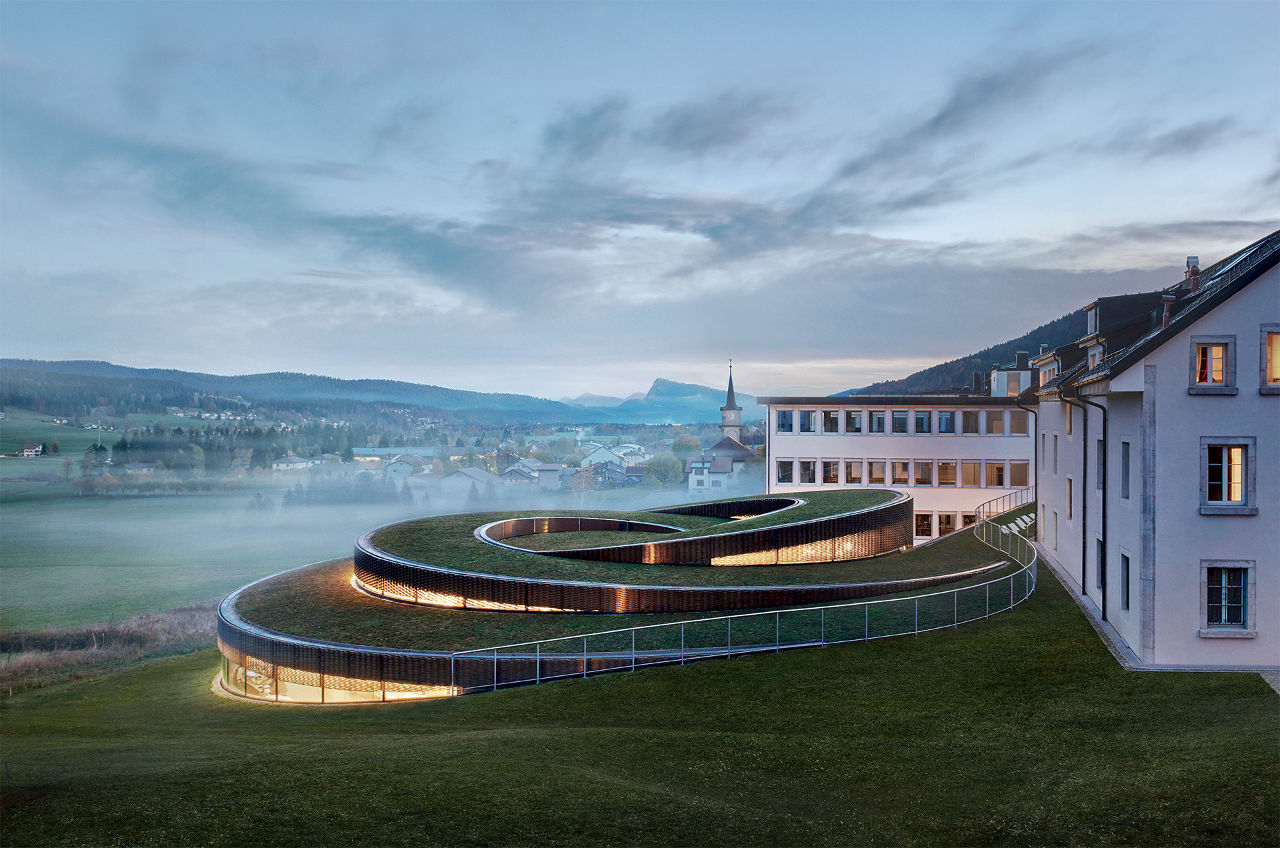
The geography of the Jura played an important role in shaping this industry. The region was mountainous, rural and, historically, not particularly well suited to large scale agriculture. Winters could also be long and demanding. For communities living in these conditions, specialised craftsmanship offered an alternative source of income. Watchmaking proved particularly suitable. A movement could be assembled from numerous tiny components, allowing different stages of production to be carried out in homes and small workshops. A farmer might work on a watch component during the quieter months, while another craftsman specialised in a different part of the mechanism. The mountains, in an unlikely way, became a workshop.
Also Read: The Porsche GT3 That Loves The Alps
The Names That Put The Jura On The Watchmaking Map
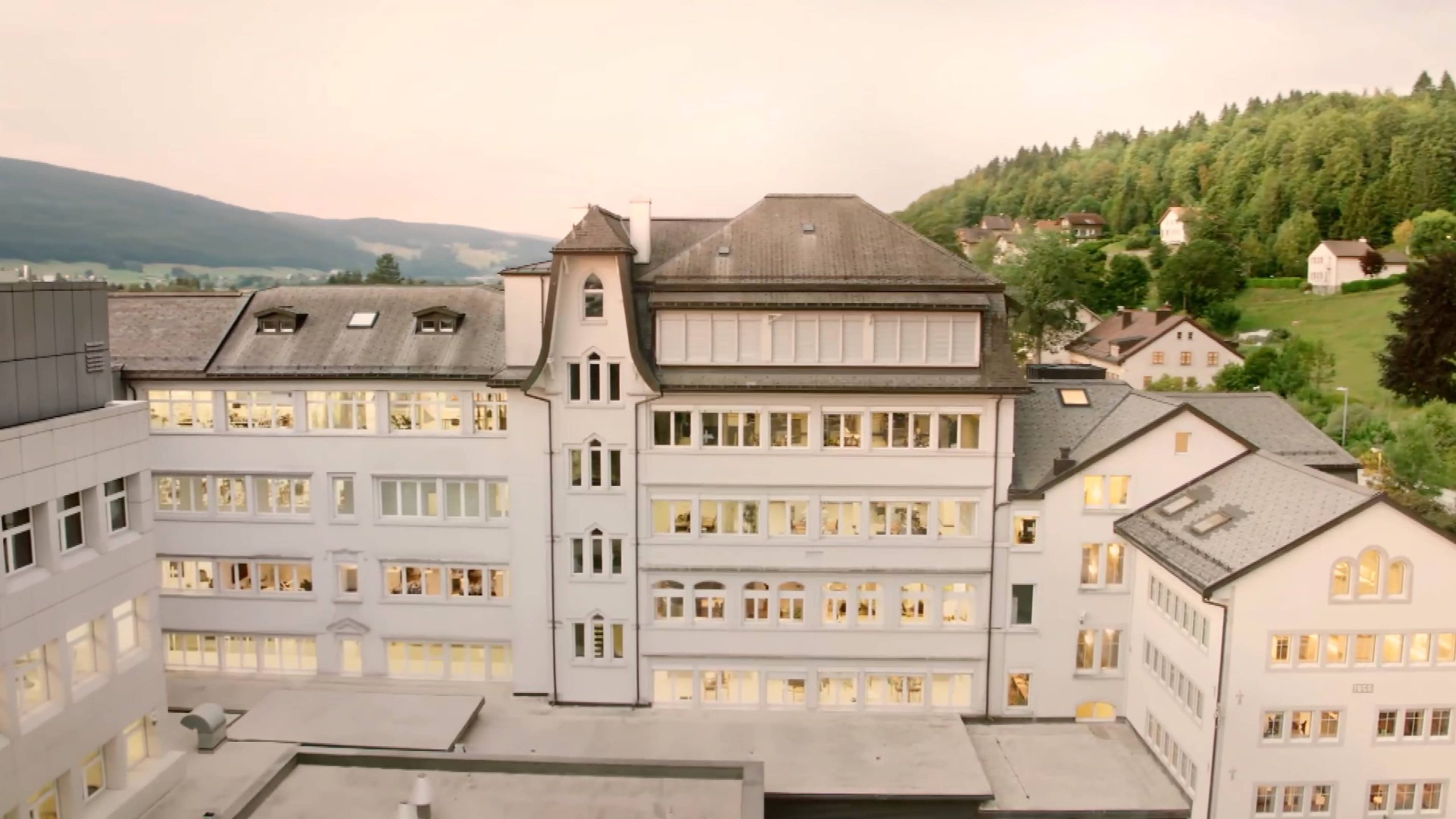
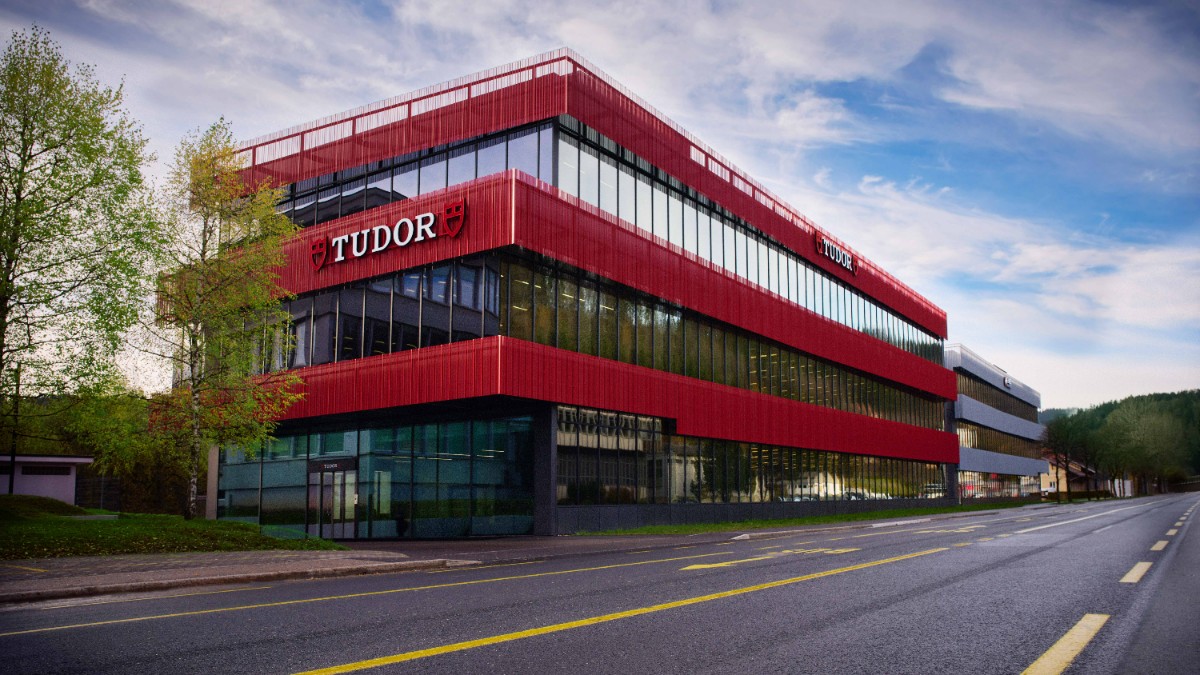
The legacy of the Jura is perhaps best understood through the watchmaking names that emerged from its valleys and towns. Audemars Piguet, founded in 1875 in Le Brassus in the Vallée de Joux, grew from precisely this environment of specialist craftsmanship. A short distance away, Le Sentier became home to Jaeger-LeCoultre, another manufacture whose history is inseparable from the Vallée de Joux. Blancpain traces its origins to 1735 in Villeret, on the edge of the Swiss Jura, while Tudor operates its high tech manufacture in Le Locle, another important watchmaking town in the Jura. Favre-Leuba, established in Le Locle in 1737, further underlines the region’s extraordinary continuity in horology. The Jura story even crosses the French border, with independent watchmaker Pequignet founded in 1973 in Morteau in the French Jura Mountains. Different brands, different histories and different approaches to watchmaking, yet all connected by the same mountainous geography and the culture of specialised craftsmanship that the Jura helped nurture. Parmigiani Fleurier, based in Fleurier in the Val de Travers district of the Swiss Jura, adds another chapter to the region’s continuing legacy of independent and highly specialised watchmaking.
From Watchmakers To Specialists
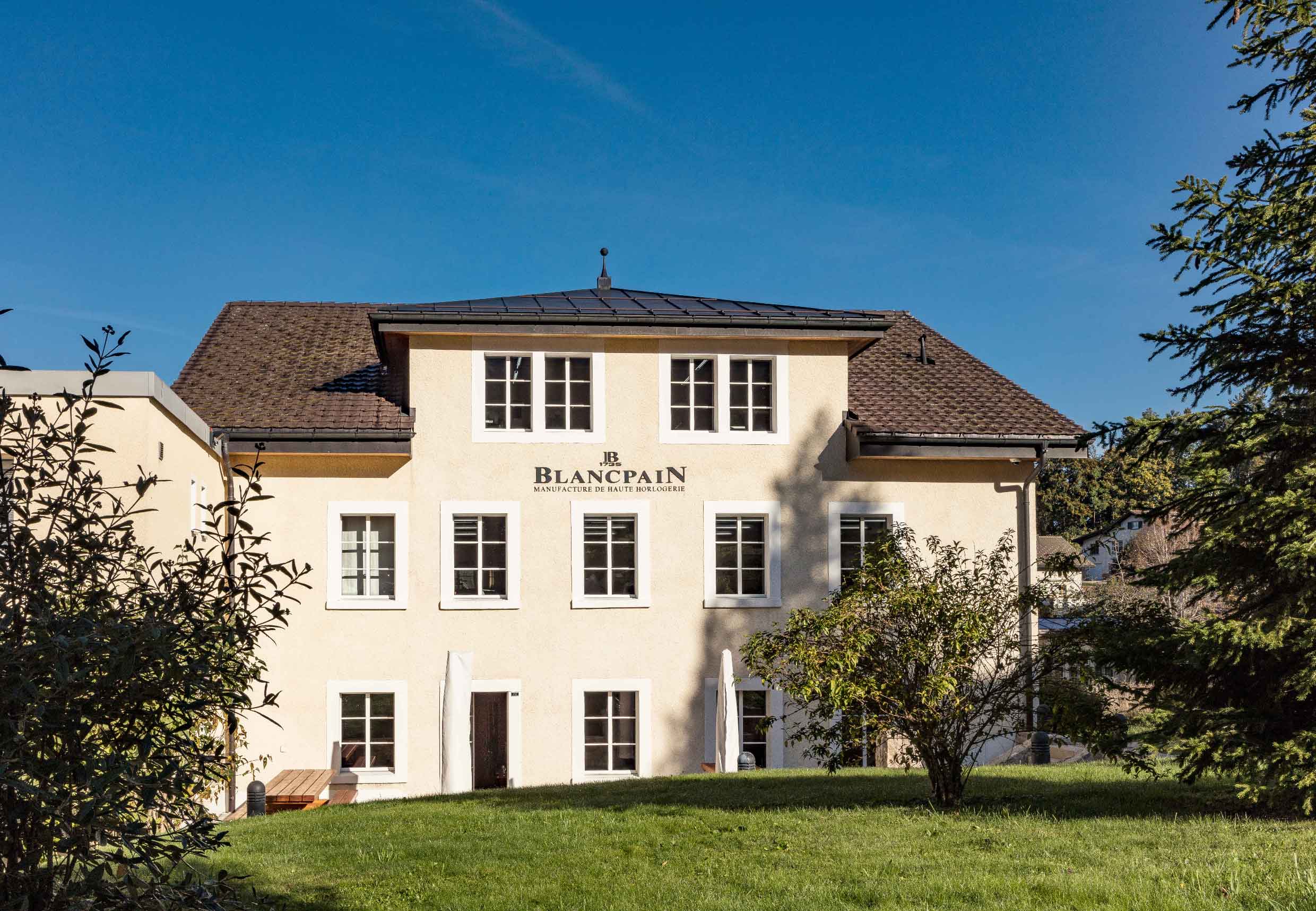
As demand for Swiss watches grew, the Jura developed something that would eventually become one of its greatest advantages: specialisation. One craftsman could concentrate on movements. Another could produce cases. Someone else might work on dials, hands, springs or finishing. Over generations, these skills became increasingly refined. This created a network in which watchmaking was no longer the work of one individual alone. It became a collective discipline. The distinction is important. The genius of Swiss watchmaking has never rested solely on the person assembling the final watch. It has also depended on the extraordinary number of specialists capable of producing the individual elements that make a mechanical timepiece possible.
Generations Of Knowledge
The Jura’s greatest asset eventually became something that cannot easily be manufactured: accumulated knowledge. Skills were passed from one generation to another, with techniques refined through repetition and experience. Families became associated with particular crafts, while villages and towns developed reputations for specific forms of expertise. This created an environment where craftsmanship could become extraordinarily precise. A young watchmaker was not simply learning how to assemble a watch. He or she was entering an existing culture of mechanical knowledge, surrounded by people who understood everything from tiny components to intricate finishing techniques. That continuity helped create the foundation for Swiss mechanical watchmaking.
The Rise Of A Watchmaking Ecosystem
Over time, the Jura’s scattered workshops evolved into a sophisticated industrial ecosystem. Manufacturers could rely on a deep pool of skilled workers and specialist suppliers, while suppliers themselves benefited from being close to watchmaking companies and other craftspeople. The result was a virtuous circle. More watchmaking created more specialist skills. More specialist skills encouraged further watchmaking. And as the industry expanded, the region’s reputation became stronger. This ecosystem remains fundamental to Swiss horology today. Even as modern manufacturing has transformed how watches are produced, the relationship between specialist craftsmanship and mechanical watchmaking continues to define much of the Swiss industry’s identity.
Also Read: How Favre Leuba Rose, Fell And Found Its Way Back To Swiss Watchmaking
Why The Jura Still Matters
The Jura Mountains are now home to some of the world’s most important watchmaking centres and manufacturers. Yet their significance goes beyond the names printed on watch dials. The region represents an unusual combination of geography, history and human skill. It is a reminder that luxury watchmaking was not created overnight and certainly was not created by machinery alone. It emerged from generations of people learning how to work with increasingly tiny tolerances, increasingly complex mechanisms and increasingly demanding standards. The mountains provided the setting. The craftsmen provided the knowledge. And together, they created one of the world’s most enduring watchmaking cultures.
There is a certain irony to the story. Switzerland’s modern reputation for precision and luxury is often associated with polished boutiques, Geneva salons and beautifully presented complications. Yet much of that legacy traces its roots to a far quieter landscape. The Jura Mountains turned isolation into opportunity and craftsmanship into an industry. That is why the story of Swiss watchmaking cannot really be told through cities alone. To understand the mechanical watches that emerge from Switzerland today, it is worth looking towards the mountains where generations of craftsmen helped turn timekeeping into an art.