International Music Day: How Audemars Piguet Brings Music And Watchmaking Together
For Audemars Piguet, music and watchmaking share more than precision. Both are built on patience, creativity, technical mastery and the ability to turn time into an emotion
There is something instinctively familiar about music and watchmaking. One is heard, the other is observed, yet both depend on rhythm, precision and an extraordinary amount of patience. A movement assembled by hand and a composition performed on stage may appear to belong to entirely different worlds, but for Audemars Piguet, the connection has always been clear. The Swiss Manufacture has built its relationship with music around this shared creative spirit. Through its Music Programme, Audemars Piguet brings artists, watchmakers, craftspeople and members of its global community together, creating encounters that extend beyond the traditional boundaries of luxury watchmaking. The idea is less about putting a watch brand next to a musician and more about exploring what happens when two disciplines built around human talent begin a conversation. That philosophy is captured in the Manufacture’s belief that no one shapes time alone.
Where Craft Meets Creativity
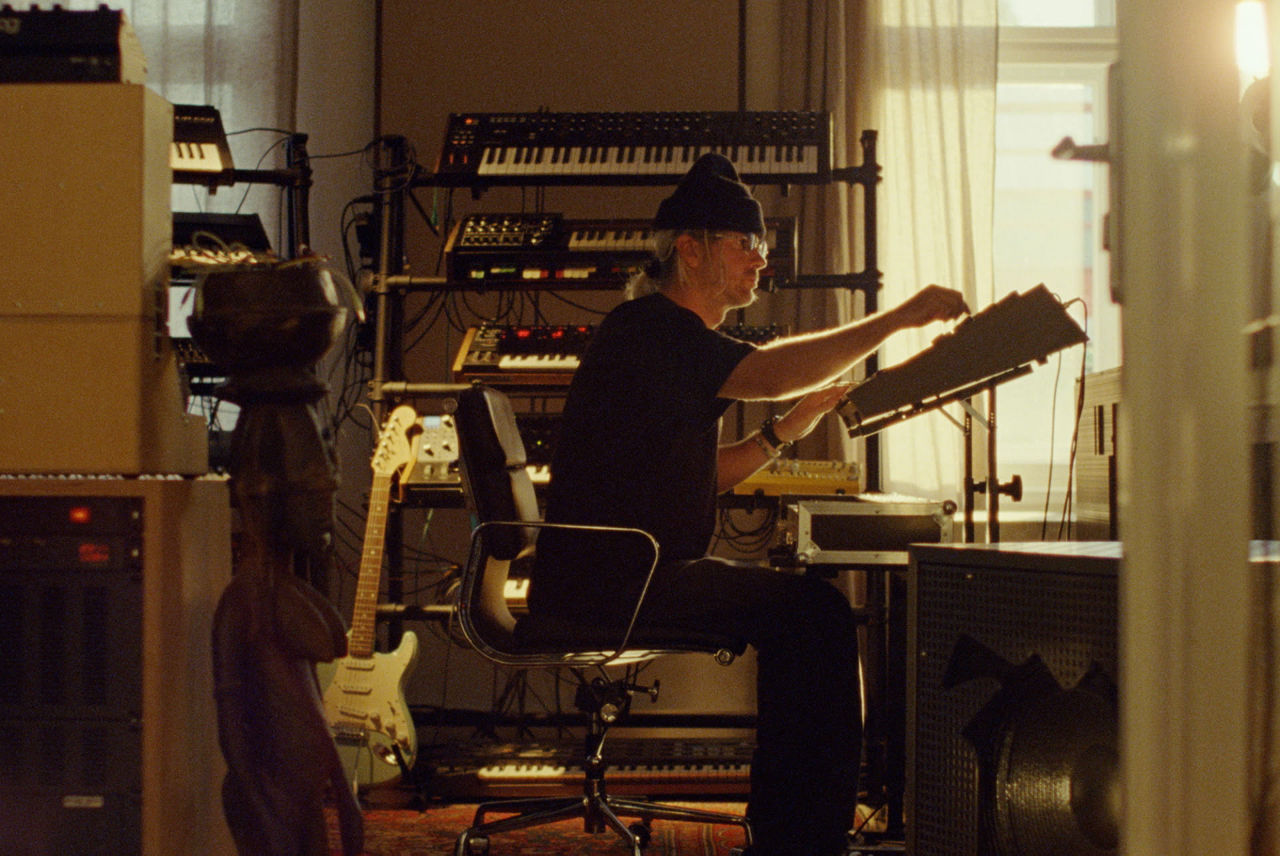
At the heart of Audemars Piguet’s approach is an appreciation for the people behind the finished creation. A watchmaker can spend hours, days or even longer perfecting a tiny component that may barely be visible once a movement is assembled. A musician can similarly spend years developing a sound, refining technique and searching for a moment when a performance feels completely right.
Both disciplines demand repetition, experimentation and an almost obsessive relationship with detail. Audemars Piguet’s craftspeople and watchmakers continue to work within centuries old traditions while experimenting with new techniques, materials and forms. Musicians operate in much the same way, taking established genres and pushing them into unexpected territory. The Manufacture’s Music Programme provides a platform for these parallel creative journeys to meet.
RAYE And The Montreux Jazz Festival
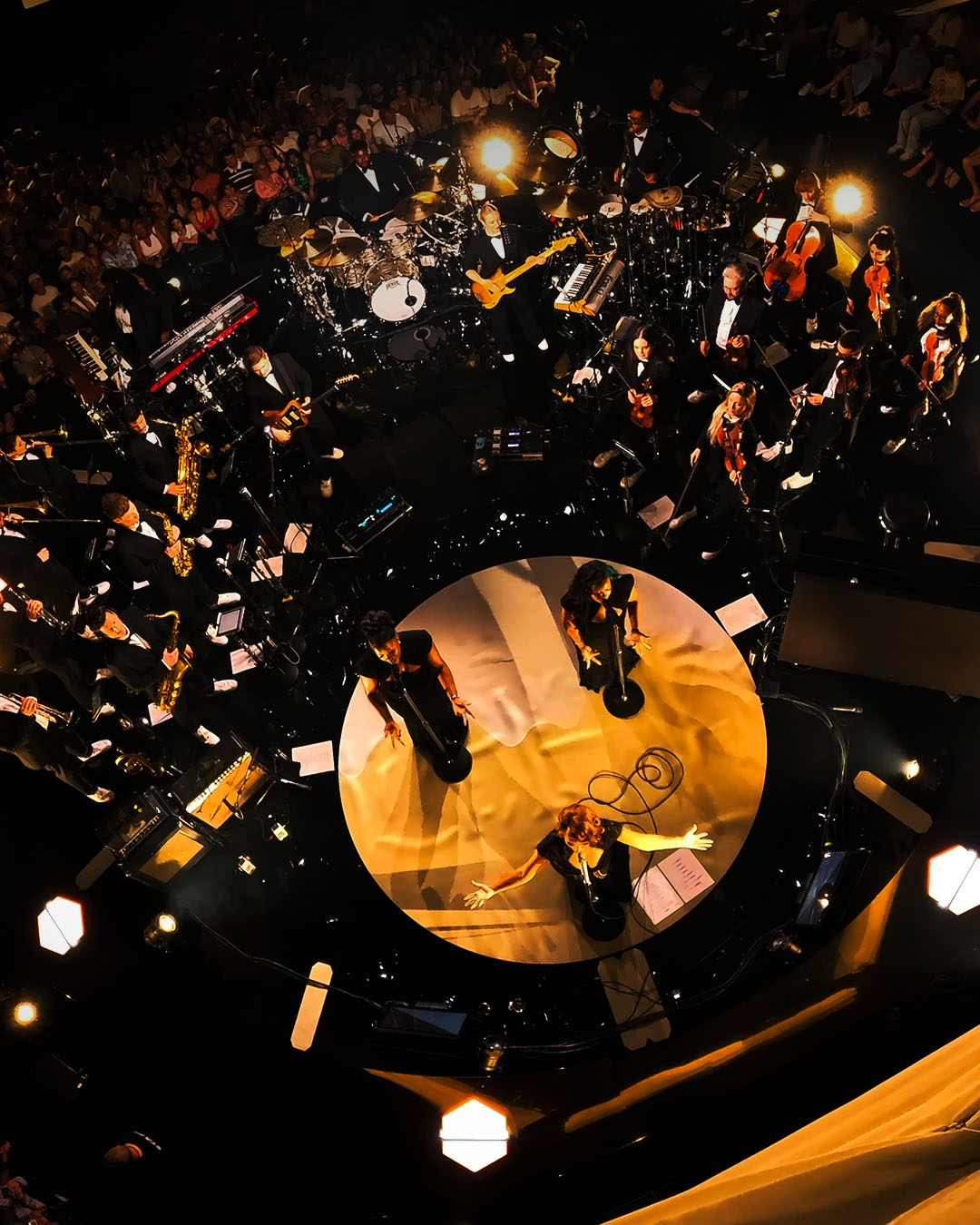
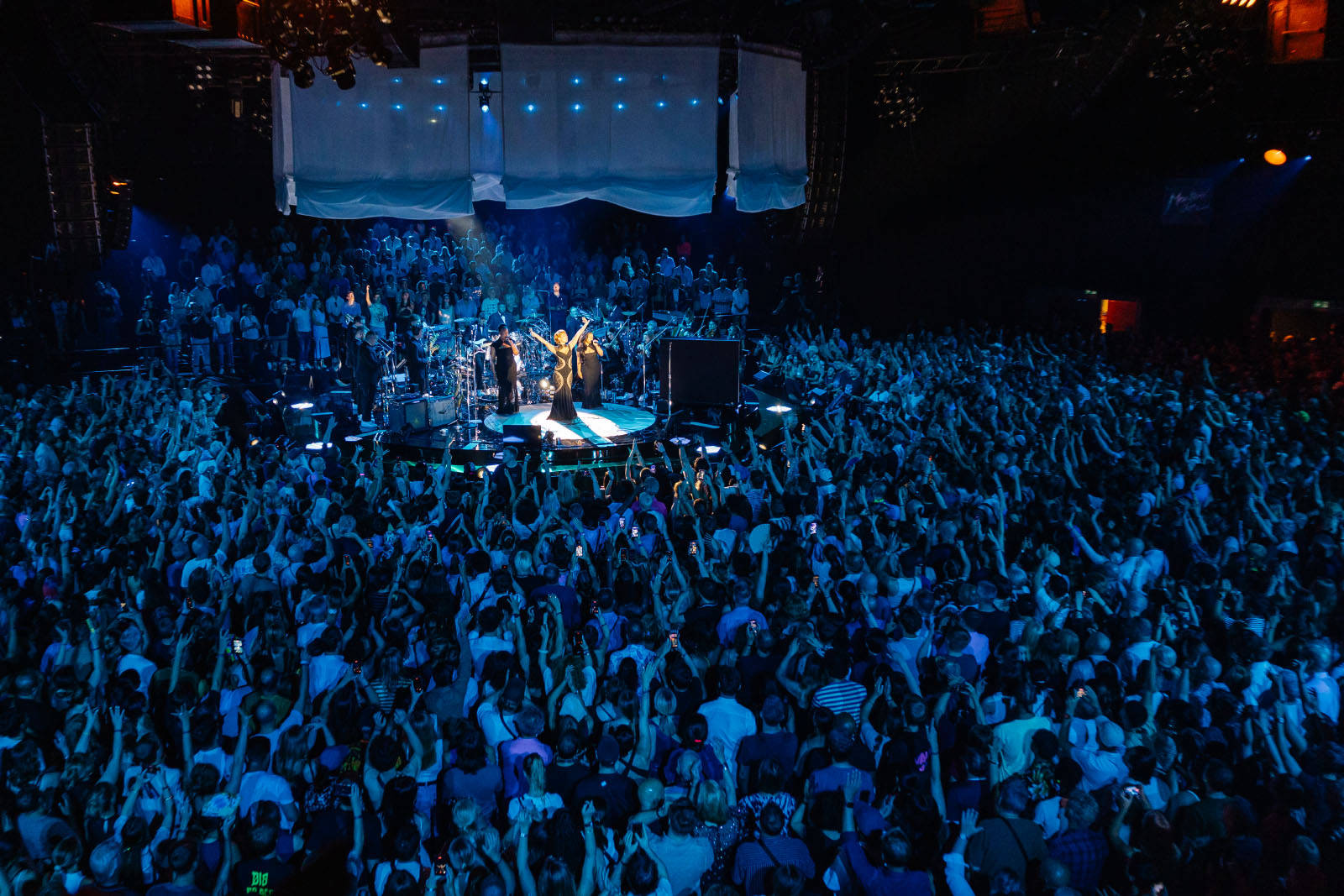
One of the most significant expressions of this philosophy is Audemars Piguet’s longstanding relationship with the Montreux Jazz Festival. The partnership brings together two institutions with a shared appreciation for creativity, heritage and the power of live performance.For the Festival’s 60th anniversary, RAYE returned to Montreux for its opening night with an intimate live performance co created with Audemars Piguet. Titled THIS STAGE MAY CONTAIN MOMENTS IN TIME, the performance was conceived as an important chapter in RAYE’s artistic journey, reflecting years of dedication and perseverance. The setting was significant. Montreux has spent decades establishing itself as a destination where musical history and contemporary creativity meet. For Audemars Piguet, it offers a natural environment in which the Manufacture can explore its own relationship with artistic expression.
Also Read: World Coffee Day: Top 5 Most Expensive Cafes In The World For An Unforgettable Coffee Experience
Syncing Sounds With Mark Ronson And RAYE
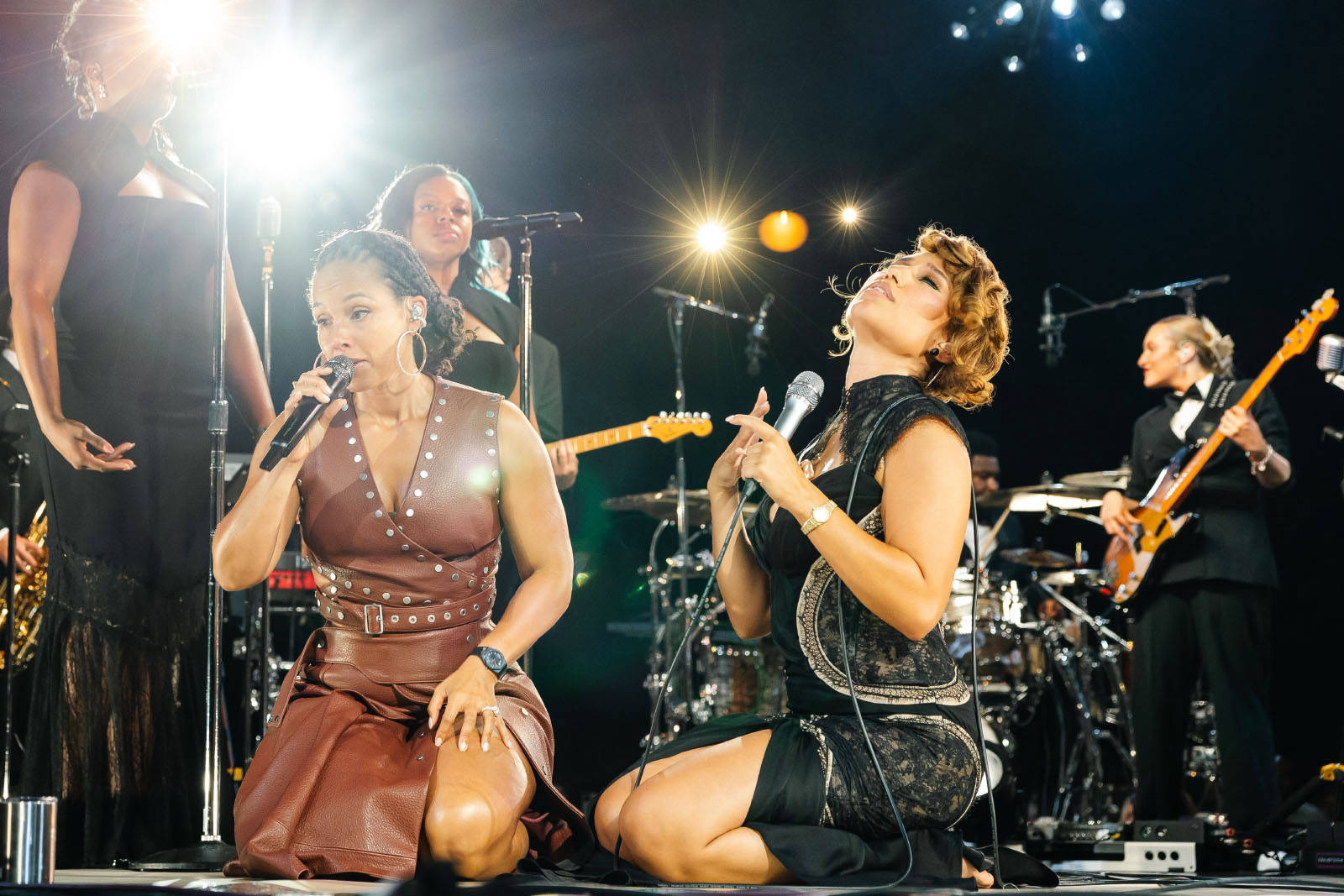
The relationship between Audemars Piguet and music becomes even more collaborative through Syncing Sounds. Originally launched with Mark Ronson in 2022, the programme focuses on the creative process itself and the people who make music possible. For its 150th anniversary, Audemars Piguet expanded this creative universe with Mark Ronson and RAYE, creating a dedicated soundtrack that brings together two artists with very different musical identities.
Rather than treating music simply as an entertainment platform, Syncing Sounds explores the process behind creation. That distinction matters. Just as a finished Royal Oak or a complicated movement represents countless hours of development, a finished song represents the accumulated work of composers, producers, musicians and performers. The collaboration therefore becomes less about celebrity and more about craftsmanship.
Taking The Stage At Montreux
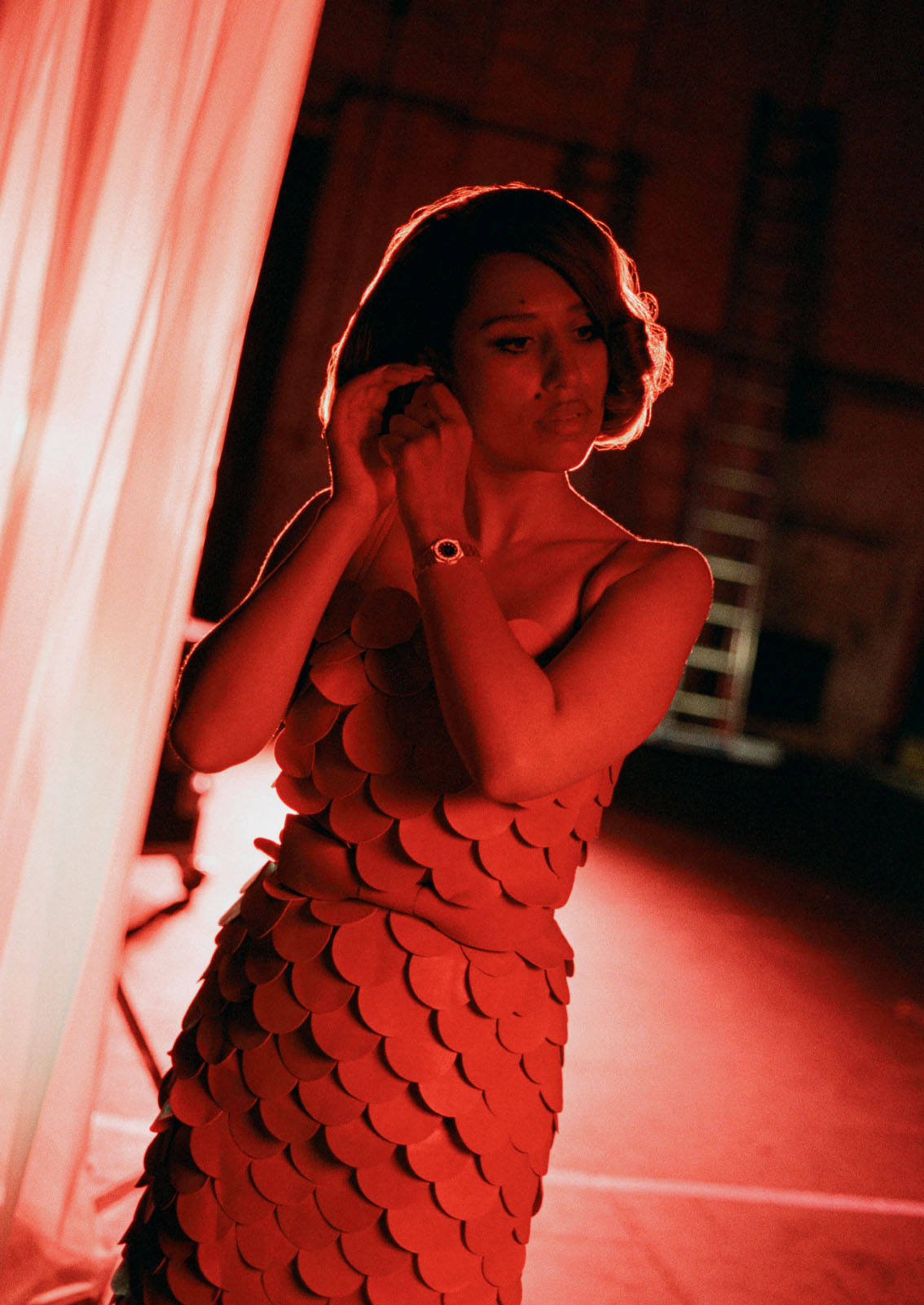
The second year of Audemars Piguet’s collaboration with Mark Ronson took the relationship further, with Ronson invited to create a unique collaborative show to close the Montreux Jazz Festival. It was another example of the Manufacture using music as a space for experimentation. The stage becomes an extension of the workshop: a place where ideas are tested, combined and transformed into something that exists only in that particular moment.
This idea of fleeting experiences has an obvious connection to watchmaking. A mechanical watch continuously records the passing of time, while a live performance exists only once. Both, however, make people conscious of time.
Also Read: Fashionable Gastronomy: How Luxury Fashion Houses Are Turning Cafés Into Brand Experiences
From Jazz To Electronic Music
Audemars Piguet’s musical universe extends well beyond jazz and contemporary pop. Its collaboration with Keinemusik explores the emotional and technical dimensions of electronic music, following the DJ collective’s creative process and its approach to timing. The partnership highlights another shared characteristic between music and watchmaking: precision does not necessarily mean rigidity. Timing can be exact while still leaving room for instinct, improvisation and emotion. The Manufacture has also explored emerging talent through 180, a five episode miniseries built around an unconventional challenge involving five groups of rising music artists. Each episode, directed by a different filmmaker, examines creativity from a different perspective.
For Audemars Piguet, music has consequently become more than an association. It is a way of expressing the values that sit behind its watches: patience, technical expertise, individuality, experimentation and human connection. On International Music Day, that connection feels particularly fitting. A watch measures time mechanically, while music gives it emotional meaning. One can be dismantled into components and studied down to the smallest detail; the other can be broken down into notes, rhythms and harmonies.
Yet neither exists purely through technique. And that is perhaps the most interesting part of Audemars Piguet’s musical journey. By bringing musicians and watchmakers into the same creative conversation, the Manufacture is not simply placing two forms of craftsmanship side by side. It is exploring the space between them, where precision becomes expression, tradition meets experimentation and time becomes something that can be heard, felt and remembered.