London Named World’s Best City For 2026: What Makes The Capital A Global Favourite
For the 11th year in a row, London tops Resonance's ranking, ahead of New York and Paris, thanks to centuries of history, world-class culture, vibrant neighbourhoods and a food scene that brings the world to one city
Some cities have a skyline. London has a legacy. It is the kind of place where a medieval church stands beside a glass tower, where a royal procession passes a street-food market, and where every neighbourhood seems to hold a different century. That mix of old and new has earned it a remarkable distinction: London has been named the world’s best city for 2026 for the 11th year in a row in Resonance Consultancy’s annual World’s Best Cities ranking, ahead of New York in second place and Paris in third. A decade of success in a ranking that scrutinises cities from every angle is no accident. It is the result of a place that keeps reinventing itself while staying unmistakably London.
How the Ranking Works
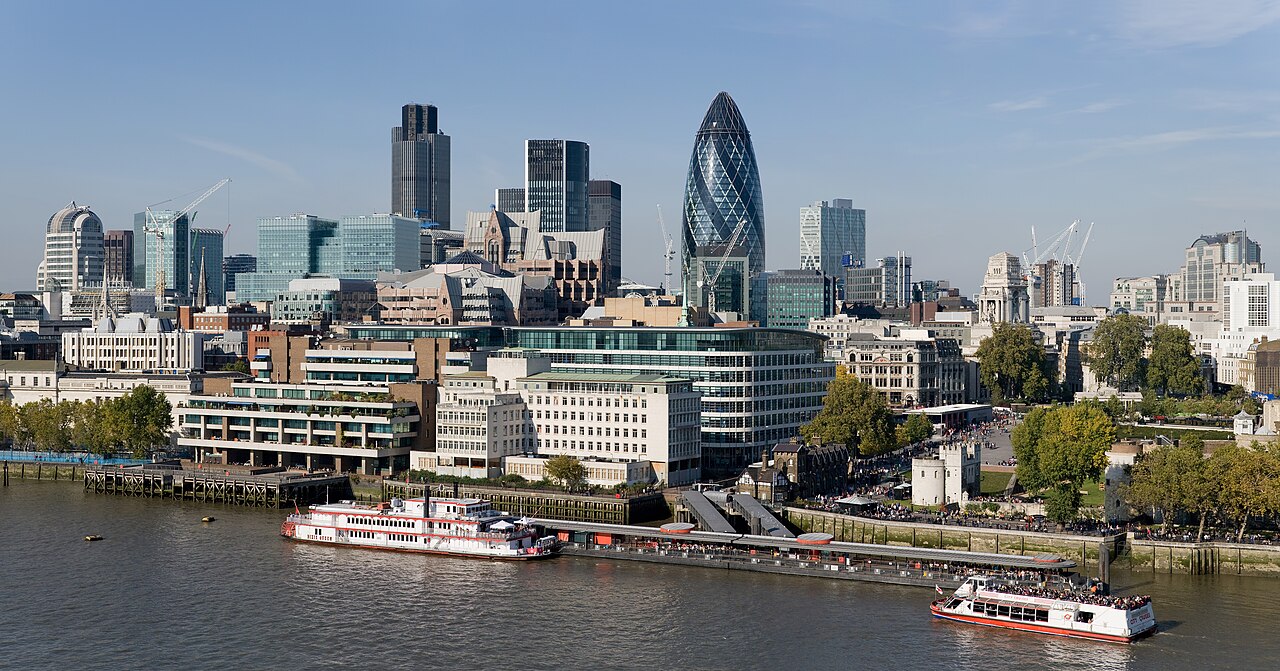
Resonance’s report assesses more than 270 global cities with populations above one million, combining performance data with global perception. Sources include Google, Instagram and TikTok, and the 2026 edition adds a survey by Ipsos of more than 21,000 respondents across 30 countries. Cities are scored on three pillars: livability, which covers things like green space, public transport and clean air; lovability, which looks at culture, nightlife and attractions; and prosperity, which measures economic strength. London ranks third for livability, second for lovability and first for prosperity, a combination that no other city matched.
Also Read: Places That Look Like A Dream: The World’s Most Extraordinary Luxury Destinations
A City Built on History
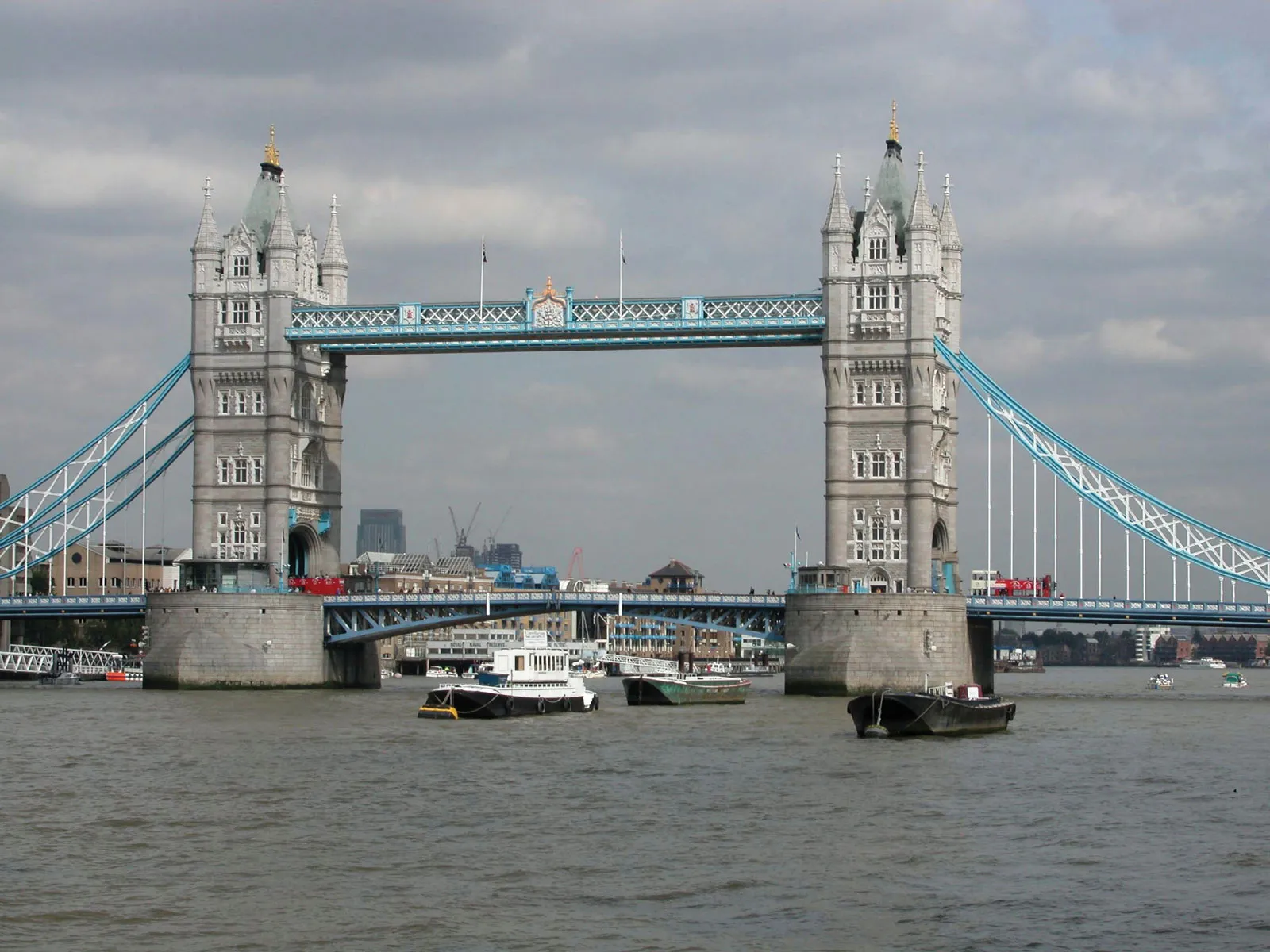
London’s appeal begins with time. Centuries of history are woven into its streets, from ancient landmarks and royal palaces to the Thames, which has shaped the city’s story since Roman times. Few capitals offer such an easy walk through the ages. A single afternoon can take a visitor from a Tudor-era church to a modern art gallery and a rooftop with a skyline view. That layering gives the city a depth that newer metropolises struggle to match.
World-Class Museums and Culture
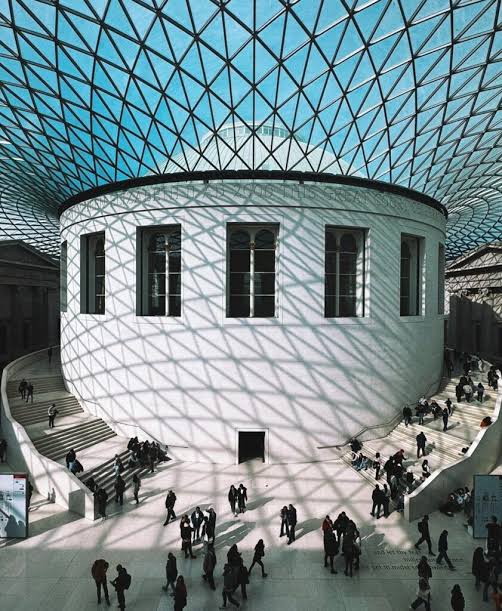
Culture is where London truly shines. Its museums and galleries, many of them free to enter, house collections that span the globe, and its theatres, concert halls and music venues keep the calendar full. Whether it is a blockbuster exhibition, a West End show or a gig in a small club, the choice is endless. This richness explains the city’s high ranking for lovability, and it keeps repeat visitors coming back to see something new.
London is really a collection of villages, each with its own character. There are leafy squares and Georgian terraces, canal-side markets, street-art corners and riverside walks. Moving between them feels like travelling between small towns without ever leaving the city. That variety means visitors can build a trip around their taste, whether they want grand architecture, creative energy or quiet green space.
A Food Scene That Brings the World to One City
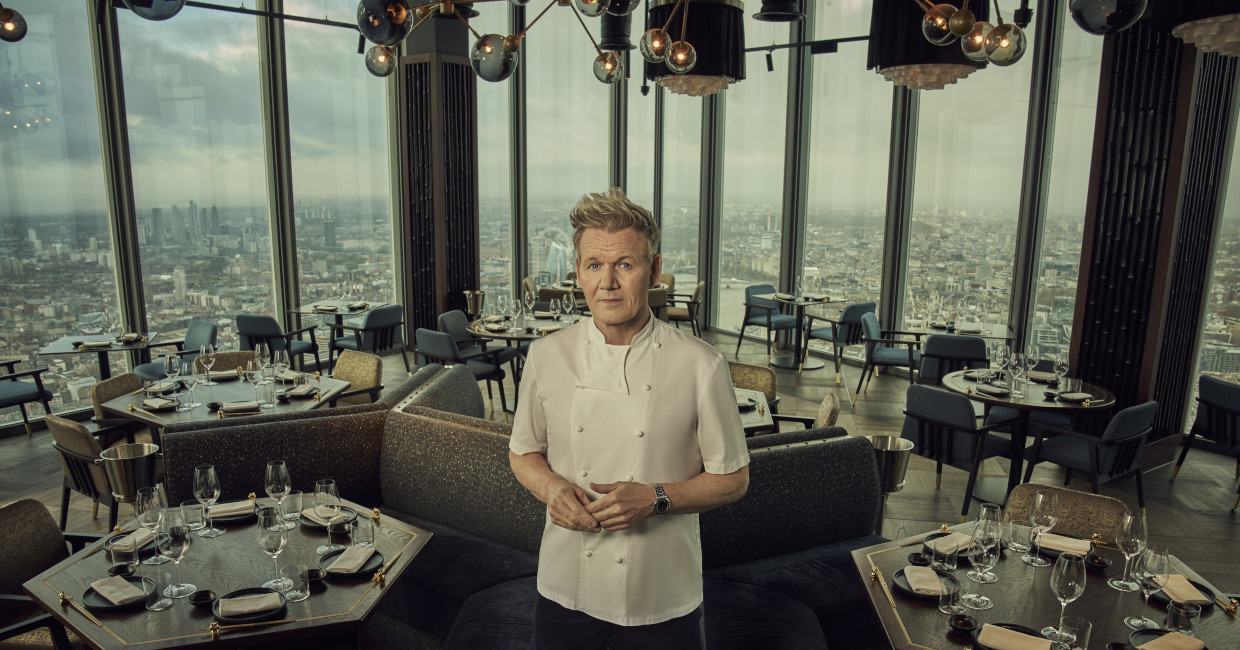
London’s restaurants reflect the many communities that call it home. Visitors can move from a traditional pub to a world-famous curry house, from a Michelin-starred dining room to a market stall selling food from a dozen countries. The city’s multicultural character shows most clearly at the table, and that diversity has helped turn London into one of the great dining capitals.
The city’s strong score for prosperity is backed by economic momentum. London has recorded a near $5 billion (£3.8 billion) increase in travel spending from 2023 to 2024, and the city’s promotional body has pointed to record-breaking scaleups going global and almost £10 billion in planned investment in its experience economy. As London & Partners chief executive Laura Citron put it, London is a city of constant reinvention.
And the Weather?
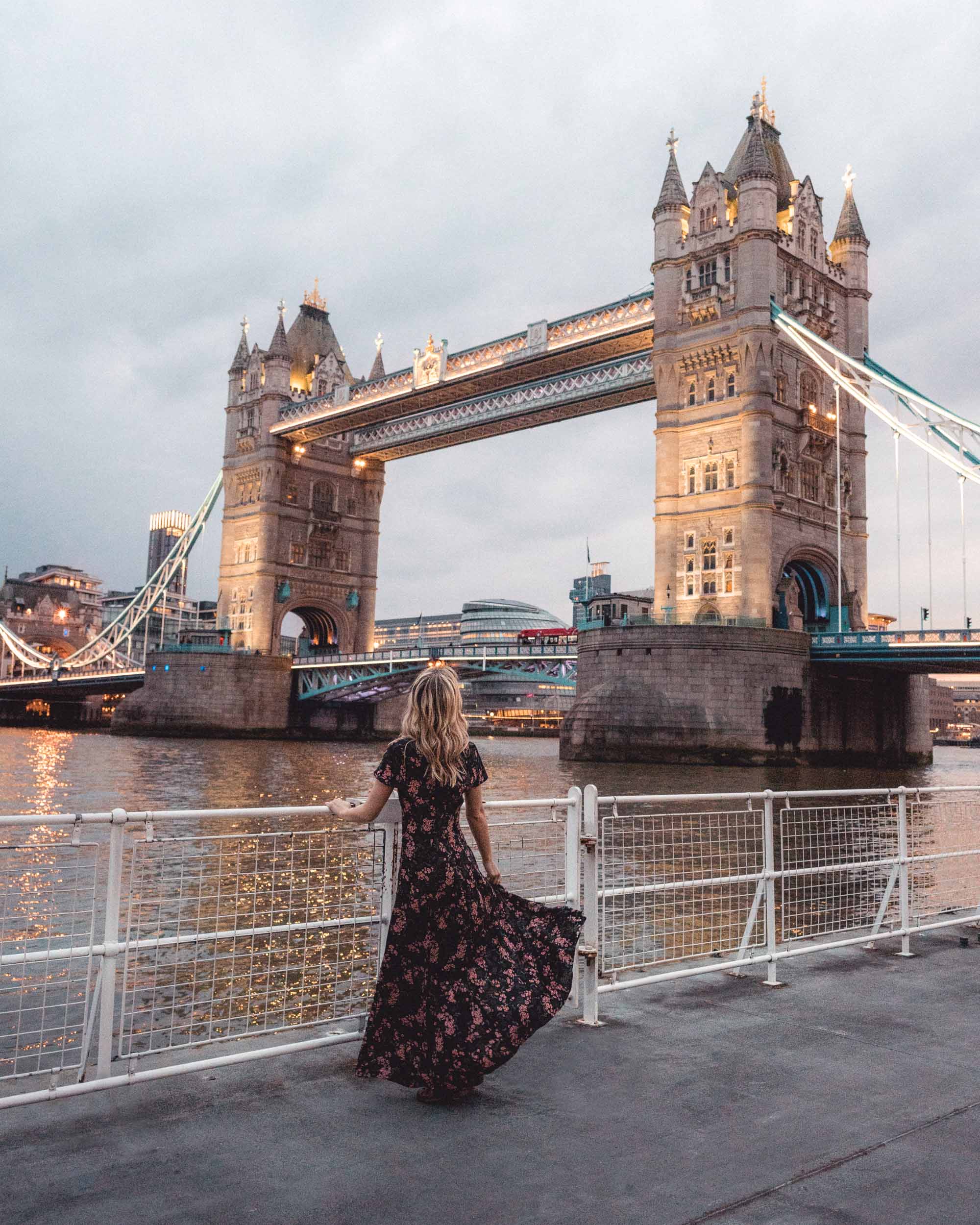
No portrait of London is complete without mentioning the weather. It is unpredictable, often grey and famously prone to sudden rain. Yet even this has become part of the city’s charm, giving rise to cosy pubs, covered markets and the national habit of carrying an umbrella. Despite the drizzle, the ranking suggests visitors and residents alike are willing to forgive it.