The Art of Exclusivity: Inside the World’s Finest Private Clubs
Behind centuries old traditions and modern architectural masterpieces lies a world reserved for an extraordinary few, these private clubs continue to set the global benchmark for exclusivity
Luxury has always loved a velvet rope. Sometimes it appears outside a Michelin-starred restaurant, sometimes outside a Monaco superyacht, and sometimes behind the oak doors of a private club where the waiting list is longer than the ownership list for a Ferrari Daytona SP3. These are places where billion-dollar deals are whispered over whisky, friendships are forged without social media, and the dress code is often stricter than airport security. You cannot simply book a table, flash a platinum card, or arrive in a chauffeur-driven Rolls-Royce expecting the doors to swing open. Membership here is a privilege built on pedigree, discretion, and influence. For centuries, private clubs have served as sanctuaries for royalty, industrialists, artists, entrepreneurs, and global tastemakers. They remain the last bastions of old world exclusivity, even as a younger generation redefines what prestige looks like. Outlook Luxe takes a look inside five of the world’s finest private clubs.
White’s, London
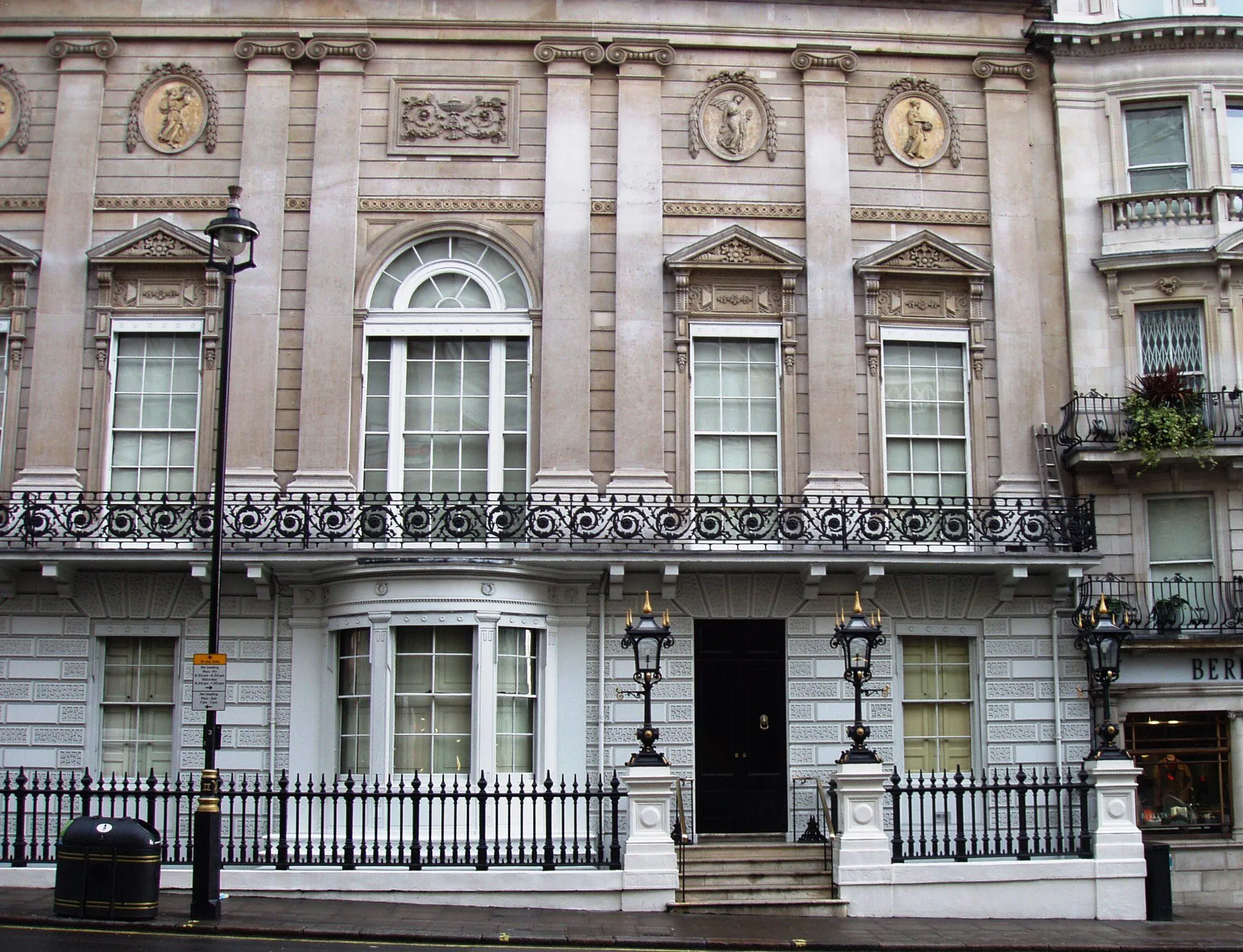
Founded in 1693, White’s is widely regarded as Britain’s oldest and most exclusive gentlemen’s club. Situated on St James’s Street, it has counted kings, prime ministers, aristocrats, and members of the British royal family among its ranks. The club has become synonymous with tradition, where strict dress codes, understated elegance, and privacy remain paramount. Its historic interiors feature wood-panelled rooms, portraits of distinguished members, and one of London’s most celebrated dining rooms. Membership is by invitation only and notoriously difficult to obtain, with prospective members often waiting years before receiving approval. Even in an age of digital networking, White’s continues to represent the enduring appeal of old world exclusivity.
Also Read: Luxury Beyond Money: Top 5 Experiences Reserved For The Exceptional
Zero Bond, New York City
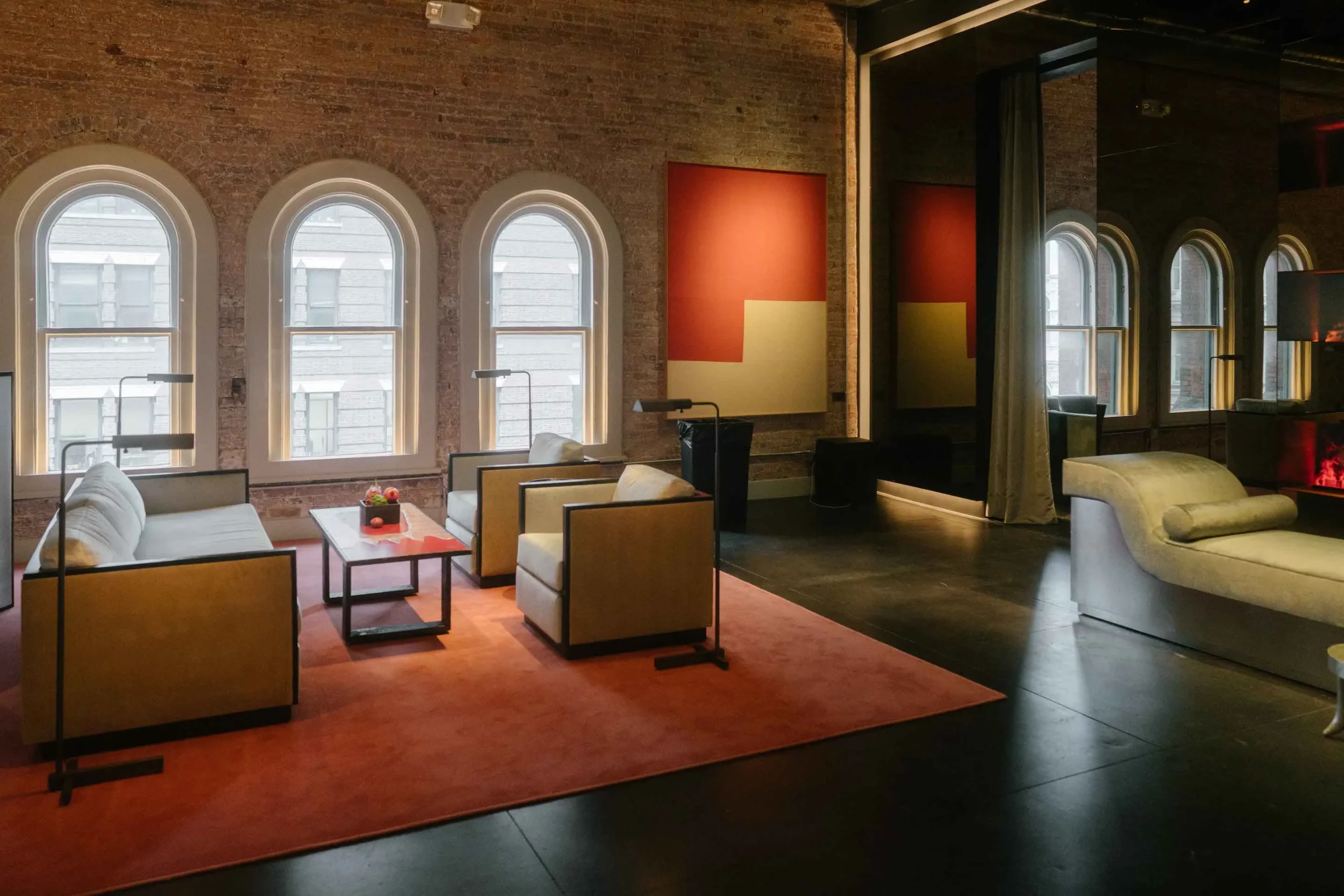
While White’s celebrates history, Zero Bond represents the modern face of private membership. Located in Manhattan’s NoHo district, it has rapidly become one of New York City’s most coveted addresses for entrepreneurs, creatives, celebrities, and technology leaders. The club combines contemporary interiors with carefully curated dining, wellness, private meeting spaces, and cultural programming. Its reputation has been built not only on luxury but also on discretion, attracting high-profile personalities seeking a refined environment away from public attention. Rather than relying on centuries of legacy, Zero Bond has created exclusivity through carefully vetted membership and a community centred on influence, innovation, and contemporary culture.
Also Read: The Elite Table: Restaurants Where Reservations Are Nearly Impossible
Roppongi Hills Club, Tokyo
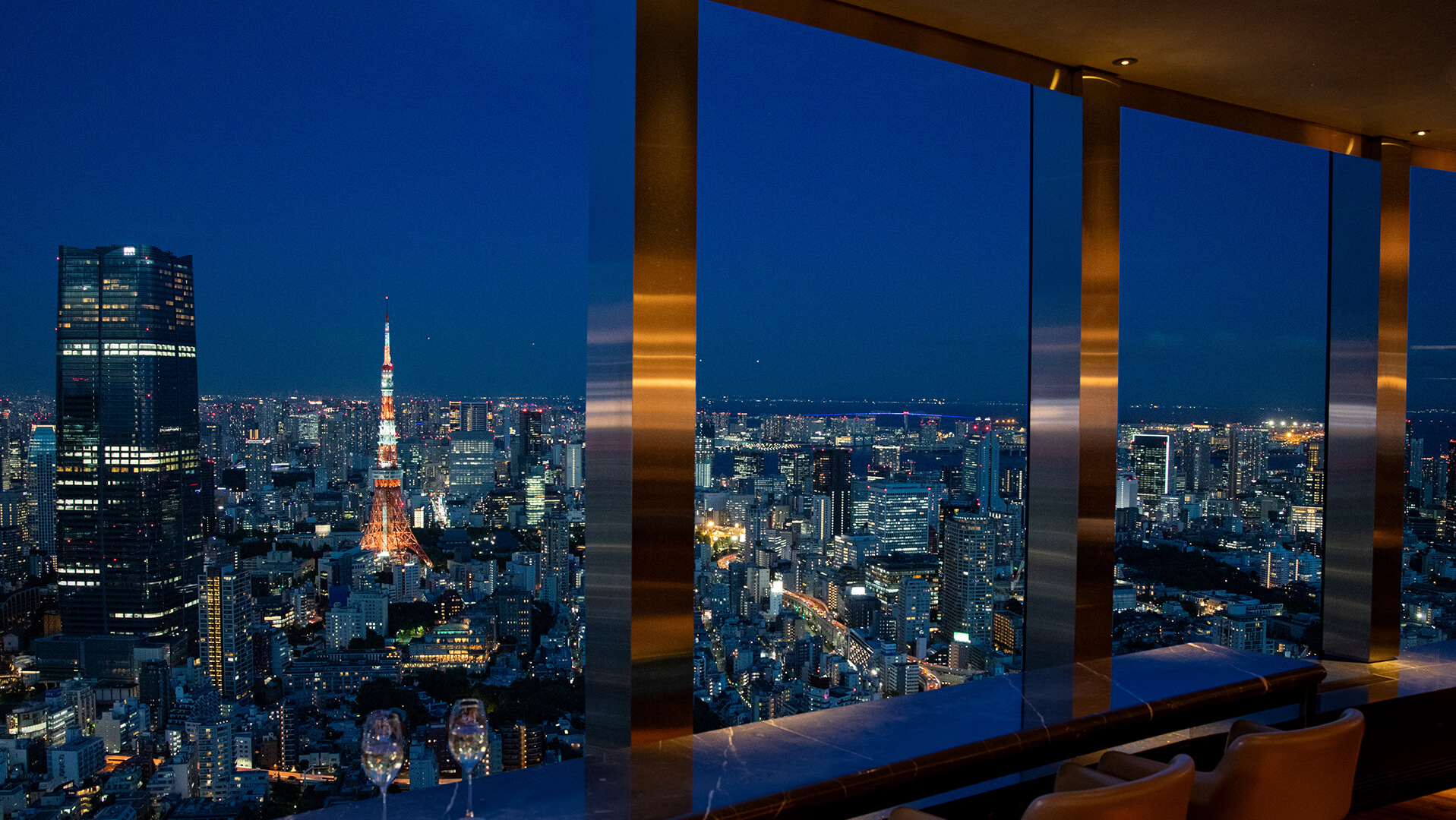
Occupying the upper floors of Tokyo’s iconic Mori Tower, Roppongi Hills Club offers panoramic views of one of the world’s most dynamic cities. Designed primarily for business leaders and international executives, the club combines Japanese hospitality with global sophistication. Multiple fine dining venues, elegant lounges, wine cellars, fitness facilities, and private event spaces create an environment where commerce and leisure coexist effortlessly. The understated aesthetic reflects Japanese principles of refinement, while its membership network provides access to some of Asia’s most influential corporate and diplomatic circles.
Silencio, Paris
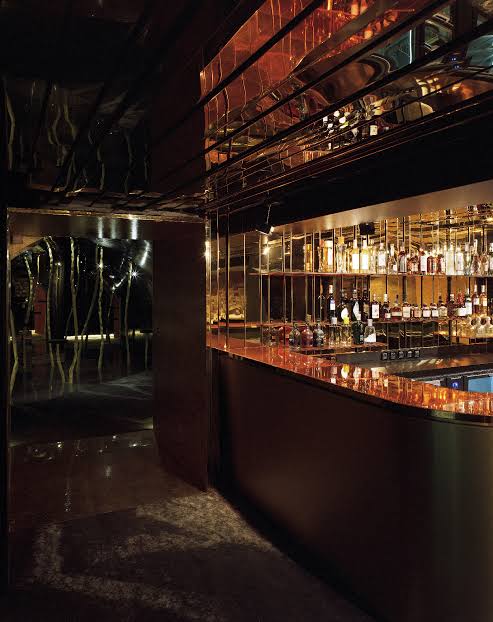
Inspired by filmmaker David Lynch and named after the mysterious nightclub from Mulholland Drive, Silencio occupies a unique position among the world’s elite clubs. Hidden beneath the streets of Paris, its interiors blur the boundaries between art installation, nightclub, cinema, gallery, and cultural salon. Musicians, fashion designers, filmmakers, writers, and artists gather here for exclusive performances, screenings, exhibitions, and private events. Unlike traditional members’ clubs built around business or aristocracy, Silencio celebrates creative expression, making it one of the most distinctive destinations for the international cultural elite.
Yacht Club de Monaco, Monaco
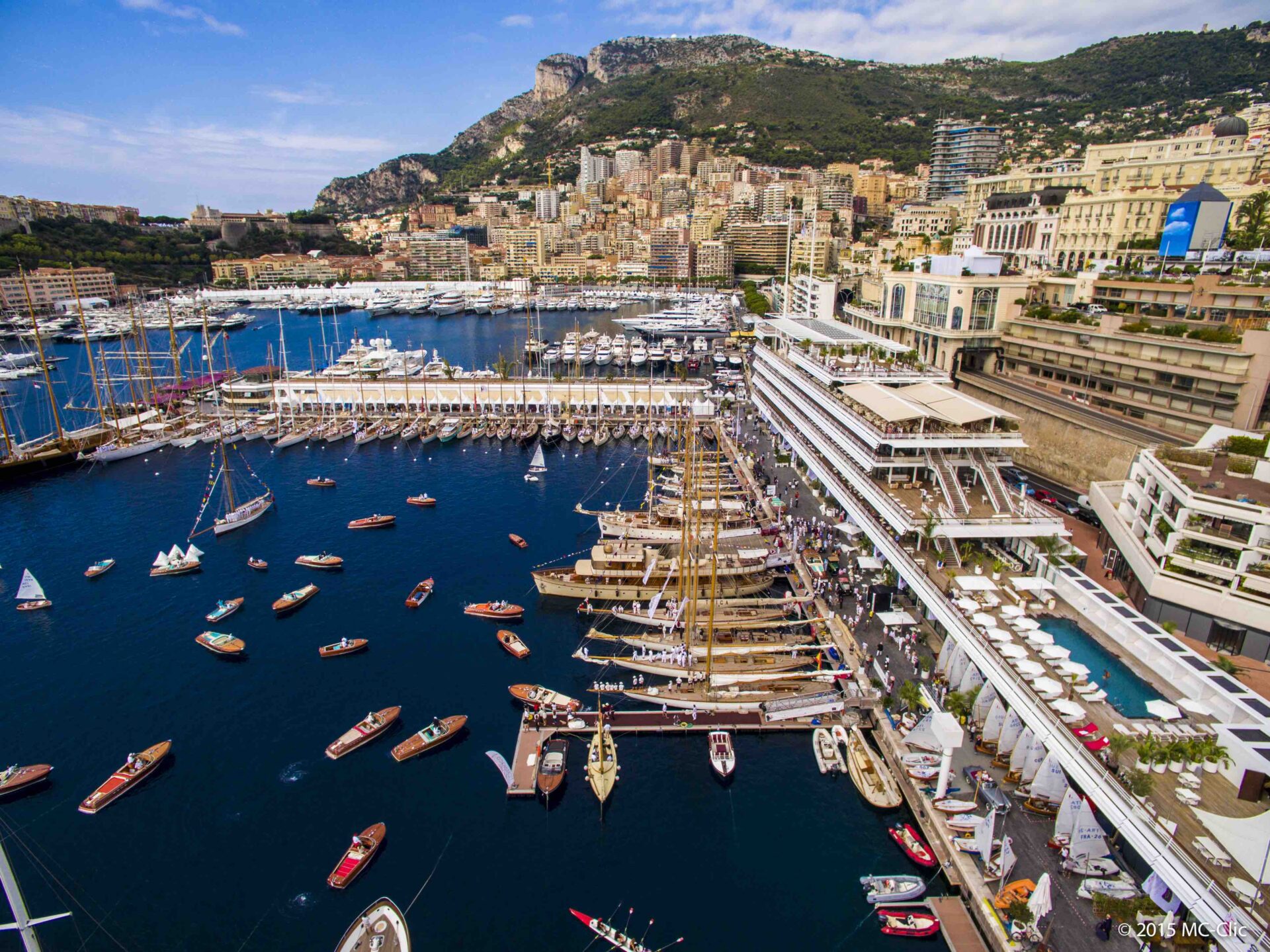
Few addresses symbolise maritime luxury quite like Yacht Club de Monaco. Established under the patronage of Prince Rainier III and today presided over by Prince Albert II, the club overlooks Port Hercule and serves as one of the world’s foremost institutions for yachting enthusiasts. Designed by renowned architect Norman Foster, its headquarters resembles the sleek profile of a superyacht itself. Members enjoy access to world-class sailing events, regattas, fine dining, wellness facilities, and an unrivalled international network of yacht owners and industry leaders. More than a club, it embodies the glamour, sophistication, and maritime heritage that define the Principality of Monaco.