Can Deepinder Goyal’s Temple Offer New Insights Into Brain Health?
Zomato Co-Founder Deepinder Goyal’s 'Temple' is a wearable designed to monitor signals associated with cerebral blood flow. With a reported price of Rs 85,000, the device brings brain health monitoring into the premium wellness conversation, raising questions about what emerging technology can reveal about physiological strain and healthy ageing
As longevity moves beyond counting years to understanding how the body responds to everyday demands, the brain is emerging as an important area of interest. Could tracking changes in its blood circulation offer another piece of the puzzle? Zomato Co-Founder Deepinder Goyal’s ‘Temple’, a wearable designed to monitor signals associated with cerebral blood flow, is reportedly bringing that question into the consumer wellness space.
Unlike conventional wearables that track steps, heart rate and sleep, ‘Temple’ takes a different approach. The compact, pill-shaped device attaches to the side of the head, between the forehead and ear, using adhesive strips. Its optical sensors track changes associated with blood flow to the brain through a technology the company calls BrainFlow.
The device also generates an Entropy score, ranging from 1 to 250, intended to reflect physiological strain. According to the company, factors such as sleep, exercise, stress and caffeine can influence the readings. The idea is to help users explore how their bodies respond to changing physical and mental demands, rather than relying solely on conventional fitness metrics.
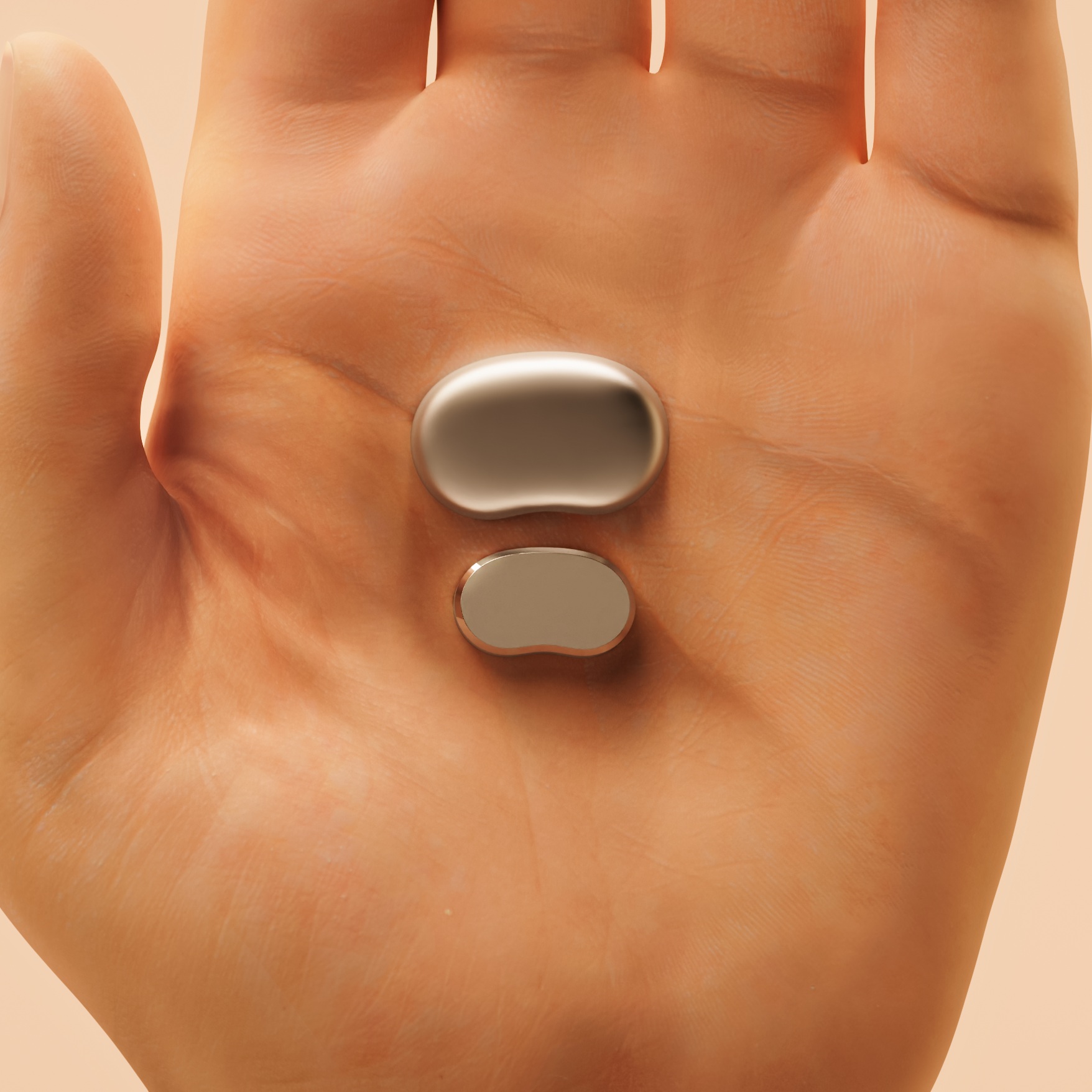
The Longevity Connection
Brain circulation is relevant to research into healthy ageing, but measuring it is not the same as measuring how quickly the brain ages. Research has associated cerebral blood flow with aspects of health and ageing, although these relationships do not establish that monitoring blood flow can prevent cognitive decline or extend lifespan.
Also Read: Live Better, Longer: What The Science Of Healthspan Really Says
‘Temple’ has begun to attract scientific scrutiny. A 2026 preprint examining the device against established measurements of cerebral blood-flow velocity reported that its BrainFlow index tracked similar changes during exercise and shifts in posture among healthy adults. However, this early research does not establish that Temple can diagnose neurological conditions, predict an individual’s ageing trajectory or improve long-term health outcomes.
For longevity enthusiasts, that distinction matters. A wearable may offer additional information about physiological responses, but the value lies in whether those readings prove reliable, meaningful and useful in everyday life. Temple is intended for wellness and research, not medical diagnosis.
A Premium Wellness Proposition
The device is also entering the market at a considerable price. Early-access invitations have reportedly listed Temple’s first batch at Rs 85,000, including a lifetime subscription, with pre-orders scheduled to open on November 1, 2026. The company has not formally confirmed the reported retail price.
Each ‘Temple’ is handmade to order, with delivery expected within three months of purchase. Batch 01 is limited in number, with pre-orders opening on November 1, adding an element of exclusivity to the device’s launch.
Also Read: World Mental Health Day 2026: Why Mental Well-Being Matters for Healthy Ageing
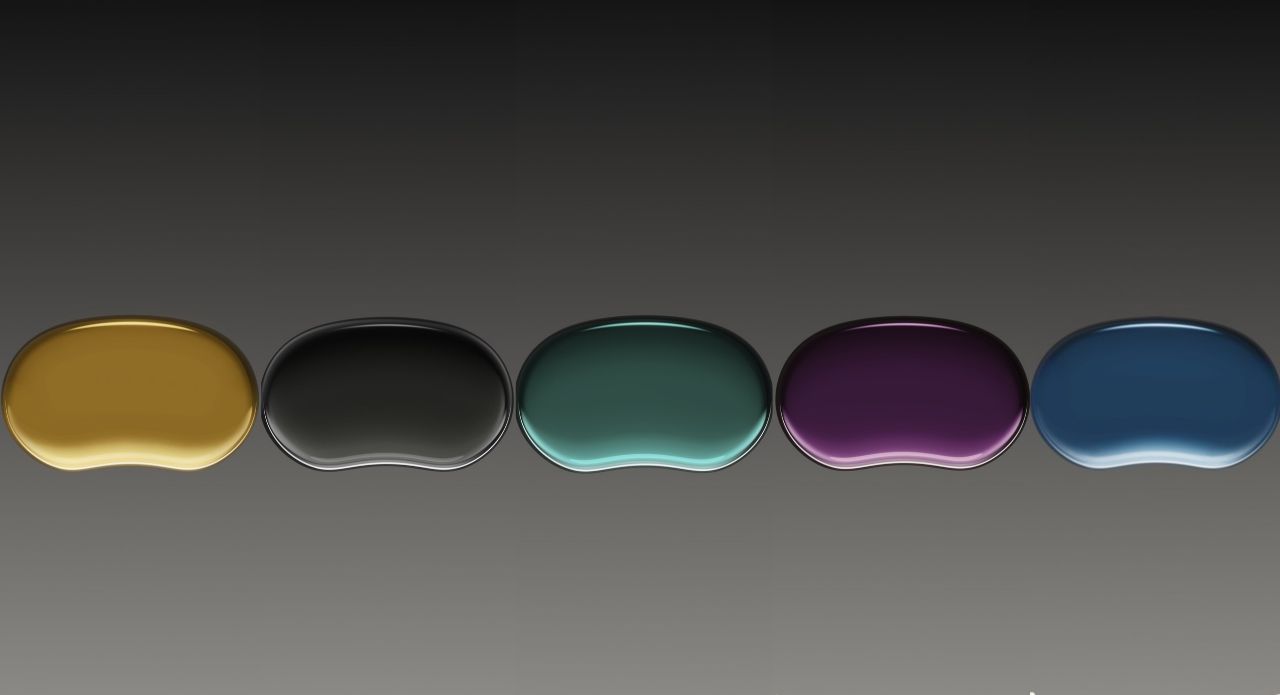
Six colourways have been announced, including True Gold, Rose Gold and Black Mirror, alongside Real Jade, Deep Blue and Purple Funk.
At this price, ‘Temple’ raises a broader question about the future of personalised wellness, i.e., how much are consumers willing to invest in understanding their bodies beyond the familiar metrics on a smartwatch?
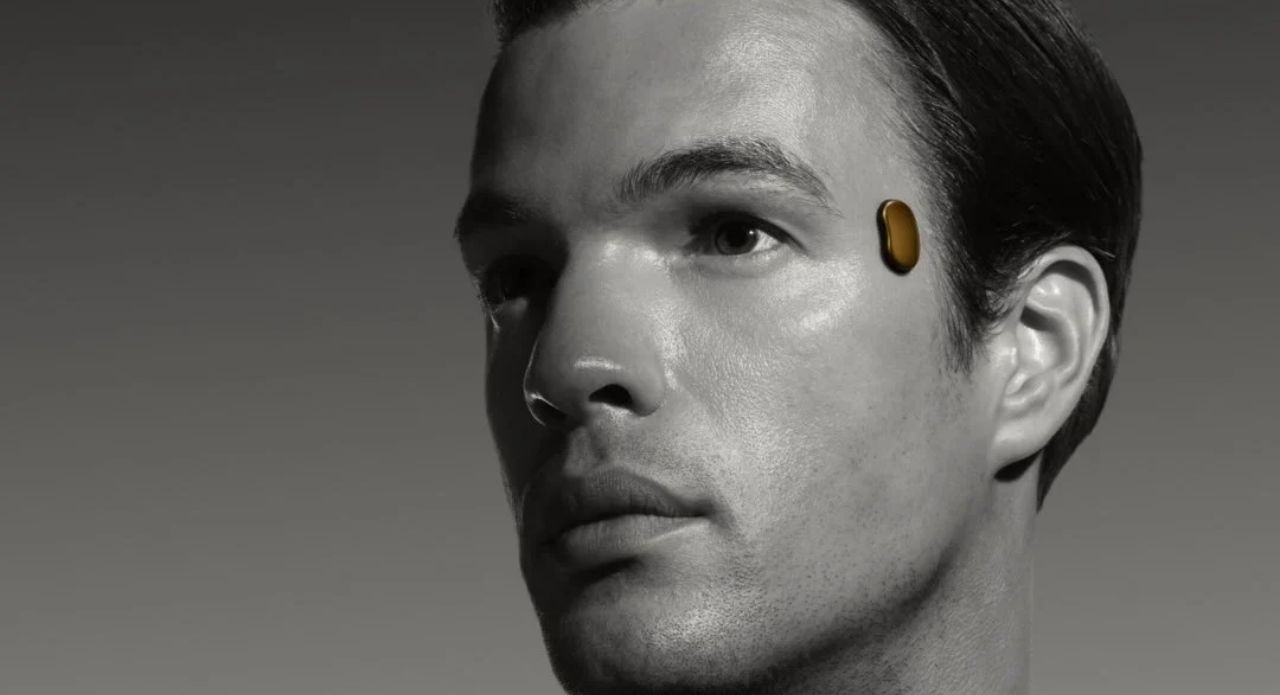
Its long-term relevance will depend less on the novelty of wearing a sensor near the brain and more on the quality of the evidence behind its readings.
For now, ‘Temple’ offers a glimpse of where consumer health monitoring may be heading, while reminding us that collecting more data is only the beginning of understanding what it means for healthier ageing.