No Shave November: Is Your Wellness Routine Missing These Essential Health Checks?
No Shave November goes beyond growing facial hair. It highlights the importance of men's preventive healthcare, from cardiovascular and metabolic assessments to cancer screening, hormonal health and mental wellbeing.
A well-planned fitness routine, a personal trainer and a carefully curated wellness regimen may feature prominently in a modern man’s lifestyle, but how much attention does he pay to what is happening inside his body? No Shave November offers a timely reminder that men’s health deserves more than an occasional gym session or an annual general check-up. The campaign, which encourages men to grow their facial hair to raise awareness about health issues, including cancer, also opens up a larger conversation about preventive healthcare.
The idea of longevity has gradually moved beyond simply extending one’s lifespan. It is increasingly about maintaining physical health, cognitive function and quality of life as the years progress. Preventive healthcare is an important part of this approach, allowing men to understand their health risks and make informed decisions before complications arise. A personalised health assessment, guided by medical professionals, can be a more meaningful investment than another addition to an elaborate wellness routine.
Here are seven health checks worth discussing with a doctor.

Cardiovascular Health
Heart health deserves particular attention as cardiovascular disease remains a major health concern among men. A blood pressure assessment and lipid profile can help identify hypertension and unhealthy cholesterol levels, both of which can increase the risk of heart disease and stroke.
Depending on individual risk factors, a cardiologist may recommend additional investigations. Family history, smoking, diabetes, weight and lifestyle habits all influence the assessment. Understanding these indicators early can help shape a more informed approach to long-term cardiovascular health.

Metabolic Health
Blood sugar management is closely connected to healthy ageing. Elevated glucose levels can remain undetected for years, gradually increasing the risk of diabetes and related complications.
Fasting blood glucose and HbA1c tests help assess blood sugar levels over different periods. These are particularly relevant for men above 30, those with a family history of diabetes and individuals with excess weight or sedentary lifestyles. Monitoring metabolic health also helps doctors identify prediabetes and recommend appropriate lifestyle changes.
Kidney and Liver Function
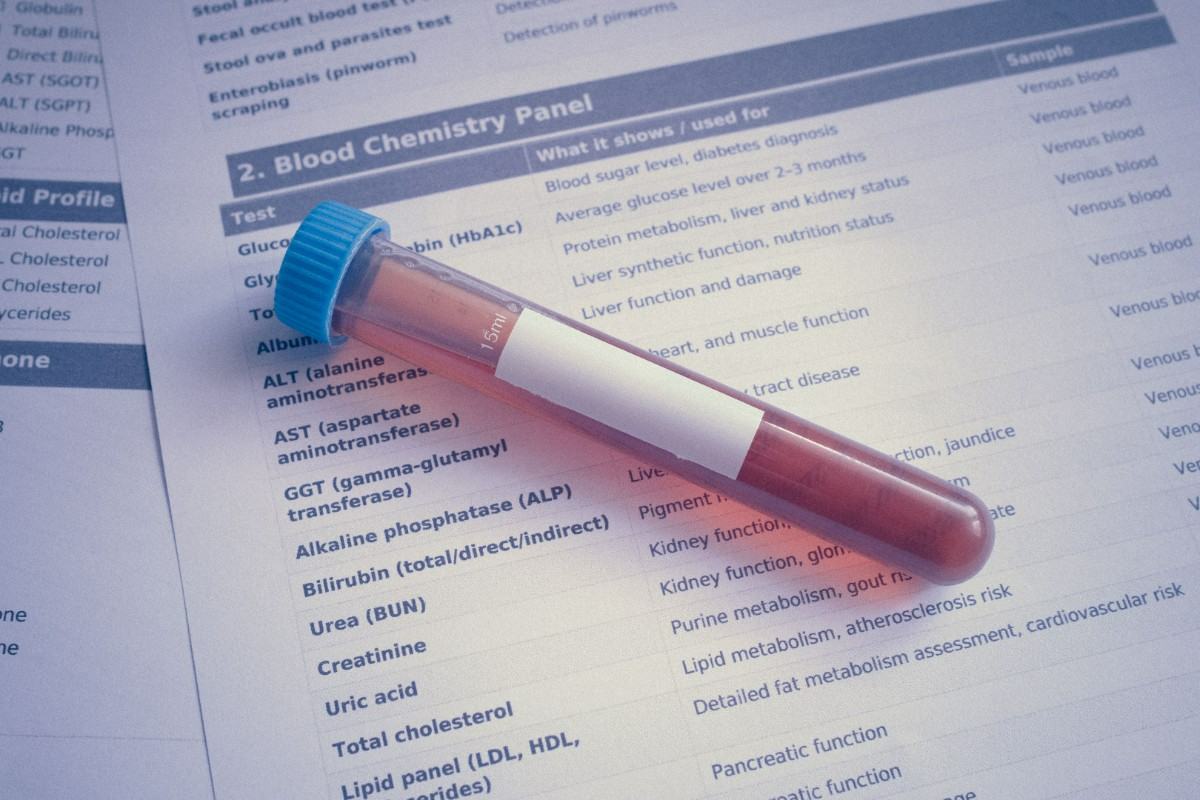
The kidneys and liver perform essential functions that support the body’s overall wellbeing. Kidney assessments may include serum creatinine, estimated glomerular filtration rate and urine albumin testing, depending on individual risk.
Liver function tests can help identify abnormalities that require further investigation. Alcohol consumption, metabolic conditions, medication use and existing symptoms may influence whether these tests are recommended. Rather than treating them as routine additions to every health package, men should discuss their relevance with a physician.

Colorectal Cancer Screening
Cancer screening is an important part of a preventive health strategy, particularly as age-related risks increase. Colorectal cancer screening can involve stool-based tests or a colonoscopy, depending on individual circumstances.
The US Preventive Services Task Force recommends screening average-risk adults between 45 and 75 years. Men with a family history of colorectal cancer, previous polyps or other risk factors may require earlier assessment. Persistent changes in bowel habits, blood in stools and unexplained weight loss also warrant medical attention.

Prostate Health
Prostate health becomes increasingly relevant as men grow older. Changes in urinary frequency, difficulty passing urine and blood in urine should be evaluated by a medical professional.
A prostate-specific antigen (PSA) blood test may be discussed as part of an individual screening decision. However, it is not automatically recommended for every man, since screening can also lead to false positives and unnecessary procedures. A conversation with a urologist can help determine whether the test is appropriate.

Hormonal Health
Energy levels, muscle strength, mood and sexual wellbeing can all be influenced by hormonal health. Testosterone levels naturally change with age, but persistent fatigue, reduced libido, loss of muscle mass and other symptoms may warrant medical evaluation.
Also Read: No-Shave November 2026: Hrithik Roshan, Vicky Kaushal And More Inspire With Their Beard Styles
Doctors may recommend testosterone testing when symptoms suggest a deficiency. A diagnosis generally requires consistently low readings alongside relevant symptoms. Hormone treatments should never be pursued simply as an anti-ageing intervention without a proper medical assessment.

Mental And Cognitive Wellbeing
Longevity is not limited to physical fitness. Emotional resilience, mental health and cognitive wellbeing are equally important to maintaining quality of life.
Persistent anxiety, irritability, low mood, social withdrawal and difficulties with concentration deserve attention. Men should also discuss concerns about memory changes or cognitive function with their doctors. Mental health consultations, appropriate assessments and timely support can form an important part of a comprehensive wellness plan.
A Better Approach to Longevity
No Shave November may begin with a simple decision to put down the razor, but its message extends well beyond facial hair. It is an opportunity to reconsider how men approach their health, particularly when preventive care is often postponed until symptoms become difficult to ignore.
Also Read: No Shave November: The Style Statement That Goes Beyond Facial Hair
The more considered approach to longevity is not about booking every available diagnostic test or investing in the most expensive executive health package. It is about understanding individual health risks, seeking specialist advice when necessary and building a preventive healthcare plan that evolves with age.
After all, a well-lived life requires more than looking and feeling good today. It also calls for making informed choices that support wellbeing in the years ahead.