Sotheby’s Geneva Auction: The Romanov Sapphire And Historic Royal Jewels
The 197.80-carat Romanov Sapphire takes centre stage at Sotheby’s Geneva auction, tracing a remarkable journey from the Russian imperial court to private collections. Alongside it, historic tiaras, emerald jewels and sapphire creations reveal the enduring appeal of royal jewellery and its extraordinary provenance
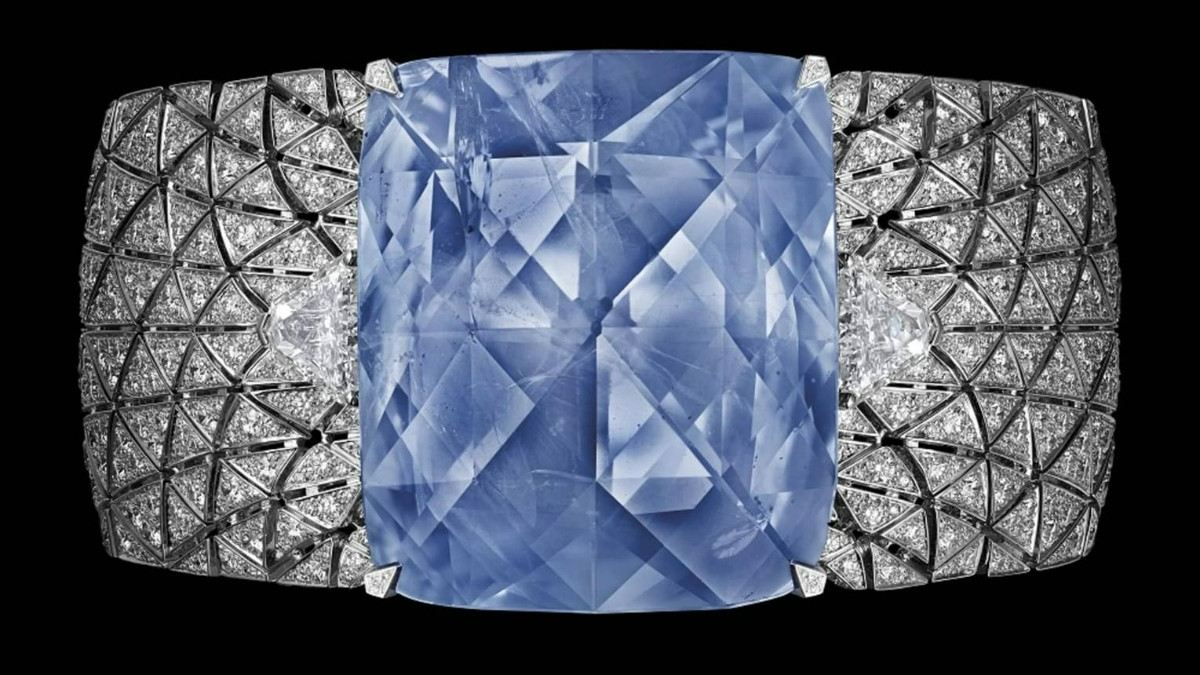
A sapphire once worn by a Russian empress has found a new chapter in its remarkable history. At Sotheby’s Royal & Noble Jewels auction in Geneva on November 11, the 197.80-carat Romanov Sapphire sold for CHF 4.122mn, more than twice its pre-sale high estimate of CHF 1.7mn. Set in a diamond and rock crystal bracelet by Cartier, the historic gemstone emerged as the defining highlight of an auction that brought together jewels associated with some of Europe’s most distinguished royal families.
The appeal of the collection, however, extended well beyond the value of its gemstones. Many of the pieces carried associations with royal families, historic occasions and generations of ownership, making their provenance as compelling as their craftsmanship. Among them, the Romanov Sapphire stood out for the extraordinary journey it had undertaken across centuries and continents.
Sapphire With an Imperial Past
The Romanov Sapphire traces its history to the Russian Crown Jewels, although the exact date of its entry into the imperial collection remains undocumented. Its distinctive faceting points towards a Mughal-era origin, offering a glimpse into the movement of gemstones and jewellery traditions across continents. The unheated Ceylon sapphire, originating in present-day Sri Lanka, weighs 197.80 carats and was once mounted in a diamond setting by Fabergé.
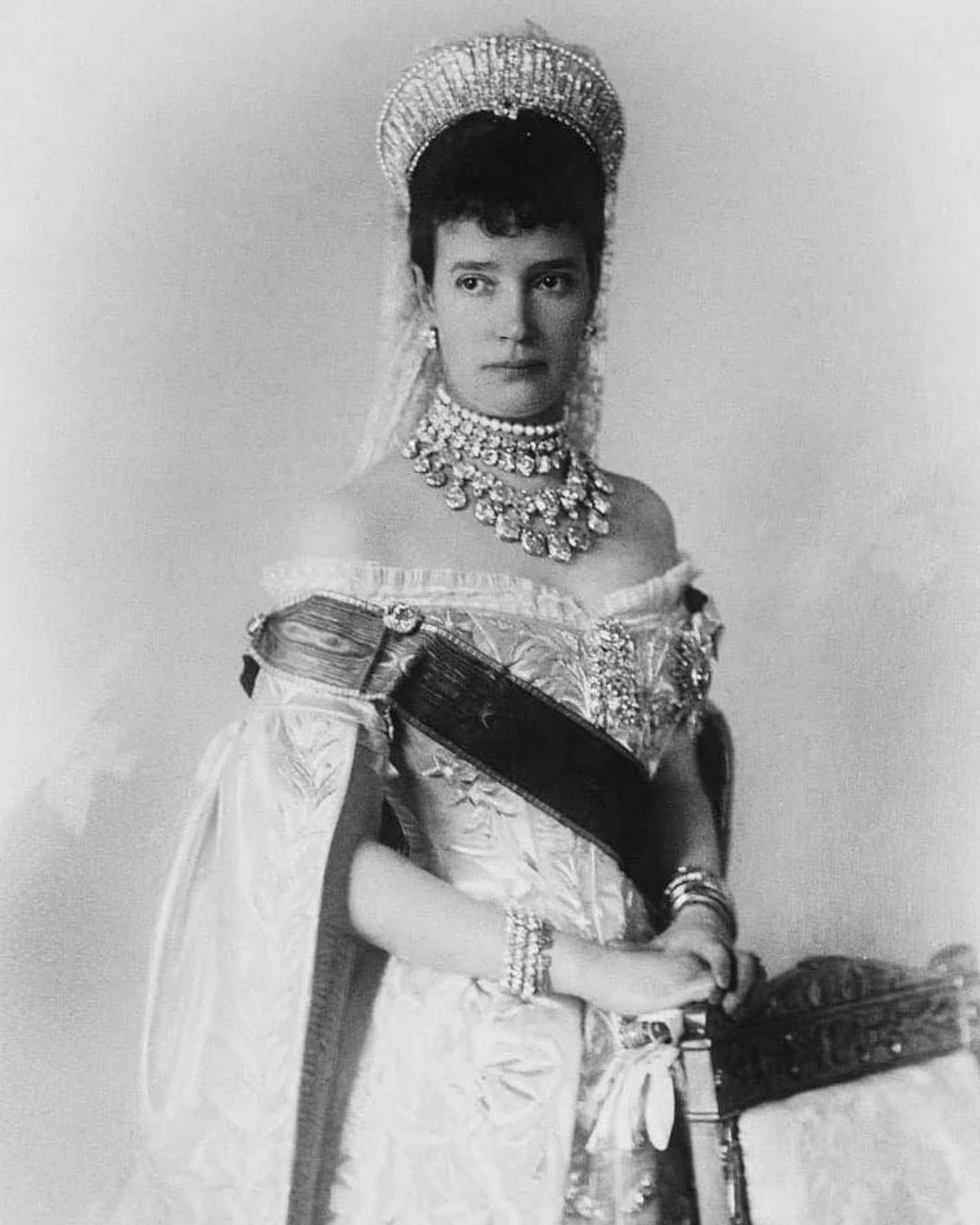
One of its most significant documented appearances was at the 1903 Winter Palace Ball in St Petersburg. Dowager Empress Maria Feodorovna, mother of Russia’s last emperor Nicholas II, wore the sapphire alongside a second, larger stone on the front of her elaborate court costume. The occasion became one of the celebrated displays of imperial Russian grandeur, with members of the royal court dressed in elaborate period costumes and magnificent jewels.
Also Read: Why September Puts Blue Sapphires in Focus
Following the Russian Revolution of 1917, the imperial treasures were inventoried in the Fersman catalogue between 1924 and 1926. The sapphire appeared alongside its original companion stone before entering the Soviet government’s dispersal sales. In 1927, opera singer and jewellery collector Ganna Walska acquired it from Cartier. She subsequently had it mounted in different necklace designs, including a sautoir featuring a carved Mughal emerald weighing 256.60 carats.
After appearing at Sotheby’s auctions in New York in 1971 and Geneva in 1992, the sapphire received its present setting in 2015. Cartier created a geometric diamond bracelet with an interchangeable rock crystal centre, allowing the historic gemstone to remain the focal point without recreating its original Fabergé setting.
Royal Jewels That Found New Owners
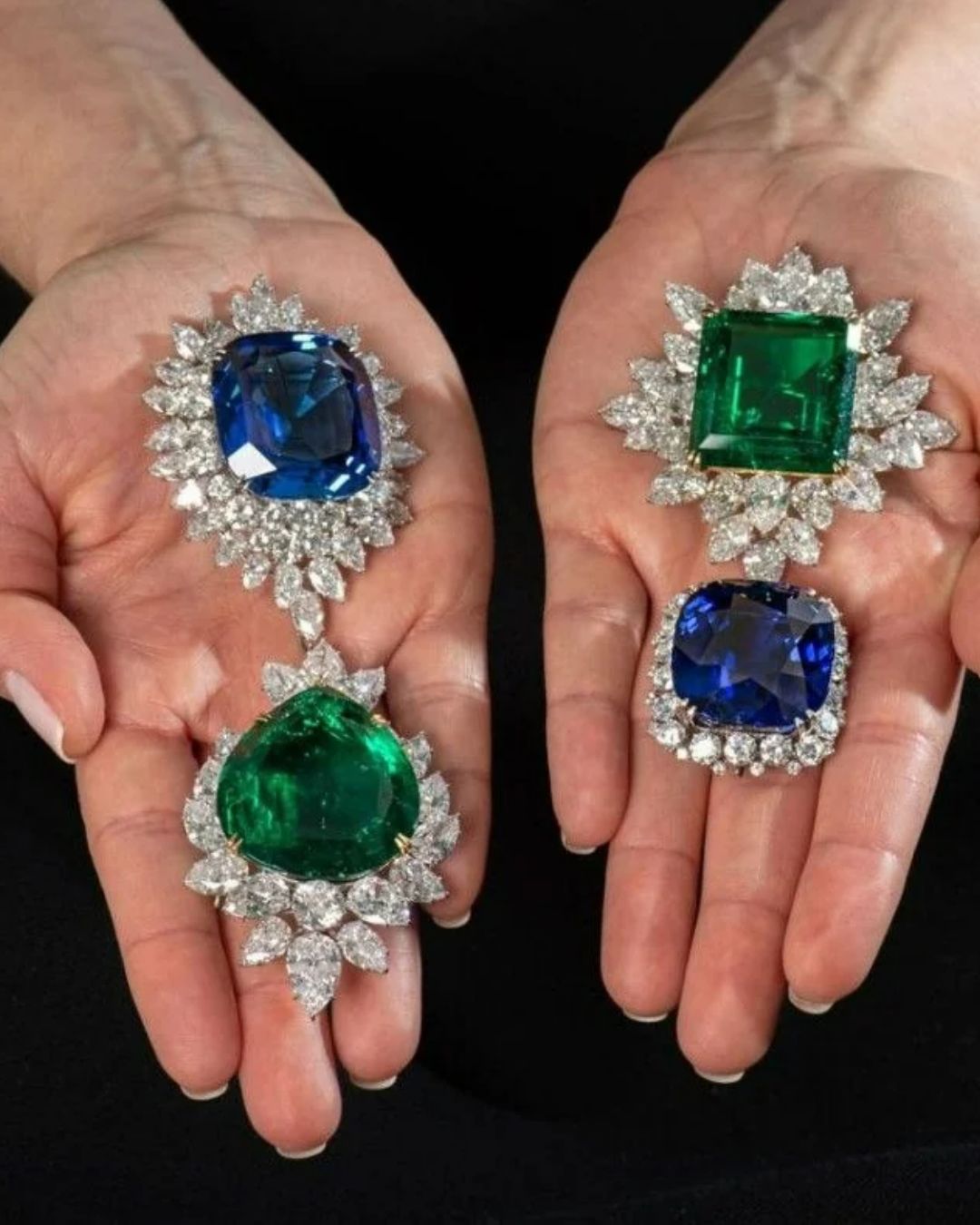
The Geneva auction extended beyond the Romanov legacy. Among its notable offerings was a sapphire and diamond demi-parure associated with Princess Sibylla of Sweden, comprising a necklace and pendant earrings. Originally presented as a wedding gift by Tsar Ferdinand of Bulgaria in 1932, the jewels were traditionally believed to have belonged to Maria Feodorovna. The set achieved CHF 832,000.
Another highlight was a diamond tiara by Mellerio dits Meller, first exhibited at the International Exhibition of 1862 before becoming a royal wedding gift for Marie Isabelle d’Orléans. The auction also featured emerald and diamond jewels belonging to Queen Amélie of Portugal, including a bangle centred on a 27.38-carat Colombian emerald, and a sapphire and emerald ring once owned by Catherine, Lady Walston.
Provenance Becomes Part of Design
The Romanov Sapphire’s journey illustrates what gives historic jewellery its enduring appeal. Its extraordinary size and Mughal-era cut make it remarkable as a gemstone, but its association with the Russian imperial court, its changing settings and the collectors who preserved it give it a significance that cannot be measured in carats alone.
Also Read: Top Rarest And Most Expensive Watches In The World
At Sotheby’s Geneva, the jewel was a reminder that the most compelling pieces of high jewellery carry more than exceptional materials and craftsmanship. They hold traces of the people, places and periods that shaped them, allowing a new owner to become part of a history that continues long after the auction room falls silent.