From Calibre 1003 to 2550: How Vacheron Constantin Mastered Ultra-Thin Watchmaking
When every fraction of a millimetre becomes an engineering problem, Vacheron Constantin has spent decades proving that less movement can mean considerably more watchmaking
There is something wonderfully ridiculous about ultra thin watchmaking. We spend our lives being told that bigger is better, yet the finest watchmakers occasionally decide that the sensible thing to do is take a perfectly complicated mechanical machine and make it thinner, smaller and considerably more difficult to manufacture. It is rather like building a Formula 1 car and then deciding the real challenge would be to fit the entire thing inside a sandwich. This is where Vacheron Constantin enters the story. For decades, the Swiss Manufacture has treated thinness not as a fashionable design trick but as a serious horological discipline, one requiring microscopic tolerances, extraordinary finishing and the sort of patience normally associated with watching paint dry. The result is a lineage of movements that reads like a masterclass in how to remove material without removing character. From the tiny Calibre 1003, through the celebrated Calibre 1120 and the sonorous Calibre 1731, to the peripheral rotor of Calibre 2160 and the more contemporary Calibre 2550, the journey is not simply about making movements thinner. It is about discovering how thin a mechanical movement can become before physics starts sending strongly worded letters. And, rather impressively, Vacheron Constantin kept pushing.
Calibre 1003
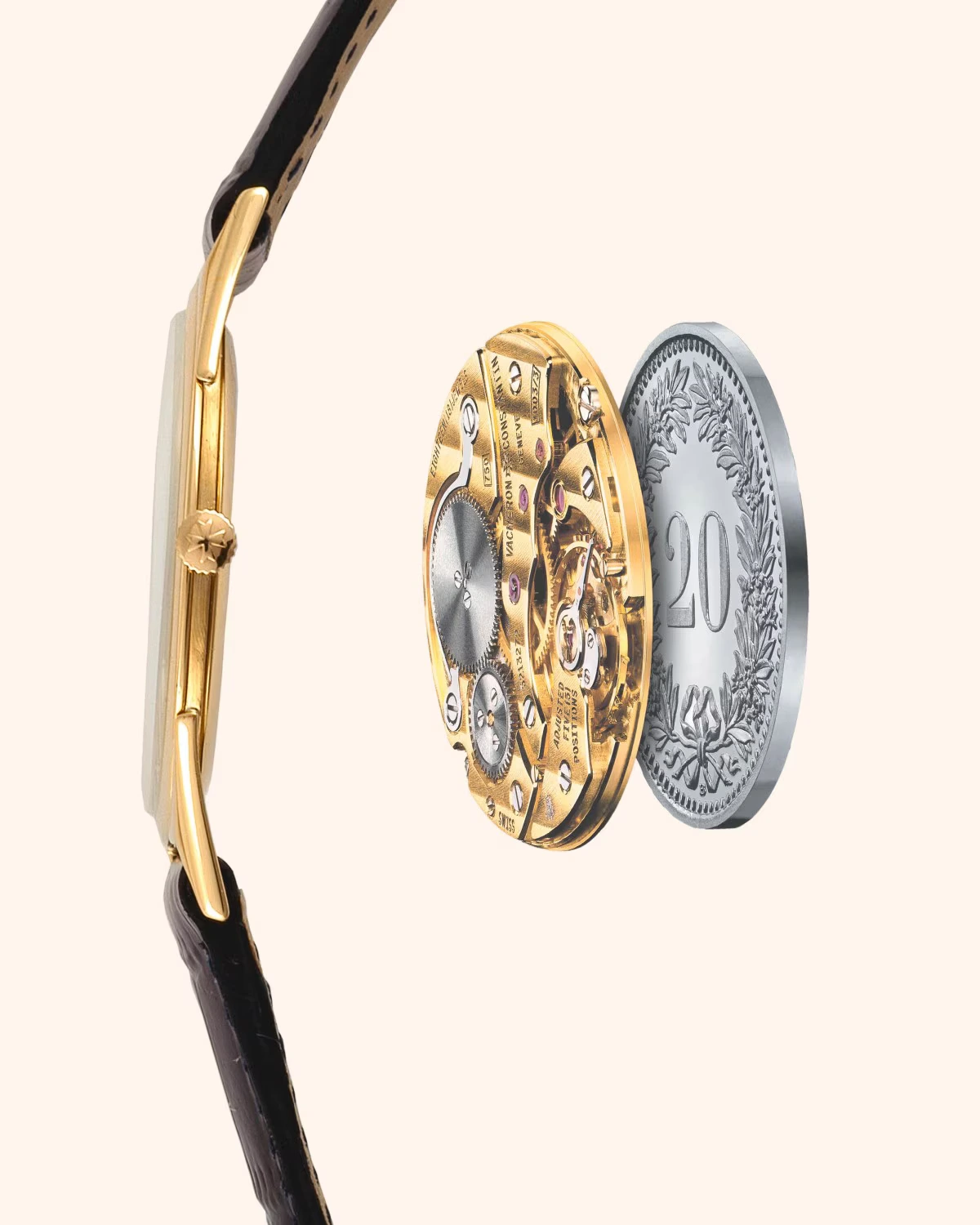
The story begins with Calibre 1003, introduced in 1955 and measuring just 1.64 mm thick. That number looks harmless until you remember what is happening inside a mechanical watch. There is a balance, gear train, springs, wheels and all the other tiny components required to turn stored energy into an accurate indication of time. Vacheron Constantin did not simply flatten an existing movement. Calibre 1003 was conceived specifically around the pursuit of extreme thinness, eventually becoming one of the Manufacture’s defining ultra thin movements. Its manual winding architecture remains remarkable because the movement managed to retain the essential characteristics of fine mechanical watchmaking while occupying almost absurdly little vertical space. In other words, it was tiny, but it was not simple.
Also Read: Mark Zuckerberg Buys A 19th-Century Irish Castle Worth Up To USD35 Million
Calibre 1120
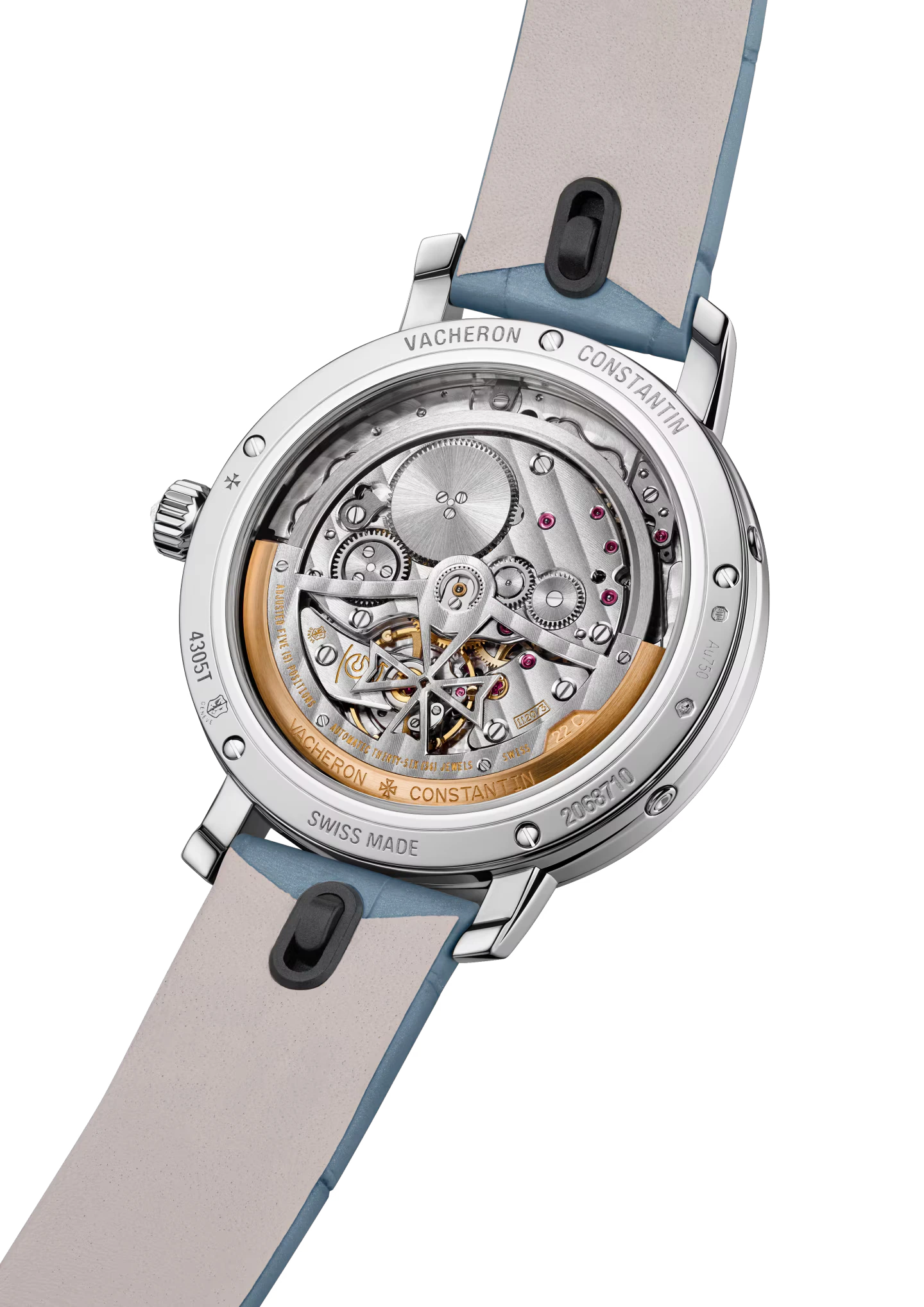
Then came Calibre 1120, unveiled in 1967, and things became considerably more interesting. At approximately 2.45 mm thick, it was an exceptionally slim automatic movement, which meant Vacheron Constantin had to solve the rather awkward problem of fitting a winding rotor into an architecture where there was barely enough room for everything else. The solution was a peripheral 22 carat gold rotor mounted around the movement. This was clever for two reasons. First, it helped preserve the movement’s slender profile. Second, because the rotor did not sit directly over the movement, much of the architecture remained visible. Calibre 1120 subsequently became one of the most celebrated ultra thin automatic movements of the 20th century and demonstrated that automatic winding did not necessarily require a thick watch.
Calibre 1731
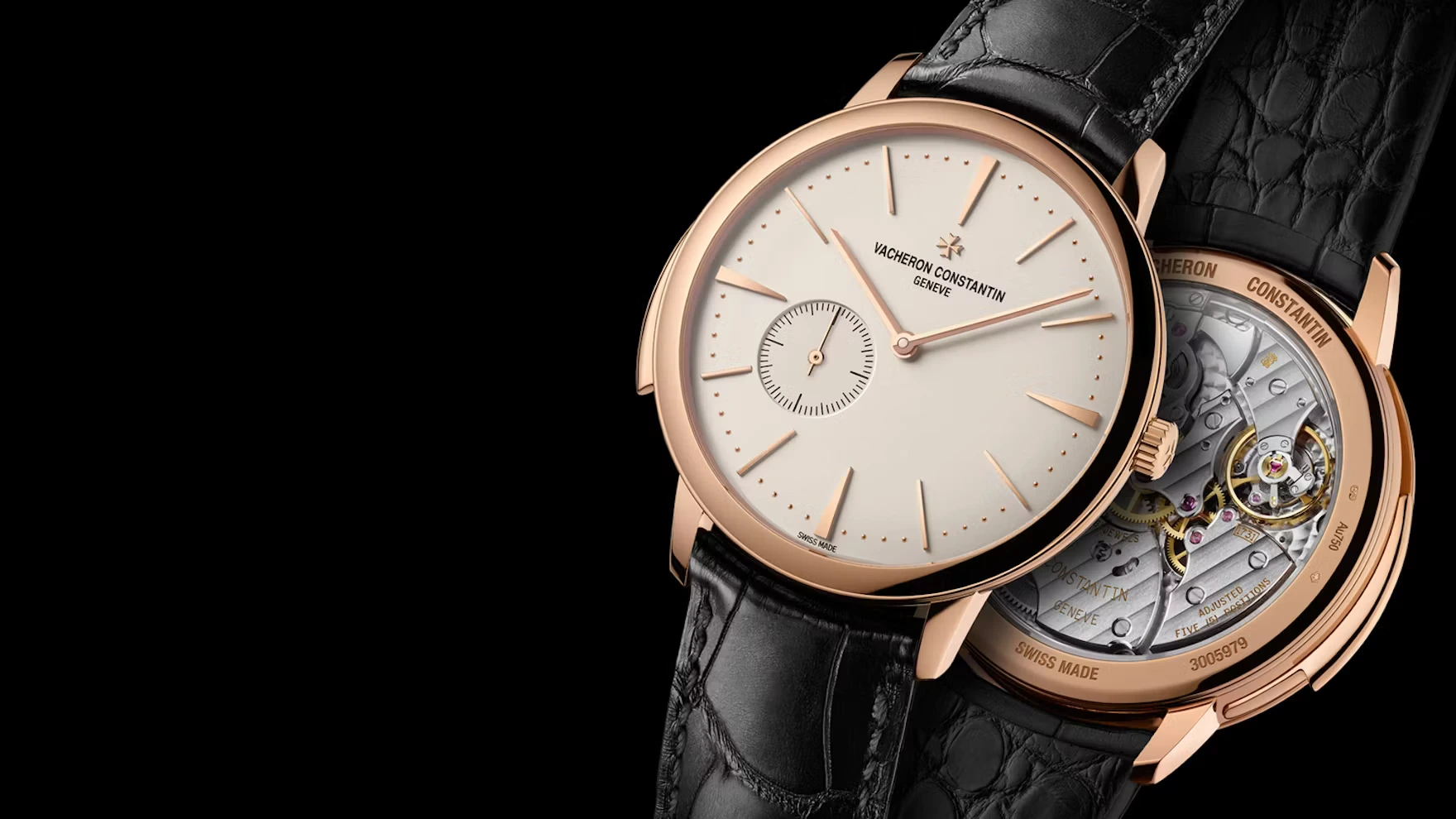
If Calibre 1003 demonstrated that thin could be mechanically serious, and Calibre 1120 proved it could also be automatic, Calibre 1731 demonstrated that thinness could accommodate one of watchmaking’s most demanding complications. The minute repeater. Developed for Vacheron Constantin’s minute repeater wristwatch, Calibre 1731 measures approximately 3.9 mm thick. That may sound positively enormous compared with the 1003, until you consider what it has been asked to do. A minute repeater strikes the hours, quarters and minutes on demand. It requires hammers, gongs, racks, snails, springs and an intricate chiming mechanism, all operating in precise sequence. Now make all of that thin. The calibre takes its name from Jean Marc Vacheron, whose birth year was 1731, and became an important expression of the Manufacture’s ability to combine elegance with acoustic engineering. This was not simply a thin movement. It was proof that complication did not have to mean bulk.
Calibre 2160
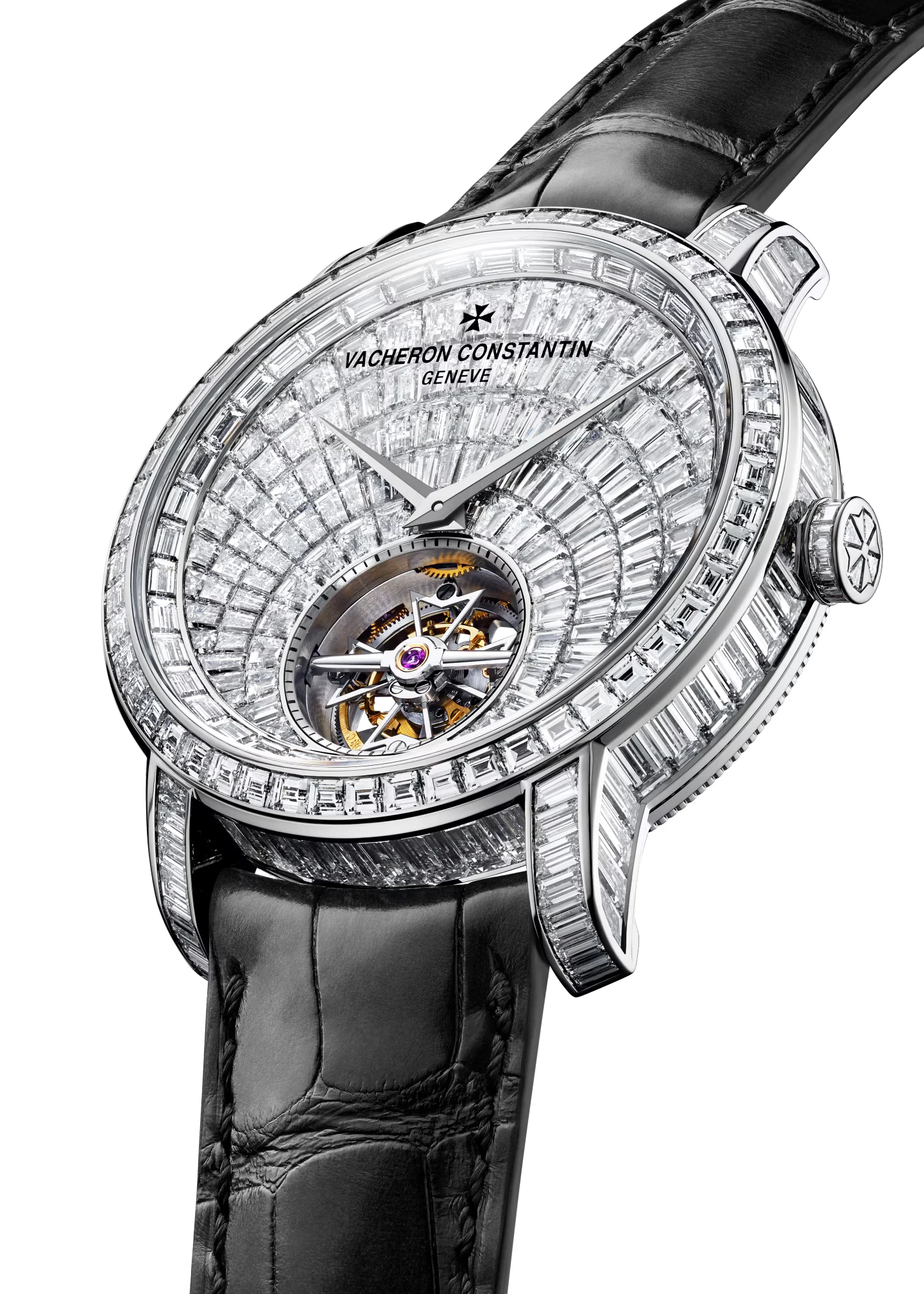
Fast forward to the modern era and Calibre 2160 brought the ultra thin automatic philosophy into contemporary haute horlogerie. Measuring around 2.6 mm thick, the movement incorporates a peripheral rotor, allowing the automatic winding system to operate without obscuring the movement. But this is where modern engineering enters the room. The calibre powers the Overseas Ultra Thin and incorporates a tourbillon, meaning Vacheron Constantin managed to combine automatic winding, extreme thinness and one of traditional watchmaking’s most celebrated complications within a remarkably compact architecture. The peripheral rotor also gives the movement a visual advantage. Turn the watch over and there is considerably less hardware getting in the way of the mechanics. It is the horological equivalent of removing the scaffolding and discovering that the building is actually rather beautiful.
Also Read: Rakhi 2026: Luxury Watches That Make Timeless Gifts
Calibre 2550

The evolution continues with Calibre 2550, representing a newer generation of Vacheron Constantin’s ultra thin automatic expertise. Designed for contemporary high watchmaking, the calibre demonstrates how the Manufacture has moved beyond simply pursuing a smaller number on a specification sheet. The modern approach is about combining compact architecture with efficiency, reliability, finishing and contemporary complications. This is important because ultra thin watchmaking has changed. It is no longer merely about producing the thinnest possible movement. The challenge is making a movement that is thin while remaining robust, aesthetically compelling and technically sophisticated. That is considerably harder.