From the Santos To The Tank: Cartier’s Biggest Contributions To Watchmaking
From inventing one of the world's first purpose-built wristwatches to redefining design, Cartier has consistently challenged conventions, proving that horological innovation can be as much about aesthetics as mechanics
Every great manufacturer has its defining machine. Ferrari has the F40. Porsche has the 911. McLaren has the F1. They weren’t merely brilliant cars; they permanently altered what people expected from the brands that built them. Cartier has done precisely the same thing, except instead of V12 engines and carbon fibre, it has used gold, platinum and an extraordinary ability to make rectangles, squares and wonderfully peculiar shapes look utterly irresistible. While others obsessed over building more complicated movements, Cartier quietly reinvented how a watch could look, feel and even be worn. The result is a catalogue of icons that continues to influence virtually every luxury watchmaker today.
Santos: The Watch That Put Wristwatches On The Map
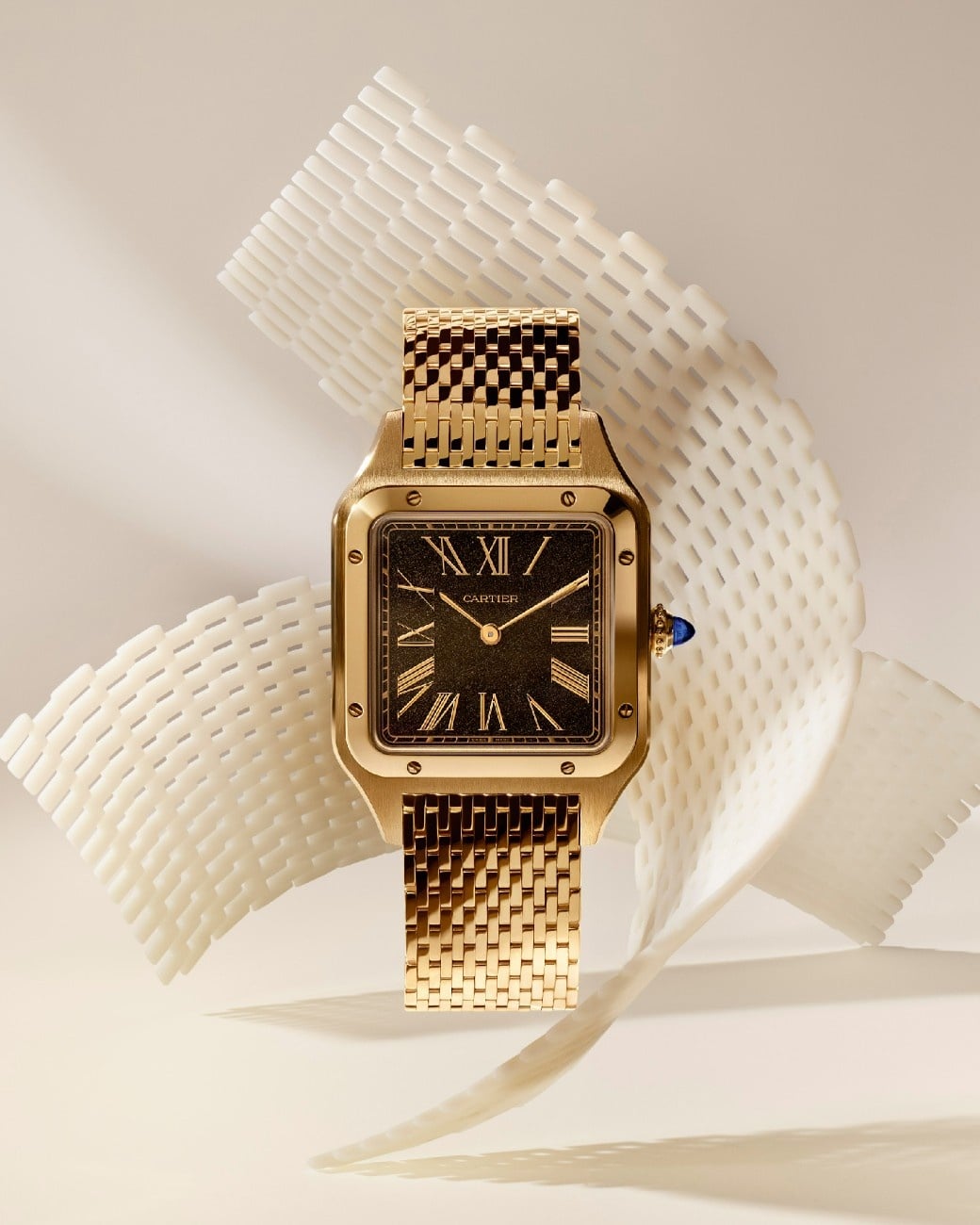
Long before wristwatches became the norm, Cartier created the Santos in 1904 for pioneering aviator Alberto Santos Dumont, who needed a practical timepiece while flying. Designed by Louis Cartier, it is widely regarded as one of the world’s first purpose-built men’s wristwatches. Its square case, exposed screws and functional design challenged the dominance of pocket watches, laying the foundation for the modern wristwatch as we know it.
Tank: Timeless Geometry Inspired By Military Design

Introduced in 1917, the Cartier Tank remains one of the most influential watch designs ever created. Inspired by the aerial view of Renault tanks used during the First World War, its clean rectangular case, parallel brancards and perfectly balanced proportions introduced a new architectural language to watchmaking. More than a century later, the Tank continues to define elegance, worn by artists, royalty, world leaders and collectors alike.
Crash: The Rule Breaking Icon
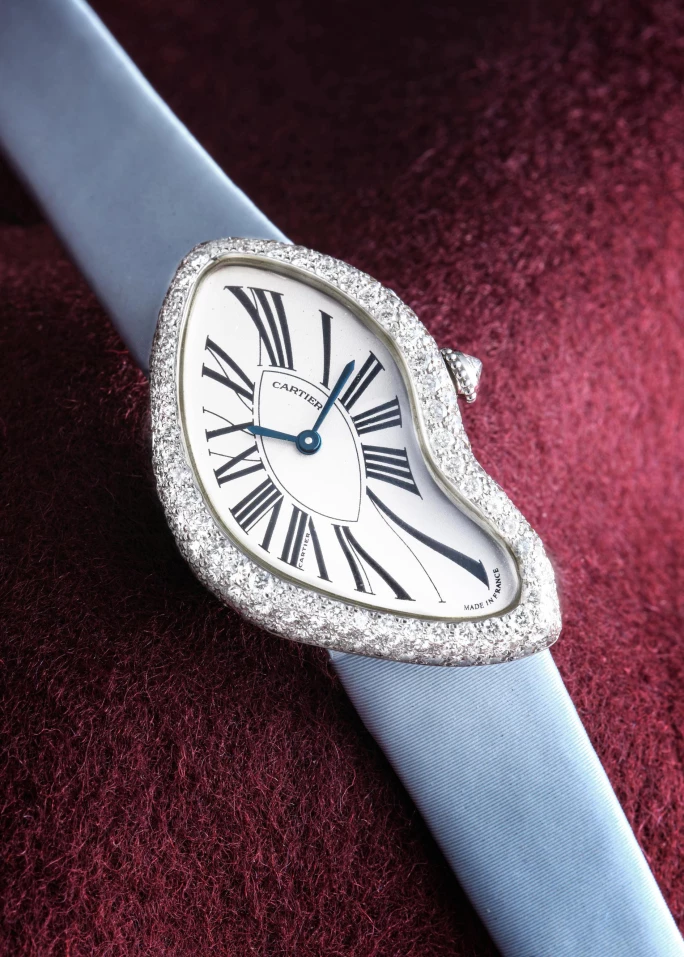
Few watches have challenged conventional design quite like the Cartier Crash. Introduced in London in 1967, its surreal, asymmetrical case rejected every traditional rule of watchmaking. Inspired by the artistic freedom of the Swinging Sixties, the Crash blurred the line between jewellery, sculpture and horology. Produced in extremely limited numbers, it has since become one of the world’s most desirable collector’s watches and a symbol of Cartier’s fearless creativity.
The Pasha: Luxury Sports Watches Before They Were Fashionable
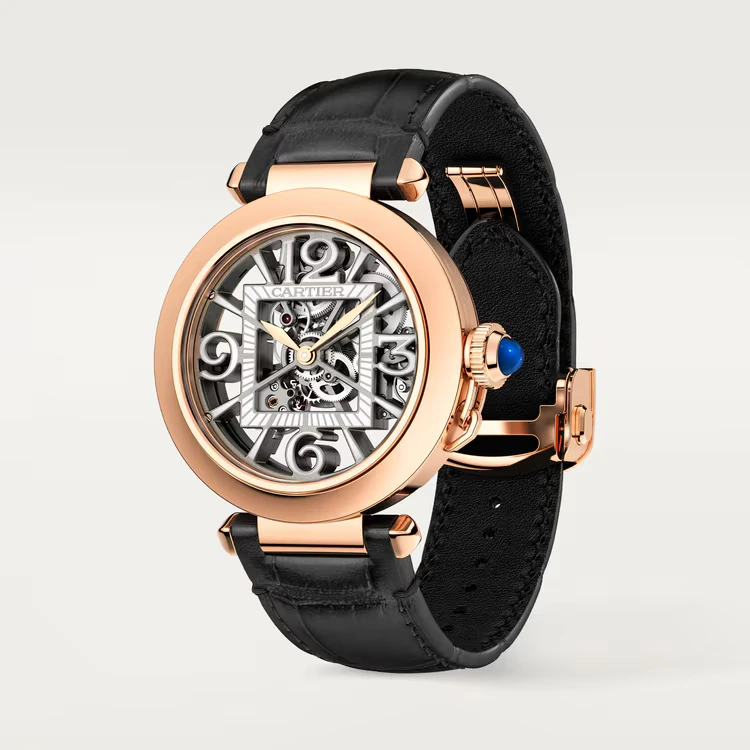
When Cartier introduced the Pasha, it proved that a luxury watch could also be robust and versatile. Its distinctive round case, oversized crown cap secured by a small chain and bold Arabic numerals created an entirely different identity within Cartier’s portfolio. Long before integrated sports watches dominated modern collecting, the Pasha demonstrated that elegance and practicality could comfortably coexist.
Mystery Clocks And The Art Of Illusion
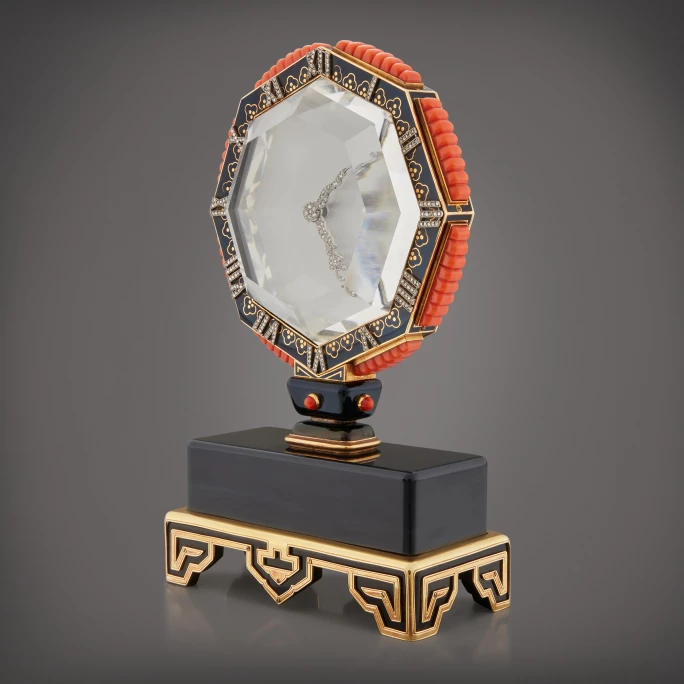
Cartier’s fascination with innovation extended far beyond wristwatches. Its legendary Mystery Clocks, first introduced in the early twentieth century, created the astonishing illusion of floating hands moving through transparent crystal without any visible connection to the movement. Combining exceptional engineering with artistic craftsmanship, these extraordinary creations remain among the most celebrated mechanical masterpieces ever produced and continue to inspire contemporary haute horlogerie.
A Legacy Beyond Movements
Cartier’s greatest contribution to watchmaking has never been measured solely by complications or mechanical specifications. Instead, it transformed the very language of watch design, proving that elegance, originality and innovation could be every bit as revolutionary as technical breakthroughs. From the Santos and Tank to the Crash and beyond, Cartier has repeatedly demonstrated that true icons are not created by following conventions but by having the confidence to ignore them altogether.