Interview: Karishma Karer On Bringing The First-Ever FHH Watch Essentials Training To India
Mumbai hosts a first-of-its-kind horology programme as FHH India Partner Karishma Karer explains why Indian collectors are ready to move beyond admiring fine watches and start truly understanding them
A decade ago, conversations about watches in India often began and ended with brands. Which name, which status, which price. Today, they sound very different. Collectors speak about movement architecture, hand finishing, independent watchmakers and the history behind a single reference. Curiosity has overtaken ownership as the driving force, and that shift has opened the door for something India has never had before: formal, internationally recognised horological education. The first-ever FHH Watch Essentials course has arrived in Mumbai, bringing the teaching of Geneva’s Fondation de la Haute Horlogerie to a community that has long asked for it. Behind the milestone is Karishma Karer, India Partner of FHH, who sees the course as a bridge between Swiss expertise and Indian enthusiasm. Outlook Luxe takes a look at what the course covers, why Mumbai came first, and how it could change the way India relates to fine watchmaking.
Bringing the first-ever FHH Watch Essentials course to India is a genuine milestone. What made this the right moment to introduce it to Mumbai specifically?
Karishma Karer: Mumbai has always been the heart of watch culture in India. It’s where the collectors are, where the boutiques and auction houses are, and where conversations about watches happen most often and with the most passion. Over the last few years we’ve seen that passion mature into curiosity. People no longer just want to own a beautiful watch; they want to understand it. When that shift happens, education becomes the natural next step. Mumbai was ready, the community was asking for it, and it felt right to begin where the conversation is already strongest.
How did the partnership with FHH actually come together, and what did it take to convince Geneva that India was ready for this kind of formal watchmaking education?
KK: It came together the way most good things in this world do: through relationships and a lot of groundwork. A big part of that groundwork was laid by my the co-Founder at The Hour Markers, Punit Mehta. Over the years Punit has built The Hour Markers Community, one of India’s most engaged communities of watch collectors, and that gave us something very concrete to show Geneva. India wasn’t a market on a spreadsheet; it was a room full of people who genuinely knew and loved watches. The real turning point was India Watch Weekend earlier this year, where we formally introduced FHH to the Indian market. The response there, the quality of the questions, the depth of interest, made the case far better than any presentation could. FHH saw first-hand that the appetite was real. This course is the natural continuation of that moment: we introduced FHH at India Watch Weekend 2025, and now we’ve finally kicked things off with the training itself.
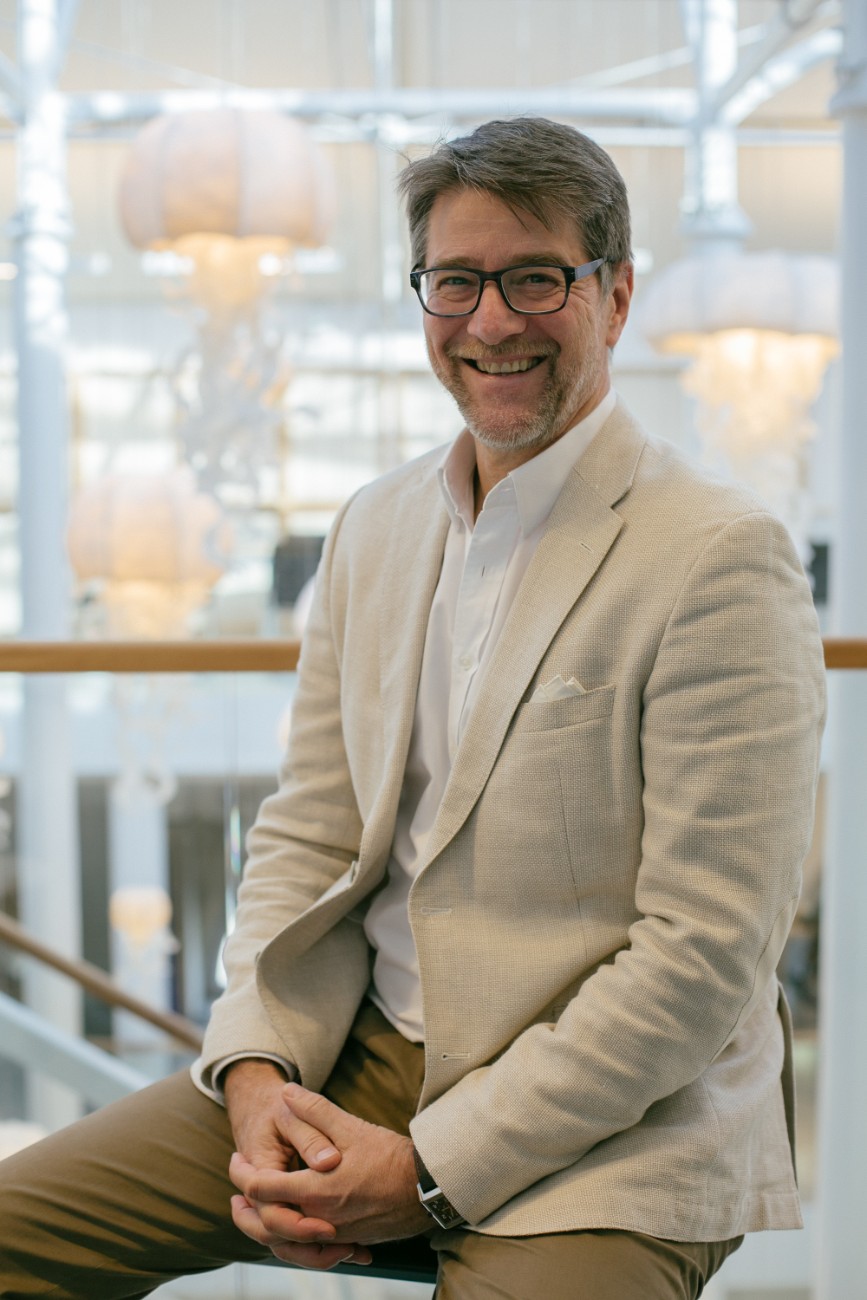
India’s watch-collecting community has grown considerably in sophistication over the last few years. How much of that growth do you think created the demand for a course like this?
KK: Almost entirely. Ten years ago, the conversation in India was largely about brands and status. Today, collectors talk about movement architecture, finishing, independent watchmakers, and the history behind a reference. Communities like The Hour Markers Community have played a huge role in that. Punit has created spaces where collectors share knowledge, challenge each other and learn together. Once people start learning that way, they eventually want something more structured and credible. Watch Essentials gives that informal knowledge a proper foundation.
The curriculum covers everything from mechanical movements to market players, materials and 700 years of history in just two days. How did you and FHH decide what absolutely had to make the cut?
KK: The core curriculum is FHH’s, and it has been refined over many years internationally, so the foundation was already very strong. Our role was to make sure it resonated with an Indian audience. The guiding principle was simple: what does someone need to understand to look at any watch and truly see it? That means understanding how a movement works, why materials matter, how the industry is structured, and how centuries of history shaped what we wear on our wrists today. It’s intensive, but it’s designed to give people a complete framework rather than scattered facts.
Who did you envision as the ideal participant when designing this course, a curious first-time collector, an industry professional, or somewhere in between?
KK: Honestly, all of them, and that’s the beauty of it. The course is foundational enough for a curious newcomer and rigorous enough to sharpen the knowledge of someone who works in retail, auctions or media. Some of the most interesting discussions happen when a seasoned collector and a young sales professional sit side by side and realise they each see watches differently. That mix is something we actively wanted.
Beyond the certification itself, what do you hope attendees walk away understanding about horology that they couldn’t have picked up simply by collecting watches on their own?
KK: Collecting teaches you a great deal, but it’s often shaped by personal taste, what’s available and what’s being talked about. A structured course connects the dots: why certain complications exist, why particular materials were adopted, how the industry evolved through crisis and reinvention. I hope people leave with a deeper respect for the craft and the ability to judge a watch on its own merits, rather than relying on hype or price.
The FHH Watch Advisor certification is the only internationally recognised credential of its kind. What value do you think that certification adds for someone already working in India’s luxury retail or auction space?
KK: Credibility, above all. Indian clients today are extremely well-informed; many have travelled, read widely and handled extraordinary pieces. A professional advising them needs to bring real expertise to the table. An internationally recognised credential signals that your knowledge meets a global standard set by Geneva. It builds trust with clients, strengthens your standing with brands, and frankly raises the bar for the whole industry in India.
Also Read: 4 Audemars Piguet Watches That Stand Out For Their Unconventional Design
Mumbai was chosen for this inaugural edition. Are there plans to bring Watch Essentials to other Indian cities, and what would that expansion timeline look like?
KK: Absolutely. Mumbai is the starting point, not the destination. Delhi, Bengaluru, Hyderabad and other cities have vibrant and fast-growing collector bases, and we’re already hearing from people there. We want to grow thoughtfully, keeping the quality of the experience intact, so we’ll take the learnings from this first edition and plan the next cities accordingly. We’ll share more on the timeline soon.
As India Partner of FHH, how do you see your role evolving beyond this course, in terms of building a broader culture of horological education in the country?
KK: I see us as bridge-builders between Geneva’s expertise and India’s enthusiasm. The course is one piece. Beyond it, we want to create more touchpoints: talks, masterclasses, collaborations with platforms like India Watch Weekend, and continued engagement with communities like The Hour Markers Community. The goal is for horological education in India to become ongoing, accessible and part of how people relate to watches, not a one-off event.
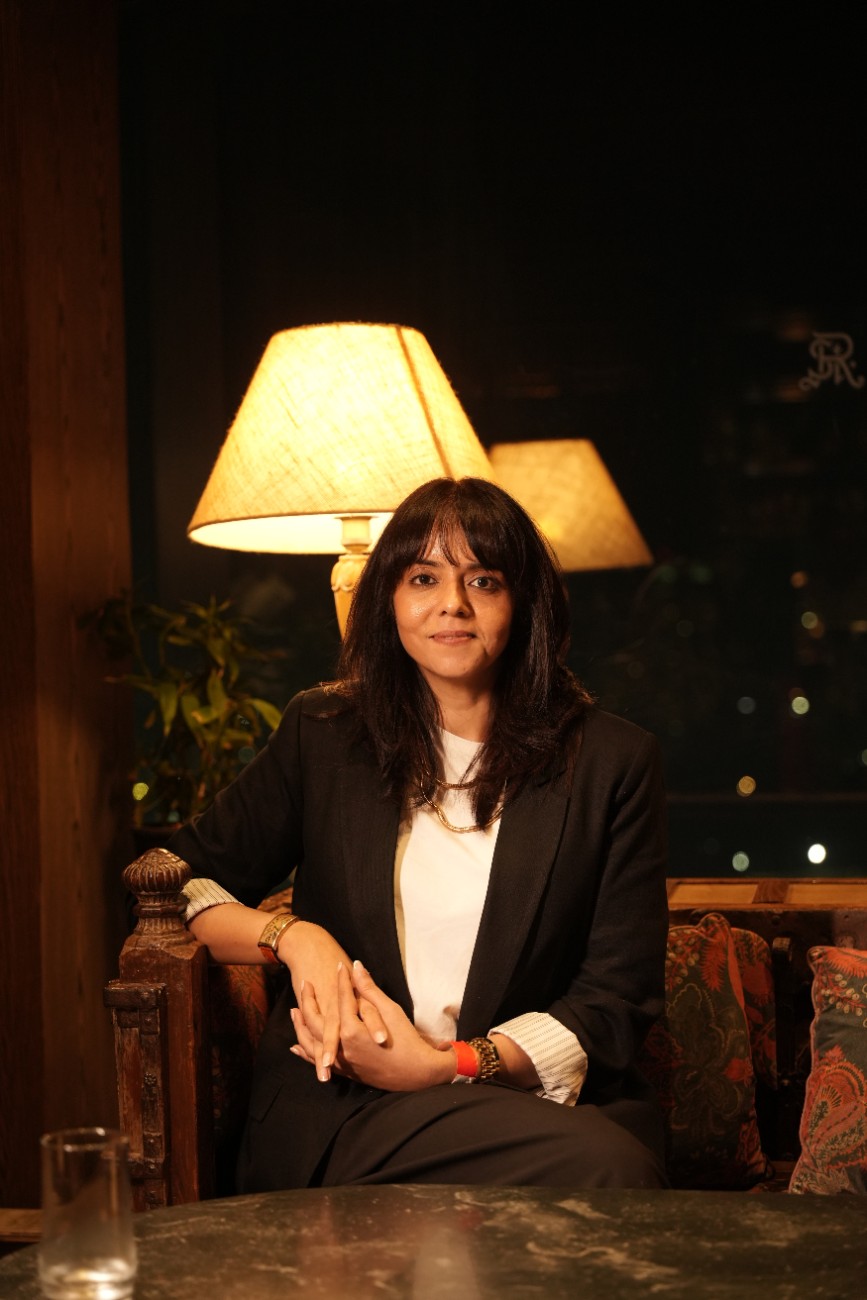
What has the response been so far from the Indian collector and enthusiast community to the idea of formal watchmaking education?
KK: It’s been incredibly encouraging. Collectors have welcomed it as something that was long overdue, and professionals see it as a real opportunity to grow. The The Hour Markers Community in particular has been a tremendous source of support and early enthusiasm, which says a lot about how hungry this community is to learn. Many people told us they’d been wishing for something like this for years.
Looking ahead, do you see India eventually hosting more advanced levels of FHH certification, beyond this introductory Watch Essentials course?
KK: That’s certainly the aspiration. Watch Essentials is the foundation, and once a strong base of certified participants is in place, the natural progression is towards more advanced learning. If the response continues the way it has started, I’m confident India will be ready for that sooner rather than later, and we would love to make it happen together with FHH.
If you had to describe in one sentence what this course means for the future of India’s relationship with fine watchmaking, what would it be?
KK: It marks the moment India moves from simply admiring fine watchmaking to truly understanding it, and that understanding is what will make India a genuine voice in the world of horology.