Patek Philippe Museum Celebrates 25 Years Of Preserving Watchmaking Heritage
An anniversary exhibition honours Philippe Stern’s vision with eleven treasures, from a Geneva enamelled cross of circa 1670 to the celebrated Calibre 89, and explores the ten values at the house’s heart
There are institutions that merely keep the past, and there are those that cherish it. When Philippe Stern founded the Patek Philippe Museum in 2001, he was moved by a conviction that the finest creations of human hands deserve a worthy abode, where they might be admired, studied and handed on to those yet to come. A quarter of a century later, that conviction has borne handsome fruit. The Museum’s 25th Anniversary Exhibition gives pride of place to this remarkable foundation, and invites the visitor to wander through the history of watchmaking from the sixteenth century onward, as well as through the annals of the Manufacture itself. The exhibition also presents a thoughtful survey of the ten fundamental values that define Patek Philippe, and which play so essential a part both in the company’s philosophy and in the making of its exceptional timepieces. Among the treasures assembled are rare early Geneva watches and some of the most complicated pieces in the world. Let us consider each in turn.
The Cross-Shaped Watch
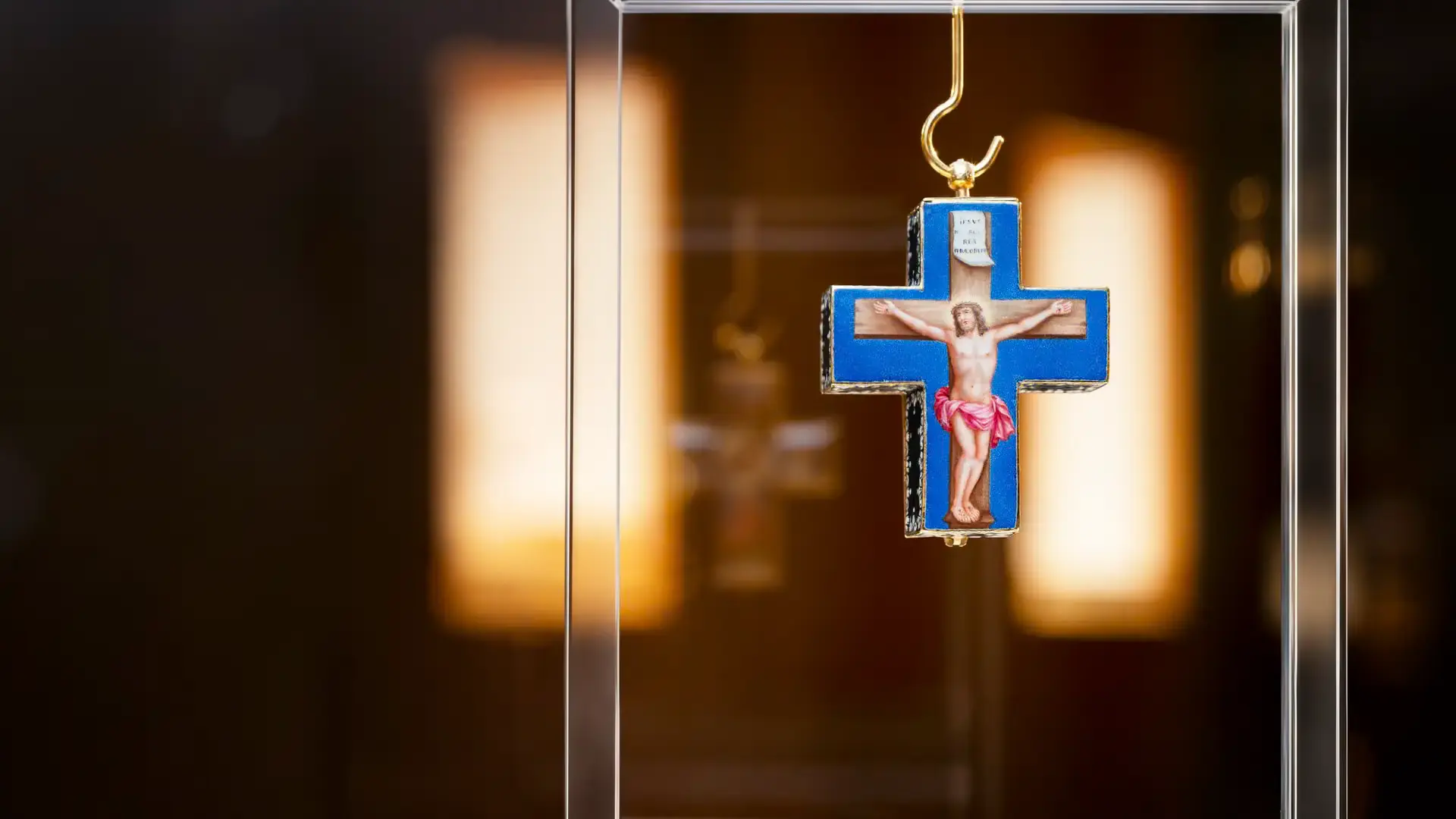
Earliest of all, and most venerable, is the cross-shaped watch of Geneva, circa 1670, painted in enamel on gold. It stands as a gentle reminder that the city’s association with the art of enamelling and horology reaches back centuries, to an age when a timepiece was as much a jewel as an instrument.
Also Read: Sotheby’s Geneva Auction Makes History With Record-Breaking Luxury Watch Sales
James Ward Packard
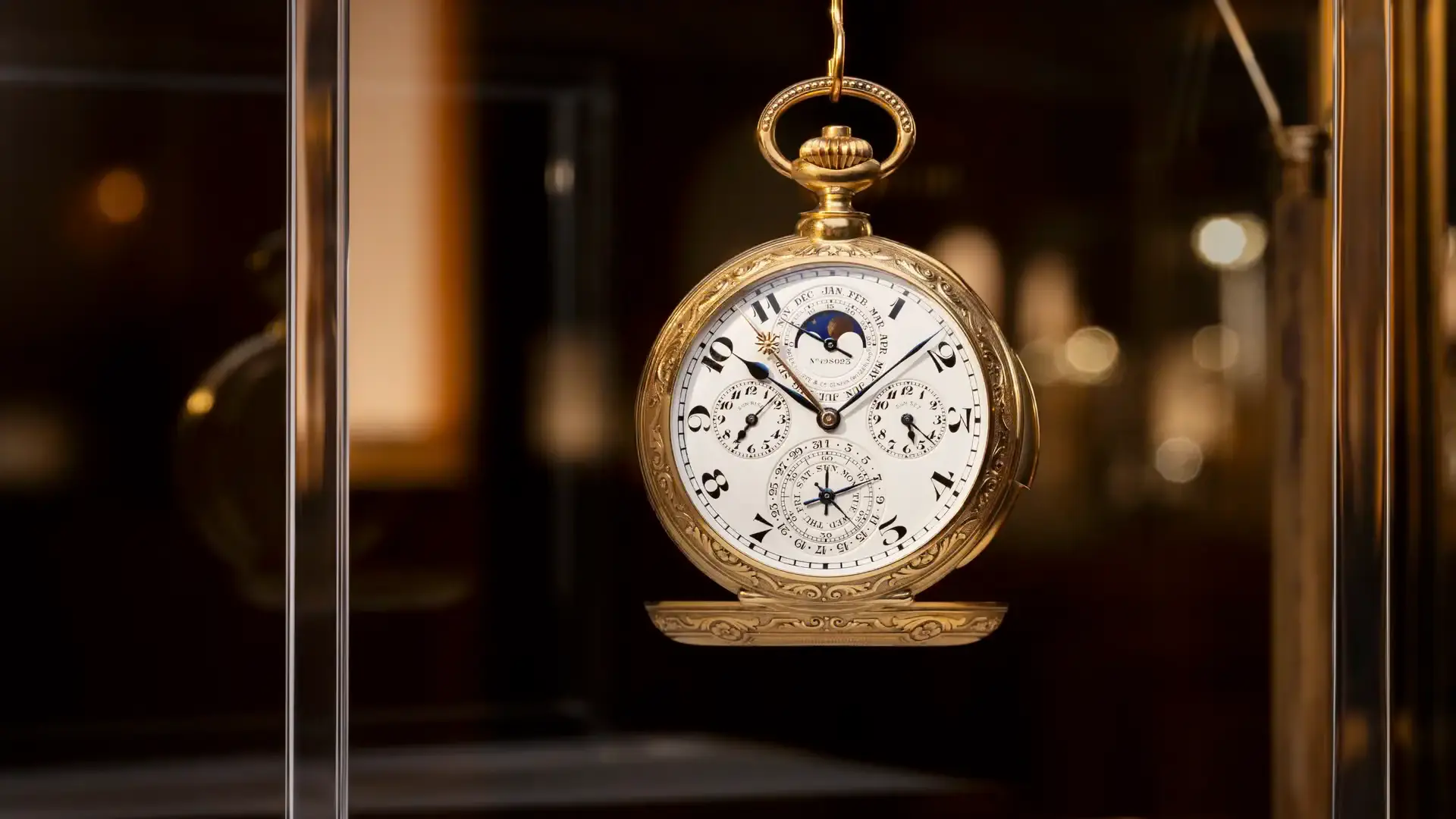
An open-face pocket watch of five complications, this piece bears the name of James Ward Packard, one of the house’s most distinguished patrons. It represents the high tradition of the bespoke pocket watch, commissioned by a connoisseur and wrought with exacting care.
The Calibre 89
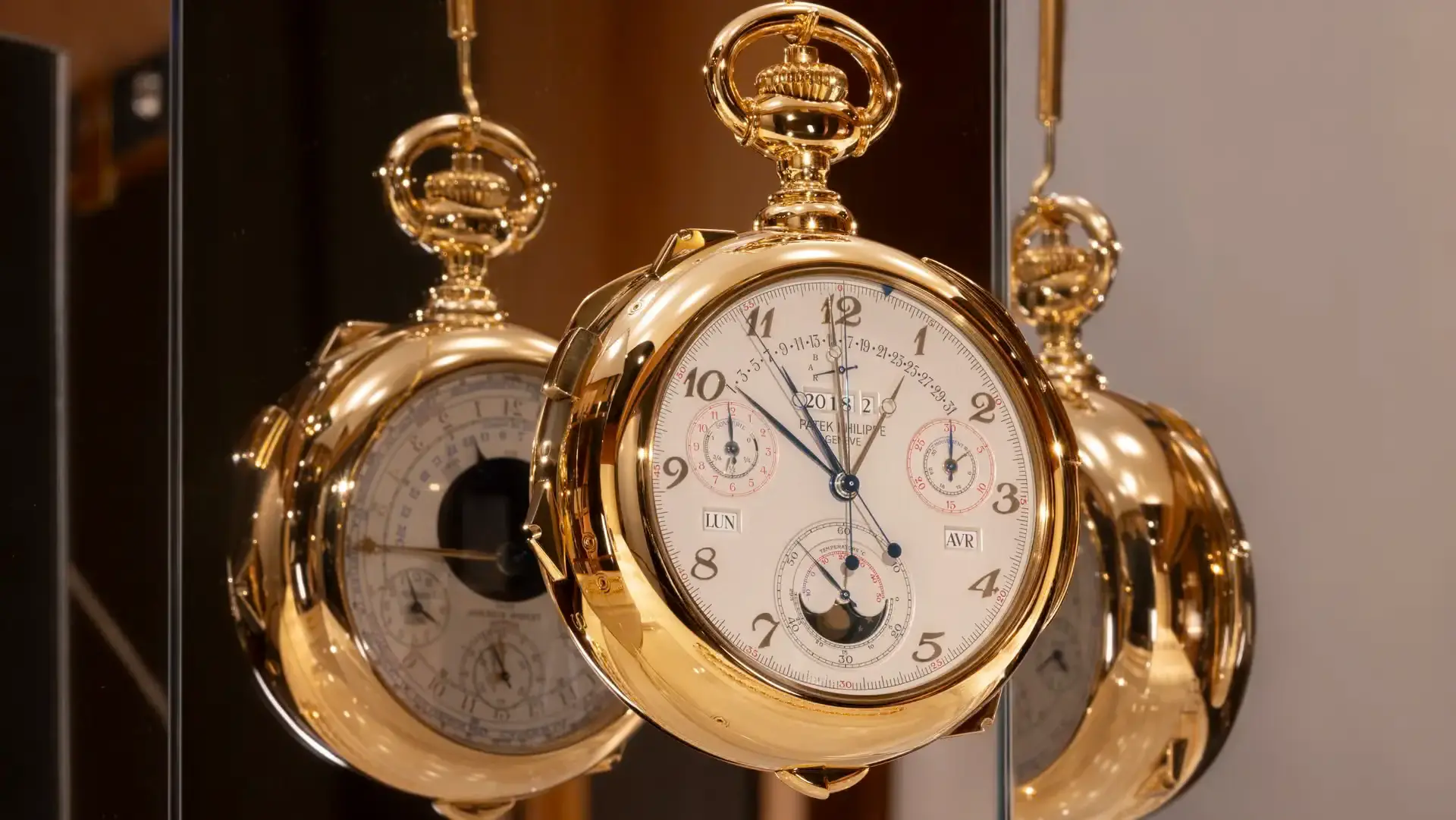
When unveiled in 1989, the Calibre 89 was the most complicated watch in the world. It remains a monument to ambition and mastery, and a landmark in the story of horological achievement.
Venus Binding the Wings of Love
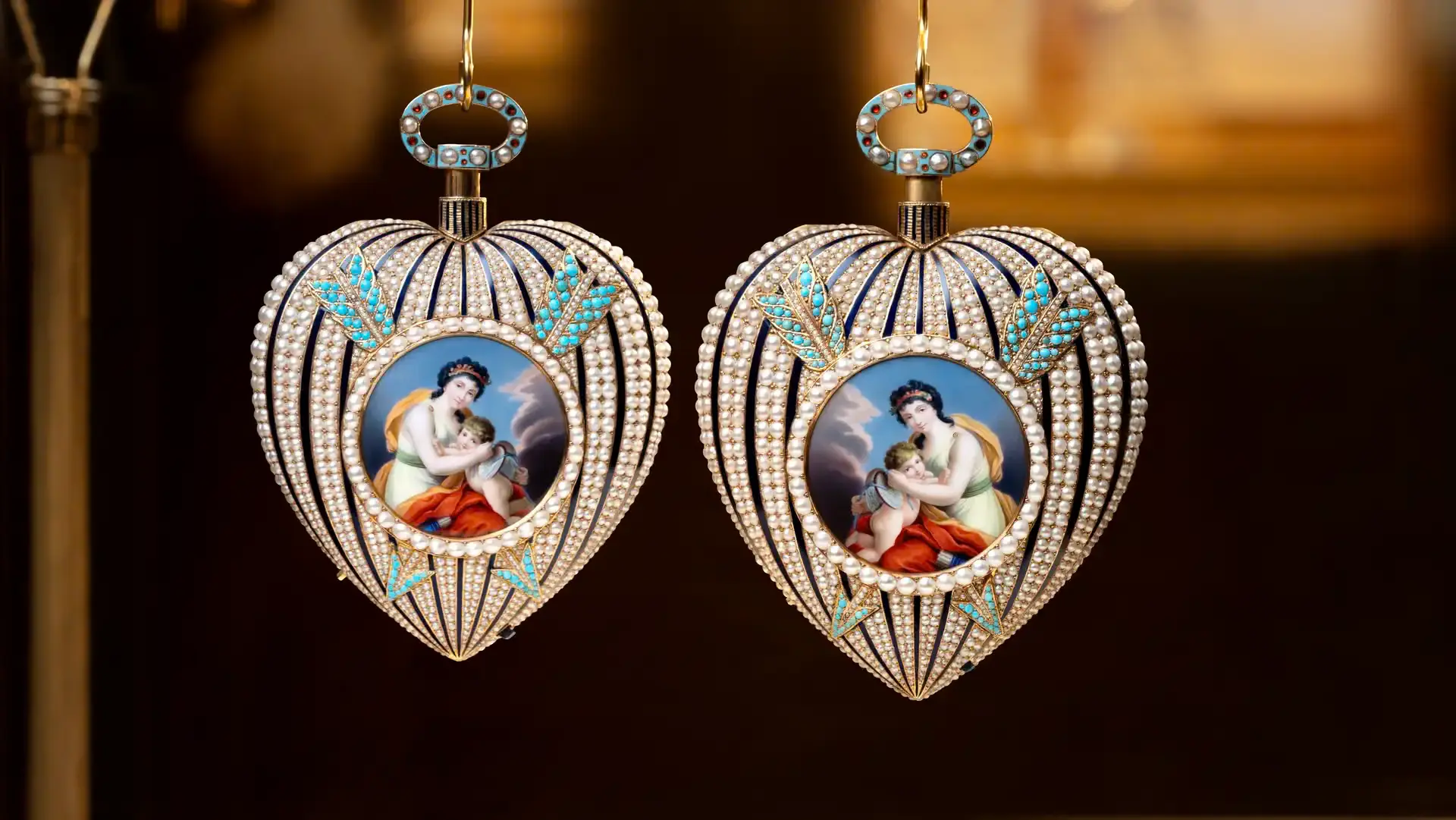
Romance finds its voice in this pair of mirror-image, heart-shaped watches. Conceived as companions, they embody the sentiment of devotion in gold and enamel, one watch answering the other as a lover’s glance.
The Eiffel Tower
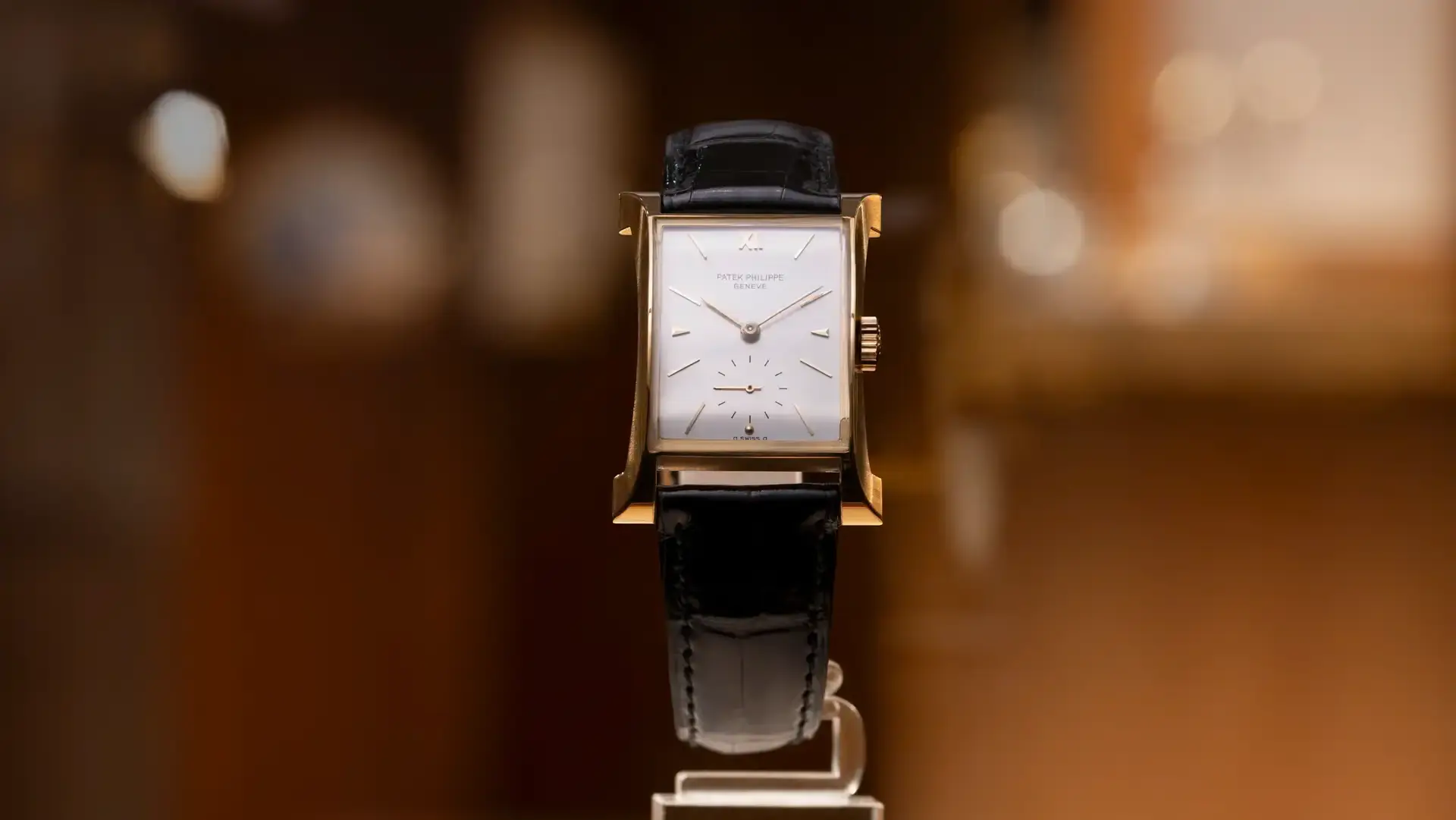
A rectangular gentleman’s wristwatch of 1947, named for the celebrated Parisian monument. Its architectural lines recall the elegance of the age in which it was made.
Minute Repeater
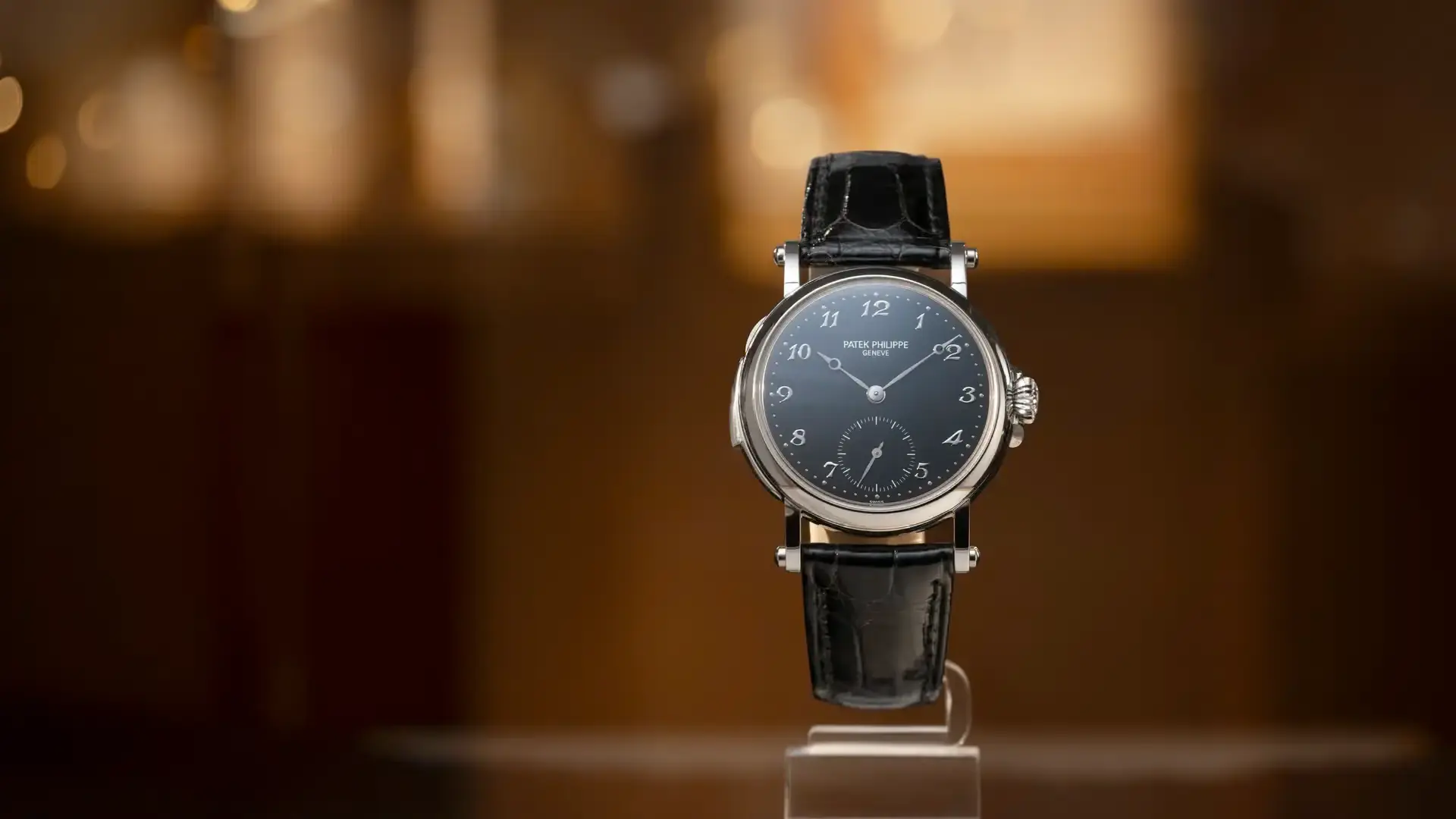
This gentleman’s wristwatch of 1997 chimes the time upon demand, one of the most prized and difficult of complications. It carries the old art of the repeater, once the preserve of pocket watches, to the wrist.
10 Day Tourbillon
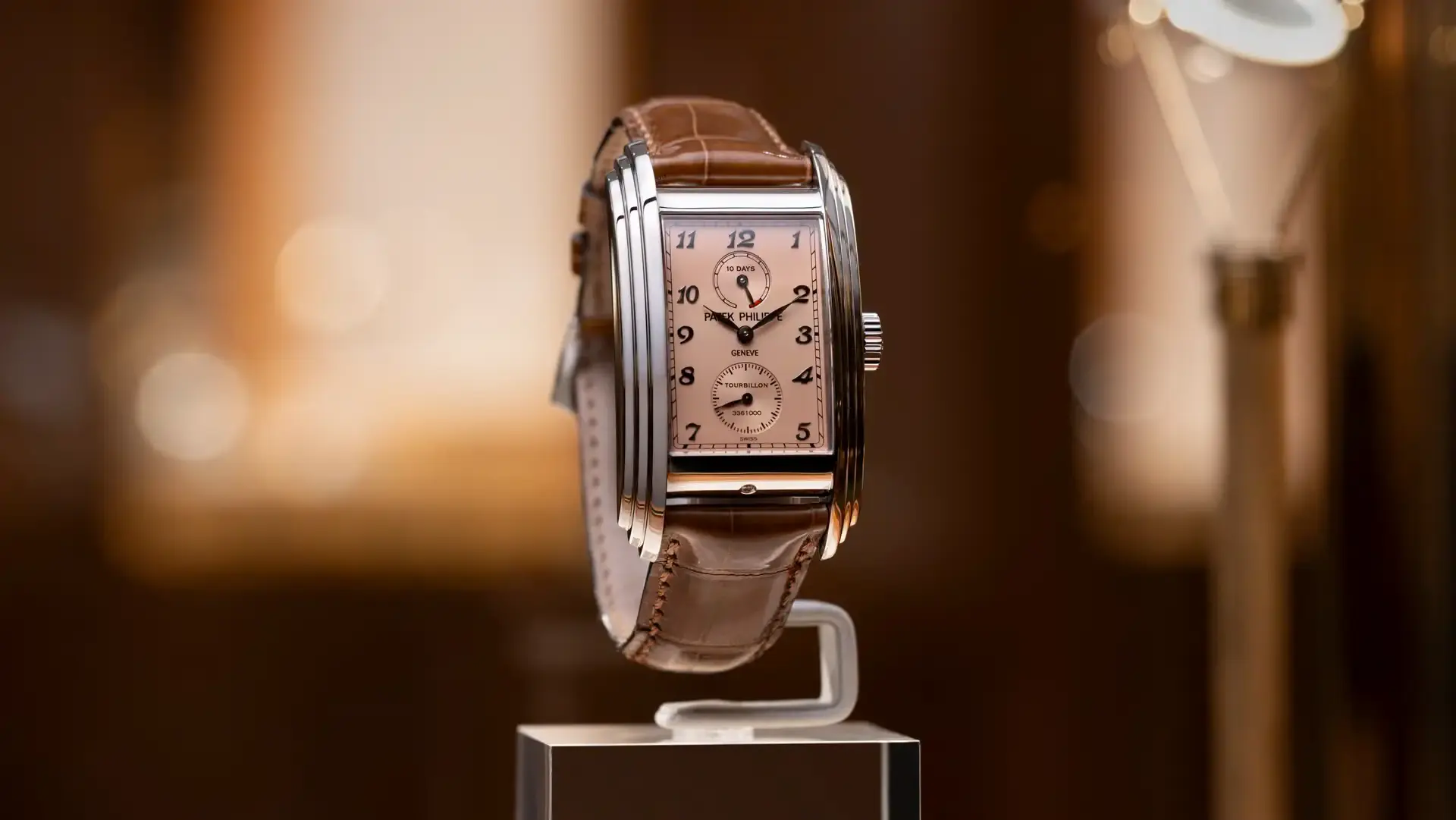
A gentleman’s chronometer wristwatch of 2003, this piece combines the tourbillon, that celebrated device for improving accuracy, with an exceptionally long running time of ten days. Precision and endurance are thus united in a single instrument.
Mother and Child
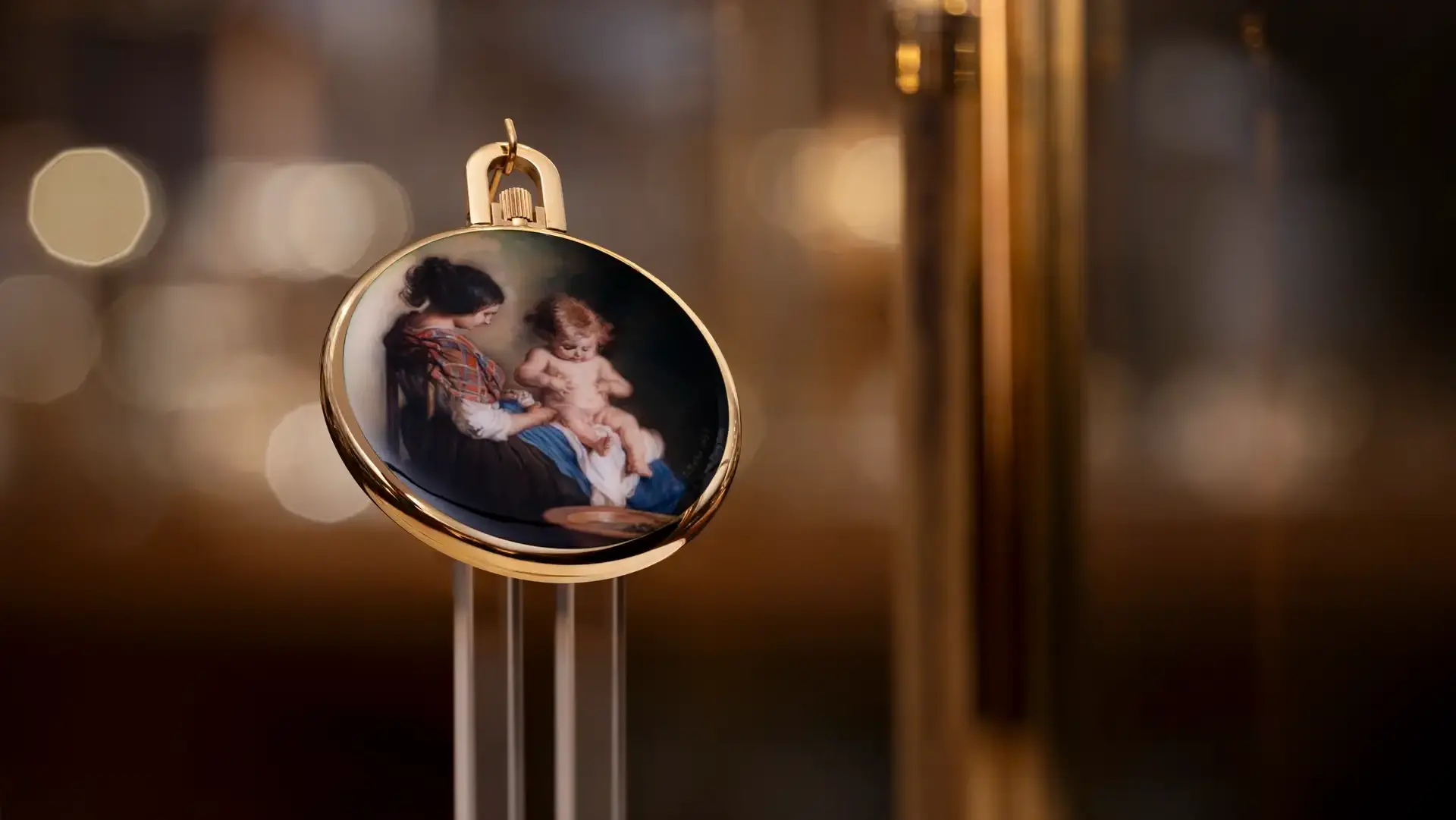
An open-face dress watch, made in Geneva in 1969, this work belongs to the house’s tradition of artistic crafts. Its subject, tender and timeless, reminds one that a watch may serve as a miniature canvas.
World Time Chronograph
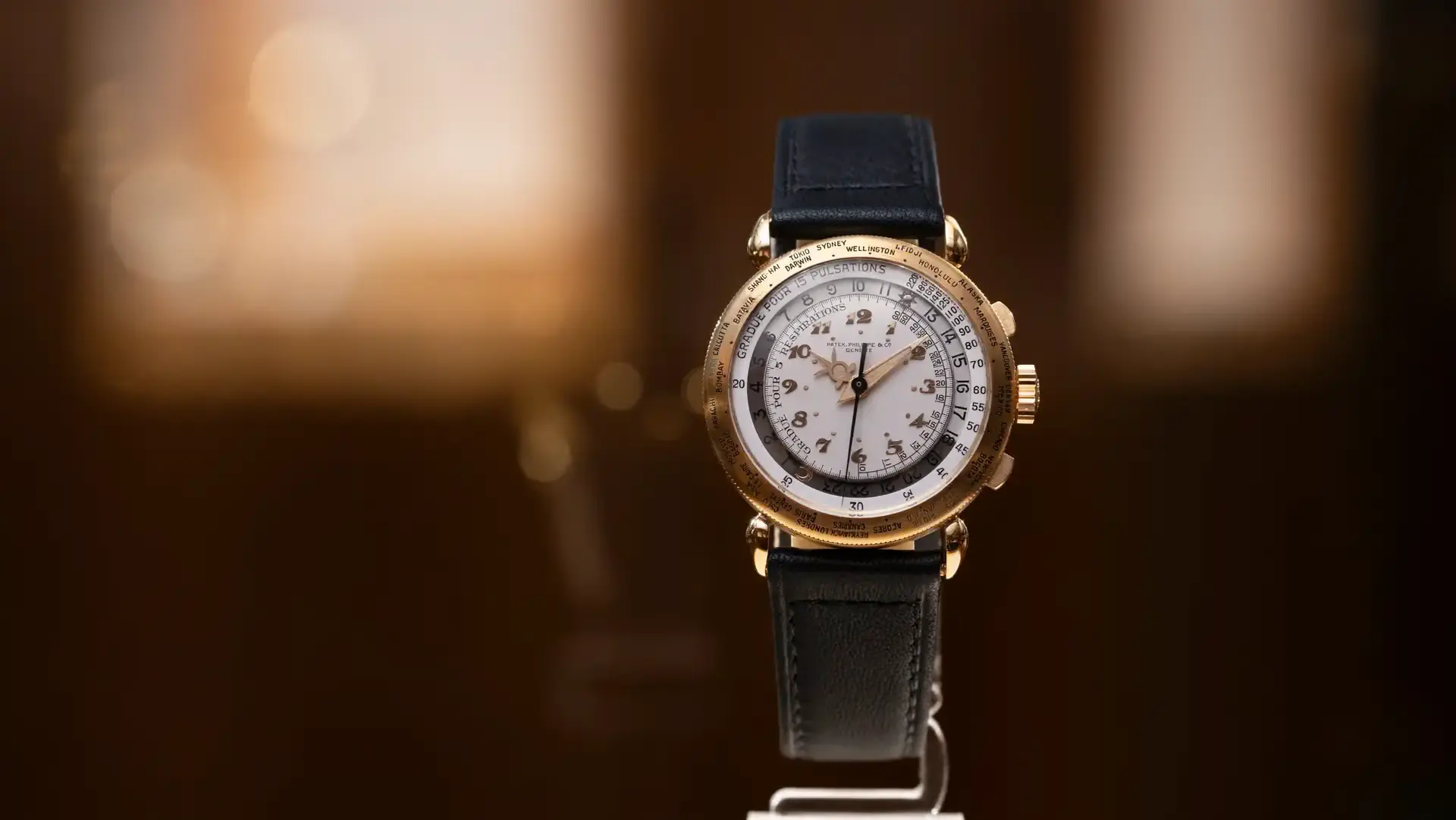
Dating from 1940, this gentleman’s wristwatch looks to the wide world. It joins the chronograph with the display of world time, a union well suited to the traveller and the man of affairs.
The Crow and the Fox
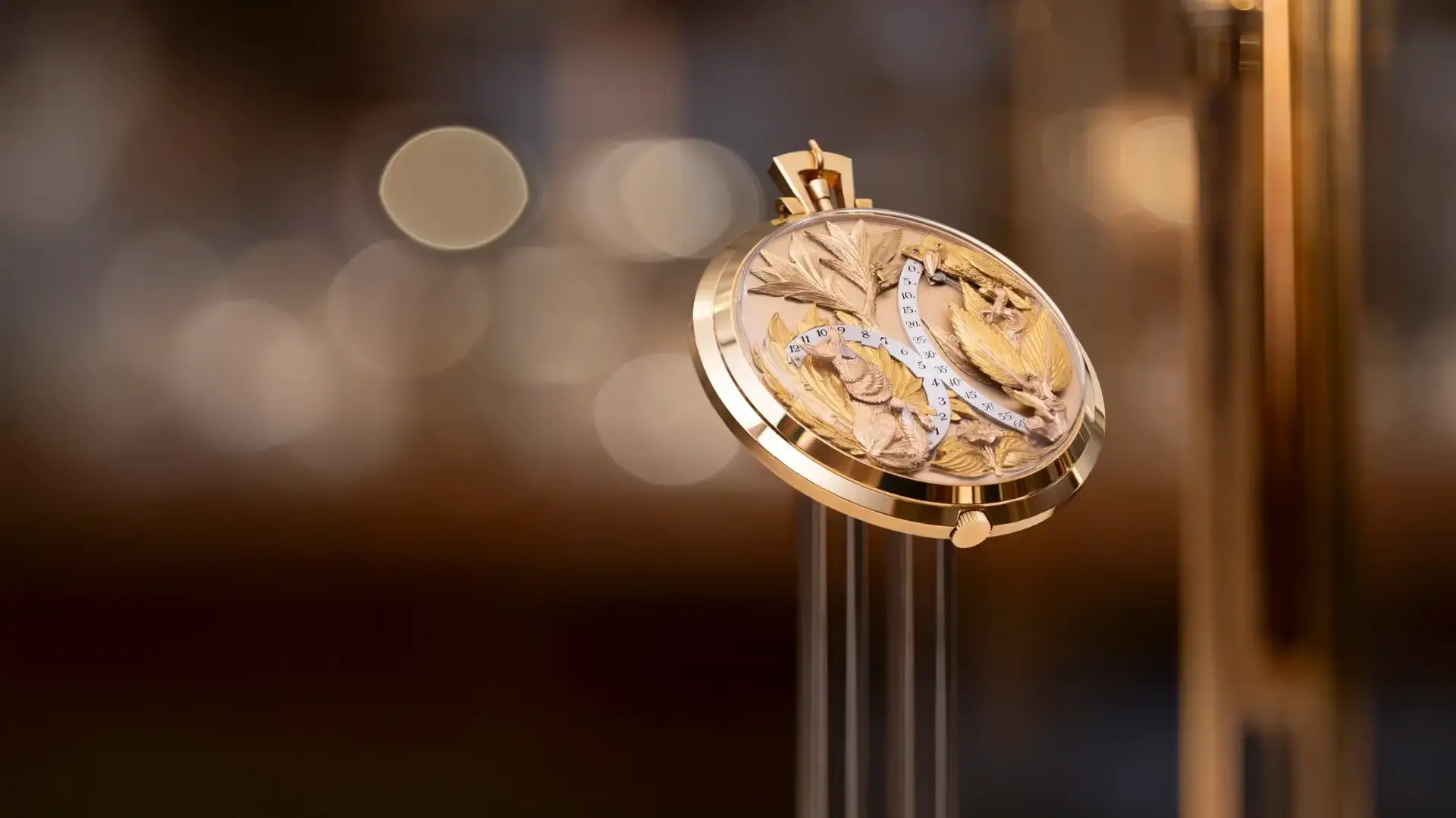
A rare Handcrafts timepiece of 1956 and 1958, inspired by La Fontaine’s celebrated fable. Here the art of the miniature craftsman is turned to storytelling, and a moral tale is rendered upon a watch.
Charles Stern and Henri Stern’s Perpetual Calendar Wristwatch
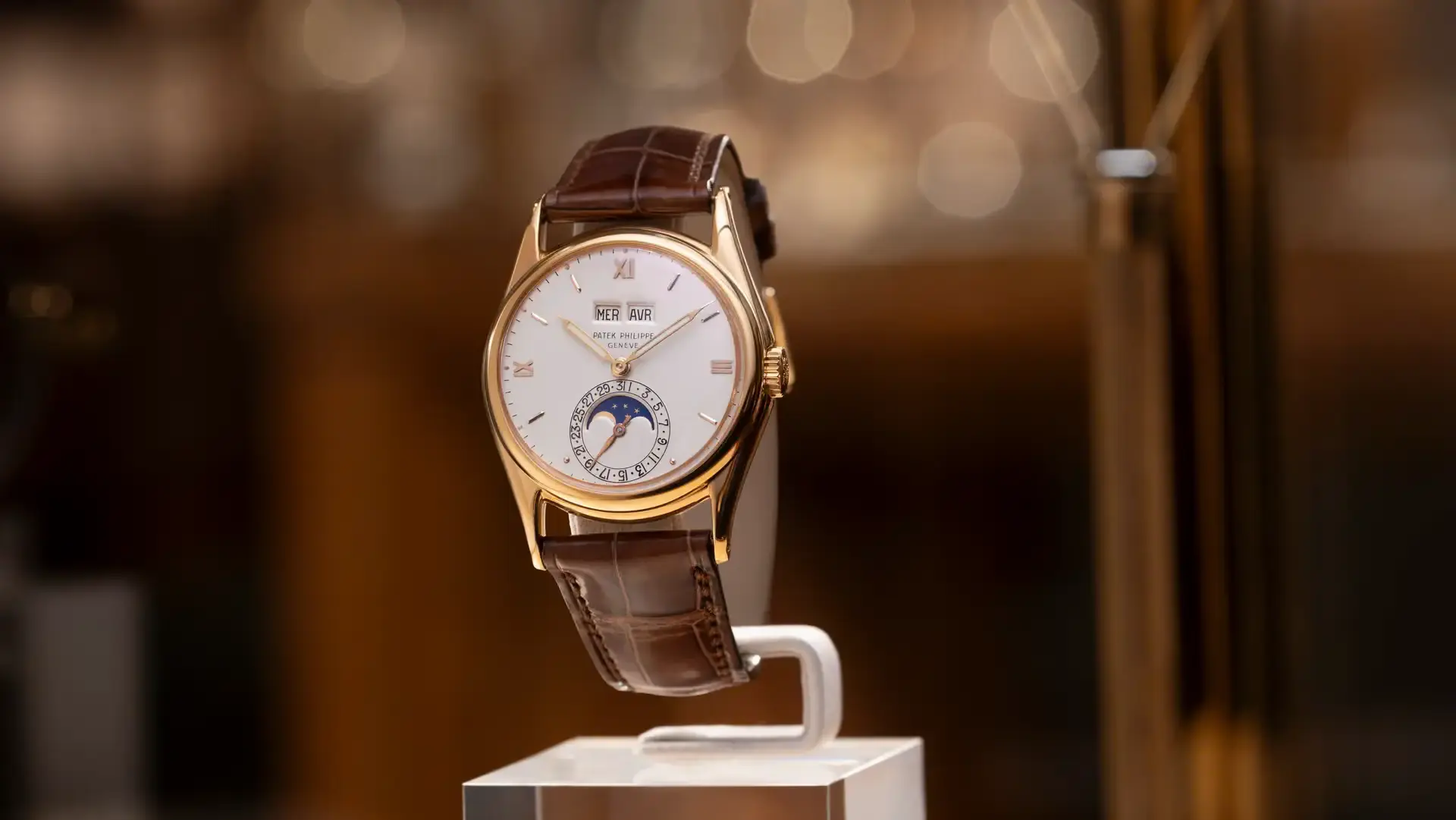
Most intimate, perhaps, of all is this gentleman’s heirloom wristwatch of 1943, associated with Charles Stern and Henri Stern. A perpetual calendar, it speaks of family, continuity and the handing down of beautiful things from one generation to the next.
A Living Heritage
Taken together, these treasures span centuries of watchmaking innovation, craftsmanship and design. They bear witness to a rare devotion, and to the wisdom of a man who saw that the finest achievements of the past must be preserved if the future is to be worthy of them. After twenty-five years, the Museum stands as proof that heritage, kept with love, only grows richer.