The Forgotten Watchmaking Techniques Preserving Haute Horlogerie
Hand guilloché, grand feu enamel, hand engraving and black polishing represent centuries of artisanal expertise, yet fewer watchmakers continue to practise these painstaking techniques in an era increasingly defined by automation
Some skills cannot be rushed. You can teach someone to assemble a watch in a matter of months. You can programme a machine to engrave patterns with astonishing precision. You can even automate finishing techniques that once demanded decades of experience. But there remain a handful of crafts that refuse to surrender to efficiency. They exist only because a master artisan has spent years perfecting movements so subtle they border on instinct. These techniques are not merely decorative. They are living traditions passed from one generation to the next, each requiring extraordinary patience, remarkable dexterity and countless hours of painstaking labour. Yet as production becomes faster and skilled artisans grow fewer, many of these crafts are quietly disappearing from modern watchmaking. Today, they survive in only a handful of independent workshops and the ateliers of the world’s finest maisons.
Hand Guilloché Is Mechanical Poetry in Metal
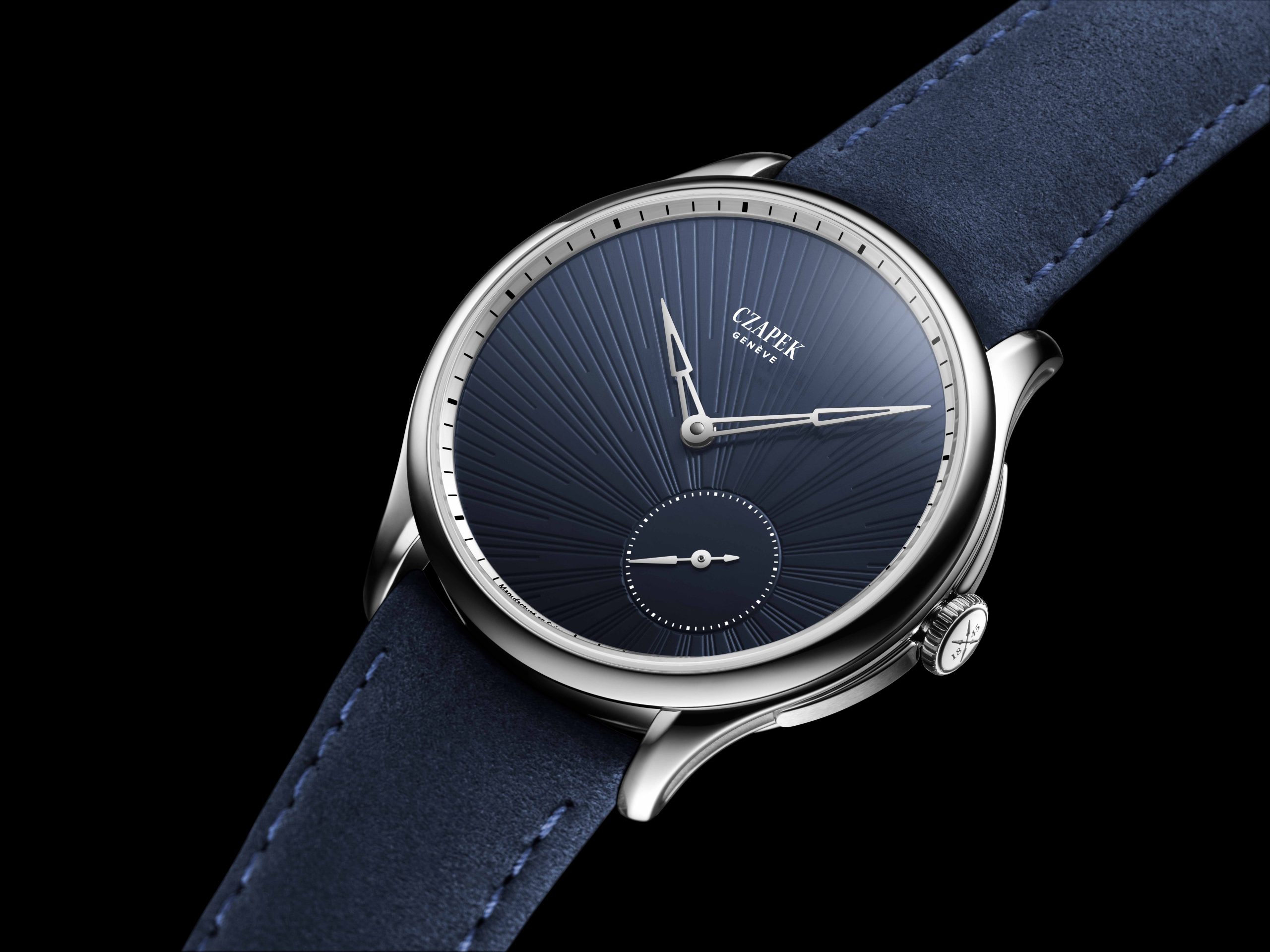
Before stamped dials and laser engraving became commonplace, guilloché was created entirely by hand using centuries old rose engines and straight line machines. Every intricate geometric pattern is cut individually into the metal surface, producing remarkable depth and the mesmerising way light dances across the dial. Mastering guilloché takes years, and only a handful of artisans worldwide still possess the knowledge to operate these antique machines. Each dial is subtly unique, making genuine hand guilloché one of haute horlogerie’s most respected decorative arts.
Also Read: The Hidden World of Italian Horology Every Watch Collector Should Know
Grand Feu Enamel Demands Absolute Perfection
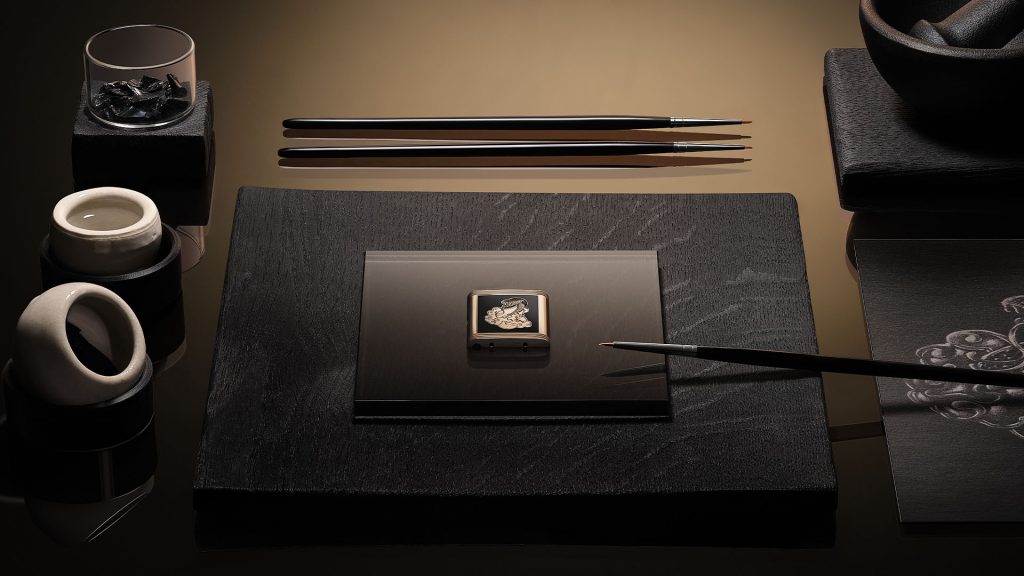
Enamel possesses a beauty that paint can never imitate. Produced by layering powdered glass onto a dial and firing it repeatedly in a kiln at temperatures exceeding 800 degrees Celsius, Grand Feu enamel develops extraordinary depth, permanence and brilliance. The process is unforgiving. A tiny imperfection, an unexpected crack or a slight variation in temperature can destroy hours of meticulous work in an instant. Because success is never guaranteed, true enamel dials remain among the most technically demanding creations in fine watchmaking.
Hand Engraving Preserves Individual Craftsmanship
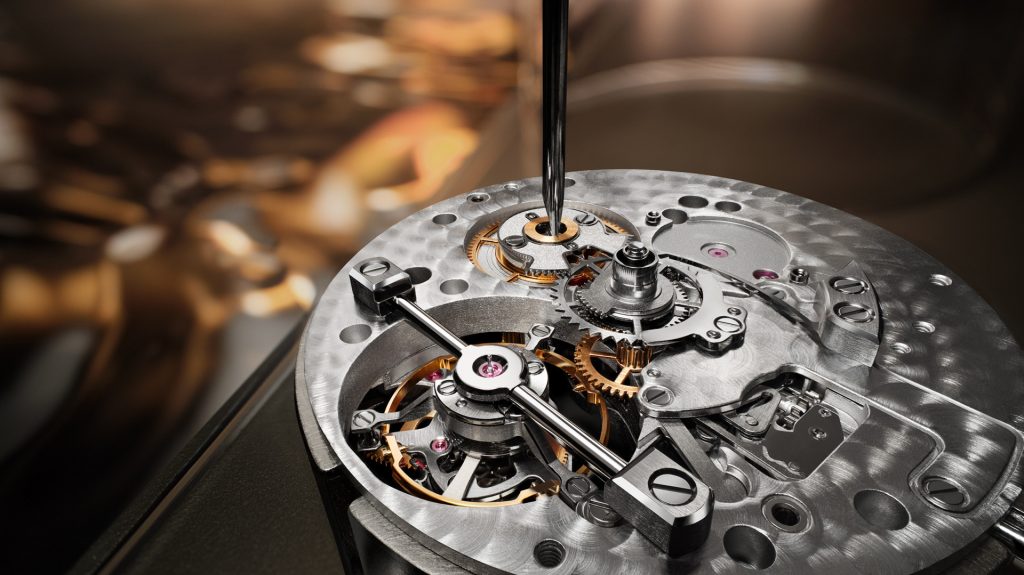
No two engraved watches are ever completely identical. Whether decorating movement bridges, balance cocks, rotors or cases, hand engraving transforms mechanical components into miniature works of art. Using traditional gravers and chisels, artisans carve elaborate floral motifs, scrollwork and bespoke patterns entirely by hand, often under powerful magnification. The process is exceptionally time consuming, but it ensures every engraved watch carries the unmistakable signature of its maker rather than the uniform precision of a machine.
Also Read: An Affair With Time: The Finest Luxury Watches, And Jewellery For Collectors And Connoisseurs
Black Polishing Remains The Ultimate Test of Finishing
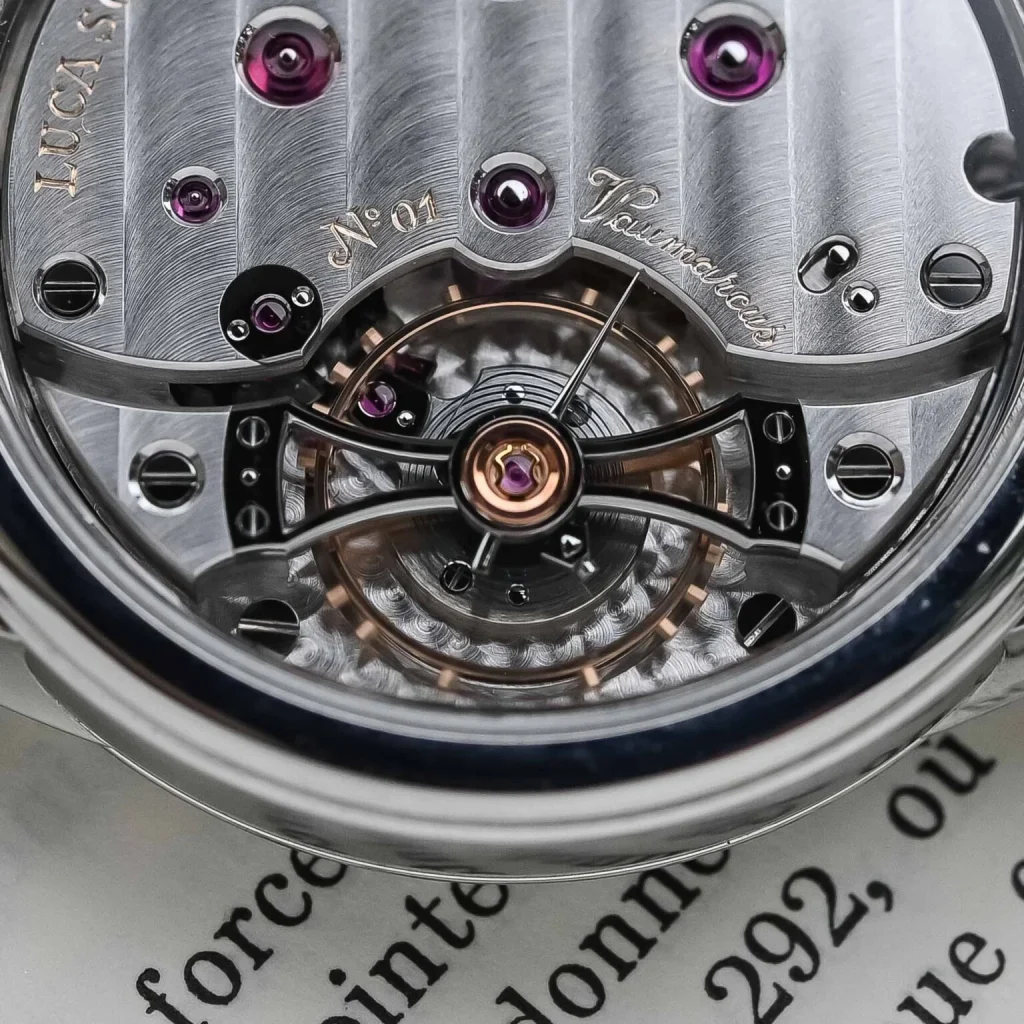
Among collectors, black polishing is often regarded as the highest expression of traditional hand finishing. Using progressively finer abrasives on perfectly flat surfaces, an artisan painstakingly polishes steel until it reflects light in only one direction. Viewed from one angle it gleams like a mirror; tilt it slightly and it appears completely black. Achieving this flawless optical effect demands extraordinary patience, microscopic precision and countless hours of manual work. It is a finish so demanding that only a select few watchmakers continue to practise it regularly, making it one of the clearest indicators of true haute horlogerie craftsmanship.
The Crafts That Keep Watchmaking Human
Luxury watches may increasingly embrace advanced materials, silicon components and automated manufacturing, but their soul still resides in the hands of the artisan. Hand guilloché, Grand Feu enamel, engraving and black polishing remind us that the finest timepieces are not simply engineered; they are created through skills refined over generations. As these crafts become rarer, they grow even more valuable—not merely because they are difficult to master, but because they preserve the human artistry at the very heart of watchmaking.