Three Traditional Art Forms That Keep The Art Of Horology Alive
Vietnamese lacquer, Japanese Edo Kiriko and Indian Warli art are bringing centuries of cultural heritage to the dial, proving that independent watchmaking is as much about storytelling as telling time
For as long as watches have existed, art has quietly shaped them. Early makers borrowed the skills of enamellers, engravers and painters, and in doing so turned a functional instrument into an object of beauty. Over time, the dial has become the most expressive surface in watchmaking, a small canvas where craft, culture and imagination meet. Where it once existed simply to display the hour, the modern dial can carry layers of lacquer, cut glass patterns or hand-painted folk motifs, each telling a story that goes far beyond the time. Collectors have noticed. They are increasingly drawn to watches that reveal the hand of the maker and the soul of a tradition, where a dial feels less like a face and more like a miniature artwork worn on the wrist. This shift is especially visible in independent watchmaking, where small teams are free to look beyond Swiss conventions and draw on the artistic heritage of their own cultures. Outlook Luxe takes a look at three traditional art forms, Lacquer, Edo Kiriko and Warli art, that are keeping the art of horology alive.
Lacquer: Depth Built in Layers
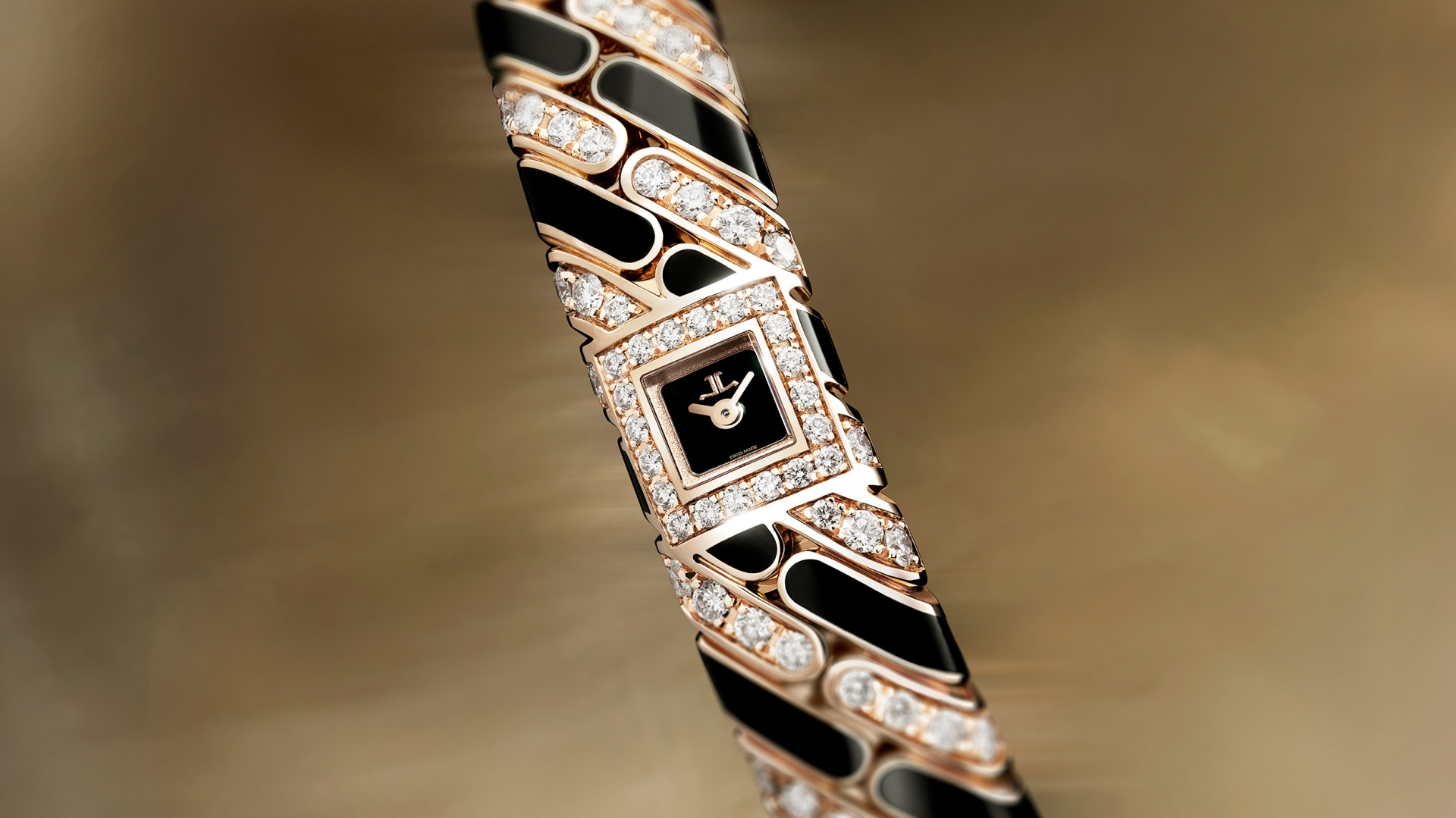
Lacquer is a patient art. Its beauty comes from building depth through layers of colour, each applied, dried and polished until the surface seems to glow from within. The result is a rich, luminous finish with a quality that printed or stamped dials struggle to match. In watchmaking, it finds a striking champion in AWAKE, whose Sơn Mài dials draw on traditional Vietnamese lacquer. Rooted in a centuries-old craft, the technique brings warmth, depth and a distinctly handmade character to the dial. Light seems to sink into the surface and rise again, shifting as the wrist moves. It is a reminder that some of the most beautiful effects in horology come from time-honoured methods rather than new technology.
Also Read: Black Watches For Men and Women: 5 Timepieces That Embody Dark Luxury
Edo Kiriko: Light, Cut by Hand
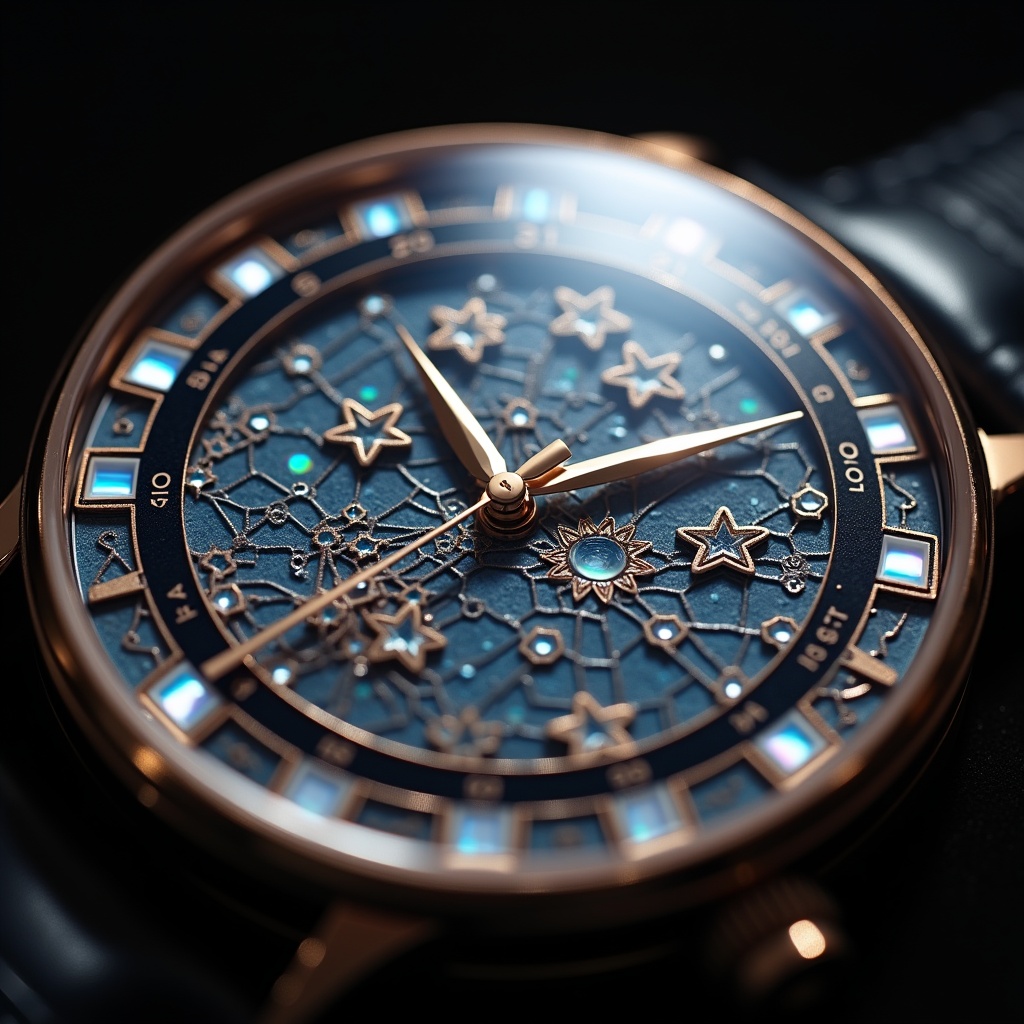
Edo Kiriko is Japan’s celebrated tradition of cut glass, known for sharp geometric patterns carved by hand into the surface, so that light is caught, bent and scattered in every direction. Precision is everything. A single stray cut can spoil the pattern, so the craft demands steady hands and years of experience.
Japanese independent watchmaker Daizoh Makihara brings this art to the wrist with Edo Kiriko inspired designs, translating its geometry and the interplay of light into the language of the dial. The effect is crisp and mesmerising, a play of lines and reflections that changes with every angle. For collectors who love technical exactness as much as beauty, it is an elegant meeting of two disciplines built on discipline and detail.
Warli Art: India’s Visual Heritage on the Dial
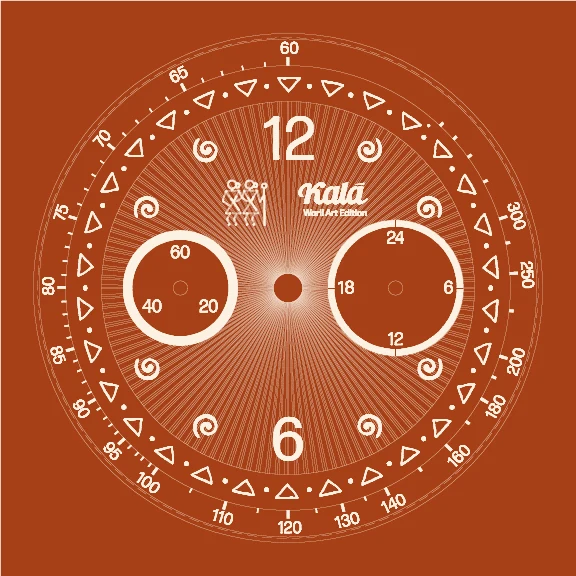
Warli art takes a different path altogether. Rooted in India’s rich folk traditions, it uses simple shapes, circles, triangles and lines, to depict daily life, dance, community and nature. Its charm lies in that simplicity, which carries a deep sense of rhythm and storytelling. Kala Watch Co. honours this heritage with its Warli Art Edition, connecting the dial to India’s visual traditions and bringing a living folk art into contemporary watchmaking. It is a heartening example of how a watch can reflect the culture of its makers, and how independent brands can offer something that no mass-produced timepiece could. Here, the dial becomes a window into a story rather than a surface to be read.
A World Beyond Swiss Convention
Each of these three arts represents a different idea of watch design. Lacquer builds depth through layers of colour. Edo Kiriko offers geometric precision and the play of light. Warli connects the dial to a vibrant visual tradition. Together, they show a fascinating side of independent watchmaking that deserves more attention: a world beyond familiar Swiss names, luxury conglomerates and standard mechanical formulas, where traditional crafts meet contemporary horology and both are better for it.