Top 5 Watches With Fascinating Design Inspirations
Jellyfish, Mesopotamian cities, hypercar engines, planetary orbits and Roman ruins prove that the finest watches begin with an idea long before the first screw is turned
Every great watch begins with an idea, and ideas have to come from somewhere. Since the first clockmakers looked up at the stars and wondered how to capture them in a mechanism, inspiration has quietly driven the art of watchmaking. Sundials followed the sun, early astronomical clocks traced the movements of the planets, and over the centuries, makers have turned to nature, architecture, engineering and even faraway civilisations for their next big idea. That curiosity is what separates a watch that simply tells the time from one that tells a story. A dial can echo the shape of a jellyfish, a case can recall the arches of an ancient city, and a movement can borrow the spirit of a roaring engine. These ideas often begin as small sparks, a sketch in a notebook or a memory from a childhood holiday, and take years of patient craftsmanship to bring to life. Today, a handful of watchmakers are still willing to step off the familiar path and follow that spark wherever it leads. The results are often surprising, sometimes playful and always memorable, giving collectors something to talk about long after the time has been read. Here are five watches whose inspirations are so unusual, and so beautifully realised, that they deserve a closer look.
MB&F HM7 Aquapod

Imagine a jellyfish. Now imagine a watchmaker looking at it and thinking: “I could make that tick.” That is the thinking behind the HM7 Aquapod, which MB&F launched in 2017 as its first aquatic-themed machine. Like its inspiration, it is radially symmetric, with a flying tourbillon on top where the jellyfish’s bell would sit, regulating the power gathered by a tentacle-like automatic rotor. Its bezel floats apart from the case like a lifebuoy, and the whole thing glows in the dark. The engine alone contains 391 components. It looks like a sea creature, a spaceship and a very expensive hallucination, all at once.
Also Read: Konstantin Chaykin’s New Mechanical Cufflinks Turn Timekeeping Into An Art
URWERK UR-100V
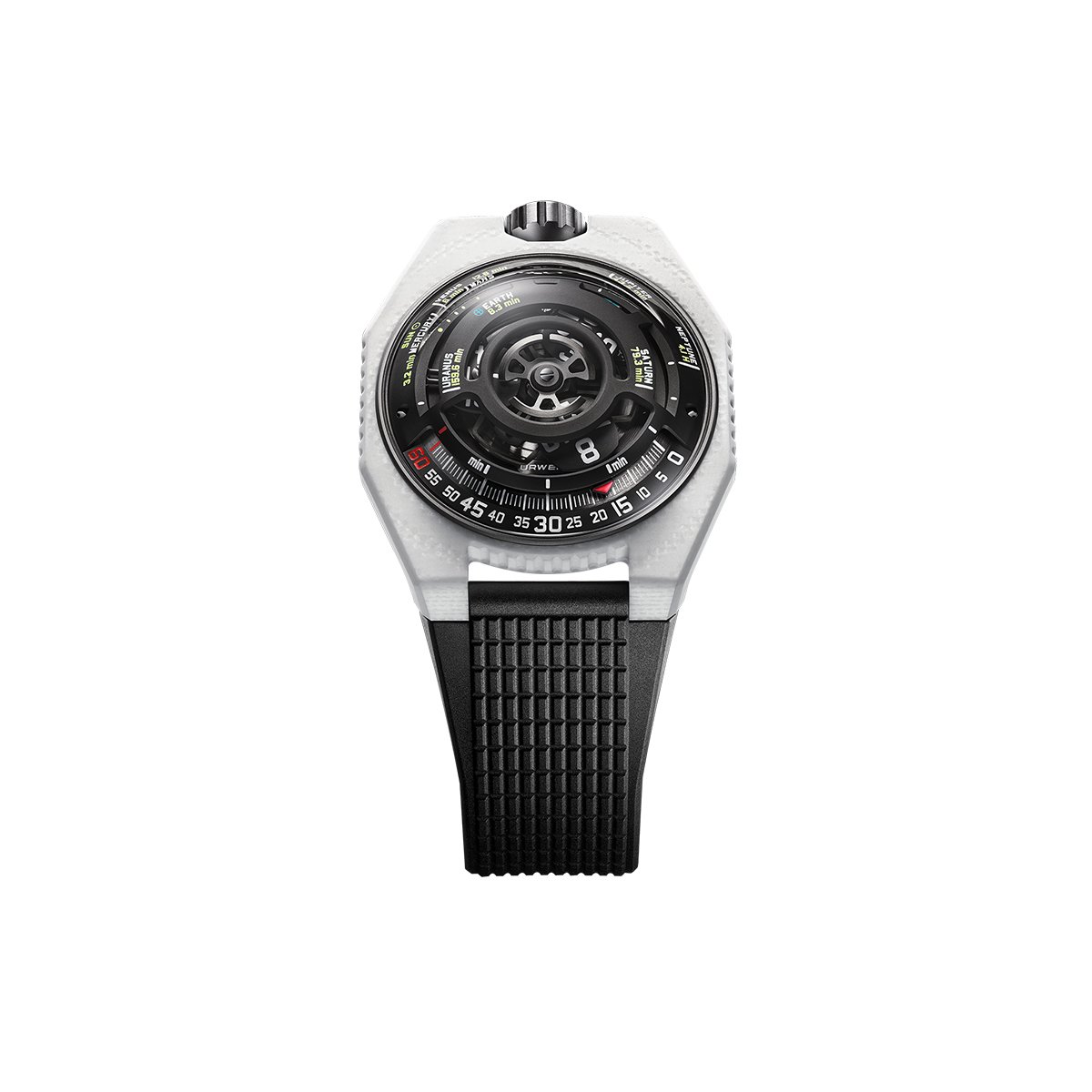
URWERK has never been content with hands that merely point. Its UR-100V Time and Culture II “Sumer” takes inspiration from ancient Mesopotamia, and specifically the city of Ur. The hours travel on rotating satellites, but the real trick is what else it shows: the distance covered by the city of Ur in the Earth’s rotation over 20 minutes, and the distance our planet travels around the sun in the same period. That is 35,742 kilometres, if you were wondering. Housed in a 41 mm steel and titanium case, limited to 30 pieces, it is powered by the automatic UR 12.02 calibre with 48 hours of power reserve.
Jacob & Co. Bugatti Chiron Tourbillon
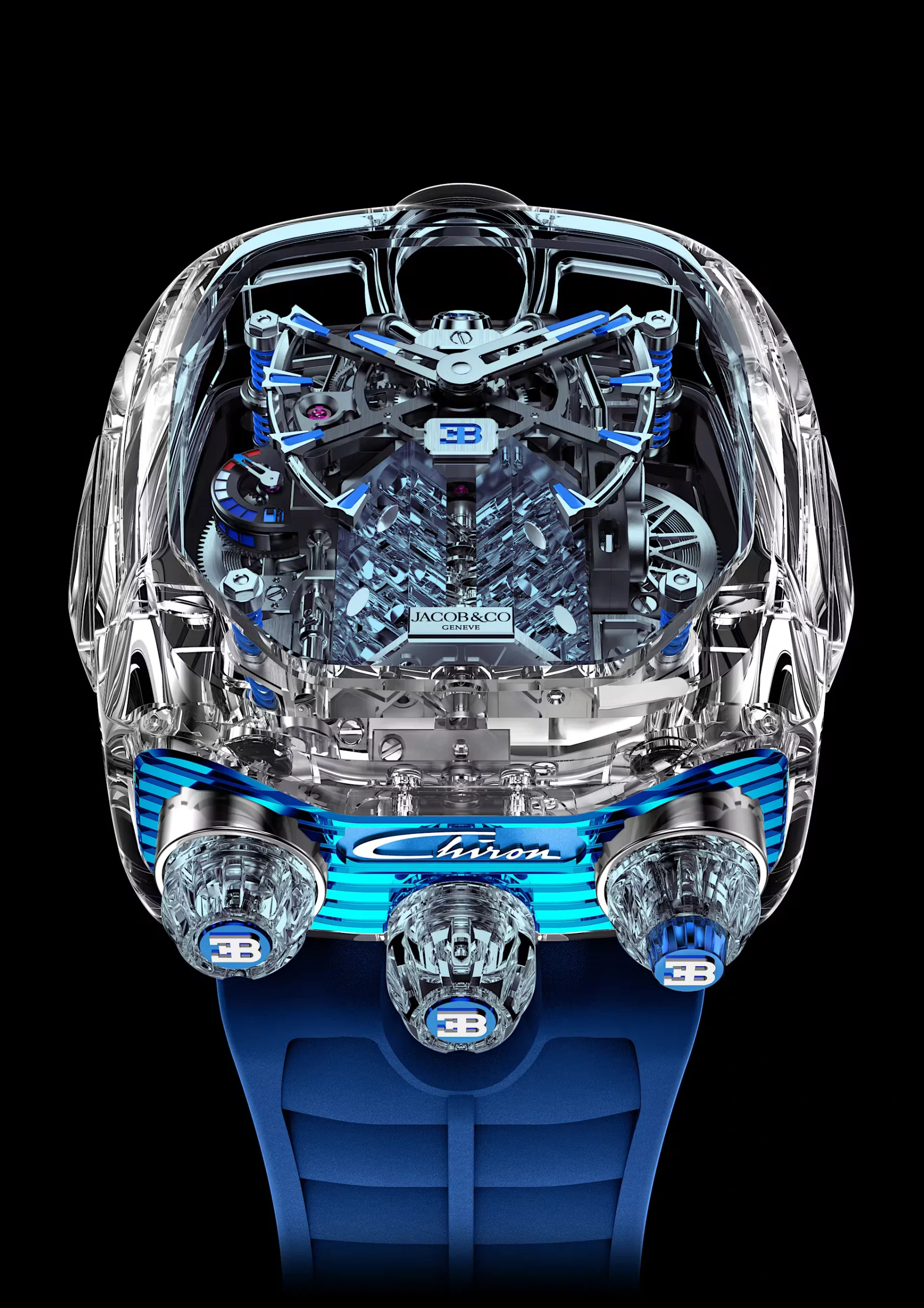
Plenty of watches have been inspired by supercars. Very few have attempted to put an engine inside one. Created with Bugatti, the Chiron Tourbillon reproduces the sensation of the car’s 16-cylinder engine on the wrist, with a miniature W16 block under sapphire, complete with 16 pistons and a crankshaft that spring to life on demand with the press of a pusher. A flying tourbillon, inclined at 30 degrees, sits beside it, while the movement floats on shock absorbers like a car’s suspension. The power reserve gauge even carries a petrol pump symbol. The case follows the Chiron’s flowing lines, and it is gloriously, absurdly over the top.
Ressence Type 3
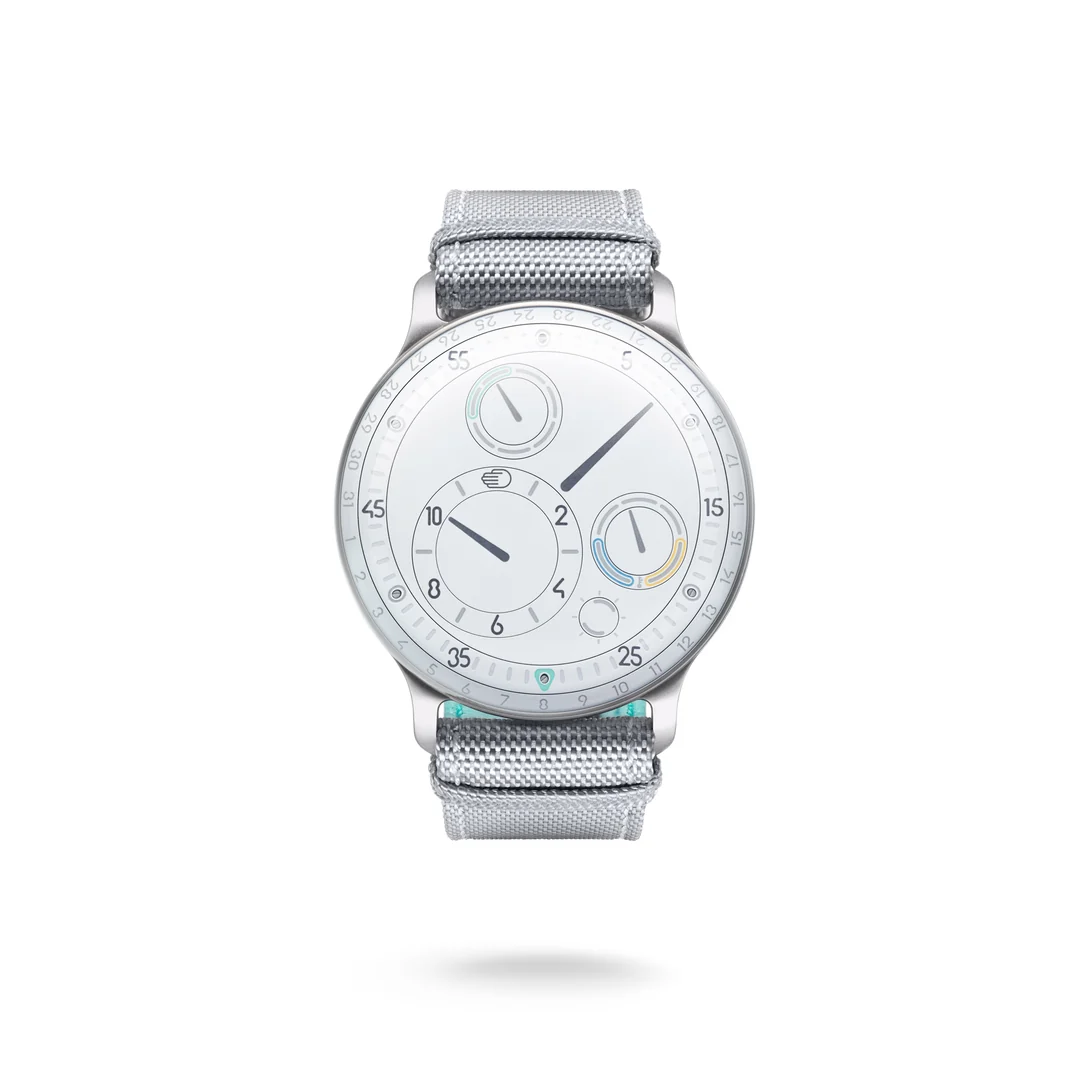
Where most makers draw inspiration from objects, Ressence looks to motion. Designed by Benoît Mintiens, the Type 3 uses the brand’s orbital system, in which the time is read from discs that rotate on top of one another, in a way that echoes planets circling in space. The dial is domed and flows smoothly into the sapphire, and the entire display sits in a case filled with oil, which keeps reflections to a minimum and the dial astonishingly clear. There are no hands sweeping across a face, no cluttered numerals, just a calm, almost serene presentation of time, as though the universe had been tidied up for dinner.
Bvlgari Octo Finissimo

The grandest source of inspiration may be a city. The Octo’s geometry draws on the architecture of Rome, with its monumental forms and layered shapes, reinterpreted into a faceted octagonal case that is as strong as an ancient basilica and as sharp as a Roman senator’s tongue. Bulgari then did something startling: it made the whole thing impossibly thin. The Octo Finissimo has earned 10 world records, a trophy cabinet that would make most brands weep. It is proof that heritage, in the right hands, can be the starting point for the future. It does not merely refer to Rome; it builds on it.