Why Marta Peris And José Toral Believe Housing Is The Foundation Of Great Architecture
Barcelona based Peris+Toral Arquitectes are redefining how architecture can strengthen communities with their work proving that the most meaningful buildings are those that place dignity, sustainability and everyday life at the very centre of design
There is something quietly radical about architects who choose homes over monuments. While much of contemporary architecture chases ever taller skylines and increasingly extravagant cultural landmarks, Marta Peris and José Toral have devoted their careers to the places where life actually unfolds. Founded in Barcelona in 2005, Peris+Toral Arquitectes has become one of Spain’s most influential practices by proving that housing deserves every bit as much imagination as museums, concert halls or corporate headquarters. Their architecture is deeply humane, balancing sustainability, craftsmanship and collective wellbeing to create spaces where communities can thrive for generations. In their hands, housing is no longer simply a response to necessity but an expression of dignity itself.
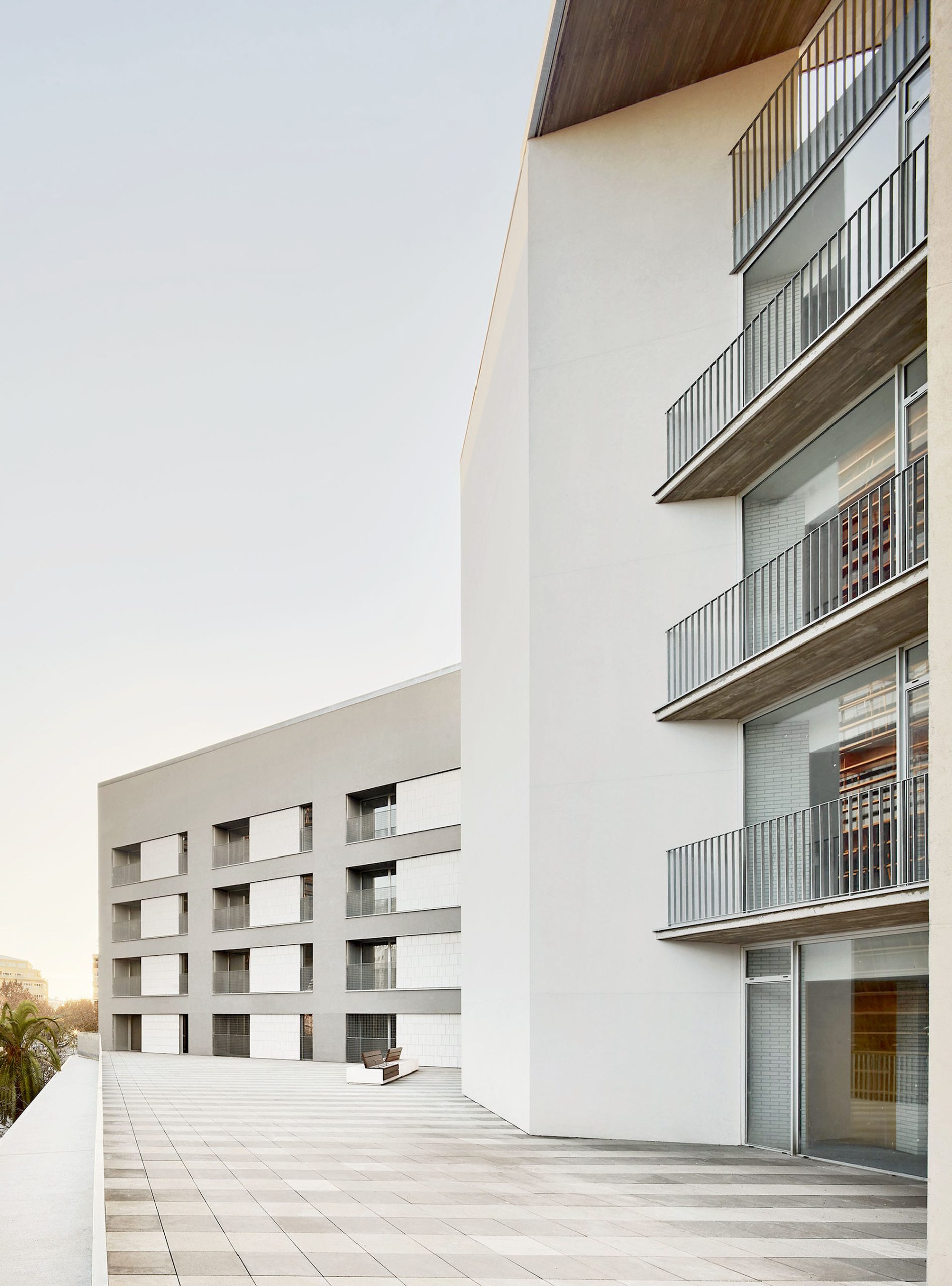
Housing As Civic Architecture
For Peris+Toral, residential architecture is among the most important responsibilities an architect can undertake. Every apartment, corridor and shared courtyard is designed to encourage interaction while preserving privacy, transforming ordinary housing into environments that strengthen neighbourhoods. Rather than treating social housing as an exercise in efficiency alone, the practice approaches every project with the same architectural ambition typically reserved for prestigious public commissions. Their work consistently demonstrates that thoughtful design has the power to improve everyday life, regardless of budget or scale.
Designing Communities Instead Of Buildings
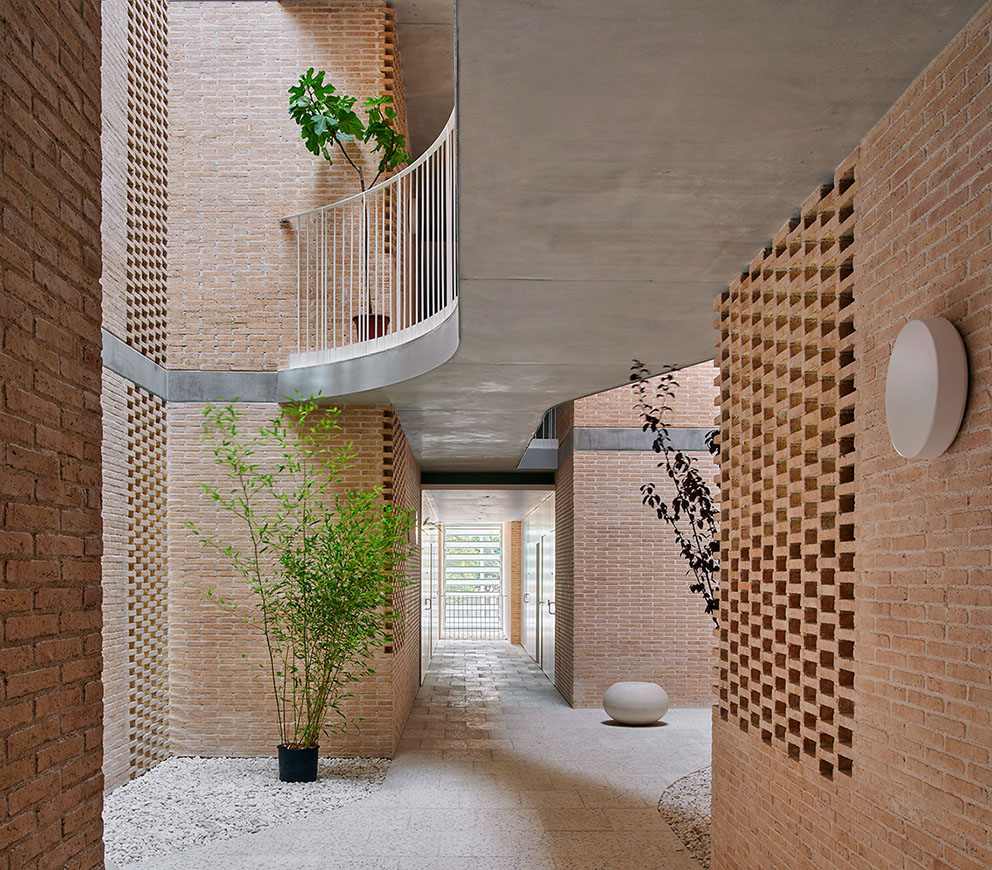
One of the firm’s defining projects, the 42 Social Housing Units in Son Servera, Mallorca, perfectly illustrates this philosophy. Located on the island where Marta Peris grew up, the development elevates affordable housing through generous communal spaces, natural light and sustainable construction. Rather than simply providing accommodation, the project creates a vibrant environment where neighbours naturally interact and shared spaces become extensions of the home. It reflects the belief that architecture succeeds not when it produces iconic forms, but when it quietly improves daily life for those who inhabit it.
Also Read: What Modern Architects Can Learn From Frei Otto’s Nature-Based Designs
Preserving Memory Through Adaptive Reuse
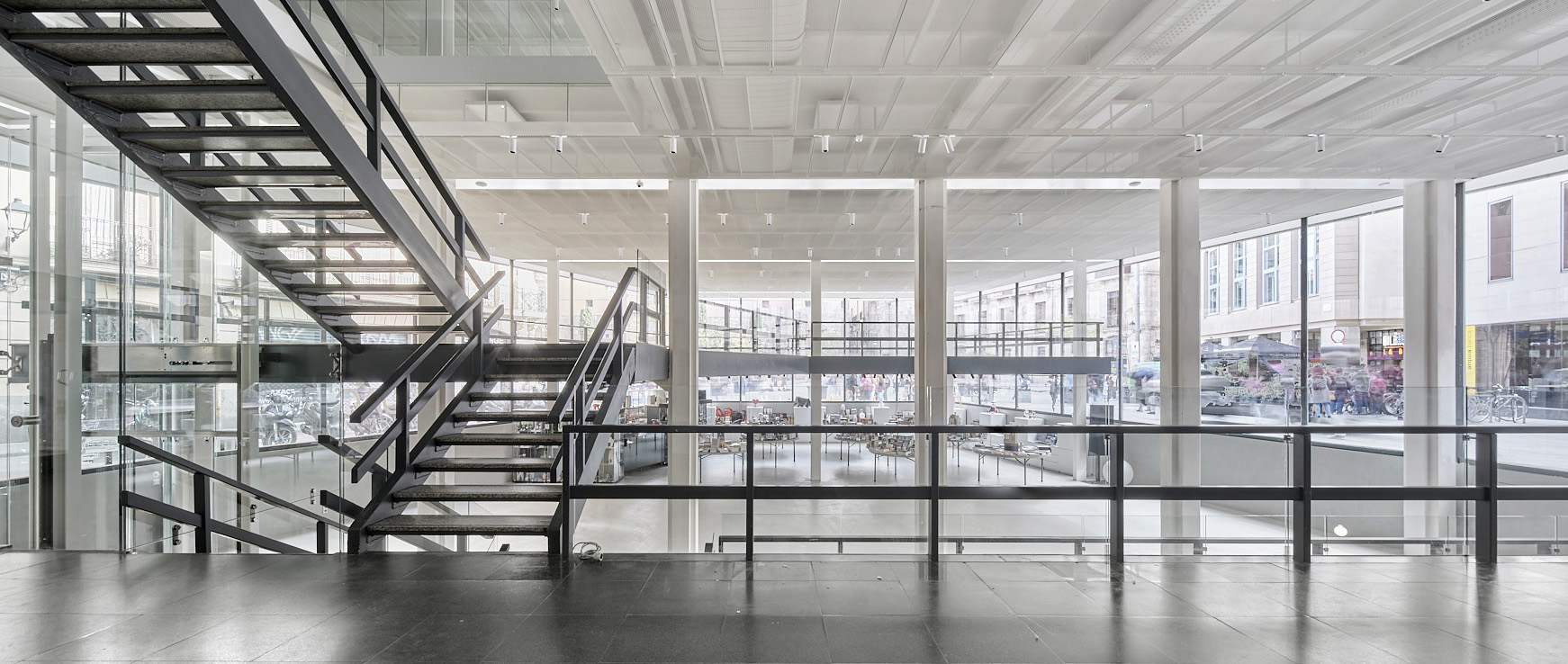
The practice applies the same sensitivity to historic buildings. At the Casa de la Vila in Santa Eugènia, a former town hall is carefully restored and reimagined as a contemporary civic space while preserving its historical identity. Instead of erasing the past, Peris+Toral allow the building’s memory to remain visible through thoughtful interventions that connect generations. Their approach demonstrates that restoration is not about freezing architecture in time but enabling it to continue serving the communities around it.
Timber Construction For A Sustainable Future
Peris+Toral have also become recognised pioneers of mass timber construction in Spain, championing renewable materials that dramatically reduce environmental impact while creating warm, healthy living environments. Their timber structures celebrate simplicity, structural honesty and material efficiency without compromising architectural beauty. Sustainability is never treated as an added feature but becomes an integral part of the design process, proving that environmentally responsible architecture can also be deeply elegant and emotionally engaging.
Also Read: How Wine Cellars Evolved Into Stunning Architectural Showpieces
Architecture Rooted In Generosity
The enduring legacy of Marta Peris and José Toral lies not in spectacular forms but in their unwavering belief that architecture should serve people before prestige. Their projects remind us that beauty is not reserved for landmark buildings or privileged clients. It belongs equally to family homes, neighbourhoods and shared public spaces where everyday life unfolds. Through Peris+Toral Arquitectes, housing becomes far more than shelter. It becomes an act of generosity, strengthening communities while demonstrating that the finest architecture often begins with the simplest human needs.