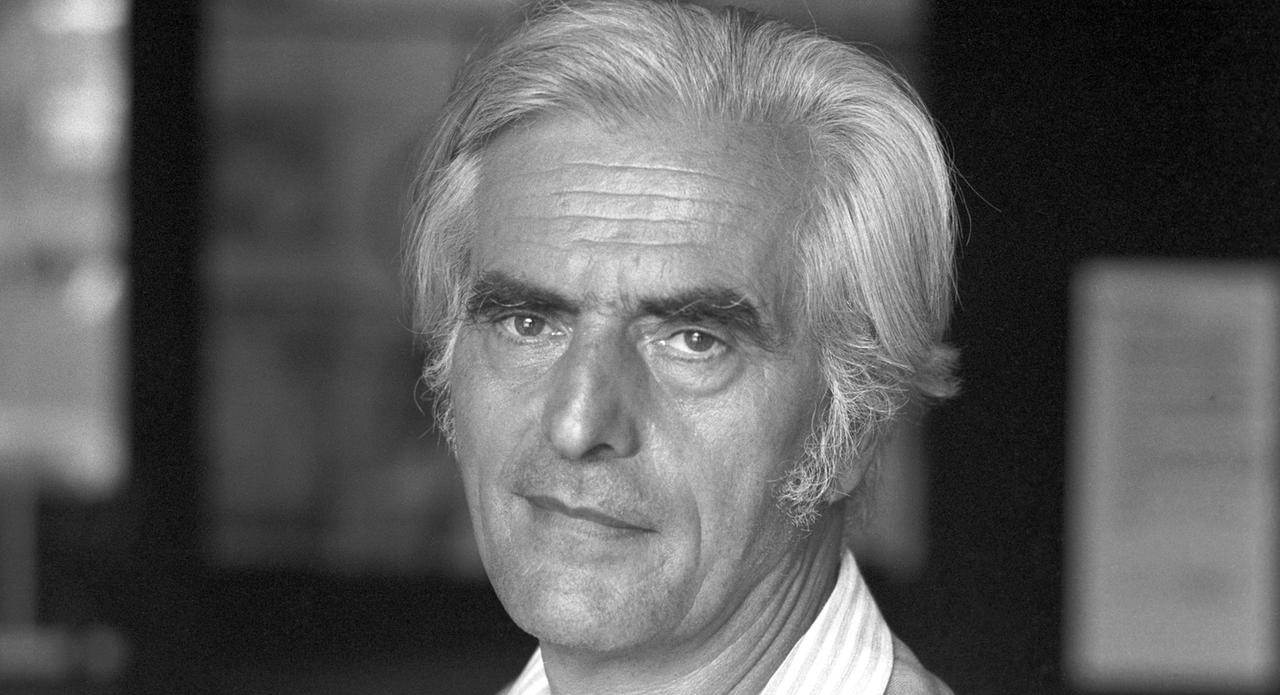


There are architects who design buildings, and then there are architects who discover them. Frei Otto belonged to the second category. While many of his contemporaries looked towards concrete, steel and monumental form as symbols of post war progress, Otto looked instead at soap bubbles, spider webs, leaves gently suspended from branches and fabrics stretched by the wind. He believed nature had already solved many of architecture’s greatest engineering challenges long before humans arrived, and that the architect’s task was not to conquer these principles but to understand them. His buildings never appear imposed upon the landscape. They seem to emerge from it, suspended with such extraordinary delicacy that gravity itself appears almost optional. Through tensile membranes, lightweight structures and forms shaped by the quiet logic of physics, Frei Otto redefined what architecture could become. Decades later, as architects search for more sustainable and resource efficient ways to build, his work feels not like history but prophecy. Long before biomimicry became fashionable, Otto had already demonstrated that the future of architecture was waiting patiently in the intelligence of nature itself.
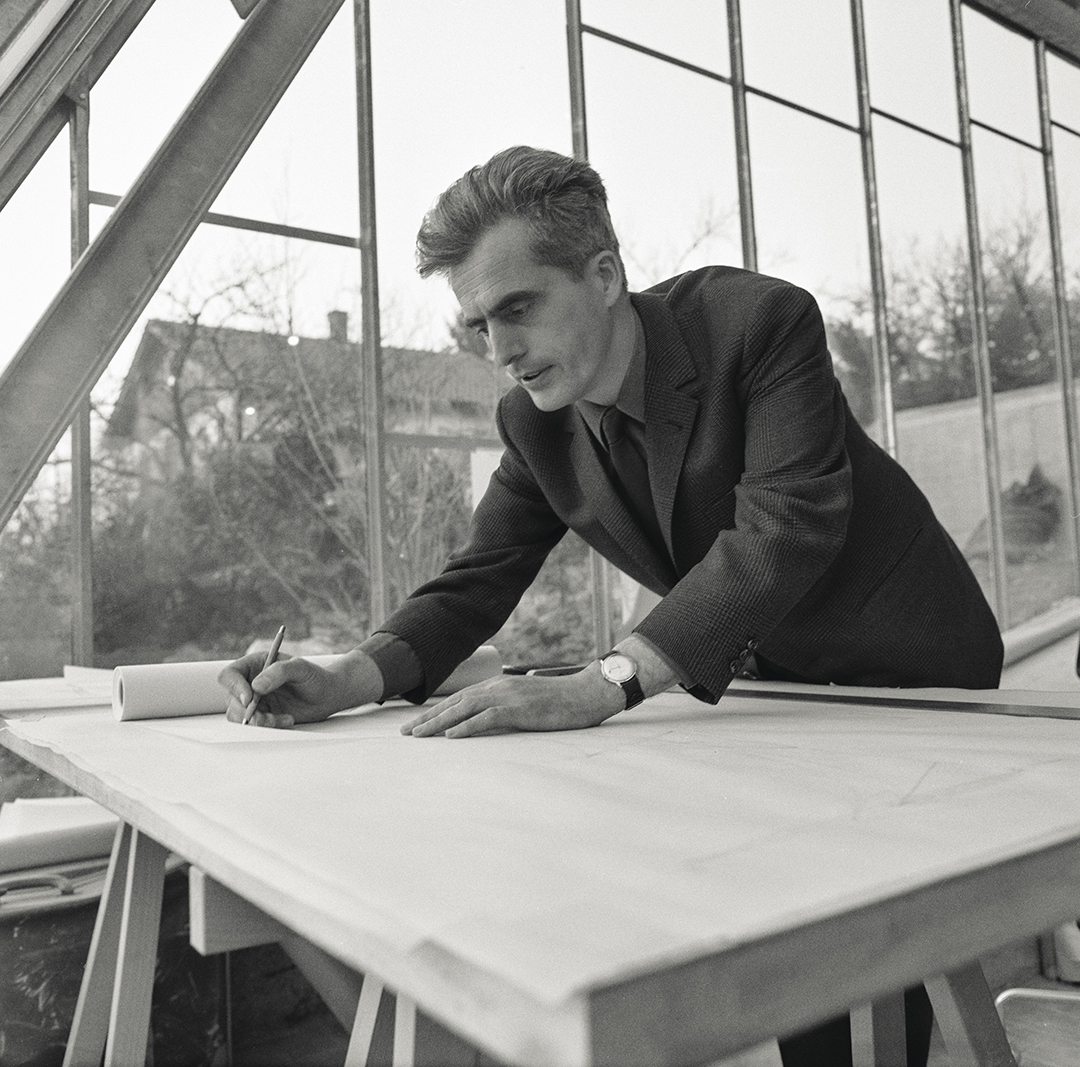
Nature became Frei Otto’s greatest teacher
Born in Germany in 1925, Frei Otto rejected the notion that architecture should dominate its environment. Instead, he carefully observed natural systems where efficiency emerged effortlessly through tension, gravity and organic growth. Soap films revealed the shortest possible structural surfaces. Spider webs demonstrated extraordinary strength through minimal material. Branching trees distributed loads with remarkable precision. These observations became the foundation of Otto’s architectural philosophy, proving that nature could solve engineering problems more elegantly than conventional construction.
Also Read: The Art Of First Impressions: Why Grand Entrances And Facades Matter
The Munich Olympic Stadium
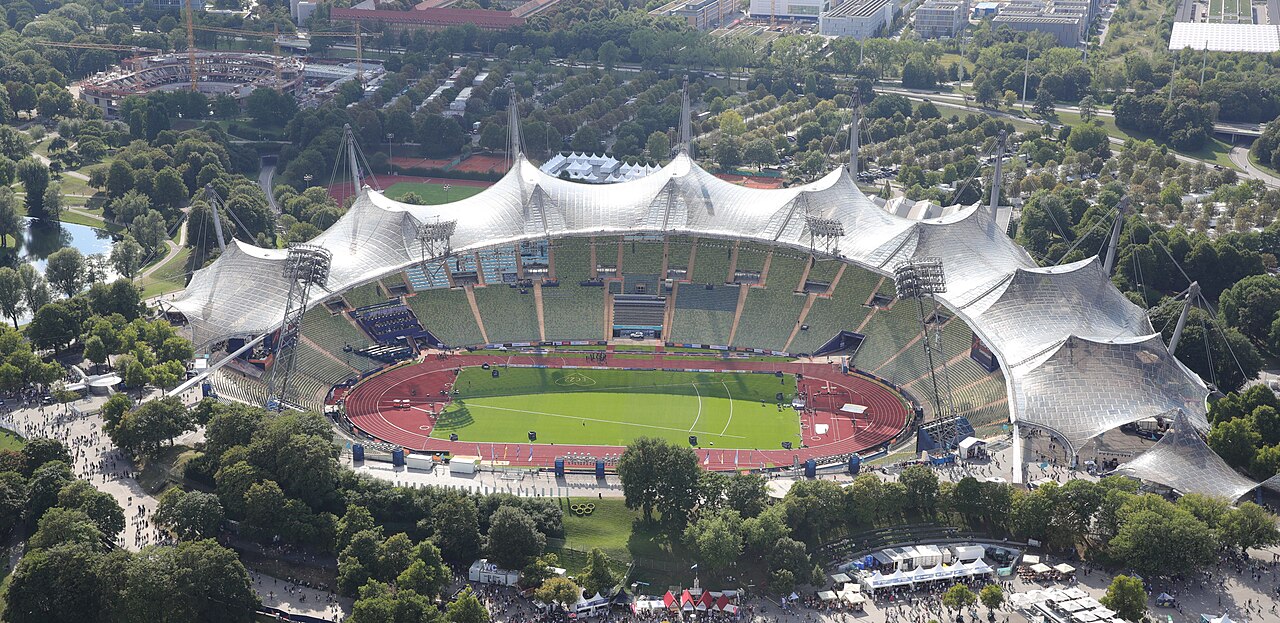
Completed for the 1972 Munich Olympic Games, the Olympic Stadium remains Frei Otto’s defining masterpiece. Its sweeping transparent tensile roof stretches gracefully across the landscape like a suspended cloud, dissolving the visual weight normally associated with stadium architecture. Supported by an intricate network of steel cables, the vast canopy allows daylight to filter through while maintaining exceptional structural efficiency. Rather than enclosing space, the roof appears to float above it, creating one of the most recognisable architectural landmarks of the twentieth century.
The Institute for Lightweight Structures
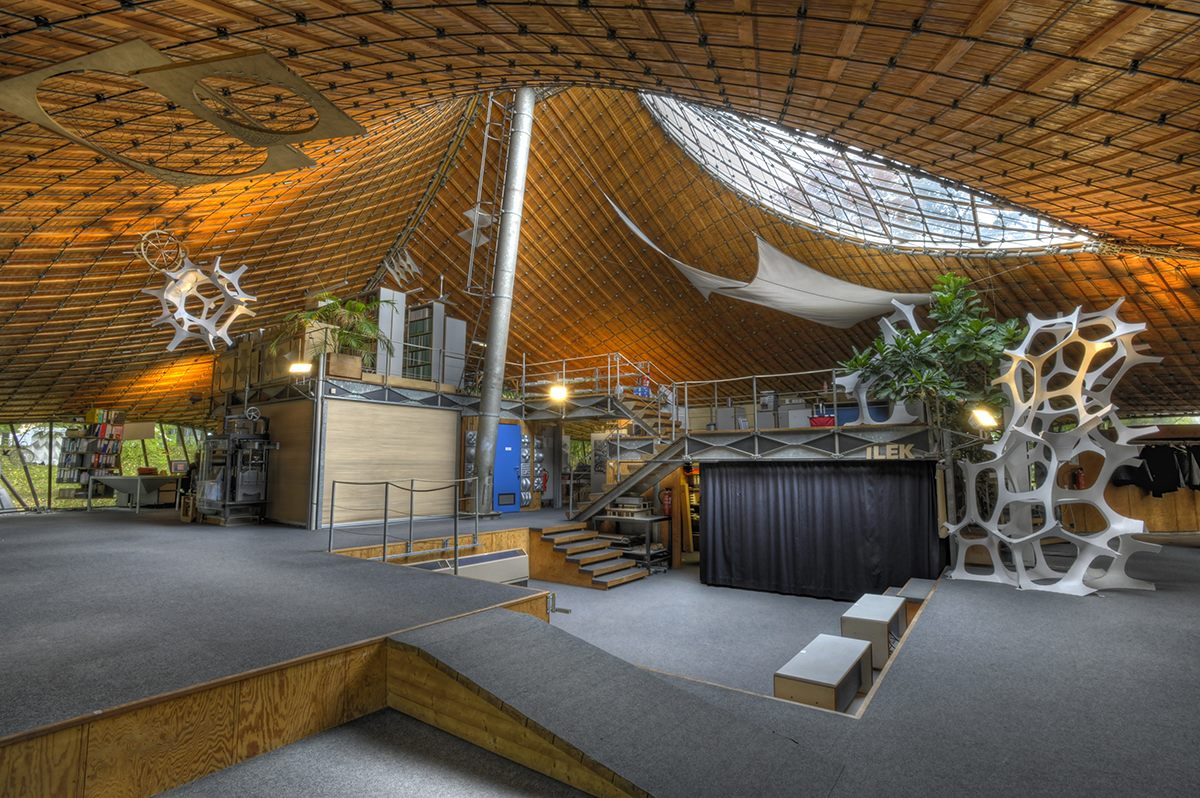
At the Institute for Lightweight Structures in Stuttgart, Otto transformed research itself into architecture. Here, experimental membrane structures, cable systems and tensile models explored entirely new methods of construction inspired by natural processes. The institute became a global centre for innovation, influencing generations of architects and engineers seeking alternatives to heavy, resource intensive building techniques. Many of today’s advances in tensile architecture and computational design trace their origins to the research conducted within its walls. For Frei Otto, structure was never something hidden behind walls or decorative finishes. The engineering itself became the architecture. Every cable, membrane and supporting element served both functional and aesthetic purposes, eliminating unnecessary material while celebrating the beauty of structural logic. This honesty produced buildings of extraordinary elegance, where efficiency and beauty existed as one unified idea.
Also Read: Why Grand Staircases Are Making A Comeback In Ultra-Luxury Homes
Why Frei Otto remains more relevant than ever
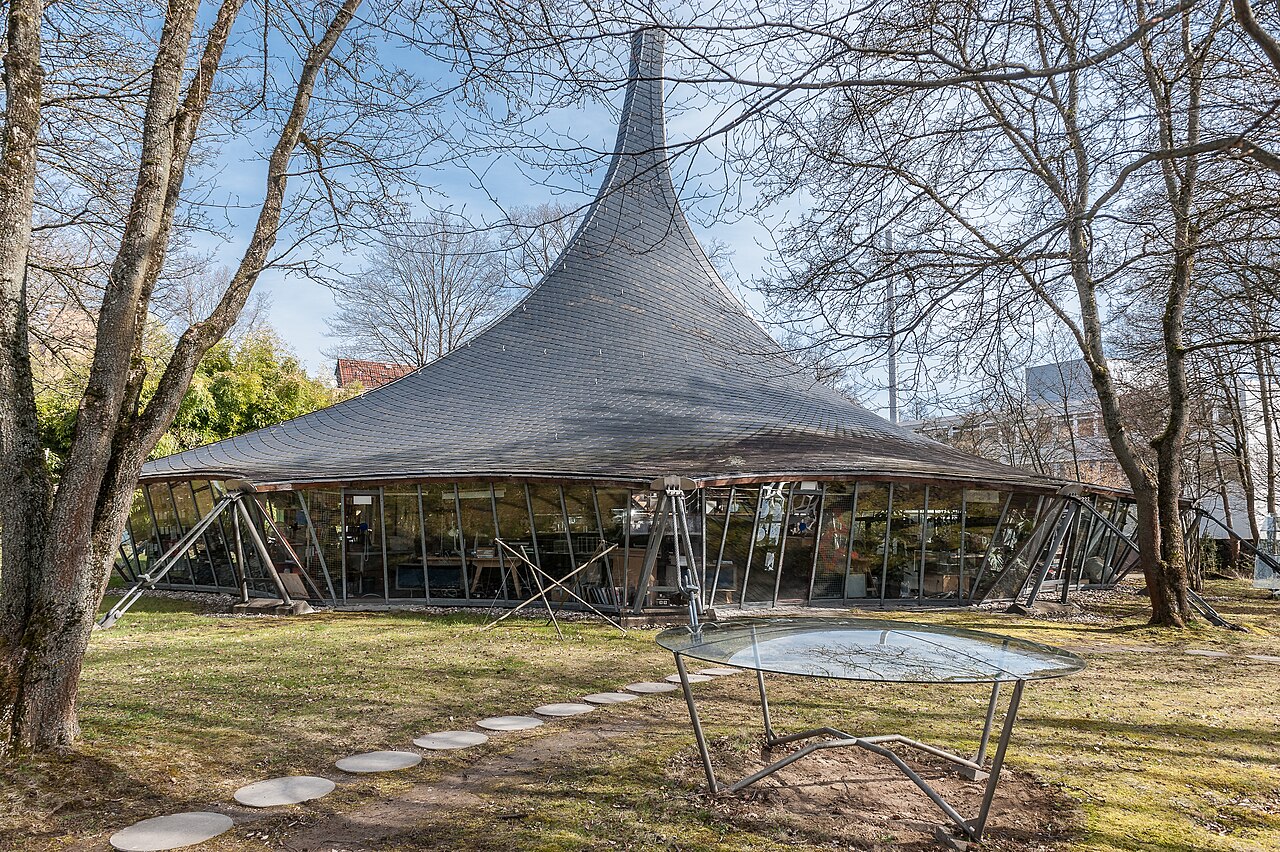
As architects confront climate change, material shortages and the need for sustainable construction, Frei Otto’s work offers lessons that feel remarkably contemporary. His buildings achieved maximum performance with minimum resources, demonstrating that architecture could become lighter, more efficient and more environmentally responsible without sacrificing beauty. More than half a century after his greatest works were completed, Frei Otto continues to remind the architectural world that innovation does not always begin with new technology. Sometimes, it begins by simply paying closer attention to nature.