

Indian textiles have long carried stories of where we come from, the communities we belong to and the skills passed down through generations. However, their significance extends beyond clothing, ornamentation or the preservation of age-old techniques. In the hands of contemporary practitioners, a weave can become a record of memory, an embroidery can tell a community’s story and ordinary materials can take on entirely new forms of artistic expression.
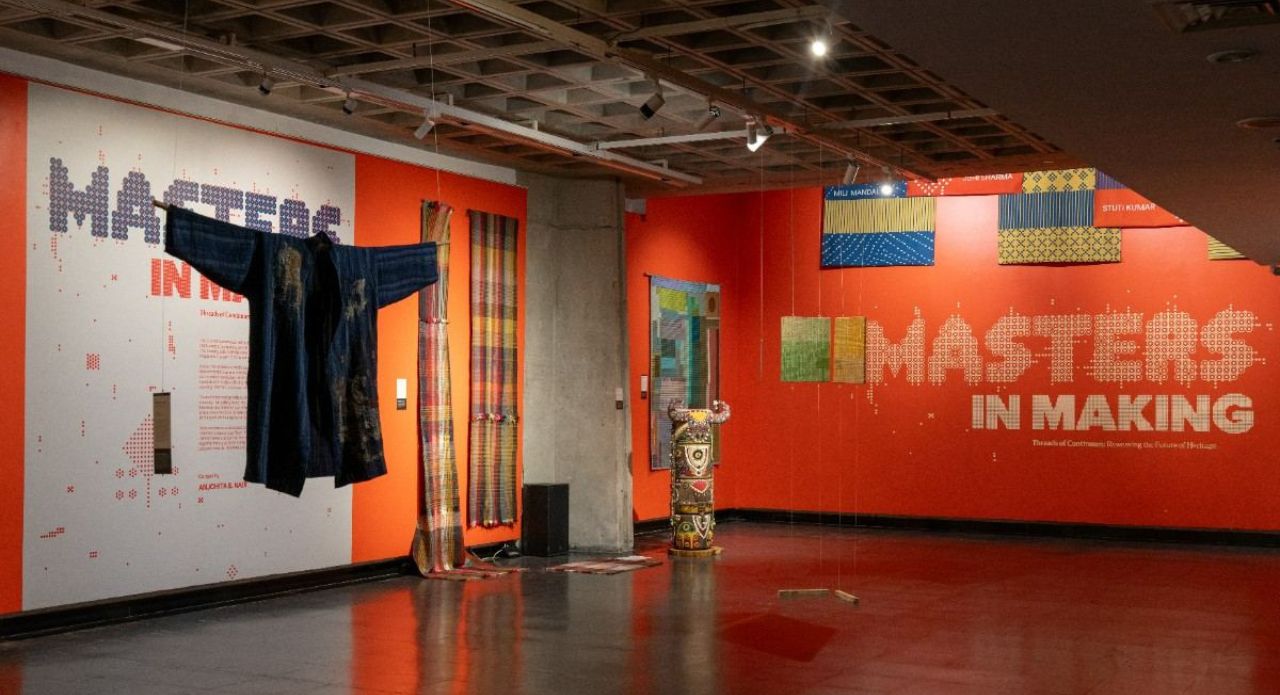
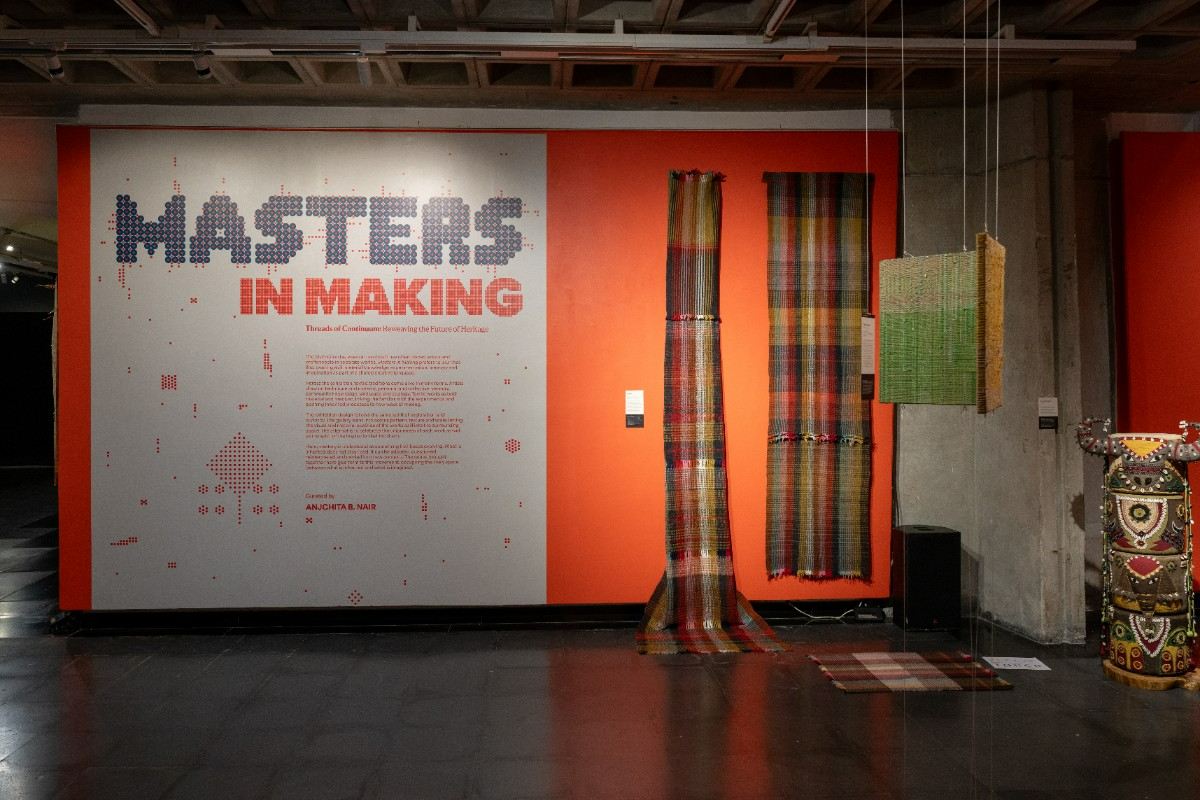
This idea lies at the heart of ‘Threads of Continuum: Reweaving the Future of Heritage’, an exhibition presented by Burgoyne Original Masters (BOM) and curated by Anjchita B Nair. Bringing together 20 artists, artisans, craft-led brands and collectives, the exhibition explores how Indian textile traditions can evolve through contemporary practice without losing the knowledge and histories that give them meaning.
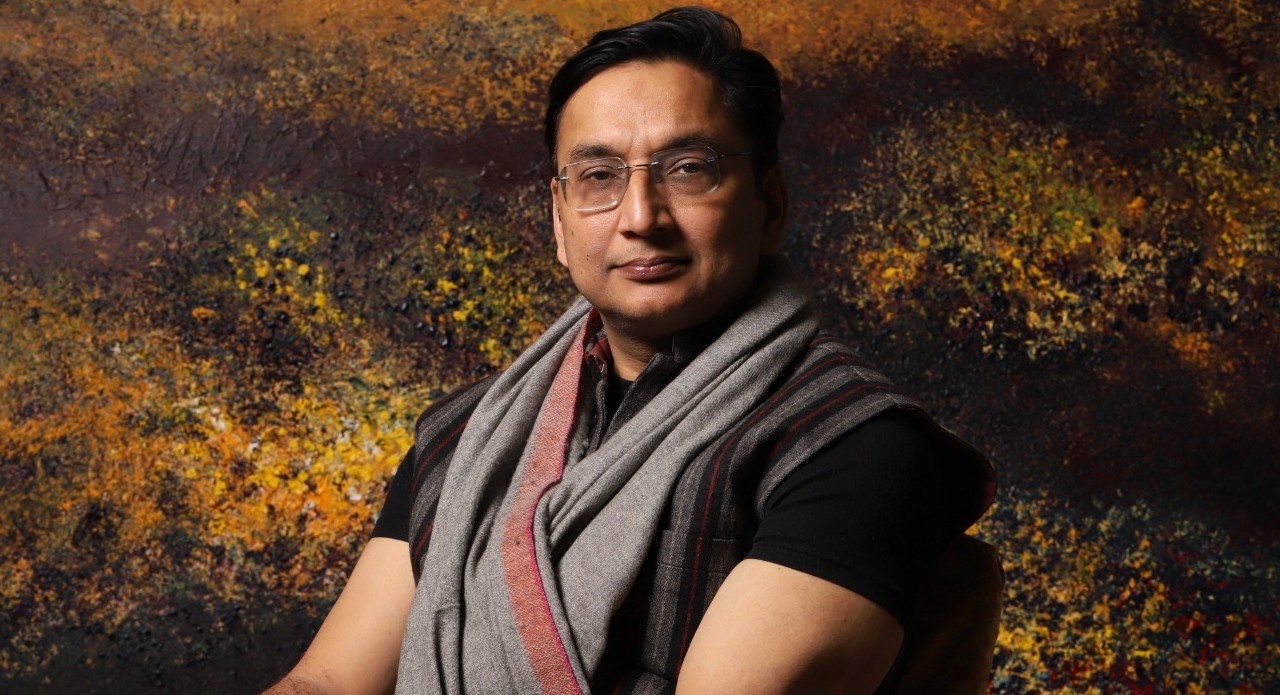
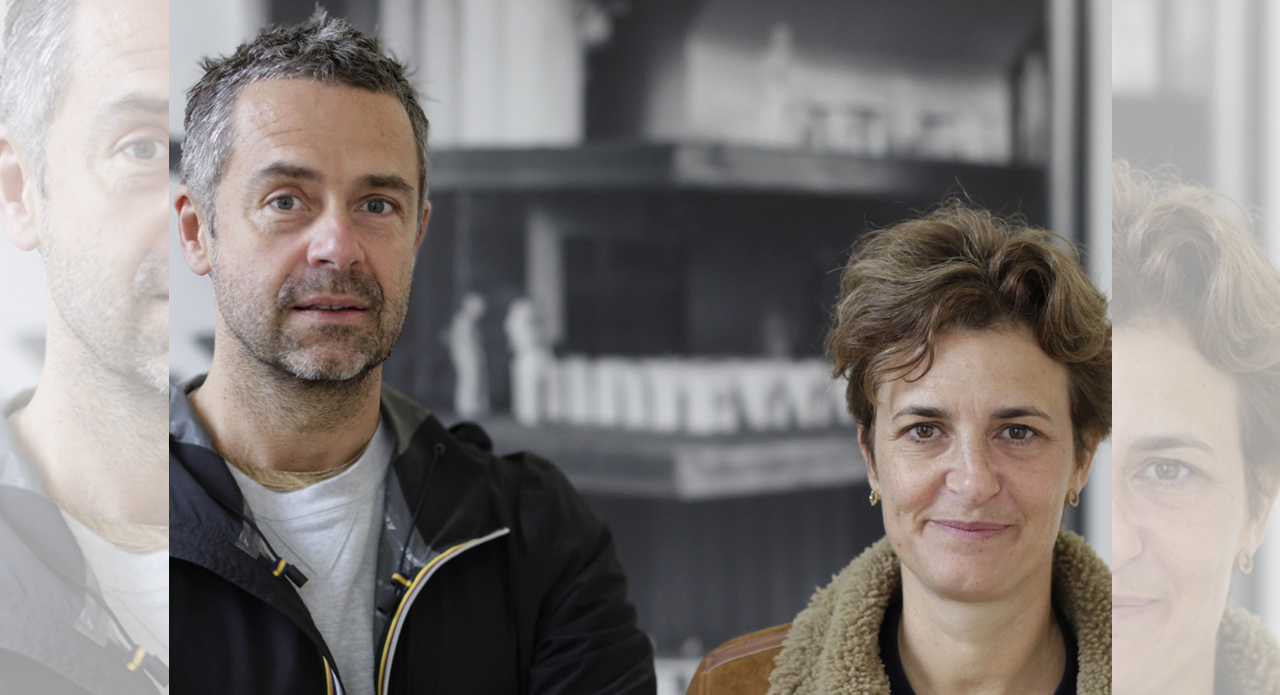
For Aparupa Ray Ganguly, Curator and Creative Consultant at Burgoyne Original Masters, textiles were a natural starting point for the initiative, given Burgoyne’s 120-year-old textile heritage. “A textile is never simply a piece of fabric; it is the outcome of a complex relationship between material, memory, skill and the people who make it,” she explained.
Keeping Heritage In Motion
The question, then, is not simply how Indian handloom heritage can be preserved, but how it can continue to find relevance in the present. Through its ‘Masters in Making’ grant initiative, BOM sought to support practitioners in developing their artistic practices while bringing their work to wider audiences.
The initiative encourages artists to reinterpret weaving, embroidery, dyeing and indigenous material practices through installations, mixed media and interdisciplinary approaches. The intention is to create opportunities for inherited knowledge to interact with contemporary imagination, rather than confining traditional techniques to their historical contexts.
“We often speak about preserving textile traditions, but I wanted us to also ask how these traditions might continue to evolve, and what new meanings they could acquire in the present,” said Ganguly.
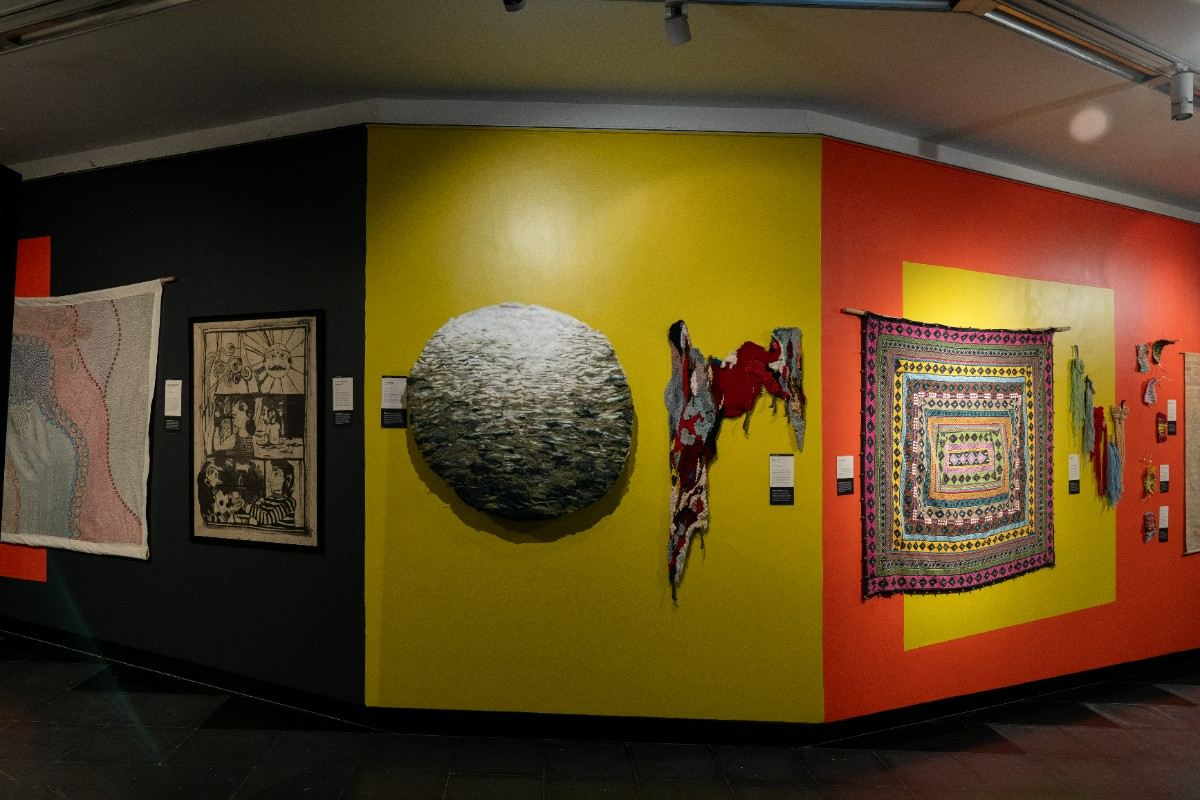
For Nair, bringing together 20 different practices meant allowing their individual identities to remain visible. The exhibition features traditional weaving and embroidery alongside sculptural textiles and experimental installations, with colour, pattern, texture and scale helping establish connections between the works.
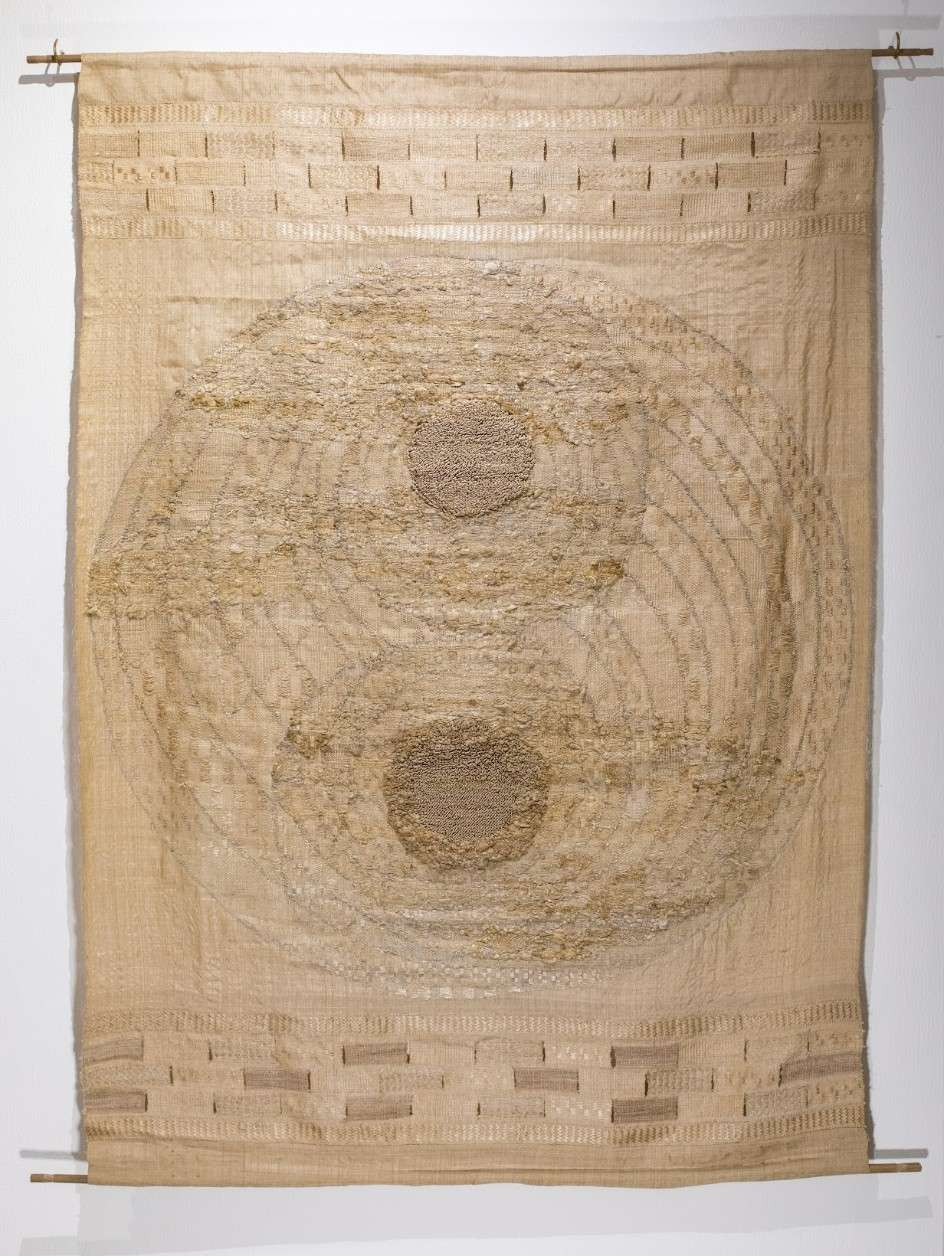
Among the pieces that particularly resonated with her was Jagrity Phukan’s ‘The Touch of the Sun’, which uses Muga and Eri silk to explore landscape, ecology and human emotion. The work demonstrates how Indian textile craftsmanship can become a medium for expressing ideas that extend beyond the material itself.
When Textiles Become Art
The distinction between craft and contemporary Indian art remains an important part of this conversation. Textile practices are often associated with utility or heritage, while other mediums are more readily recognised within contemporary art. Yet textiles have long engaged with questions of identity, labour, gender, power, memory, trade and belonging.
Nair believes this separation limits how textile-based work is understood. “A weaver working with a centuries-old technique can be just as innovative as an artist exploring an entirely new medium,” she shared.
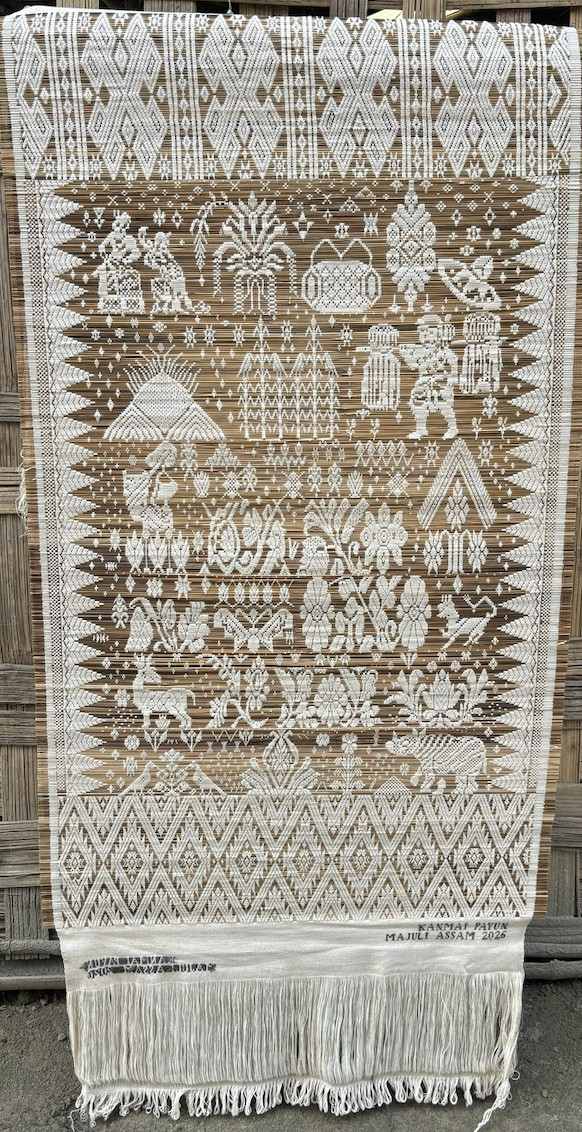
The exhibition makes this argument through works that approach traditional crafts in modern art from different perspectives. Some draw directly on inherited techniques, while others experiment with materials and forms. What connects them is not a uniform aesthetic, but the creative possibilities that emerge when practitioners engage meaningfully with their sources of inspiration.
Recognising Hands Behind The Work
A textile carries more than the imprint of the person who makes it. It holds memories passed down through generations, techniques sustained by communities and stories shaped by everyday life. Recognising these layers of authorship was an important part of how the exhibition presented India’s textile heritage, drawing attention to the people behind the finished works.
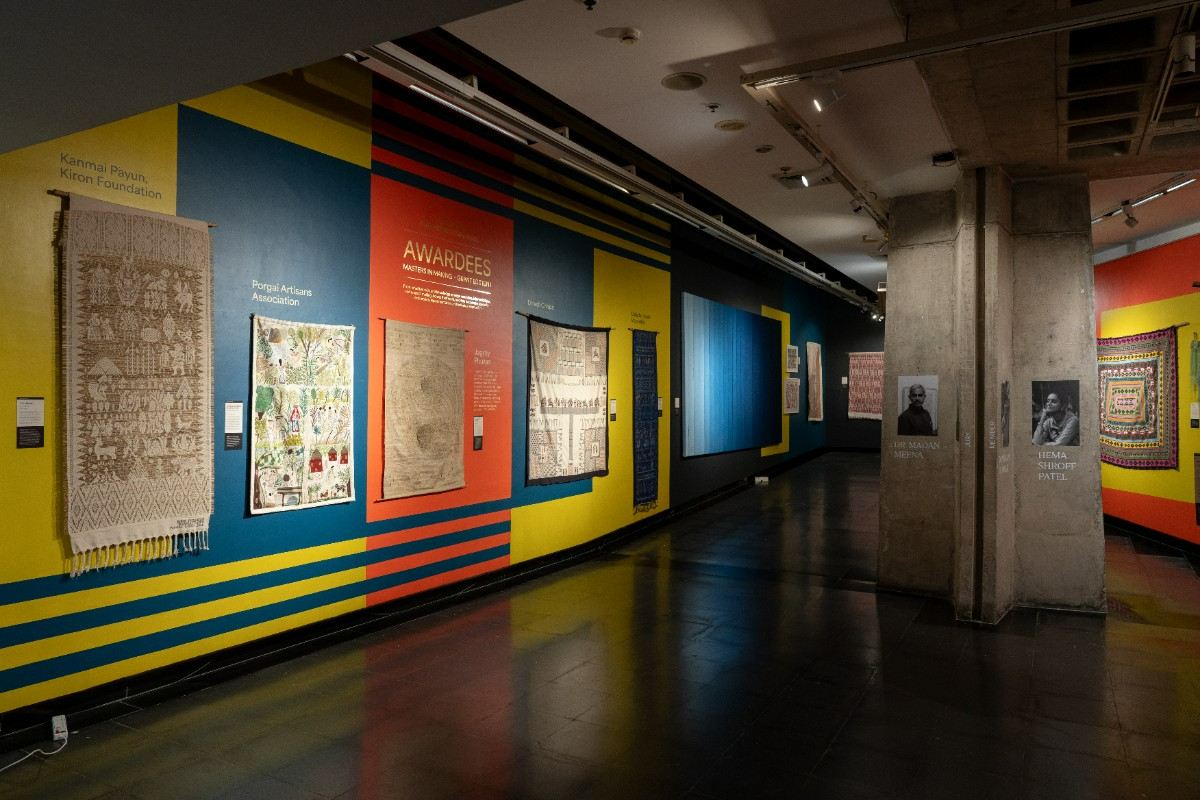
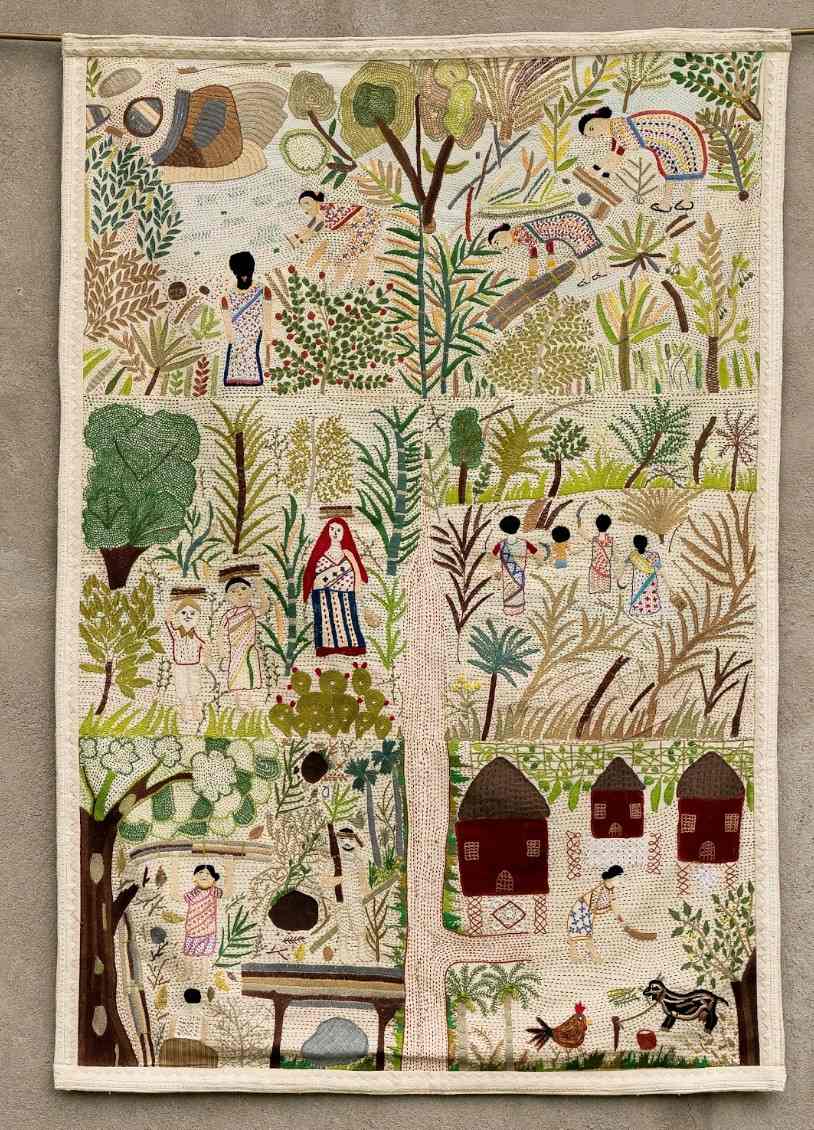
Nair highlighted Firewood Collection (Ancestral Story) by Porgai Artisans Association, created by Bhagyalakshmi, Kuppammal and Lavanya. Rooted in Kuppammal’s memories of gathering firewood and stories shared by village elders, the work brings personal experience into a larger collective narrative. Crediting the individual makers alongside the association acknowledges not just the finished piece, but also the lived experiences and inherited skills that made it possible.
Such recognition also changes how audiences encounter textile-based art. Instead of seeing a finished work as an isolated object, visitors are invited to consider the time, labour and cultural knowledge embedded in its making. Exhibition texts and conversations with participating artists further opened up these processes, offering a closer look at the materials, techniques and ideas informing each work.
Also Read: How The Past Is Shaping India’s Contemporary Art Scene
Yet, preserving a tradition does not necessarily mean keeping it unchanged. Ganguly elaborated that its continued relevance depends on how thoughtfully artists engage with what has been passed down to them. Understanding a technique’s cultural context, she believes, creates room for experimentation without losing sight of its origins. The challenge, then, is not to choose between heritage and innovation, but to make space for both while remaining mindful of the communities and knowledge systems that sustain these traditions.
A Future for Textile Heritage
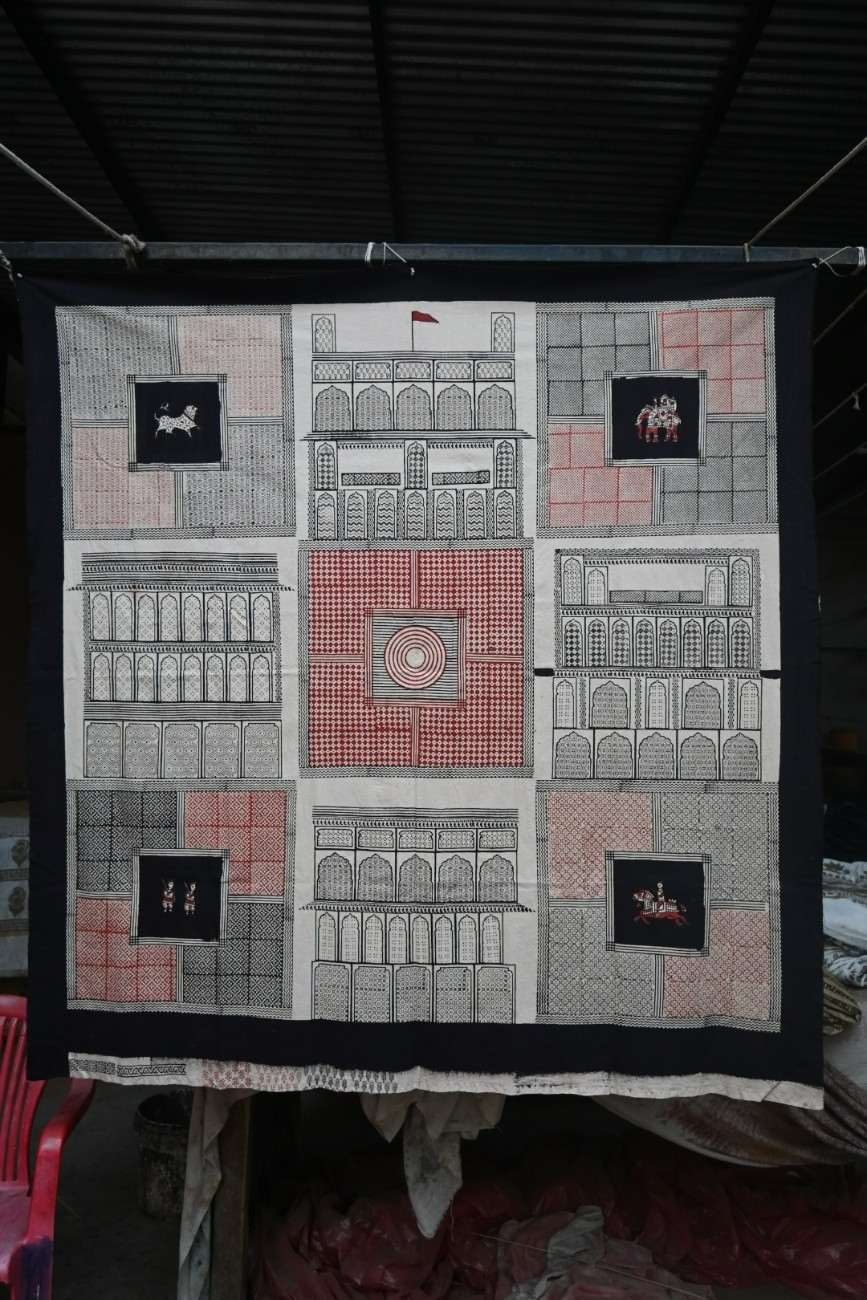
The relationship between galleries and markets is another part of this evolving landscape.Commenting on how traditional textile techniques can find new expression in contemporary art, Nair cited Indigene’s Modest Luxury, which repurposes leftover textiles through patchwork and Kantha embroidery, and Kalyani Prasad’s Kasota Saree Project, which reimagines a traditional woven textile for a new purpose while preserving its original weaving technique.
Both illustrate how sustainable Indian textiles and traditional skills can find contemporary applications. Commercial opportunities, when approached thoughtfully, can also help support livelihoods and bring greater recognition to the people sustaining these practices.
The exhibition’s next chapter will take it to Kochi in November 2026, extending the conversation beyond Delhi. For Ganguly, the hope is that the initiative will foster new relationships, critical engagement and opportunities for the participating practitioners.
Also Read: Why Are Signed Picasso, Miró and Dalí Originals Hanging at Delhi’s CMYK Bookstore?
Ultimately, Indian design heritage does not have to remain confined to the past to retain its value. Its continued relevance depends on the people who carry it forward, the freedom to experiment and the recognition that textile-making involves intellectual and artistic work as much as technical skill. As ‘Threads of Continuum: Reweaving the Future of Heritage’ suggested, heritage is not merely something to inherit. It is something to keep creating.