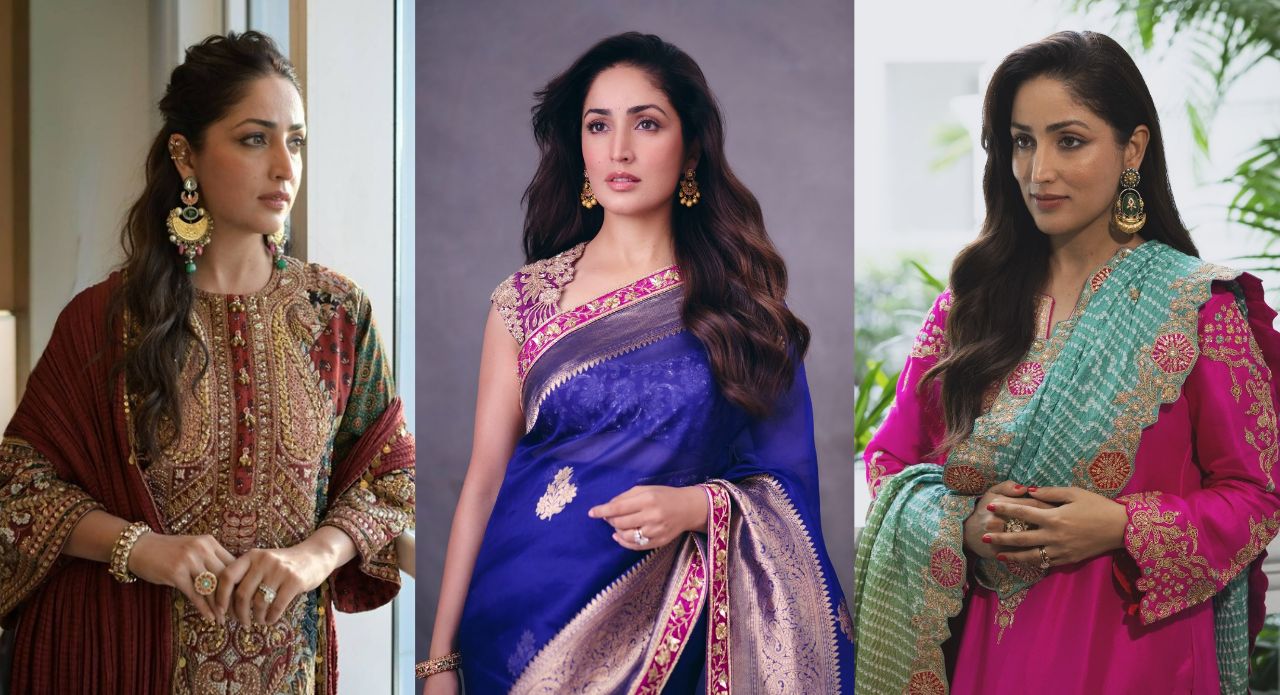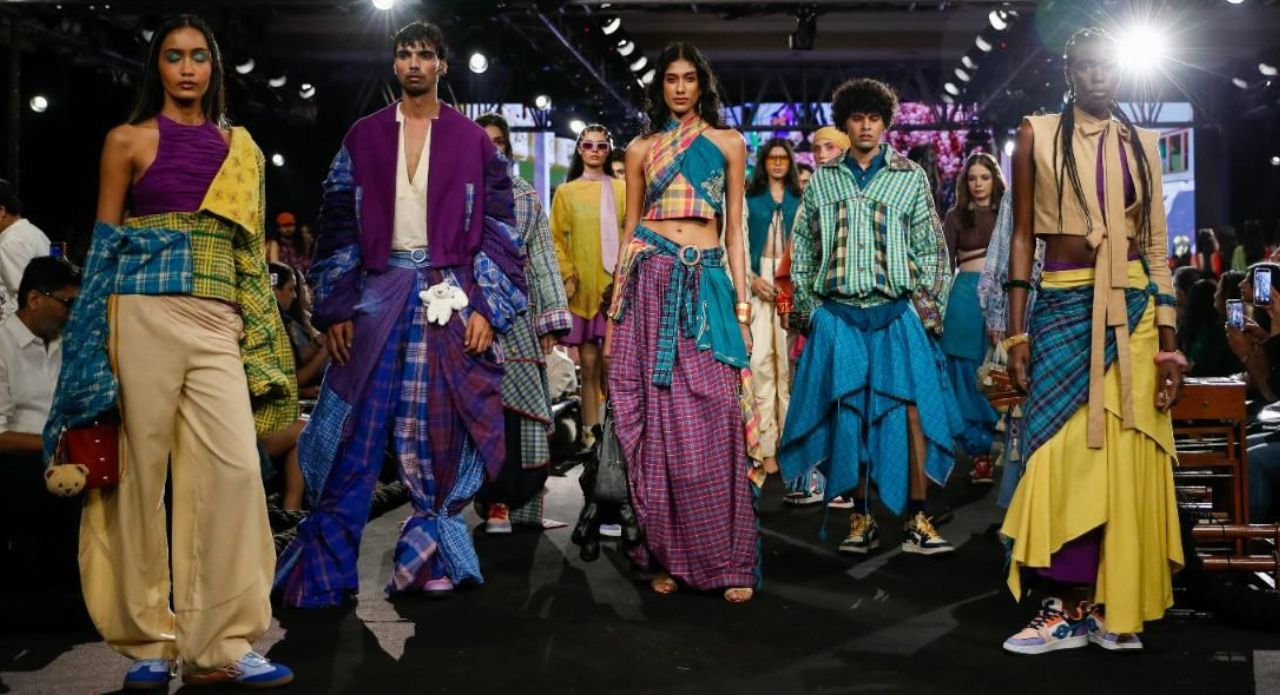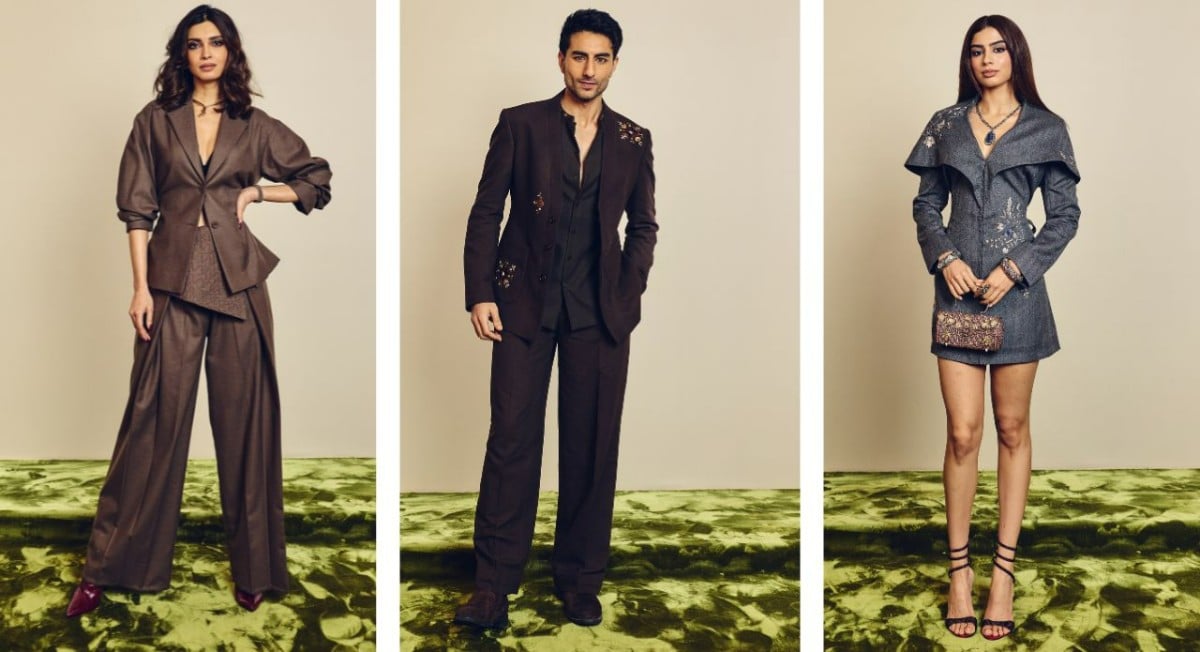


Alwara does not treat Punjab’s textile heritage as something to simply reproduce. Its debut collection, ‘The Longitude of Memory’, takes age-old craft traditions and gives them a new context through hand-woven wool, naturally dyed fabrics, intricate embroidery and silver hardware. The collection features clothing that carries its references lightly, without looking like a costume or a history lesson.
Founded by Tanishka Awla, its Creative Director, and Kainaat Awla, its Managing Director, Alwara is built around the idea of making modern-day heirlooms. The first collection looks at nineteenth-century Punjab not as a neatly defined region, but as a place where people, materials and techniques moved across borders and communities.
With its debut collection, ‘The Longitude of Memory’, the new Indian design house makes Phulkari, Ajrak, Sozni and Daabu into modern-day heirlooms.
A Map Drawn in Thread
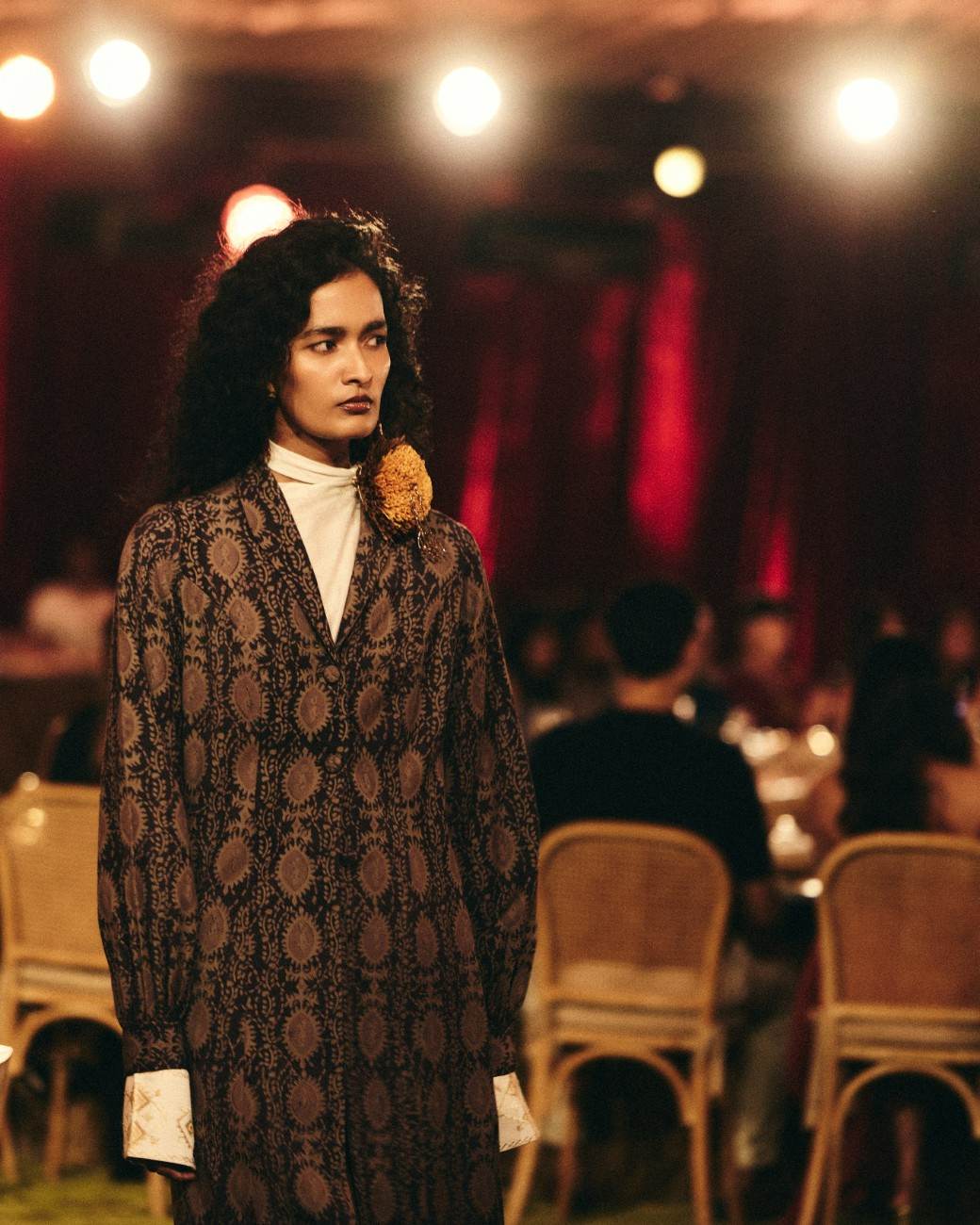
The country’s rich history gives the collection its depth. Its references stretch from Kashmir and the plains of Punjab, across Haryana and Himachal Pradesh, to Rajasthan, Gujarat and Sindh. The geographical spread is reflected in the textiles themselves, with Phulkari appearing alongside Ajrak, Daabu and Sozni.
Also Read: How Tata Trusts’ Antaran Is Giving Indian Handlooms a Modern Makeover
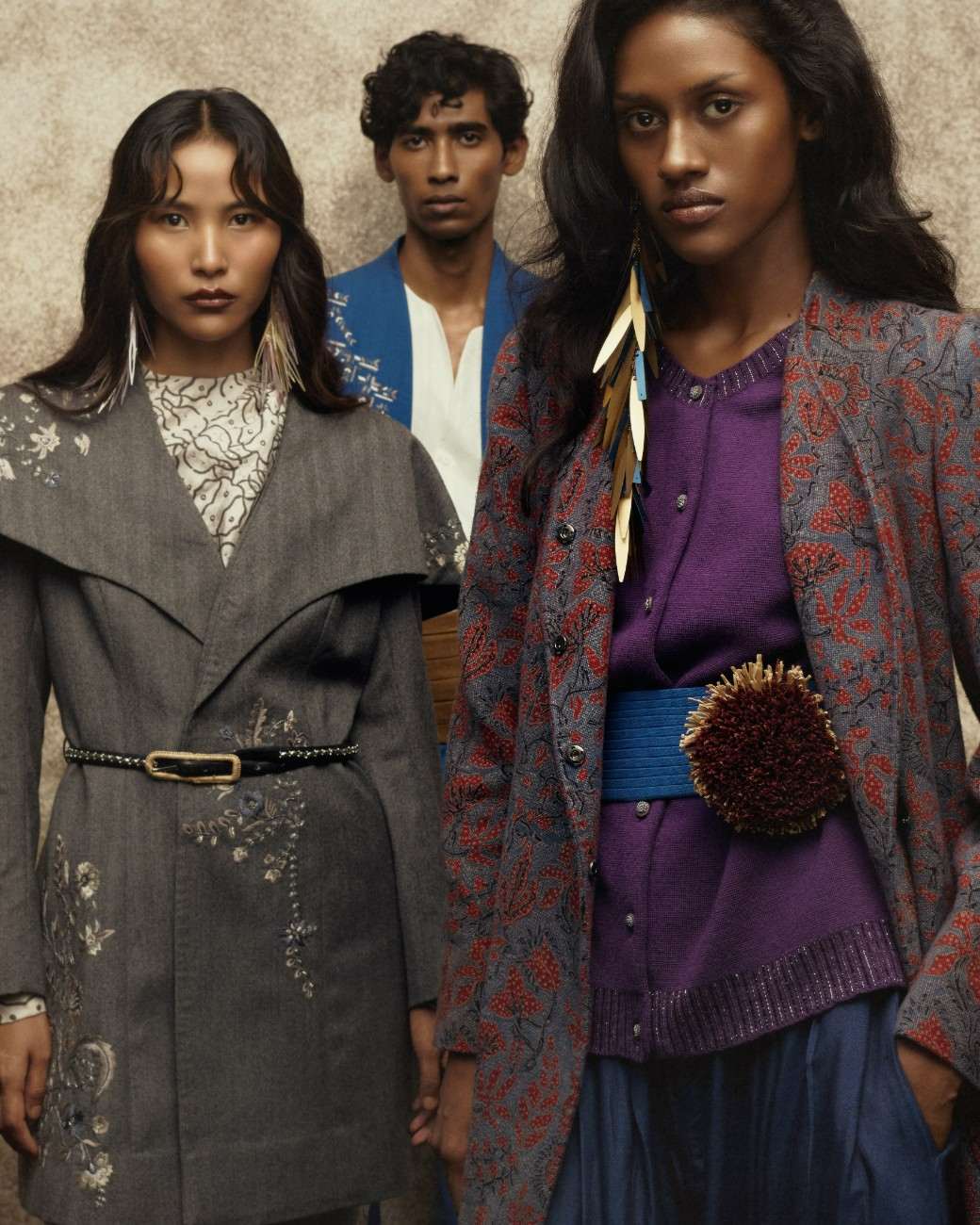
Each craft is given room to look different in this new setting. Hand-woven and hand-embroidered silk, wool and cotton are worked with natural dyes, custom-developed motifs and a palette of earthy neutrals, mineral tones and deeper accents. The details are intricate but they do not overwhelm the clothes. Much of the appeal lies in noticing the work up close.
Heritage, Tailored
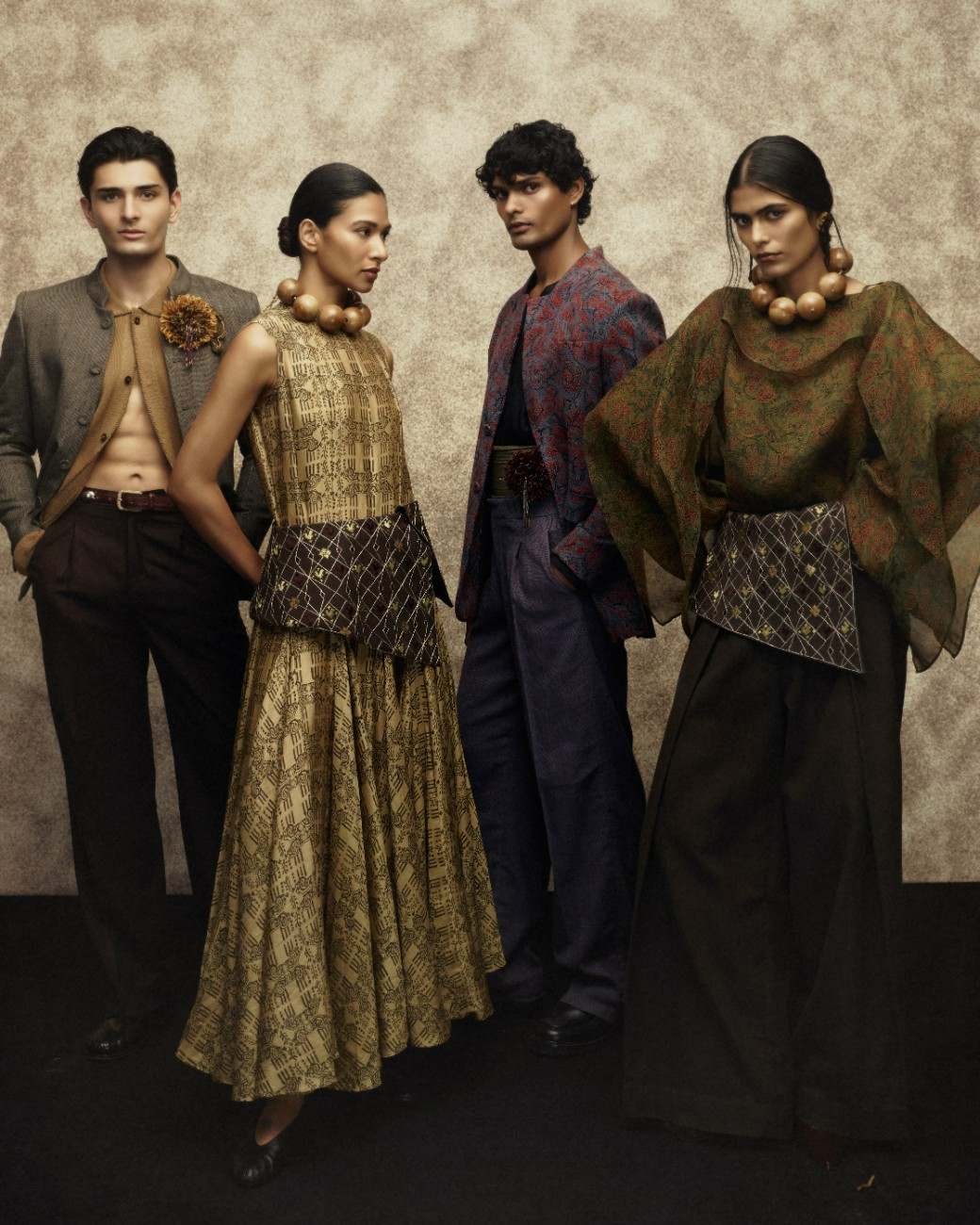
The clothes themselves move away from the expected idea of contemporary Punjabi fashion. Alwara looks instead at the period when regional dress in Punjab encountered European tailoring, bringing that dialogue into the present through sharper proportions and considered construction.
Tailoring, suiting, dresses, skirts, knitwear and separates form a wardrobe for both women and men. The silhouettes are deliberately versatile, allowing the textiles to carry much of the personality. There are no obvious logos or decorative flourishes competing for attention. A piece may reveal its story through a weave, an embroidered surface or the way a fabric falls rather than through an overt reference to its origins.
Also Read: Kunal Rawal Unveils New Collection: A Bold Vision For Modern Luxury Menswear
That restraint is central to Alwara’s approach with clothes designed to work as part of a modern wardrobe first, while the history behind them reveals itself gradually.
The Minds Behind the House
The wider team brings experience across fashion, art and culture. Malkeet Singh, Creative Director of design and image, has collaborated with Rahul Mishra, Rimzim Dadu and Ritu Kumar. New Delhi-based artist Nabi serves as artistic director for material, textile and jewellery, with past work spanning Florence + The Machine, V Magazine and Disney. Deshiv Puri leads communications, culture and experiences.
Their larger ambition is to build an Indian fashion house with an international outlook while keeping the making at its centre. ‘The Longitude of Memory’ is first step in this direction, using Punjab’s textile history as a starting point for clothes that belong to the present.