


Some places hold their breath. They stand in the sunshine, among the vines and the birdsong, and they keep a secret that the world has long since learned to cherish. Constantia, in the soft green folds of Cape Town, is such a place, and within it lies Tarrystone Estate, a quiet retreat with a remarkable royal connection. For in March 1997, just five months before her death, Diana, Princess of Wales, came here. She came to see her brother, Earl Spencer, and she came, perhaps, for the one thing that her extraordinary life so rarely allowed: a little peace.
A Princess in the Winelands
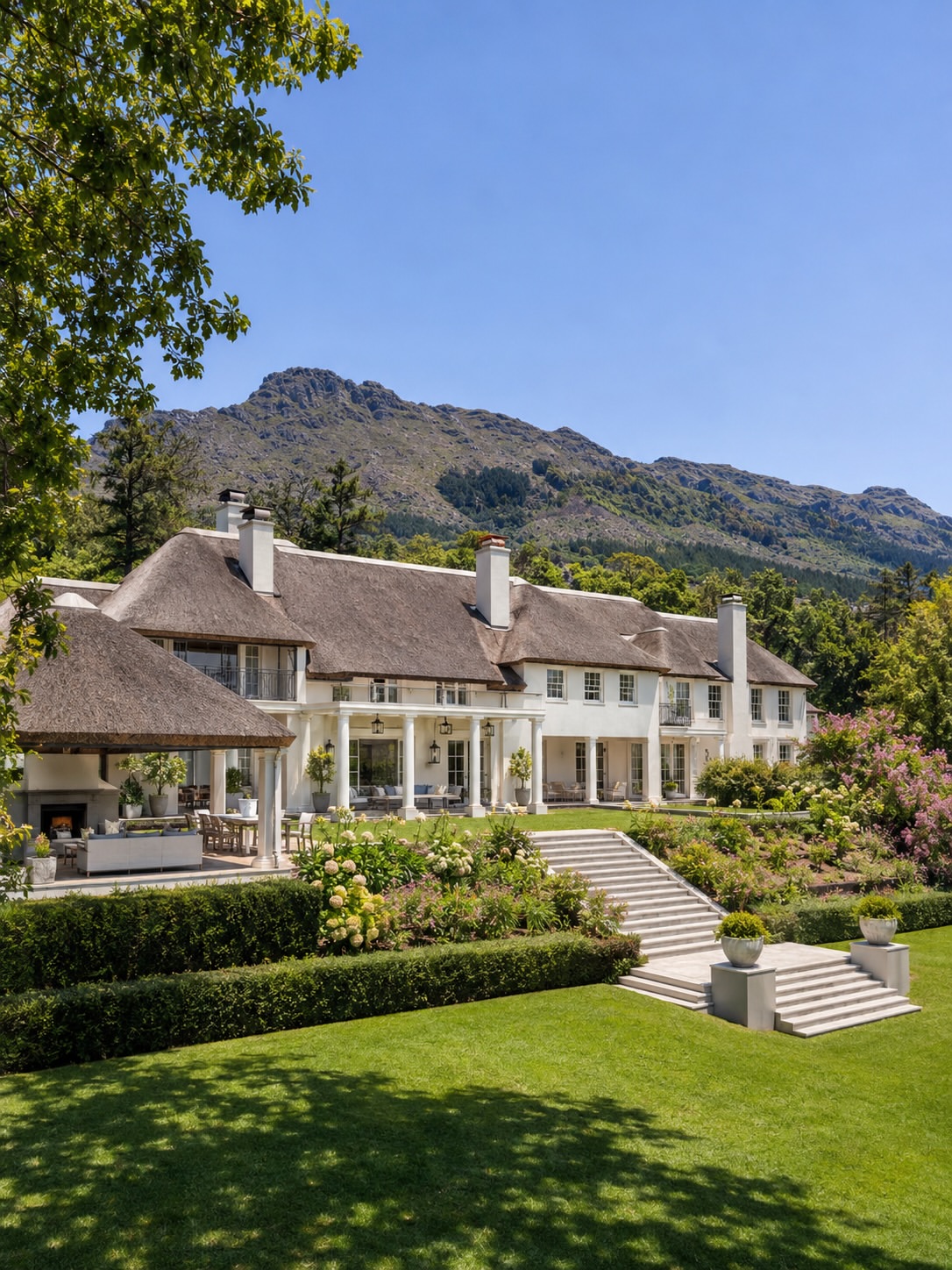
Imagine the scene. The light is golden, the air is warm and scented, and the vineyards roll away in orderly rows toward the mountains. A woman who has known every flashbulb and every headline steps away from the glare and into a cottage in the garden. There, among simple things, she is simply a sister visiting her brother. No crowds, no ceremony, no script. Only the hush of the estate and the company of family. It was a visit like many others, and yet, as history would have it, it was a moment preserved in amber.
The Cottage That Remembers
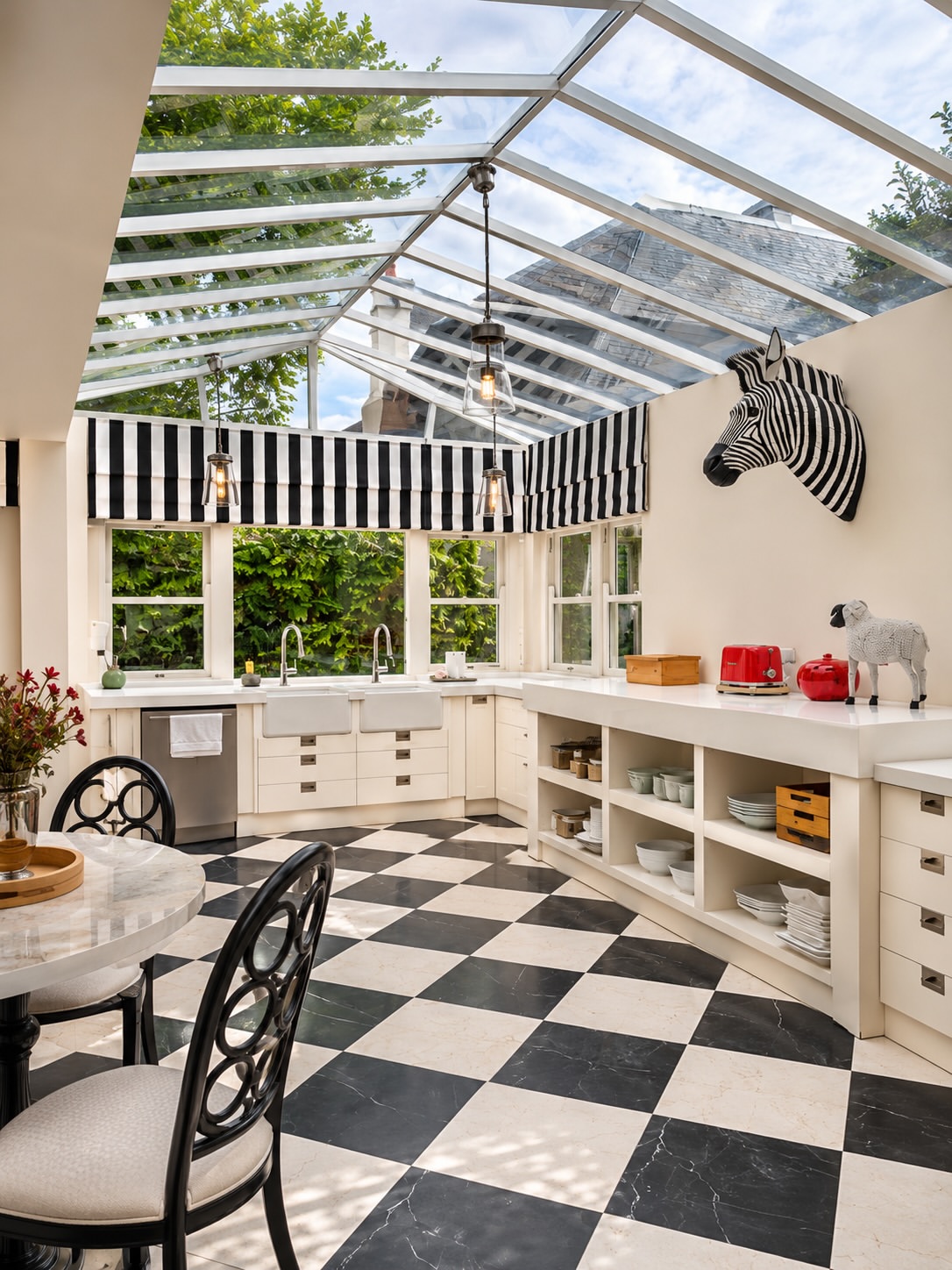
The two-bedroom guest cottage where she stayed has reportedly remained largely unchanged, retaining its original furnishings and styling. Think of what that means. The chairs, the fabrics, the very arrangement of the rooms are said to offer a glimpse into the surroundings she knew almost three decades ago. It is not a monument, not a museum, but something quieter and more moving: a house that has kept faith with its past. To step inside is to feel, however faintly, the echo of a presence, and to understand that ordinary walls can become extraordinary when they have sheltered someone the world loved.
The Estate Beyond
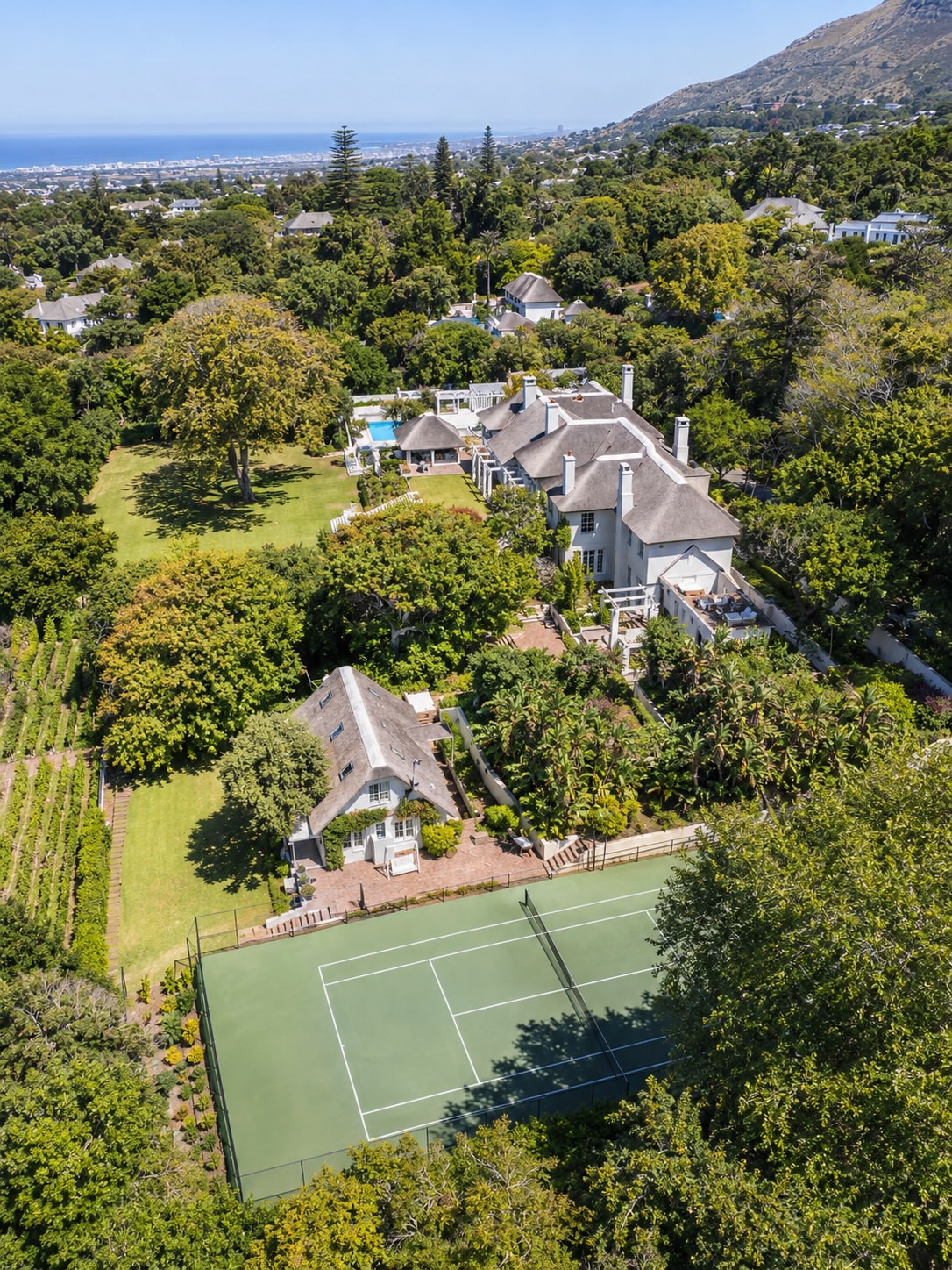
Beyond the cottage, Tarrystone unfolds as a generous and beautiful property. A main residence anchors the grounds, joined by another guest cottage, a swimming pool and a tennis court, each set amid landscaped gardens that invite a slow, unhurried stroll. And then, stretching across the land, there is a vineyard, rows of vines that have ripened and been harvested season after season, indifferent to the passing of years and yet somehow a witness to them. It is a classic Constantia picture, of the kind that makes the Cape Winelands a place of pilgrimage for lovers of landscape and wine alike.
A Setting for Family Life

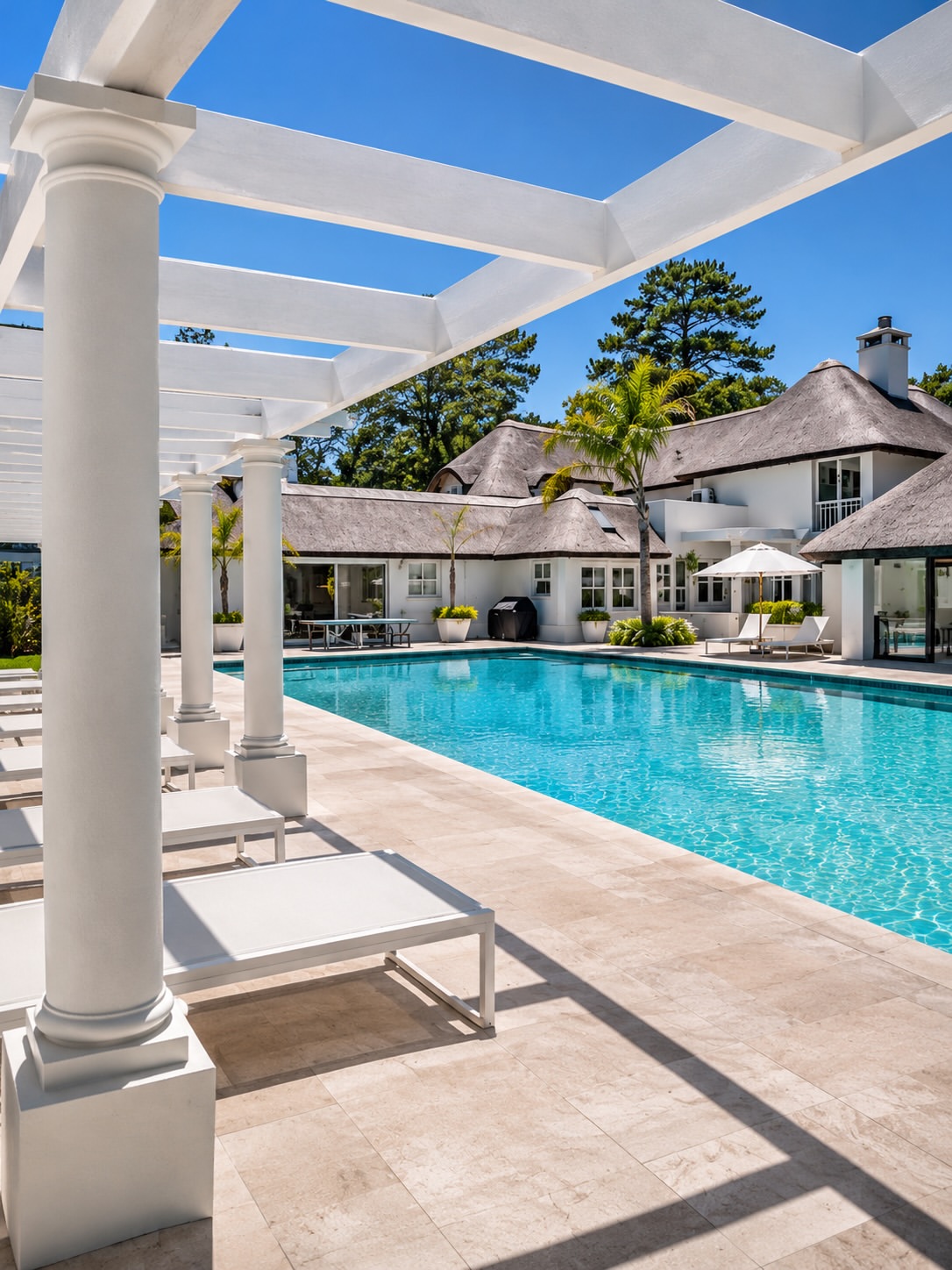
What makes the estate so appealing is its balance. It offers the space of a country estate and the privacy of a family retreat, with every amenity one might wish for within its own gates. The pool shimmers, the tennis court waits, the gardens soften every view. It is the sort of property that invites generations to gather, to play, to rest and to remember. That, perhaps, is why it suited a visit of this kind, where the only agenda was affection.
A Poignant Place in Diana’s Story
And yet the charm of Tarrystone is shadowed by poignancy. This was, after all, a visit made only months before the world would lose her. Knowing this, it is impossible to see the cottage, the garden or the vines in quite the same way. Every quiet corner takes on a deeper tone. Every shaft of sunlight seems to linger a little longer. The estate does not tell her story, but it holds a chapter of it, and it holds it gently.
There are houses that impress by their size, and houses that move by their history. Tarrystone belongs to the second kind. It offers no spectacle, only a quiet truth: that behind the public figure was a woman who loved her family, who sought stillness and who found it, for a little while, among the vines of the Cape. Almost three decades on, the cottage still stands, the garden still blooms and the vineyard still ripens in the sun. It is a beautiful property with a poignant place in Diana’s story, and a reminder that some of the most precious moments are the quietest ones.