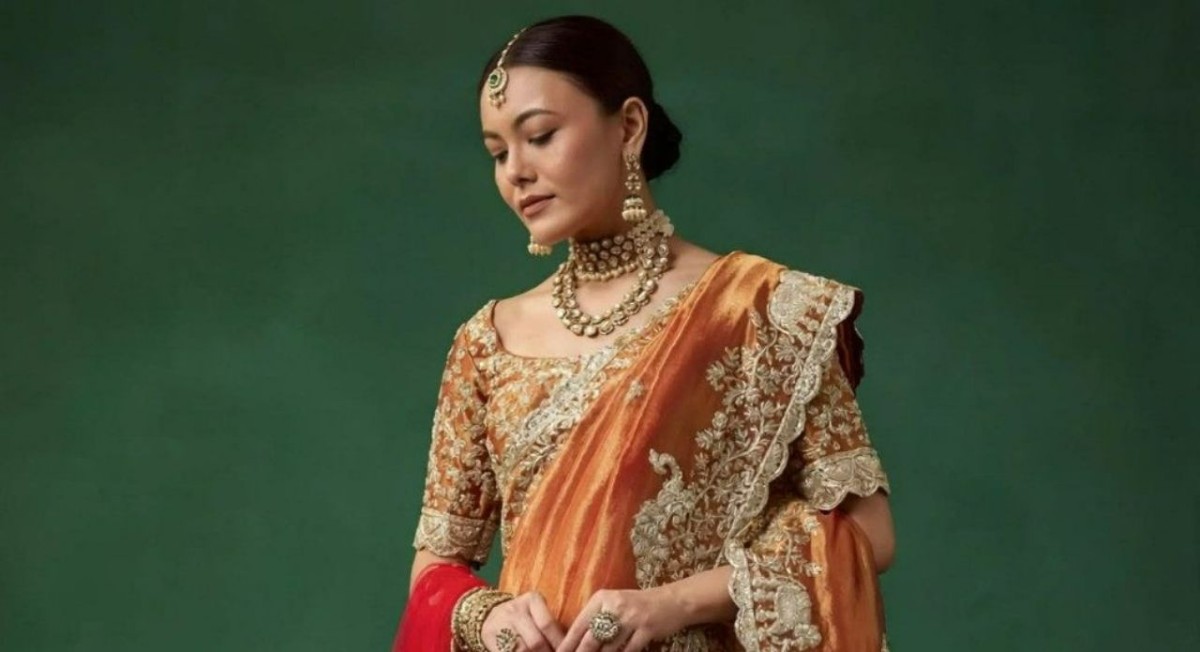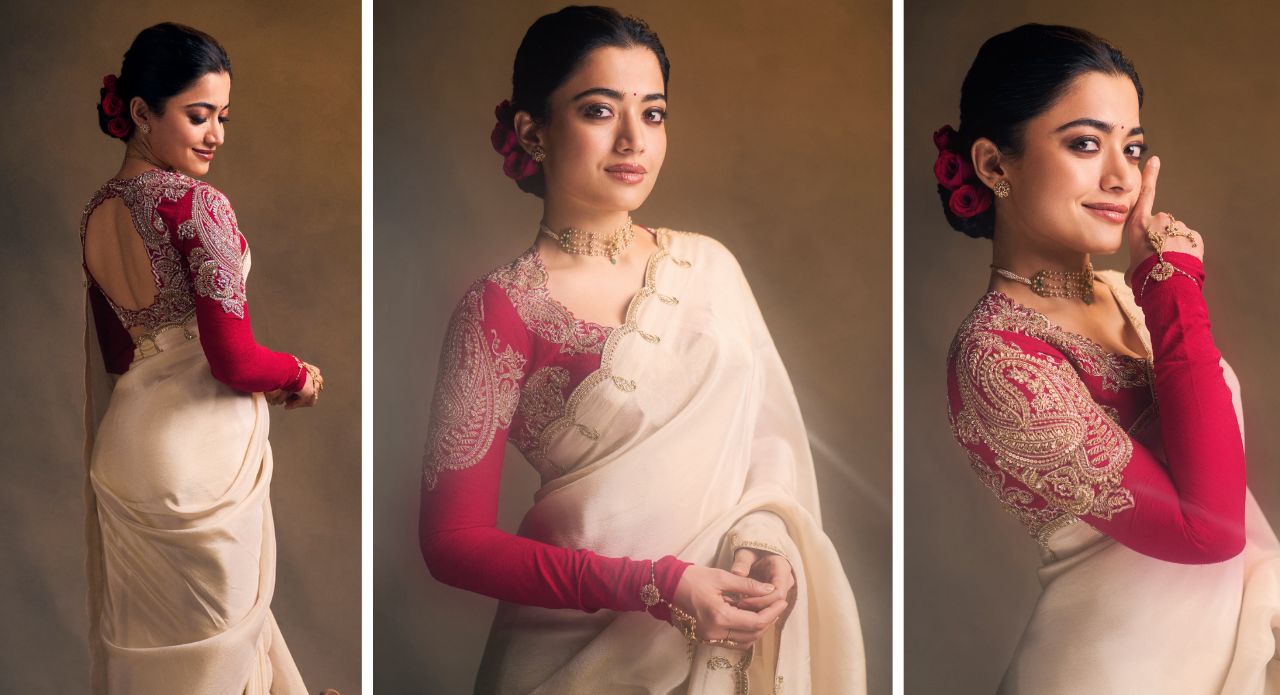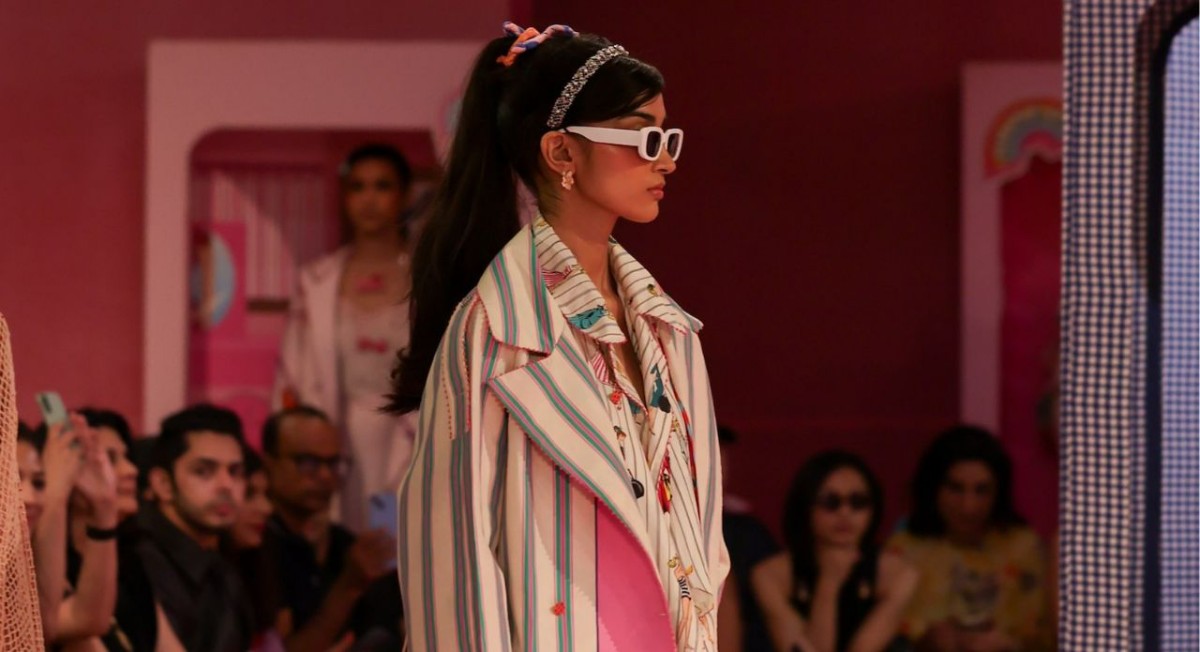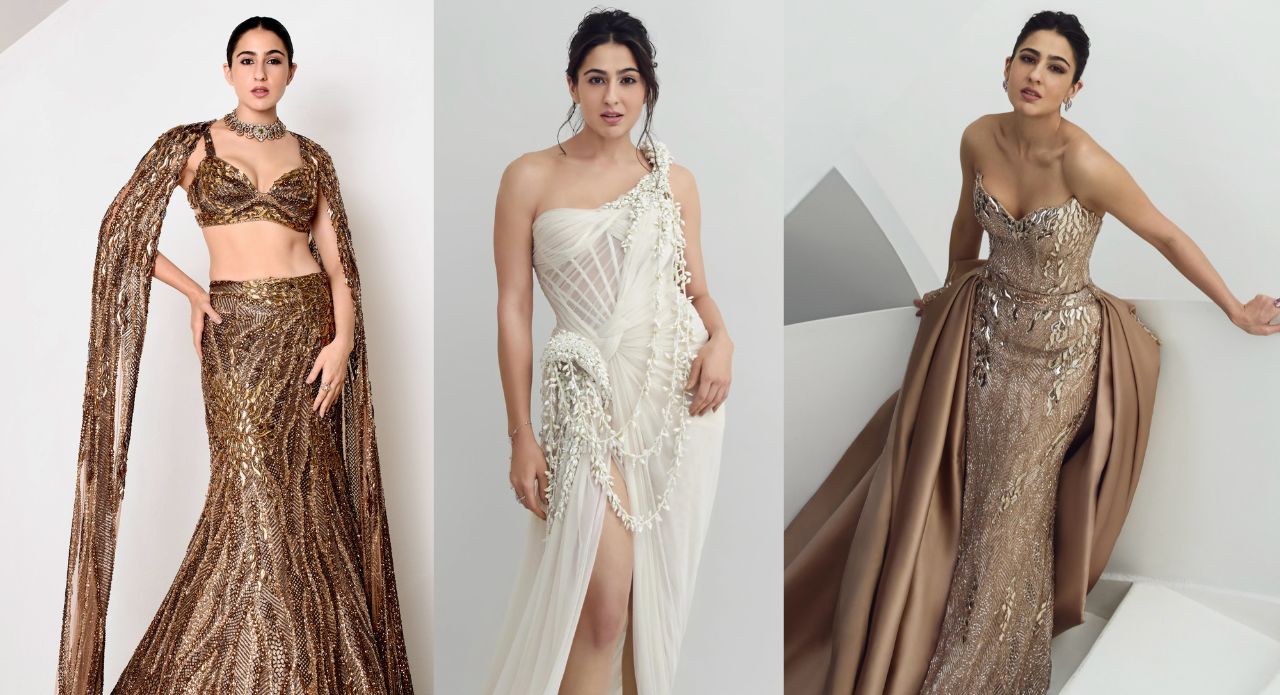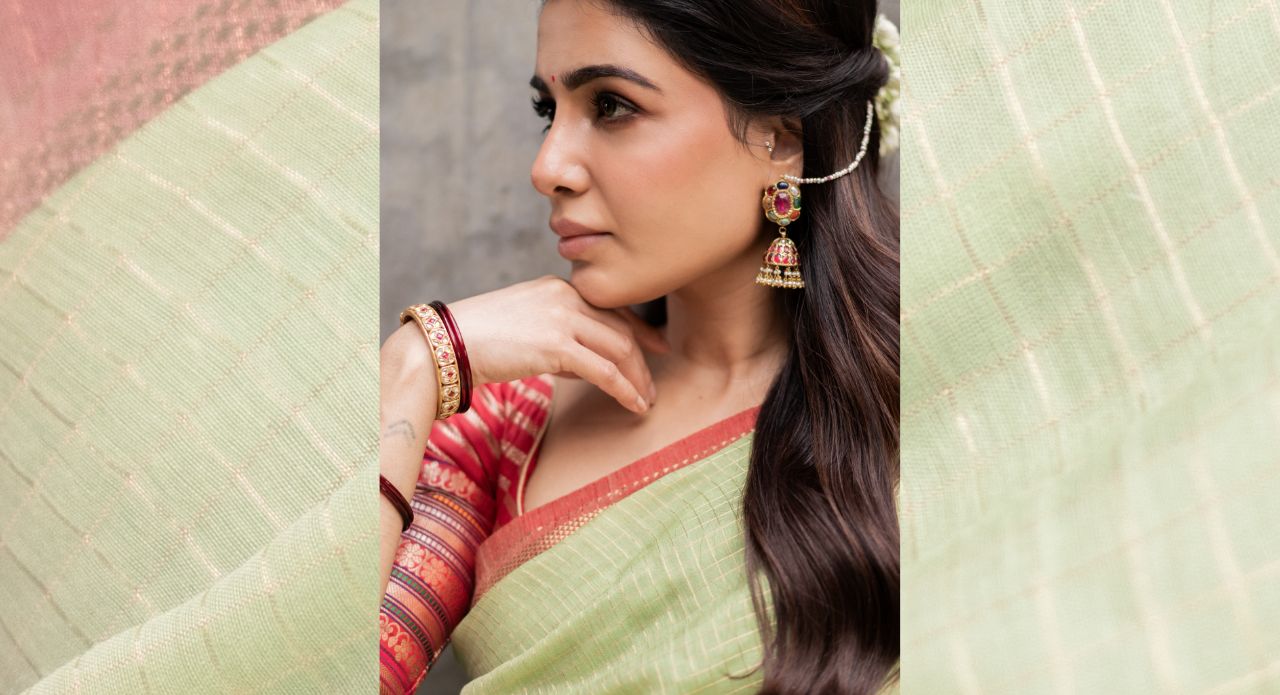


Samantha Ruth Prabhu recently stepped out in a sari featuring zari-etched checks inspired by a South Indian artist. It quietly reaffirmed a larger shift already unfolding in fashion: regional textile languages are now global luxury codes. Her ensemble finds its roots in South Indian silk traditions and is part of a broader sartorial narrative where handwoven heritage is being reinterpreted for contemporary wardrobes and international runways.
The foundation of this craft lies in zari silk. The fabric is woven into pure silk using fine metallic threads, traditionally gold or silver-plated to create ornate motifs and borders. What separates it from the usual machine-embroidered alternatives is its authentic zari work which is integrated into the weave itself, making each fabric immensely rich and visually luminous. This makes the South Indian zari silk superior to mass-produced, identical decorative textiles: it is time-intensive, deeply skilled and inherently durable.
Also Read: Venice Biennale 2026: Isha And Radhika Ambani Redefine Indian Saree Couture For Luxury Fashion
Another defining element is the iconic checked pattern that is a defining feature of South Indian handloom textiles. These checks, tracing their roots to everyday regional wear, have evolved into a global design language. Designers increasingly reference traditional Indian weaving structures, especially Madras checks and temple-inspired grids, within contemporary luxury collections. This shift has helped position Indian handloom textiles not just as cultural artifacts, but as high-value fashion materials.
From Heritage Weaves to Global Luxury Fashion Codes
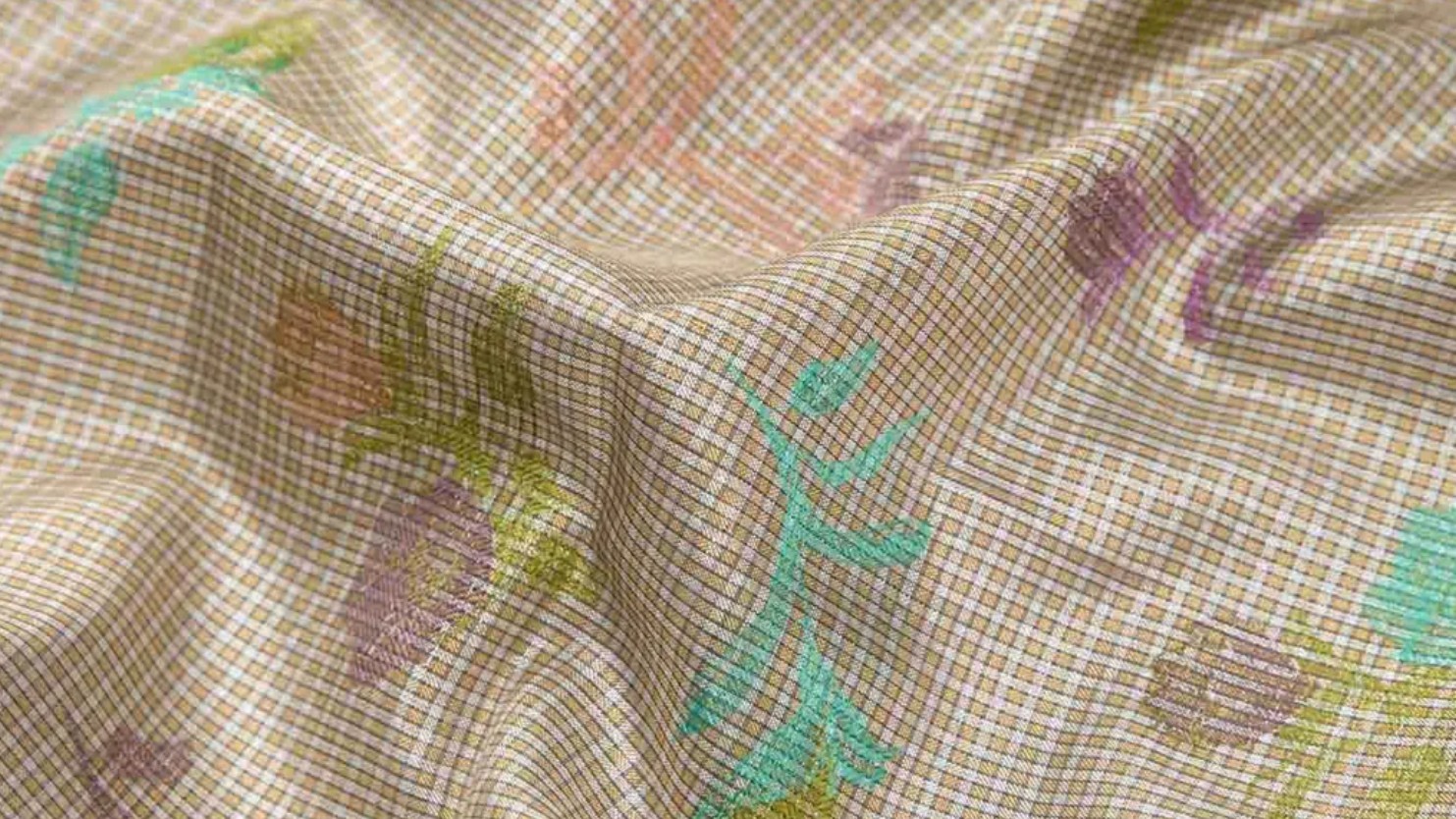
So, how did South Indian checks become popular in global fashion? The answer lies in their versatility. The clean geometry of checks was reportedly embraced by the affluent elites of 1950s America and has been a classic wardrobe ever since, gradually finding its place in couture gowns to tailored resort wear, while retaining a sense of heritage authenticity. Luxury houses and independent designers alike are now drawing from this visual vocabulary to meet rising demand for luxury silk fabrics with cultural depth.
For collectors, identifying authentic South Indian zari silks involves close attention to craftsmanship. Real pieces often carry irregularities that signal handweaving, a dense silk base, and zari that retains weight and warmth rather than a flat metallic sheen. Increasingly, buyers, collectors seeking authentic South Indian zari silk weaves are also prioritising provenance, weaving clusters and artisan signatures.
Also Read: Bandhani: The Ancient Indian Craft Reclaiming Its Place in Global Luxury
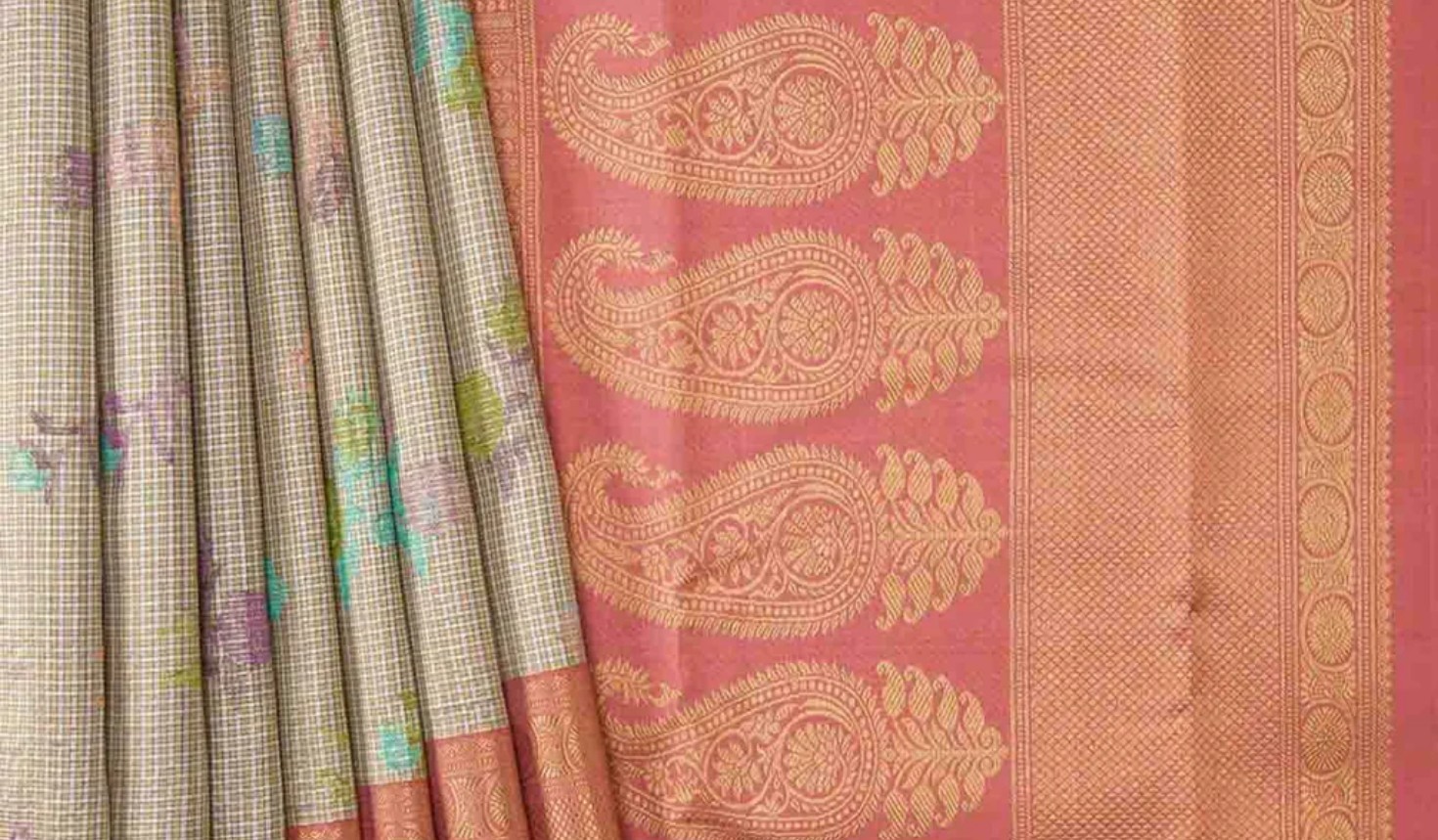
Heritage labels such as Nalli and Pothys continue to define the upper tier of South Indian silk luxury, with handwoven Kanchipuram sarees and pure zari editions often crossing the INR 2–3 lakh mark depending on craftsmanship and gold content.
Today, the global demand for South Indian silk and zari fabrics reflects a larger shift: luxury is no longer defined only by rarity or price, but by story, heritage, and sustainability embedded in every thread.