

The new wellness flex is not how hard you can push your body, but how well you can help it recover. Sculpted bodies, premium activewear and exclusive gyms once defined fitness culture; now, saunas, cold plunges, massage and restorative downtime are becoming just as desirable. Fitness has not lost its place, but recovery is moving to the centre of the luxury wellness routine, reflecting a shift towards sustaining the body rather than constantly pushing it.
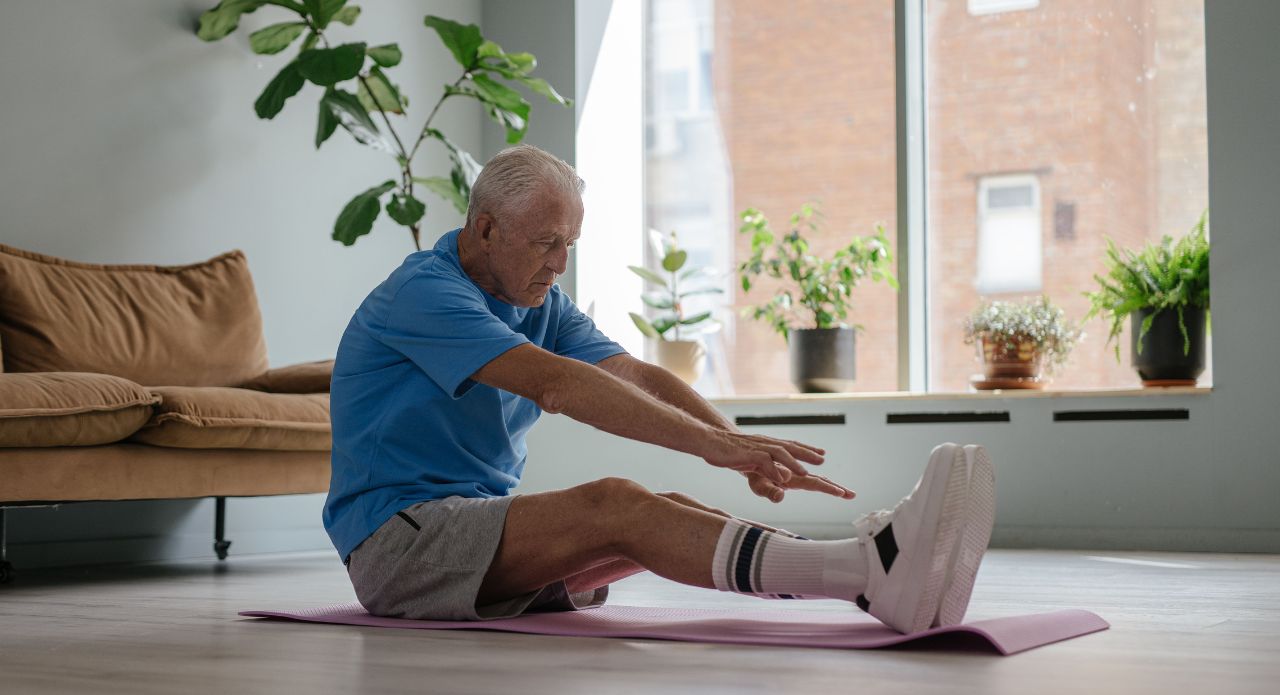
Recovery wellness works by giving the body time and targeted support to repair after physical or mental strain. Practices such as massage, sauna, cold plunges, stretching, sleep and hydration can help ease muscle tension, support circulation and restore energy. There is no single timeline for complete recovery; light fatigue may ease within hours, while intense training or accumulated stress can require 24 to 72 hours, with deeper recovery sometimes taking longer. The aim is not to recover instantly but to make restoration a deliberate part of the wellness routine.
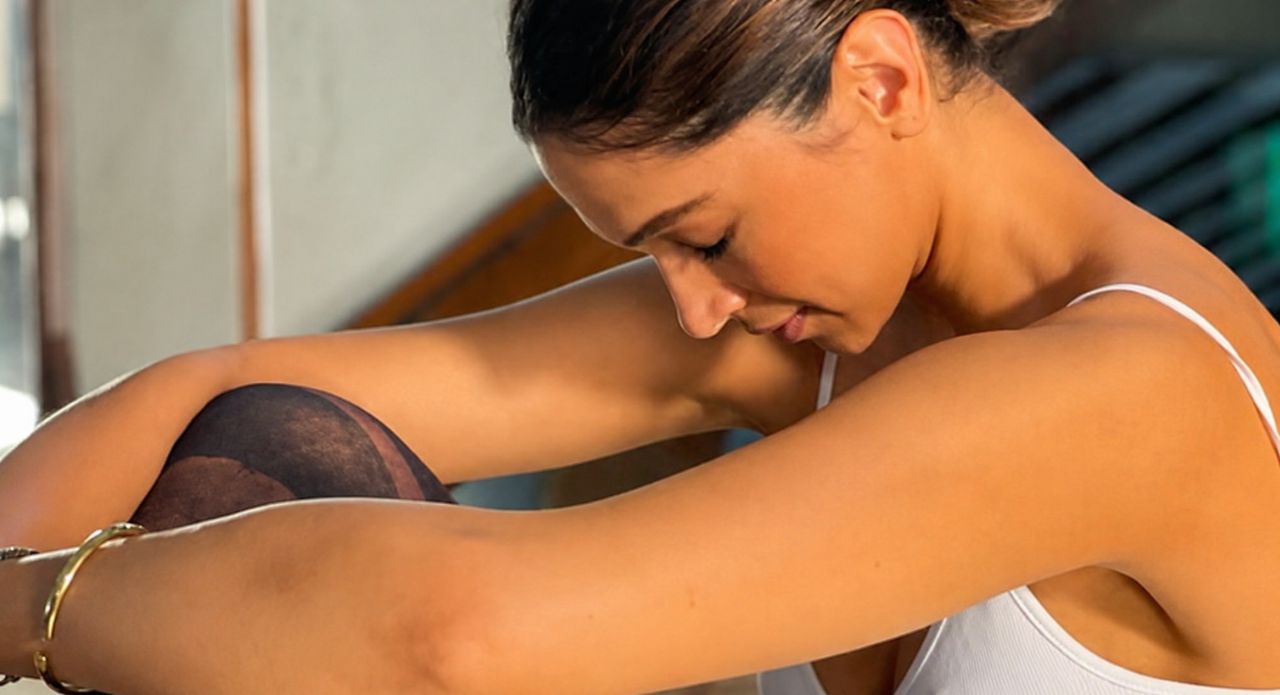
Among Indian celebs, Deepika Padukone, who has long incorporated yoga, pilates and mindful movement into her fitness routine, reflects the growing emphasis on balance, recovery and listening to the body. Similarly, Malaika Arora’s wellness routine has long centred on yoga, movement and mindful recovery, reflecting this broader shift from pushing the body to listening to it.

The Art of Having Nothing
Recovery is no longer the quiet footnote at the end of a workout. It has become an experience in its own right. High-end wellness clubs and hotels are creating spaces where heat, cold, bodywork and relaxation can become part of the post-training ritual. The appeal is practical, but it is also cultural: knowing when to stop has become part of knowing how to train well.
Also Read: Why Sleep Is the New Luxury In A Burnout-Driven World
The transition is visible in what people wear, too. Recovery wear moves away from clothing designed solely to signal athletic performance and towards soft layers, relaxed silhouettes and technical fabrics intended for the hours around a workout. Pieces such as the Rag & Bone Miramar Terry Wide Leg Pant at INR 34,623, Varley The Extra Wide Leg Pant at INR 19,499, Lululemon Scuba Mid-Rise Wide-Leg Pant at INR 14,799, Alo Accolade Sweatpant at INR 13,170 and Vuori Halo Essential Wideleg at INR 11,300 offer a more polished take on post-workout dressing. The wardrobe no longer has to announce that a workout happened. It can quietly acknowledge what comes next.
When Time Signals Wealth
The symbolism runs deeper than aesthetics. Exclusive fitness memberships once communicated discipline, access and the ability to invest heavily in one’s body. Recovery introduces another form of privilege: having the time, money and environment to restore properly. A private treatment, a dedicated recovery suite or an unhurried morning all point towards the same aspiration: control over one’s energy rather than constant expenditure of it.
Also Read: How Cold Plunges Became a Luxury Wellness Essential
Rest, in this context, is not an escape from ambition. It is part of sustaining it. The growing interest in recovery-focused clothing, restorative spaces and slower periods between demanding routines reflects a broader recalibration: wellness is moving from a culture of constant output towards one that values what happens after the effort.