

For years, sleep was treated as the most dispensable part of a demanding life — something to compress between flights, recover on weekends, or manage with supplements and trackers. Although it was necessary, it was rarely protected.
That attitude is now changing.
A new breed of wellness retreats are no longer framing sleep as downtime, but as infrastructure: the biological foundation that supports cognition, emotional regulation, immunity and long-term resilience. Because once sleep begins to fray, everything else follows – mood, appetite, skin, patience, immunity, focus, and even your ability to recover from a workout, a long day, or a hard conversation.
For a growing number of people, especially those who are high-functioning, high-performing, and constantly switched on, sleep isn’t just “bad.” – it has stopped working altogether.
That’s where sleep tourism comes in: these are journeys designed not for escape, but for repair.
Also Read: Inside An Eco-Friendly Jungle Idyll In Satpura
When Sleep Stops Working
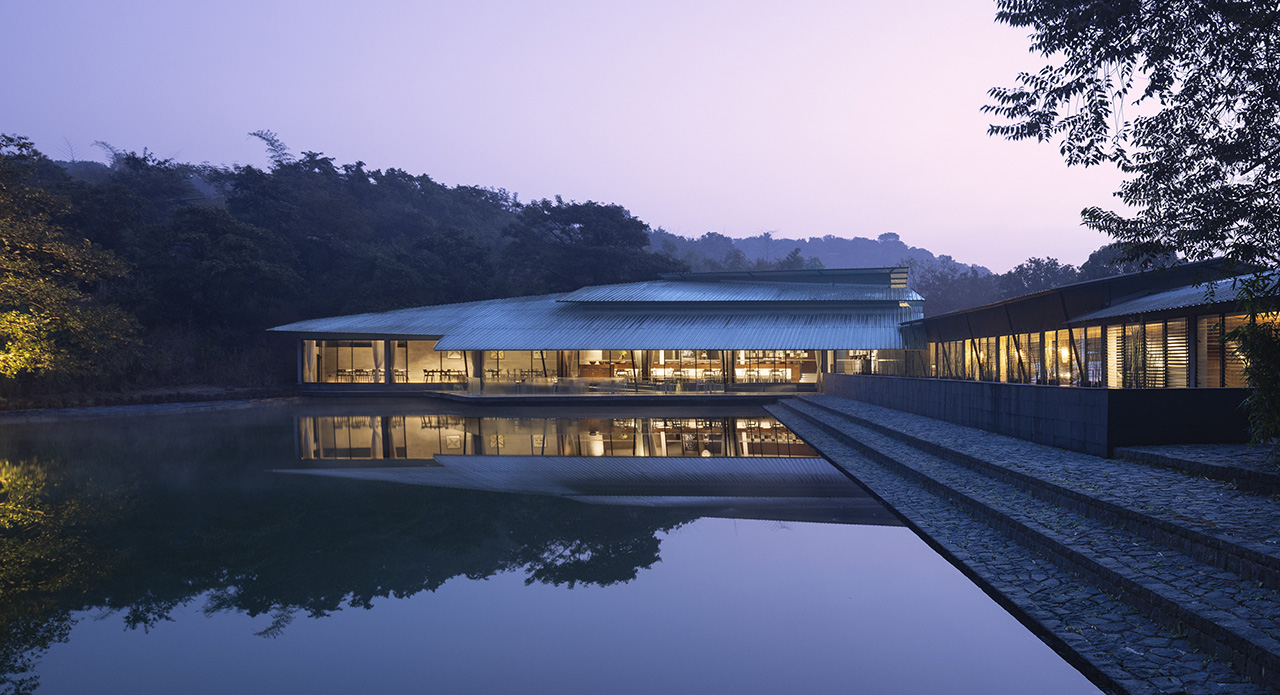
At Dharana at Shillim, set deep within the Sahyadri ranges, sleep is approached with the same precision as preventive medicine. The silence is intentional, the scale is expansive, and the pace is deliberately restrained.
“Sleep is no longer passive rest,” says Dr Shaji Pampalayam, Chief Wellness Officer at Dharana. “It governs cognitive clarity, emotional regulation, metabolic efficiency and long-term resilience.”
Many guests arrive having optimised the visible markers of health. They exercise, eat carefully, travel comfortably and track their biometrics – yet, they remain tired. What they are facing is not a lack of opportunity to sleep, but a breakdown in sleep regulation itself.
“People no longer ask how to sleep longer,” Dr Shaji explains. “They want to understand why their sleep has broken down in the first place.”
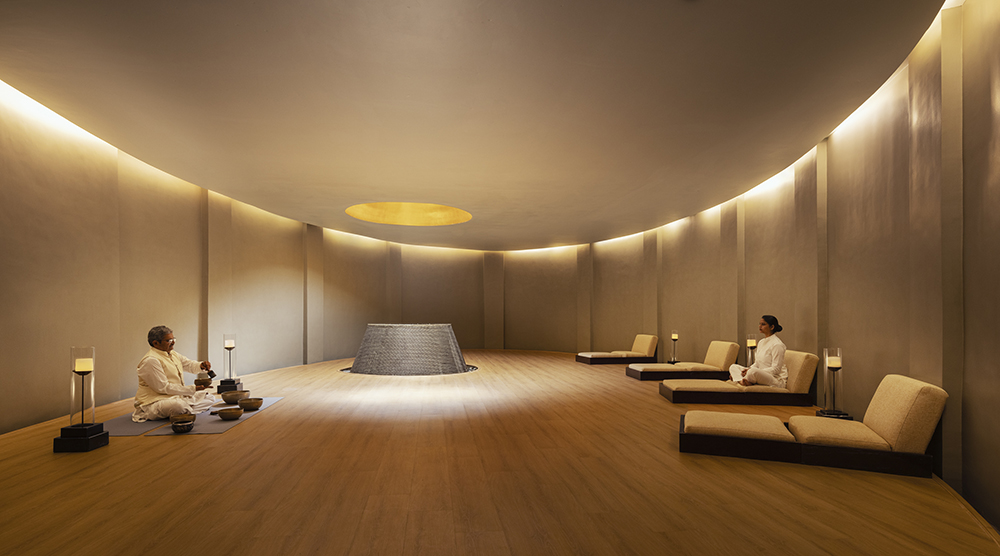
This reframing underpins how sleep-led travel now functions. Rather than focusing on bedtime rituals or isolated interventions, programmes address the biological conditions that allow restorative sleep to return naturally, including circadian alignment, nervous system regulation and emotional load.
Who Is Actually Booking Sleep Retreats?
Those enrolling in sleep programmes arrive with layered disruption rather than a single complaint. Chronic stress, frequent travel, emotional burden, hormonal transition and circadian misalignment often coexist. These are individuals accustomed to efficiency in every other area of life, now confronting the one system that refuses to be rushed.
At tulåh Clinical Wellness Sanctuary in Calicut, this pattern is especially pronounced. “Most guests recognise that sleep reflects how their entire system is functioning,” says Dr Vishnuraj Prakash, Head of Ayurveda at tulåh. “They understand that elevated cortisol, disrupted melatonin and metabolic instability directly affect mood, immunity and cognitive performance.”
Rather than asking how to sleep more, guests are now asking what in their lifestyle, emotional state or physiology is preventing deep, restorative rest.
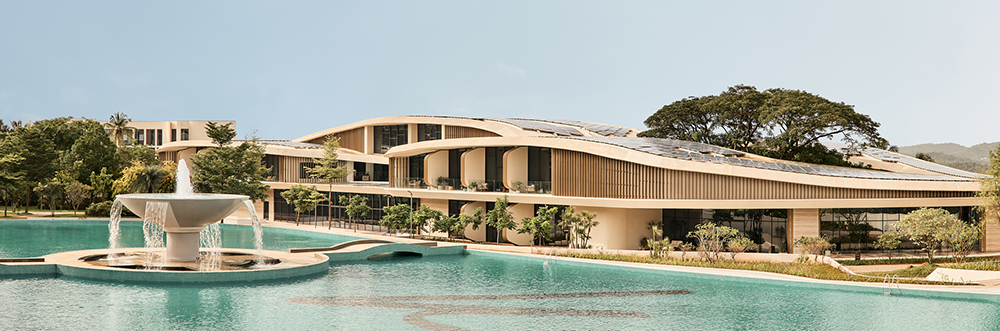
Dr Ravi S Parihar, Chief of Medical Services at tulåh, agrees. “Many guests are high-functioning individuals operating under sustained pressure,” he says. “Extended cognitive engagement, decision fatigue and inadequate recovery keep cortisol elevated and melatonin suppressed.”
At SOUKYA International Holistic Health Centre in Bengaluru, founder chairman Dr Isaac Mathai observes that sleep disruption is rarely isolated. “Stress, anxiety, emotional overload and burnout keep the nervous system overactivated,” he says. “Insomnia is usually a symptom, not the starting point.”
Across these destinations, the common thread is a search for durability and outcomes that hold even after the guest has returned home.
Diagnosing the Disruption
Before attempting to improve sleep, most retreats begin with an assessment.
Sleep disturbance is treated as a system-wide issue. Clinical evaluation, lifestyle patterns, nutrition, emotional health and stress load are examined together to identify the true drivers of disruption.
At Dharana, advanced diagnostics are layered with Ayurvedic insight to establish meaningful baselines. “It’s not just about knowing that sleep is affected,” says Dr Shaji. “It’s about understanding why.”
Tulåh follows a similarly integrative approach. “We combine advanced blood markers, gut microbiome analysis and psychometric evaluations with Ayurvedic prakriti–vikriti assessment,” explains Dr Parihar. “This allows us to identify whether sleep disruption is driven by inflammation, gut–brain imbalance, hormonal shifts or emotional overload.”
This depth of inquiry informs daily routines that prioritise nervous system regulation and circadian stability rather than isolated sleep aids.
Discipline Over Indulgence
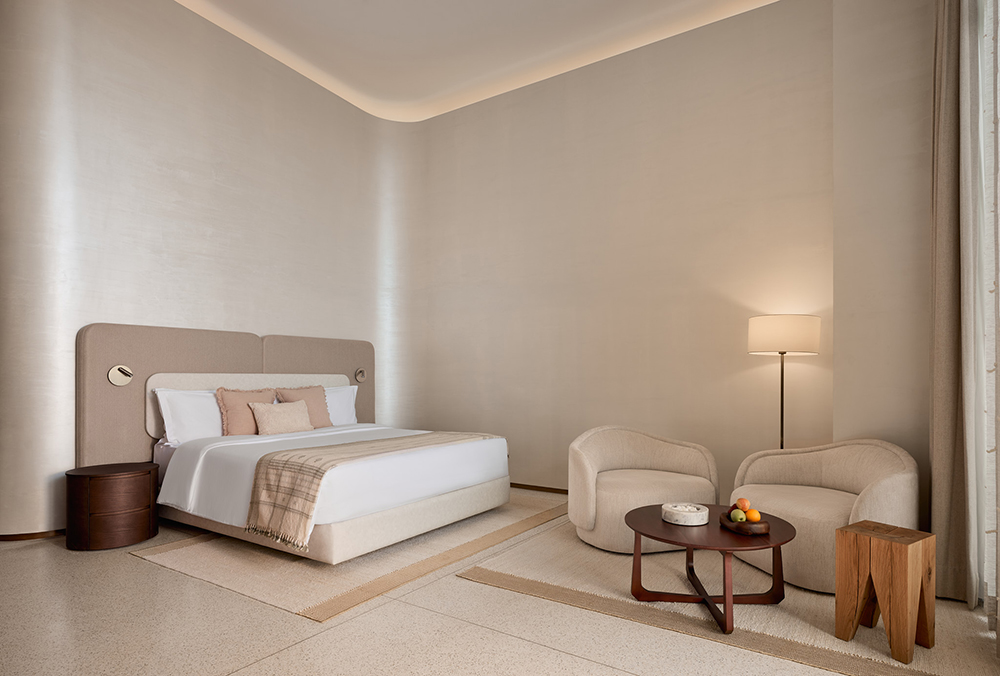
Despite the term, sleep tourism today is less indulgent than it is disciplined.
Days at these retreats follow rhythms that align with natural light cues – your mornings begin with gentle movement, breathwork and exposure to daylight; your meals are at specific times and intentionally light; cognitive stimulation is reduced; and evenings are quieter on purpose.
At Dharana, predictability is central to sleep recovery. “Fewer decisions. Lower stimulation. Consistent rhythm,” Dr Shaji notes. “Sleep returns as a consequence, not an instruction.”
Tulåh’s daily rhythm mirrors this philosophy, with mornings dedicated to movement and breathwork, and evenings shaped around Yoga Nidra, sound healing and reflective practices that promote parasympathetic dominance.
SOUKYA similarly integrates yoga, meditation, barefoot walking and sun exposure to help the body relearn its natural circadian cues. What distinguishes these environments from everyday life is not excess, but the absence of friction.

The Biggest Misconception About Fixing Sleep
One of the most common misconceptions guests arrive with is the belief that sleep can be fixed quickly.
“Many assume a few uninterrupted nights or a supplement will solve the problem,” says Dr Mathai. “But insomnia is often a symptom, not the root issue.”
At tulåh, guests are often surprised by how much sleep recovery happens during the day. “What enables sleep is the ecosystem,” says Dr Prakash. “Being in a safe, non-judgemental environment allows emotional release and nervous system downshifting. Sleep follows naturally.”
Stress, Emotional Load and the Nervous System
Many sleep issues are rooted in chronic nervous system activation rather than insomnia alone.
Modern lifestyles keep the body in a prolonged state of alertness, disrupting hormonal signalling even when sleep duration appears adequate. Retreat-based programmes address this by shifting the body from sympathetic “fight or flight” into parasympathetic recovery.
“Over time, the body learns to release hypervigilance,” says Dr Shaji. “Sleep deepens not because we force it, but because the system finally feels safe enough to rest.”
At tulåh, counselling, somatic therapies and restorative practices are integral. “Evening interventions like Yoga Nidra and sound healing quiet mental overactivity and reduce cortisol,” says Dr Parihar. “That’s when true recovery begins.”
Also Read: A Quiet Island Escape At Raffles Udaipur: Where Stillness Is the Ultimate Luxury
How Long Does Real Change Take?
Meaningful improvements in sleep rarely occur overnight. Most guests notice early shifts after a few days — easier sleep onset, fewer night-time awakenings, calmer mornings. Deeper consolidation typically unfolds over 10 to 14 days as inflammation reduces and hormonal rhythms stabilise.
What tends to last once guests return home is not tied to a single therapy, but to behavioural recalibration.
“When sleep becomes an outcome of balanced living rather than something to be chased,” Dr Shaji says, “it is far more likely to remain stable.”
The Future of Sleep-Led Travel
Sleep tourism is no longer niche. As definitions of luxury shift from indulgence to longevity, sleep is emerging as a foundational pillar of wellness travel.
“Sleep influences immunity, metabolism, emotional balance and resilience,” says Dr Mathai. “It sits at the centre of health.”
Across retreats, the emphasis is increasingly on restraint, rhythm and regulation rather than excess intervention. The most effective programmes focus on teaching the body how to rest again — and equipping guests with the tools to sustain that state at home.
Where You Can Go
Dharana at Shillim, Maharashtra
A clinically led wellness retreat in the Sahyadris where sleep is treated as a system-wide outcome of rhythm, regulation and emotional recalibration. Designed for those seeking measurable, long-term restoration rather than quick relief.
tulåh Clinical Wellness Sanctuary, Calicut
An integrative medical sanctuary combining advanced diagnostics with Ayurvedic wisdom, focused on inflammation reduction, nervous system regulation and hormonal balance for sustained sleep recovery.
SOUKYA International Holistic Health Centre, Bengaluru
A pioneer in holistic medicine where sleep is addressed through lifestyle realignment, emotional balance and circadian discipline rather than symptomatic intervention.
Six Senses Vana, Dehradun
A forest-immersed retreat where silence, reduced sensory input and consistent daily rhythm allow the body to relearn its natural sleep patterns with minimal interference.
Pema Wellness Retreat, Visakhapatnam
A sanctuary for deep rest where sleep is invited through stillness, emotional safety and gentle therapeutic practices rather than metrics or optimisation.
Frequently Asked Questions (FAQs)
1. How does quality sleep improve productivity and health?
Quality sleep restores the body, sharpens focus, boosts mood and enhances overall cognitive performance.
2. Why is sleep considered a luxury today?
Modern lifestyles, screen time and constant connectivity have made uninterrupted, quality sleep increasingly rare.
3. How many hours of sleep do adults really need?
Most adults need around 7–9 hours of sleep per night for optimal functioning.
4. What are the health benefits of quality sleep?
It supports immunity, regulates hormones, improves heart health and reduces the risk of chronic illnesses.