

Scotland, as it turns out, is very good at dividing things. Football loyalties, weather complaints, and most importantly, whisky. And nowhere is that divide more delicious than between Highland and Lowland Scotch. On paper, it sounds simple enough: one comes from the Highlands, the other from the Lowlands. Geography, done. But whisky, like tailoring and old money, is never that simple. These two regions produce spirits that may both wear the name Scotch, but behave like entirely different personalities at the same dinner party. One arrives in tweed boots smelling faintly of smoke and bad decisions. The other enters in polished brogues, speaks softly, and somehow still ends up being the most interesting person in the room.
And with World Whisky Day being celebrated this May, there is perhaps no better excuse to revisit this glorious rivalry. It is a day that reminds us whisky is not merely a drink, but a ritual, a story, and occasionally the reason someone starts explaining barrel aging to strangers at midnight. From smoky Highland drams to elegant Lowland pours, it is a celebration of craftsmanship, patience, and the universal truth that some of life’s best conversations begin with the words, ‘Just one more.’
The Highland Identity

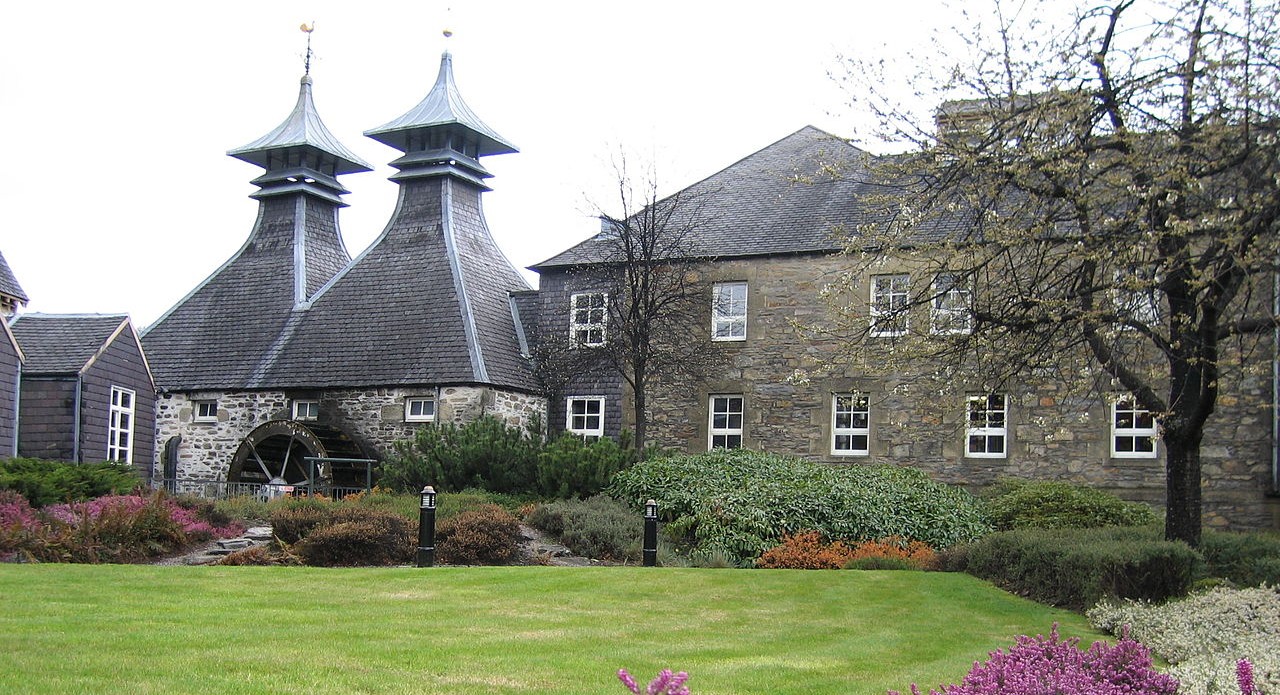
Highland Scotch is the broadest and perhaps most dramatic category in Scotch whisky. It covers a vast stretch of Scotland, from rugged mountain regions to coastal distilleries and islands often included in the conversation. This means there is enormous variation, but one thing usually remains constant: character. Highland whiskies tend to be fuller-bodied, richer, and more assertive. Expect notes of honey, dried fruit, spice, heather, oak, and occasionally a whisper of smoke depending on the distillery. A dram from The Dalmore or Glenmorangie often feels layered and commanding, as though the whisky itself believes it should be taken seriously. It is the sort of drink that demands a proper chair and a conversation about something vaguely expensive.
The Lowland Character
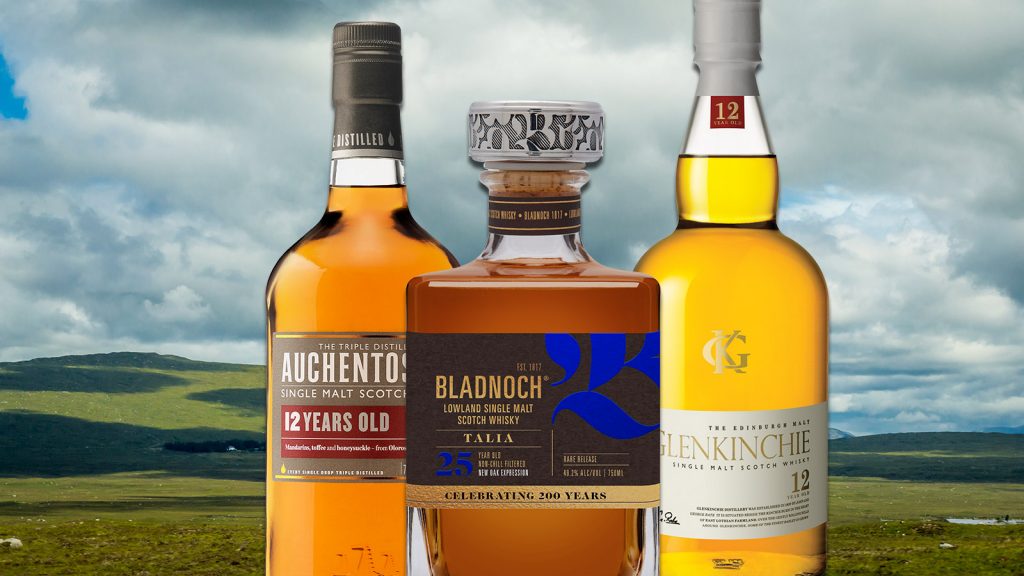
Lowland Scotch, by contrast, tends to be gentler, softer, and often criminally underrated. Produced in the flatter southern regions of Scotland, these whiskies are known for their lighter body, floral aromas, grassy freshness, citrus notes, and a certain elegant restraint. If Highland whisky is a dramatic orchestra, Lowland is a well-played piano in a quiet room. Distilleries like Auchentoshan and Glenkinchie create expressions that are approachable without being boring, subtle without being weak. There is finesse here, and it often takes a more patient palate to appreciate it. It is whisky for people who understand that sophistication rarely needs to shout.
Why the Region Changes Everything
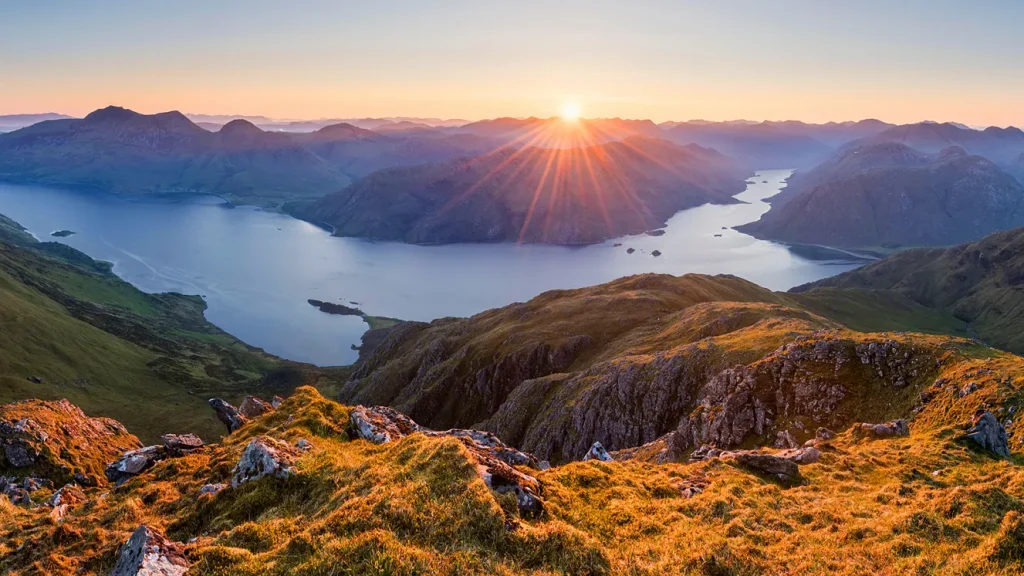
The regional difference is not just branding, it is chemistry. Highland distilleries often work with harsher climates, varied altitudes, and water sources flowing through mineral-rich terrain, all of which shape the final spirit. The larger, more remote landscapes also historically encouraged robust styles that matched the environment. Lowland distilleries, meanwhile, benefit from softer landscapes, gentler climates, and traditionally easier access to trade routes, which encouraged lighter spirits and smoother styles aimed at broader appeal. It is terroir, but with more rain and significantly better stories. Even the air feels different, and somehow, impossibly, that ends up in your glass.
Aging: Oak, Time, and the Art of Patience
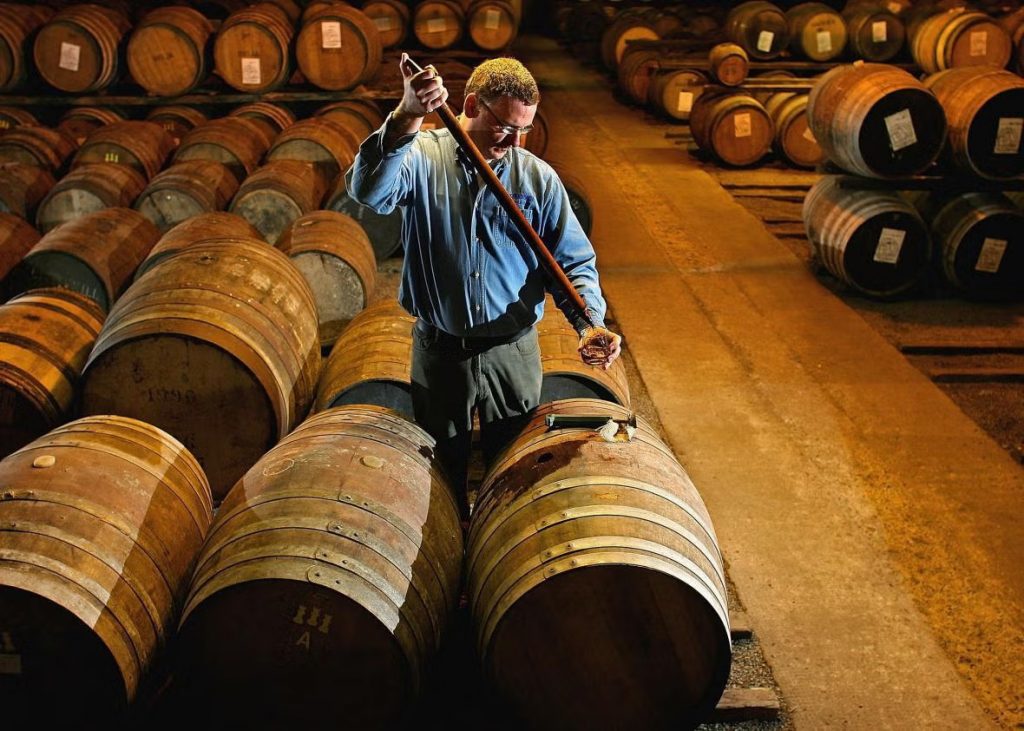
Aging plays a fascinating role in both styles, but it reveals itself differently. Highland whiskies often benefit from long maturation in sherry casks, ex-bourbon barrels, or a combination of both, allowing their naturally rich spirit to develop even deeper layers of spice, dried fruit, and chocolate. They wear age like a tailored overcoat. Lowland whiskies, being lighter and more delicate, can be overwhelmed by excessive oak if handled poorly, so aging often aims to preserve freshness rather than bury it under wood. Triple distillation, common in some Lowland distilleries, also contributes to a smoother, cleaner profile. In simple terms, Highland Scotch gets older like a novelist with opinions. Lowland Scotch ages like someone who somehow looks better at fifty than they did at thirty.
Also Read: When Should You Wear A Black Bow Or White Bow? Complete Style Guide
Which One Should You Drink?
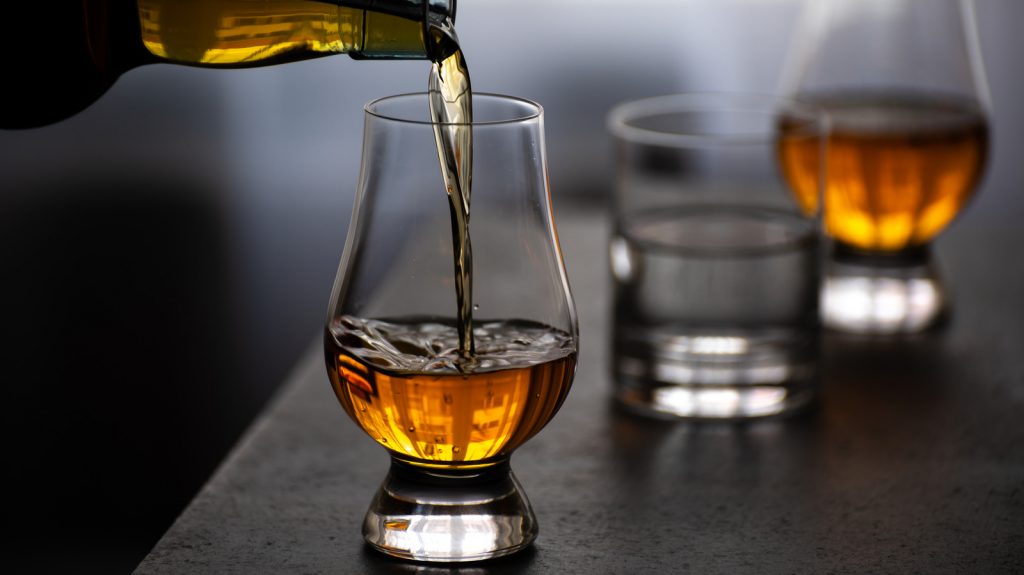
That depends entirely on the evening and the version of yourself you are trying to become. If you want richness, warmth, complexity, and something that feels like winter in liquid form, Highland Scotch is your answer. It is for slow sipping, heavy armchairs, and pretending you understand property prices in Edinburgh. If you prefer elegance, brightness, and a whisky that opens gently rather than arriving with a marching band, Lowland is the wiser choice. It works beautifully as an introduction to Scotch, but also rewards experienced drinkers who appreciate subtlety over spectacle. One is a grand speech. The other is a perfectly timed sentence.