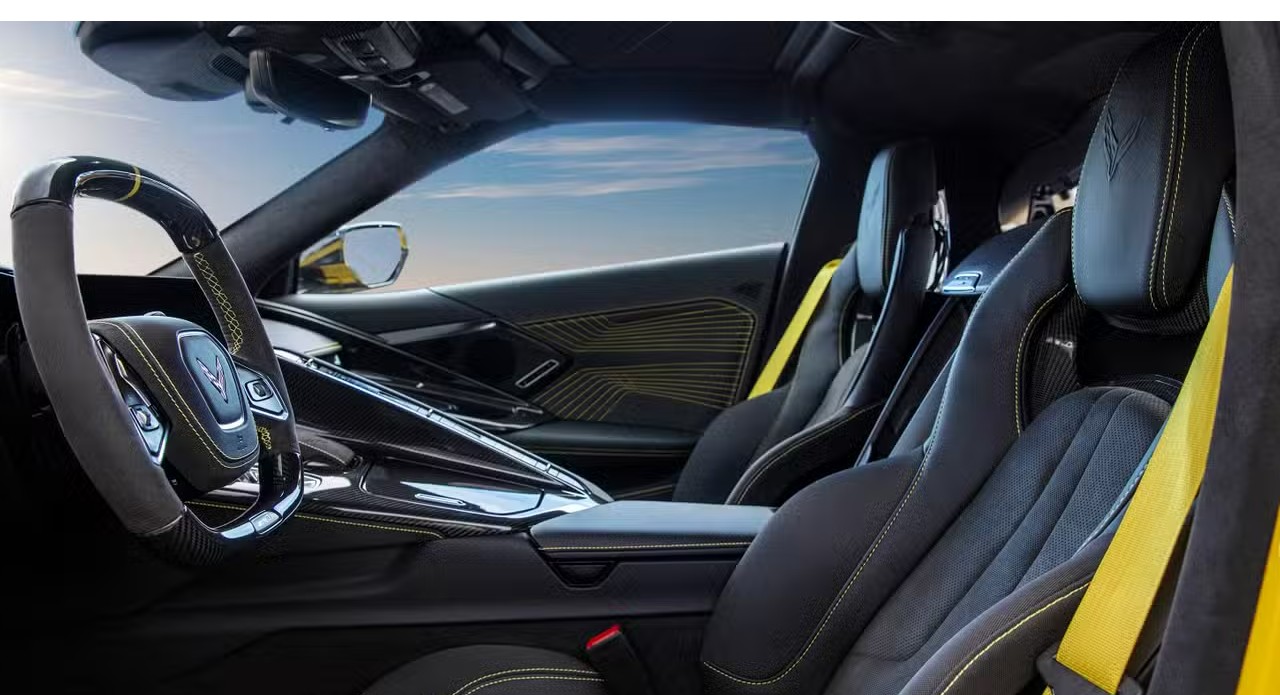


There are certain inventions that completely change a sport. Carbon-fibre monocoques. Aerodynamics. Disc brakes. And then there is the sequential gearbox, a mechanical device so brilliantly simple and devastatingly effective that once racing teams discovered its advantages, traditional manual gearboxes were effectively shown the door and politely told never to return.
Think about what happens in a conventional manual car. You press a clutch, move a lever through a maze of gates, select the desired gear, and then release the clutch. Fine for driving to the supermarket. Less fine when you’re hurtling toward a corner at 300 km/h while attempting not to introduce yourself to a concrete wall. Racing demands speed, precision and consistency. It demands that every fraction of a second be squeezed out of both machine and driver. Which is precisely why sequential gearboxes became one of the most important developments in modern motorsport.
Why Traditional Gearboxes Could No Longer Keep Up
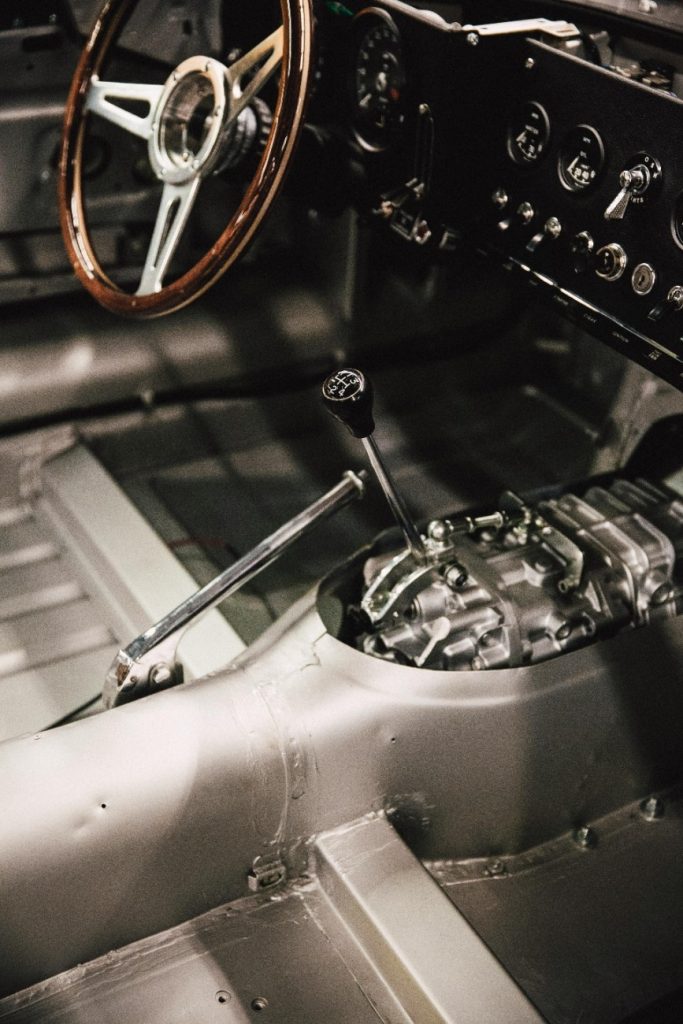
For decades, racing drivers relied on H-pattern manual gearboxes. They worked well enough, but they had one fatal flaw: the human being operating them. Under pressure, drivers could miss gears, over-rev engines, or waste precious milliseconds navigating the traditional shift pattern. In racing, milliseconds matter. Entire championships have been decided by margins smaller than the blink of an eye.
Engineers realised that if they could eliminate unnecessary movement and simplify gear selection, they could make cars faster and more reliable. The answer was brilliantly straightforward. Instead of moving through an H-pattern, the driver would simply push or pull a lever to move sequentially through the gears. First to second. Second to third. Third to fourth. No confusion. No missed gates. No hesitation.
Also Read: McLaren Unveils Artura 1000GP By MSO To Mark Historic 1,000th Grand Prix Achievement
How A Sequential Gearbox Actually Works
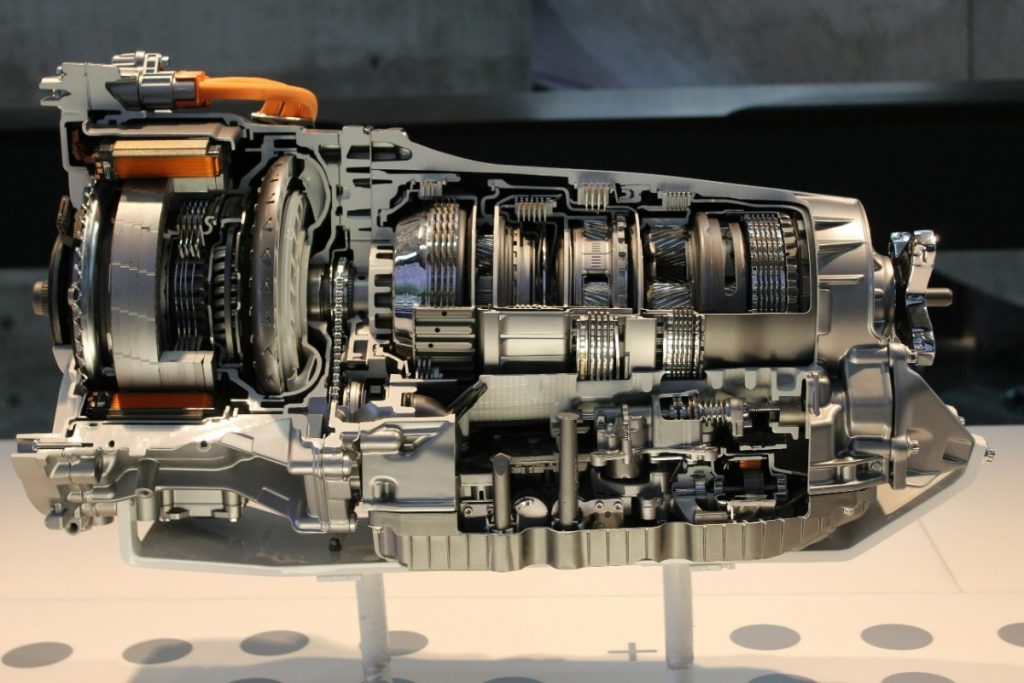
Unlike a traditional manual transmission, a sequential gearbox allows gears to be selected only in order. You cannot jump directly from second gear to fifth or from sixth to third. The transmission moves through a sequence, one gear at a time. Push forward and the gearbox downshifts. Pull back and it upshifts, or vice versa depending on the racing series. Modern systems often use paddle shifters mounted behind the steering wheel, allowing drivers to change gears without removing their hands from the wheel. Internally, specially designed selector drums and engagement dogs replace the slower synchroniser systems found in road cars. The result is a transmission capable of changing gears in milliseconds rather than tenths of seconds. In elite motorsport, those tiny gains quickly become enormous advantages.
Speed Is Everything
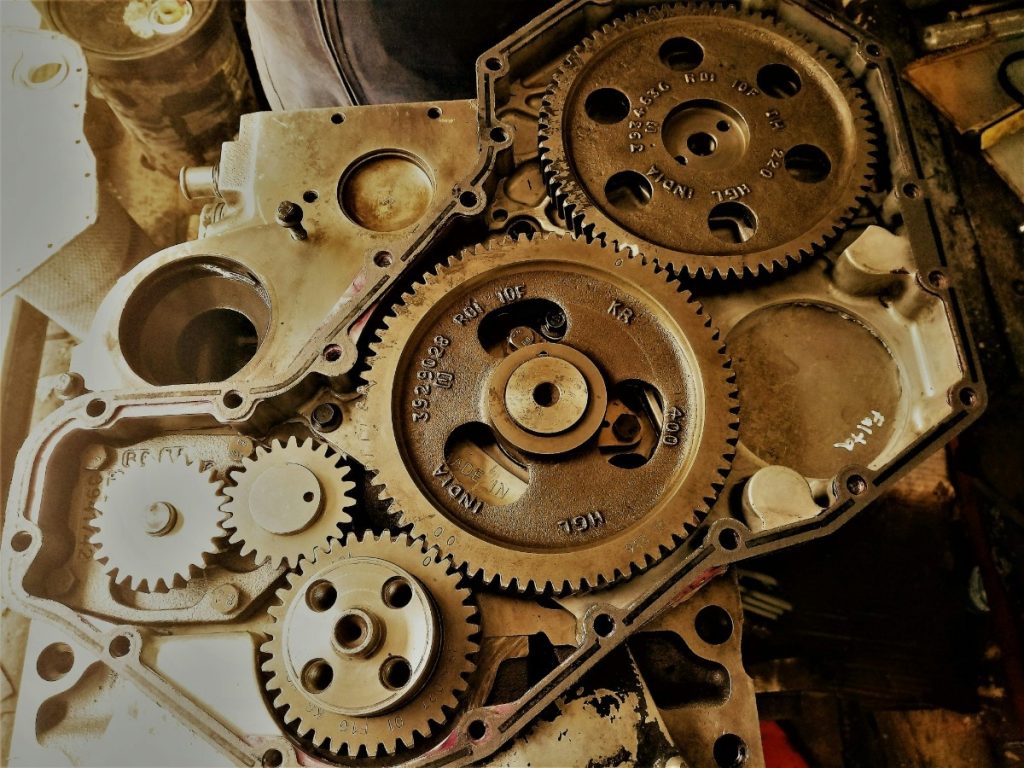
The greatest advantage of a sequential gearbox is brutally simple: speed. A conventional road-car gearbox may require several hundred milliseconds to complete a gear change. Modern racing sequential systems can execute shifts in as little as 30 to 50 milliseconds. That is faster than most people can even register what has happened. The interruption of power delivery is dramatically reduced, meaning acceleration remains more consistent. Every shift becomes smoother, faster and more efficient. Over the course of a race, these fractions of a second accumulate into meaningful gains in lap time. In motorsport, where victory often comes down to tenths or hundredths of a second, that advantage is priceless.
Built To Survive The Brutality Of Racing
Motorsport is an environment of extraordinary violence. Engines operate near their limits. Brakes generate staggering heat. Suspension components endure forces that would destroy ordinary road cars. Sequential gearboxes are designed specifically for this punishment. Their dog-engagement systems are stronger, simpler and more durable under extreme loads. They tolerate aggressive shifting that would rapidly destroy a conventional transmission. This durability makes them indispensable across Formula 1, endurance racing, rallying, touring cars, MotoGP and superbike championships worldwide.
Why They Remain The Gold Standard
Even as electric powertrains begin reshaping motorsport, sequential gearboxes remain one of the defining technologies of modern racing. They allow drivers to focus on braking points, steering inputs and race strategy rather than worrying about selecting the correct gear. They reduce mistakes, improve performance and maximise the effectiveness of increasingly powerful racing machines. In many ways, they represent the essence of motorsport engineering itself. Take a complicated problem. Simplify it. Make it faster. Make it stronger. Make it better. Because in racing, nobody remembers who shifted beautifully through an H-pattern gearbox. They remember who crossed the finish line first.