

There is something wonderfully optimistic about modern watch owners. They spend lakhs on a beautifully engineered Swiss mechanical masterpiece and then immediately wear it into a swimming pool because the salesperson vaguely mentioned it was “water resistant.” Moments later, panic arrives. Followed by condensation under the crystal. Followed by a repair bill large enough to fund a small hatchback.
This is precisely why the tiny letters “ATM” matter. In watchmaking, ATM stands for “atmospheres,” a unit used to measure water resistance. One ATM equals the atmospheric pressure experienced at roughly ten metres underwater. It sounds straightforward enough, but the reality is gloriously misleading because watches are tested under controlled laboratory conditions, not while you are flailing around in the sea during a beach holiday in Goa. Understanding ATM ratings is therefore essential because they determine exactly how much water your watch can realistically handle without suffering a mechanical drowning.
What ATM Actually Means
The ATM rating on a watch indicates the amount of pressure the case can withstand under static conditions. The higher the number, the greater the watch’s resistance to water pressure. A 3 ATM watch is theoretically resistant to pressures equivalent to 30 metres underwater. A 5 ATM watch corresponds to 50 metres, 10 ATM to 100 metres, and so on. Naturally, most people assume this means a 30 metre rated watch can safely be taken thirty metres underwater.
It cannot. This is where watchmaking becomes slightly deceptive in the way only luxury engineering can. Those ratings are based on stationary pressure tests in laboratories, not real-world movement. Swimming, diving, jumping into water, or even running a tap creates dynamic pressure that exceeds static testing conditions dramatically. So while the numbers sound reassuring, the practical reality is rather different.
Also Read: Why Professional Diver’s Watches Need A Helium Escape Valve
What Different ATM Ratings Mean In Real Life
A 3 ATM or 30 metre water-resistant watch is suitable only for accidental splashes, rain, or hand washing. It is essentially the horological equivalent of saying, “Please keep me away from swimming pools.” A 5 ATM or 50 metre rating can generally handle light swimming and daily exposure to water. It is adequate for casual use but not ideal for prolonged water activities.
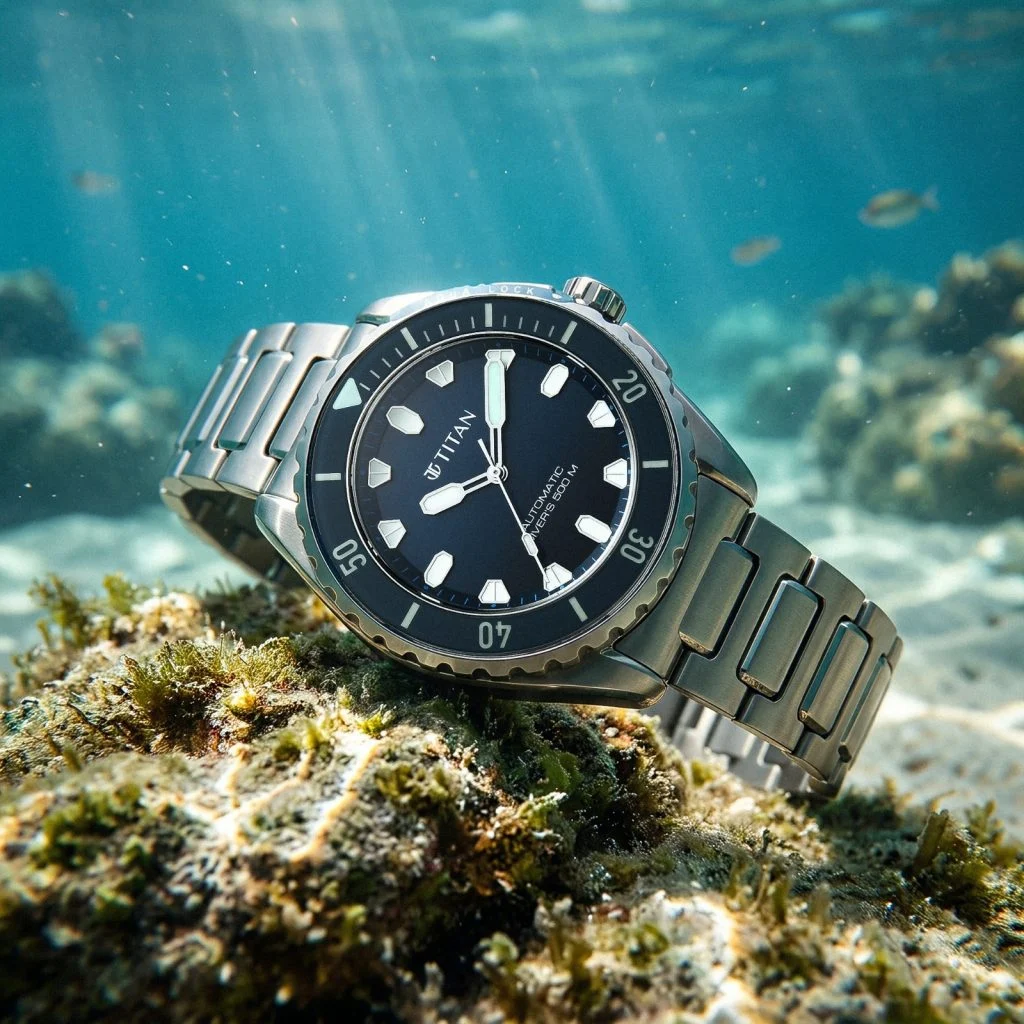
At 10 ATM or 100 metres, things become properly versatile. These watches are typically safe for swimming, snorkelling, and recreational water sports. Many modern sports watches and integrated bracelet luxury models fall into this category. Once you enter 20 ATM or 200 metre territory, you are dealing with proper dive watch capability. These watches are engineered with screw-down crowns, reinforced seals, and robust cases capable of handling serious underwater pressure. And then there are the absurd monsters rated to 300 metres, 600 metres, or even beyond 1,000 metres. Watches designed for depths no sane human will ever voluntarily visit unless chased by a submarine.
Also Read: Titan Introduces Zero Hour Diver’s Collection With 500M Water-Resistant Sports Watch
Why Water Resistance Changes Over Time
One of the great misconceptions in watch ownership is believing water resistance lasts forever. It does not. A watch’s water resistance depends heavily on tiny rubber gaskets and seals that degrade gradually through age, temperature changes, humidity, impacts, and exposure to chemicals. Even something as simple as sunscreen or soap can slowly compromise these seals over time.
This is why reputable brands recommend periodic pressure testing, especially if the watch is regularly exposed to water. A dive watch that survived the ocean perfectly five years ago may quietly fail today if its seals have deteriorated. In other words, water resistance is not permanent. It is maintenance dependent.
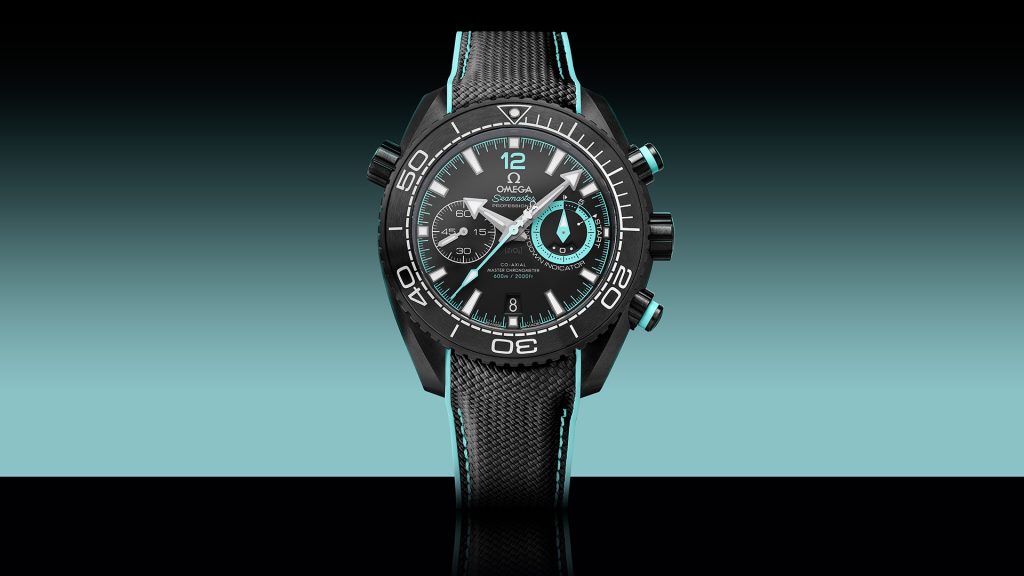
Why ATM Ratings Matter More Than Ever
Modern luxury watches are expected to survive increasingly active lifestyles. Collectors no longer buy watches purely for boardrooms and black-tie dinners. They travel with them, swim with them, hike with them, and occasionally crash jet skis while wearing them. ATM ratings therefore become far more than technical jargon printed on a specification sheet. They define how confidently a watch can transition through real life.
And honestly, there is something reassuring about knowing your mechanical watch can survive chaos while still ticking away calmly beneath the surface. Because at its core, water resistance represents one of horology’s greatest balancing acts: preserving delicate mechanical precision inside a sealed steel shell capable of resisting one of nature’s most destructive forces. Which, when you think about it, is rather extraordinary for something strapped to your wrist.