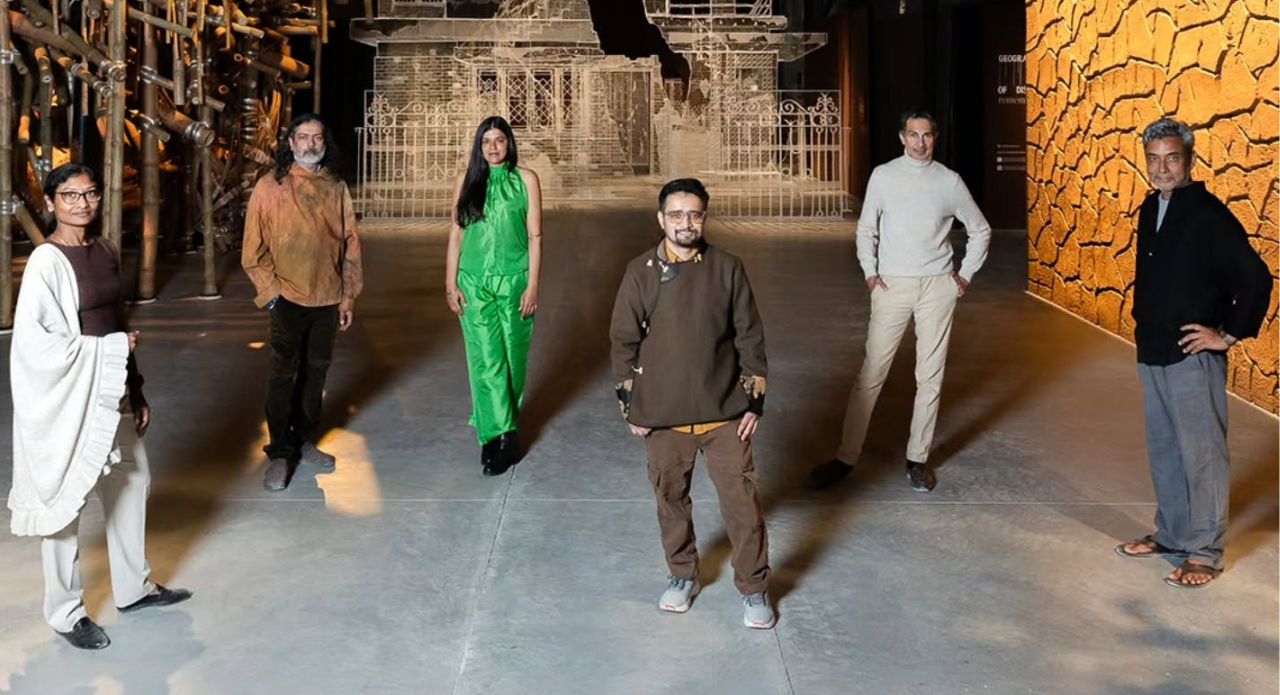


India has secured a major international recognition for its contemporary art scene, winning the Visitors’ Lion for Best National Participation at the 61st International Art Exhibition of La Biennale di Venezia, popularly known as the Venice Biennale. The award went to the Indian pavilion, titled ‘Geographies of Distance: Remembering Home’, which brought together five artists to explore the meaning of home through memory, identity, cultural heritage and changing landscapes.
Curated by London-based Dr Amin Jaffer, the exhibition featured Alwar Balasubramaniam, Ranjani Shettar, Sumakshi Singh, Skarma Sonam Tashi and Asim Waqif. Each artist brought an individual artistic vocabulary to the presentation, creating a dialogue between traditional materials, contemporary sculpture and installation art.
Exploration of Home and Belonging
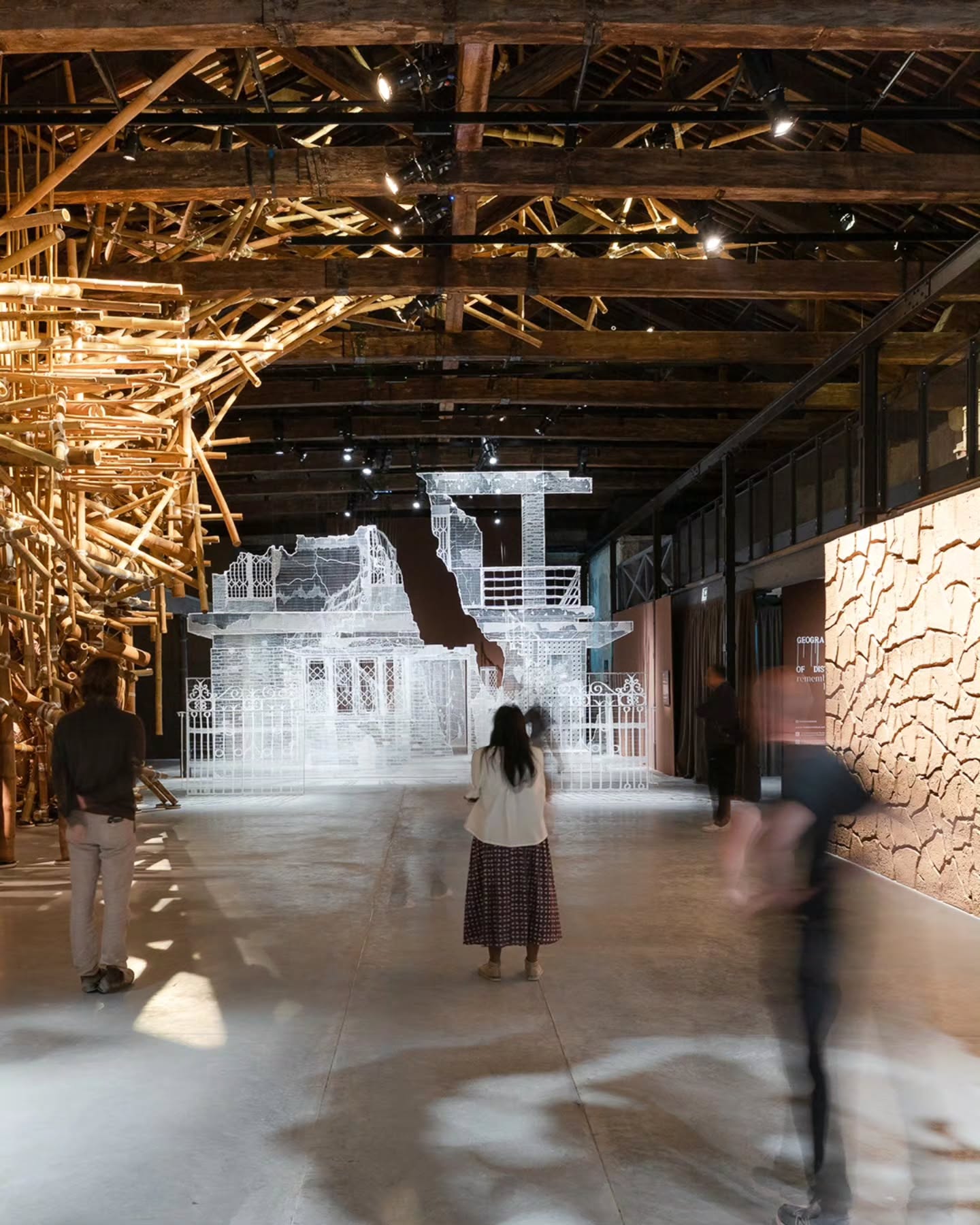
Housed in the historic Arsenale in Venice, the pavilion explored home as something that extends beyond a physical address. The exhibition considered how memories, rituals, inherited traditions and personal histories shape one’s sense of belonging, particularly in a rapidly transforming world.
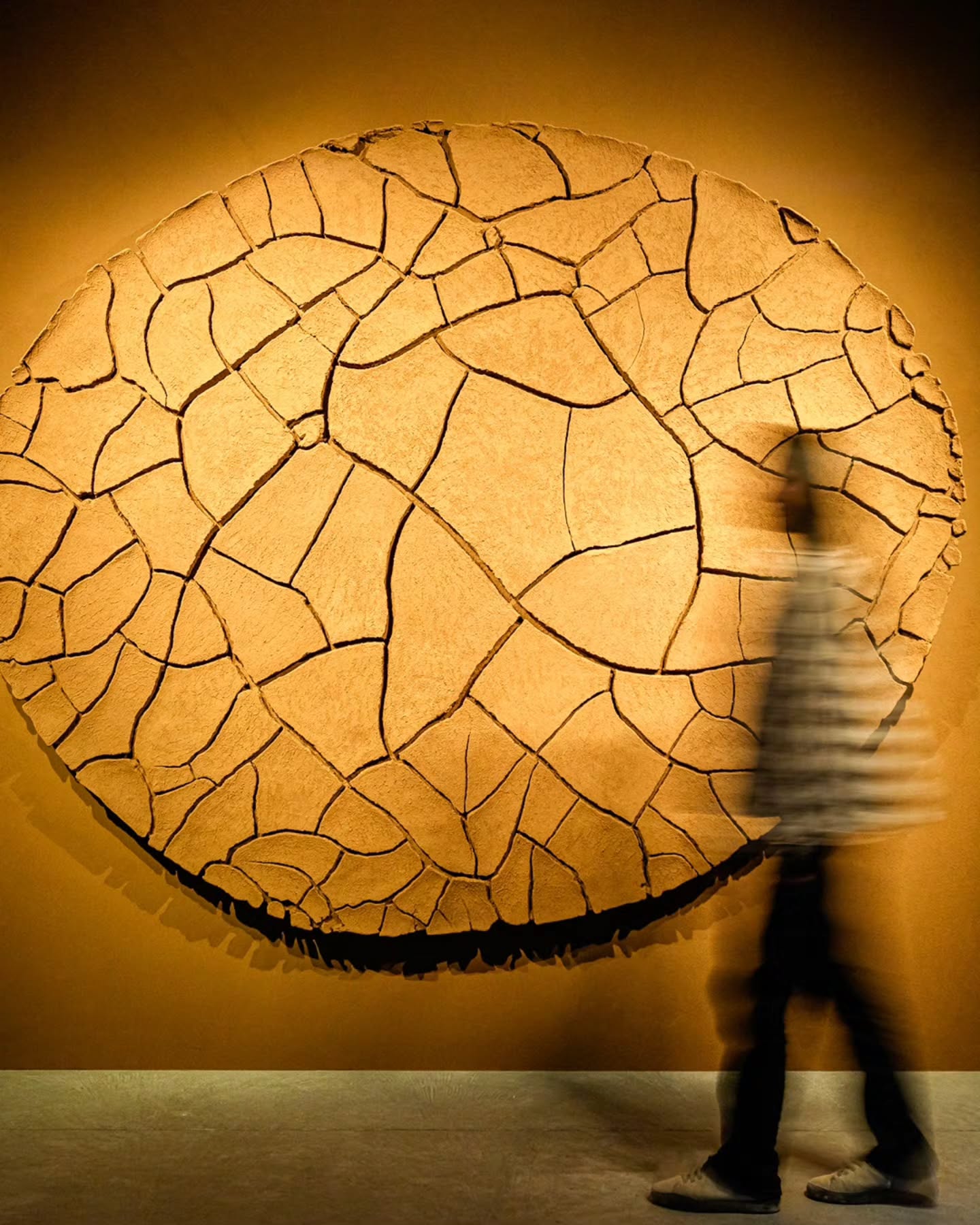
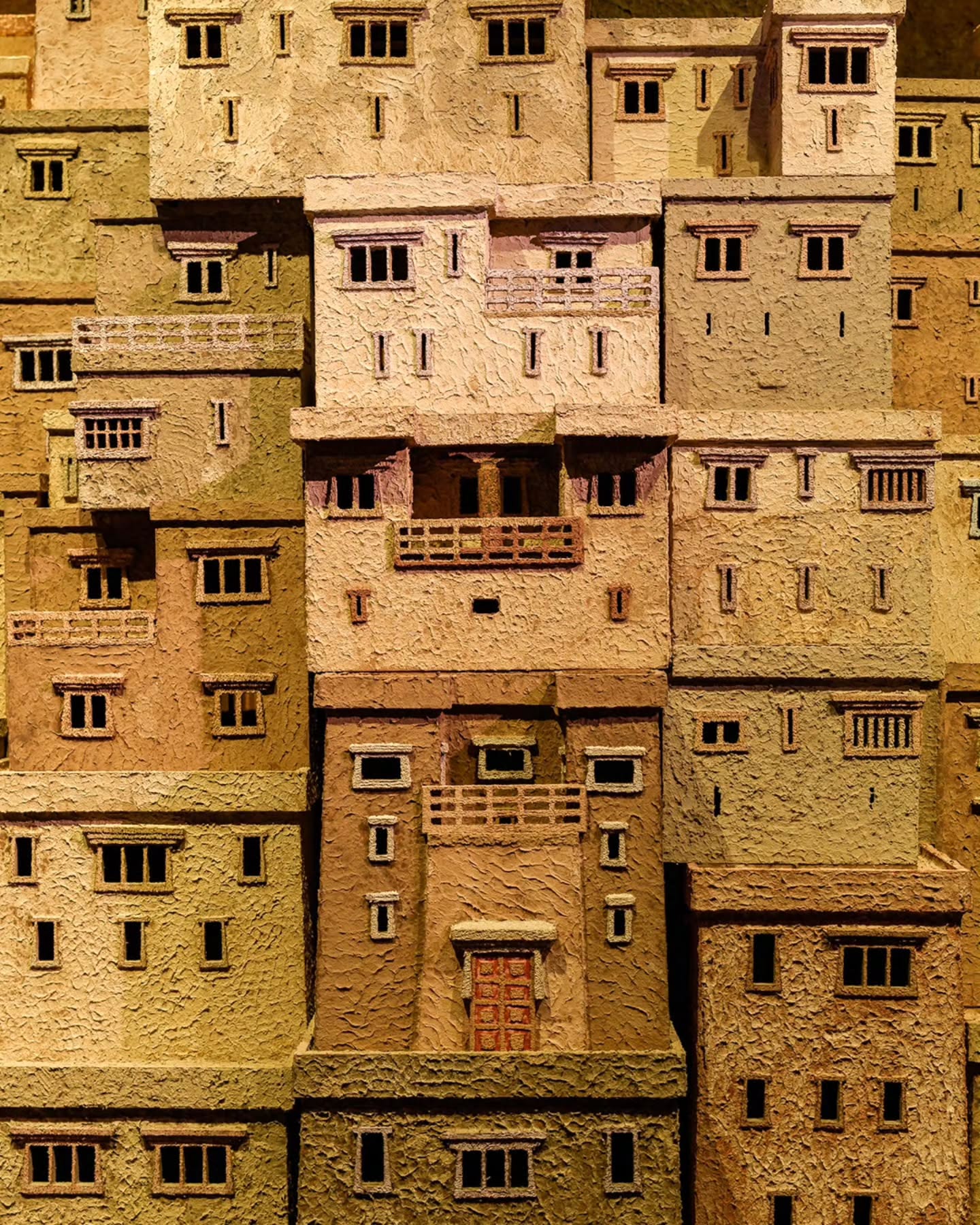
The choice of materials played an important role in bringing this idea to life. Clay, soil, thread, embroidery, natural fibres, bamboo and papier-mâché formed the foundation of several works.
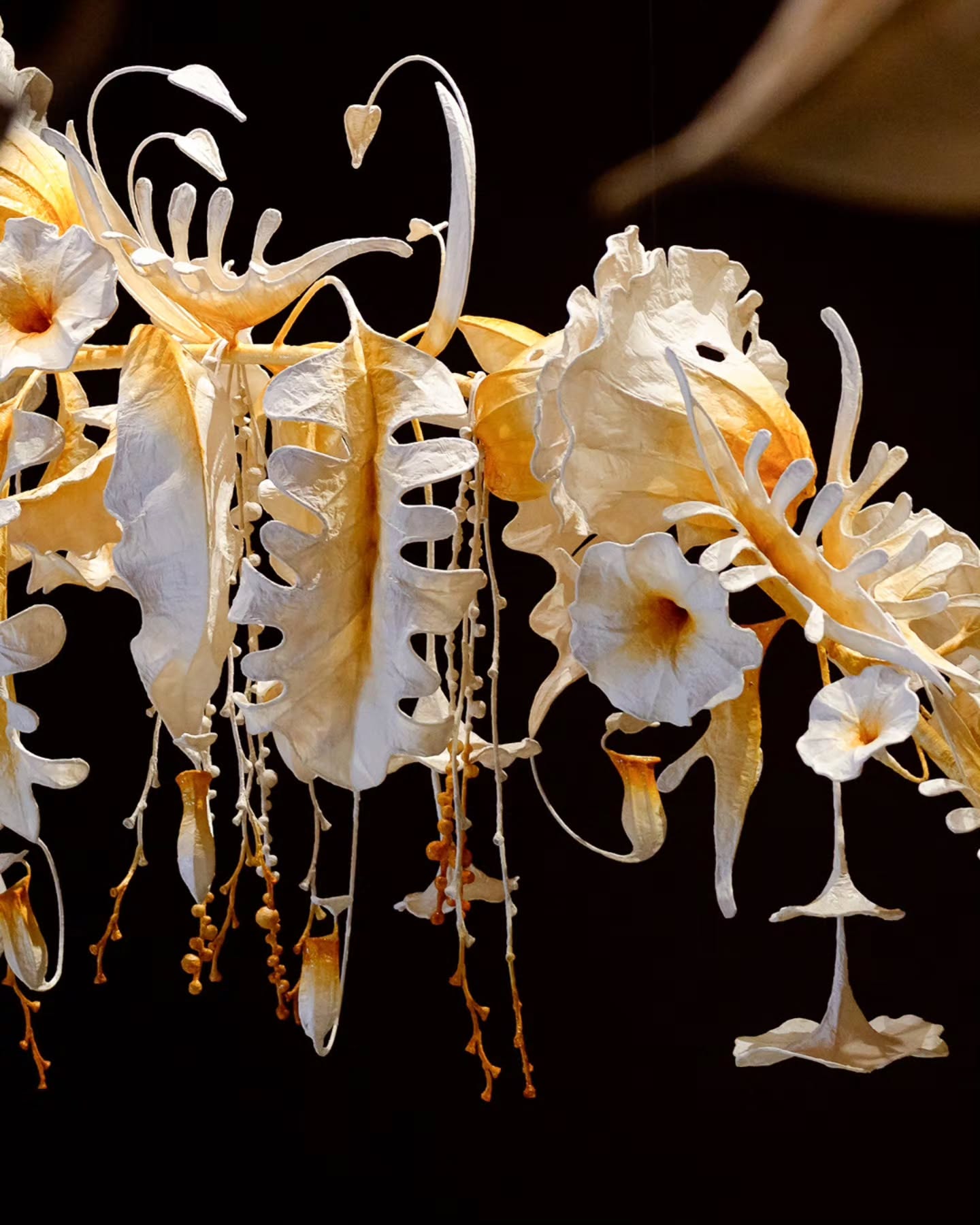
Rooted in India’s domestic, architectural and cultural traditions, these materials were reinterpreted through contemporary artistic practices, offering international visitors a perspective on the country’s evolving cultural identity.
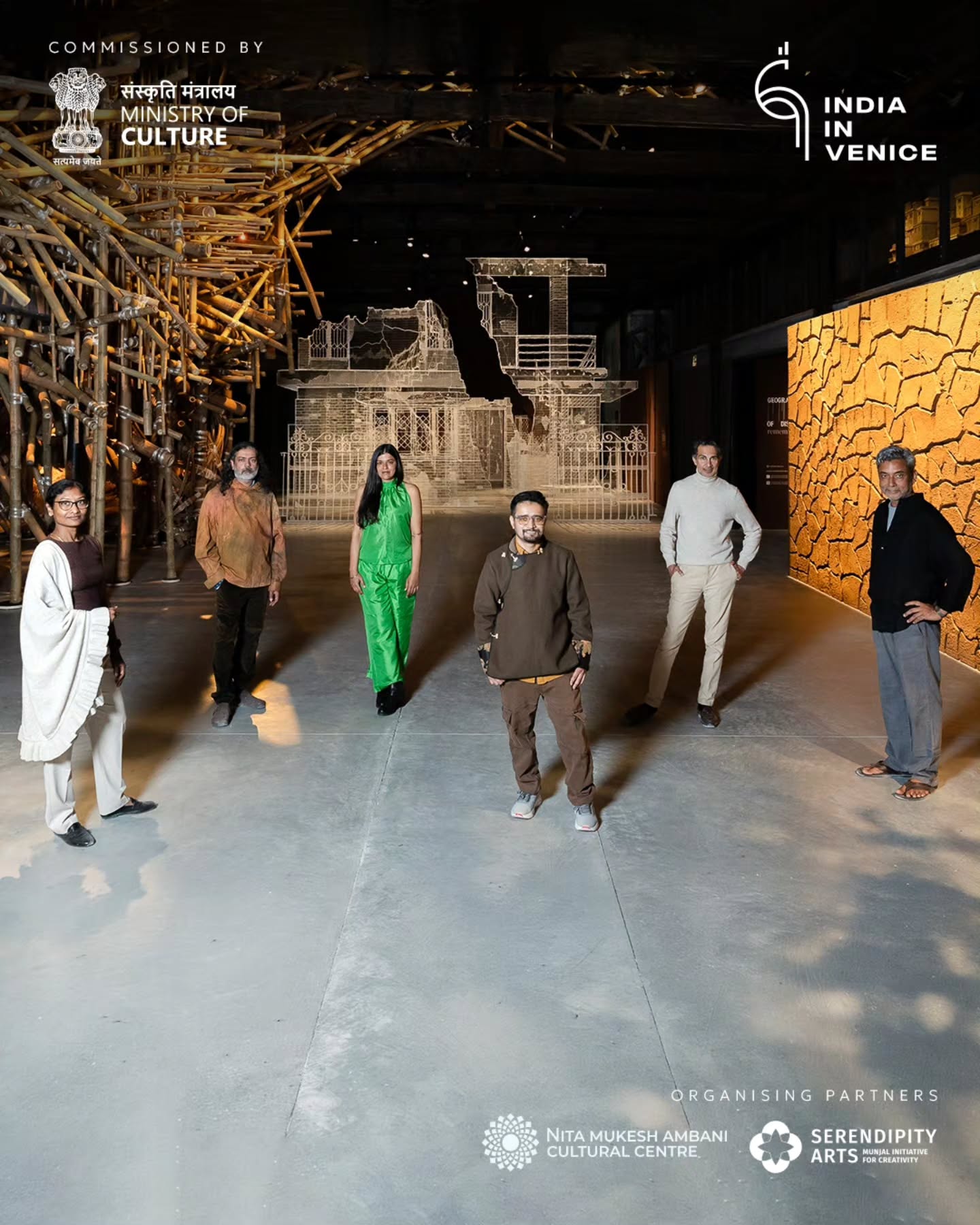
Five Artists, Five Creative Perspectives
Alwar Balasubramaniam, widely known as Bala, explores the relationship between the human body, nature and the physical world through his sculptural practice. Ranjani Shettar, meanwhile, is recognised for her organic forms and use of natural materials, translating elements of nature into intricate sculptural installations.
Sumakshi Singh brings embroidery and thread into conversations around architecture, memory and displacement. Her practice examines how spaces and personal histories can be preserved through intricate textile work. Skarma Sonam Tashi draws inspiration from Ladakh’s distinctive cultural and architectural landscape, bringing regional experiences into a wider conversation about identity and belonging.
Also Read: Art Mumbai 2026: The Standout Works And Indian Artists From The Fair
Asim Waqif, known for his experimental approach to materials and construction, works with bamboo and other natural elements. His installations explore the relationship between architecture, ecology and human intervention.
Recognition Decided By Visitors
What makes the recognition particularly interesting is that it came directly from the people who experienced the exhibition. The Visitors’ Lion was decided through votes cast by Biennale visitors, giving the Indian pavilion an endorsement that extended beyond the art world’s institutional circles. The public-voted recognition also came amid an unusual edition of the Biennale, following the resignation of its international jury over disagreements surrounding the participation of countries including Russia and Israel.
Running from May 9 to November 22, 2026, the exhibition marked India’s return to Venice after a seven-year gap. During its run, the pavilion welcomed approximately 4.5 lakh visitors, offering audiences from across the world an opportunity to engage with India’s diverse artistic expressions. Prime Minister Narendra Modi also welcomed the achievement, describing it as a proud moment for the country.
Also Read: Ramayana’s Golden Throne: Exploring The Craft Behind The Rs 1 Cr Creation
The pavilion’s success lies in how it brought five individual artistic voices into a shared conversation without diluting their distinct identities. Its exploration of memory, material heritage and belonging offered visitors a glimpse of contemporary India through the personal and cultural histories that continue to shape it.