

India’s relationship with jewellery is deeply rooted in its history, where gemstones have been treasured not merely for their beauty but also for their symbolism, craftsmanship and cultural significance. For Paolo Bulgari, the country offered something equally valuable: a fresh perspective on colour, design and the possibilities of contemporary jewellery. The late Italian jeweller’s admiration for India’s artistic traditions helped shape the aesthetic vocabulary of the Bulgari maison, bringing together Roman heritage and the country’s vivid visual culture.
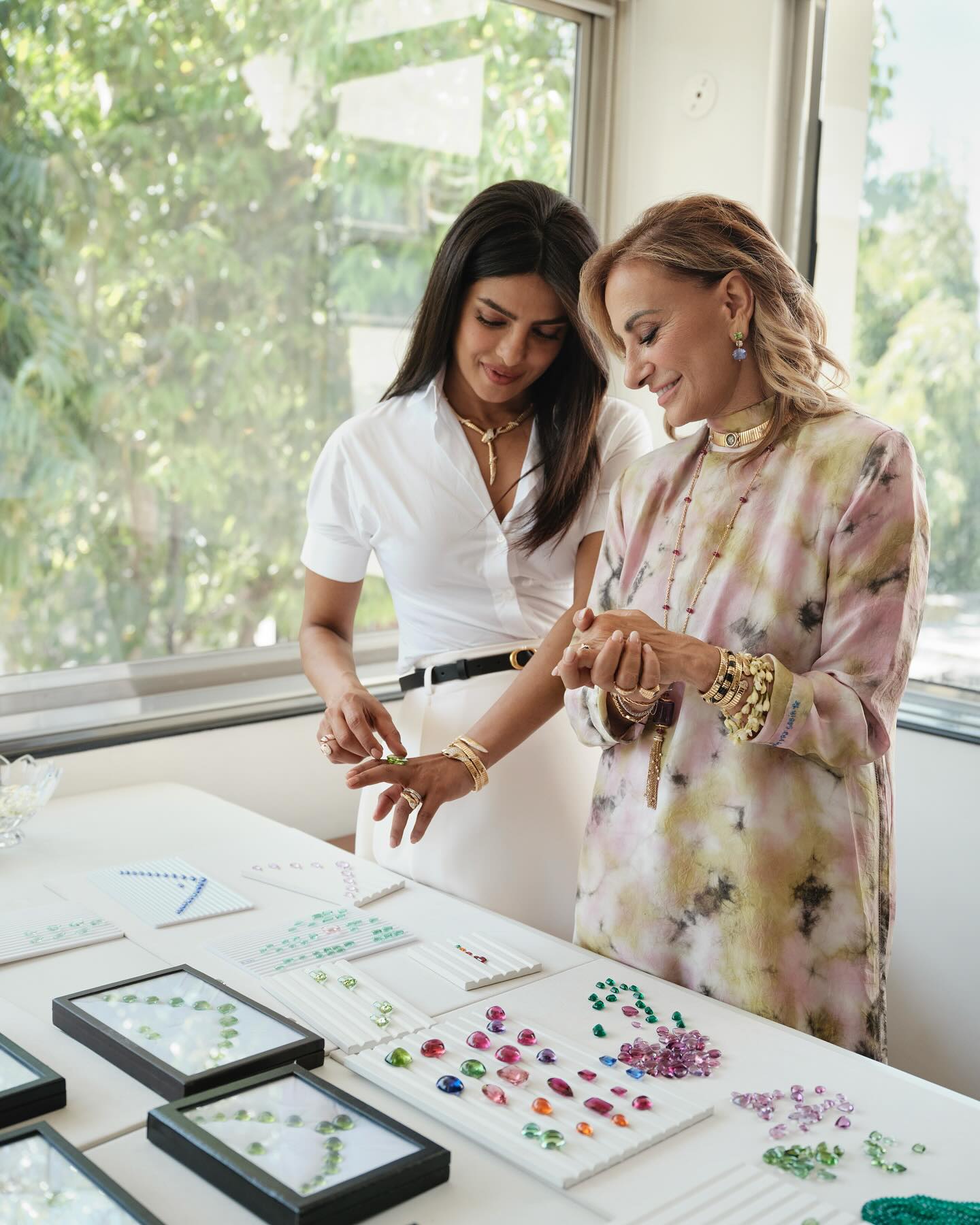
His connection with India was rooted in an appreciation of its rich gemstone heritage, vibrant colours and centuries-old traditions of adornment. These influences found their way into Bulgari’s creative vocabulary, shaping an aesthetic that brought together the exuberance of Indian jewellery and the distinctive design sensibility of the Roman maison. Understanding this relationship offers a closer look at how India helped influence Paolo Bulgari’s approach to jewellery.
A World of Colour
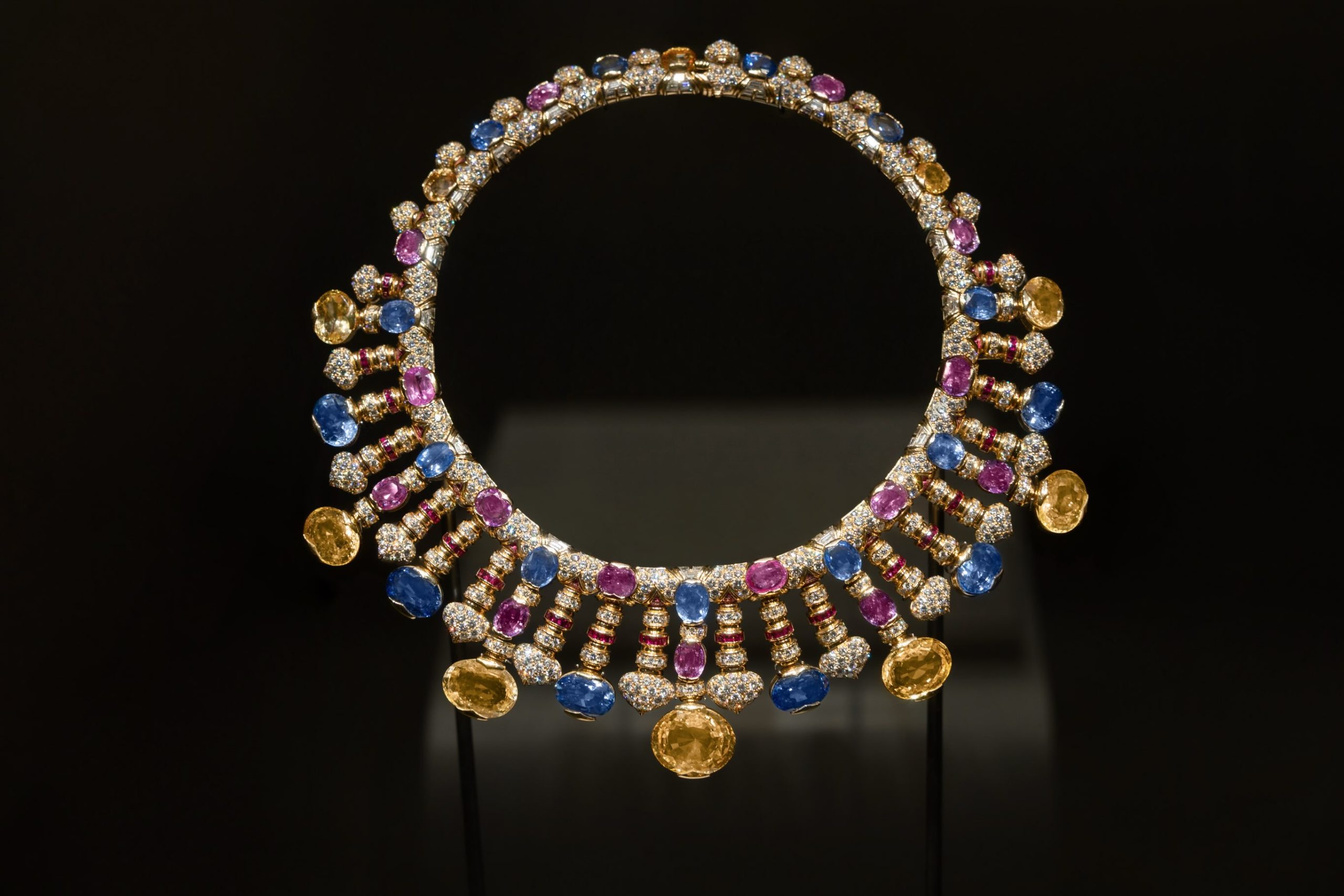
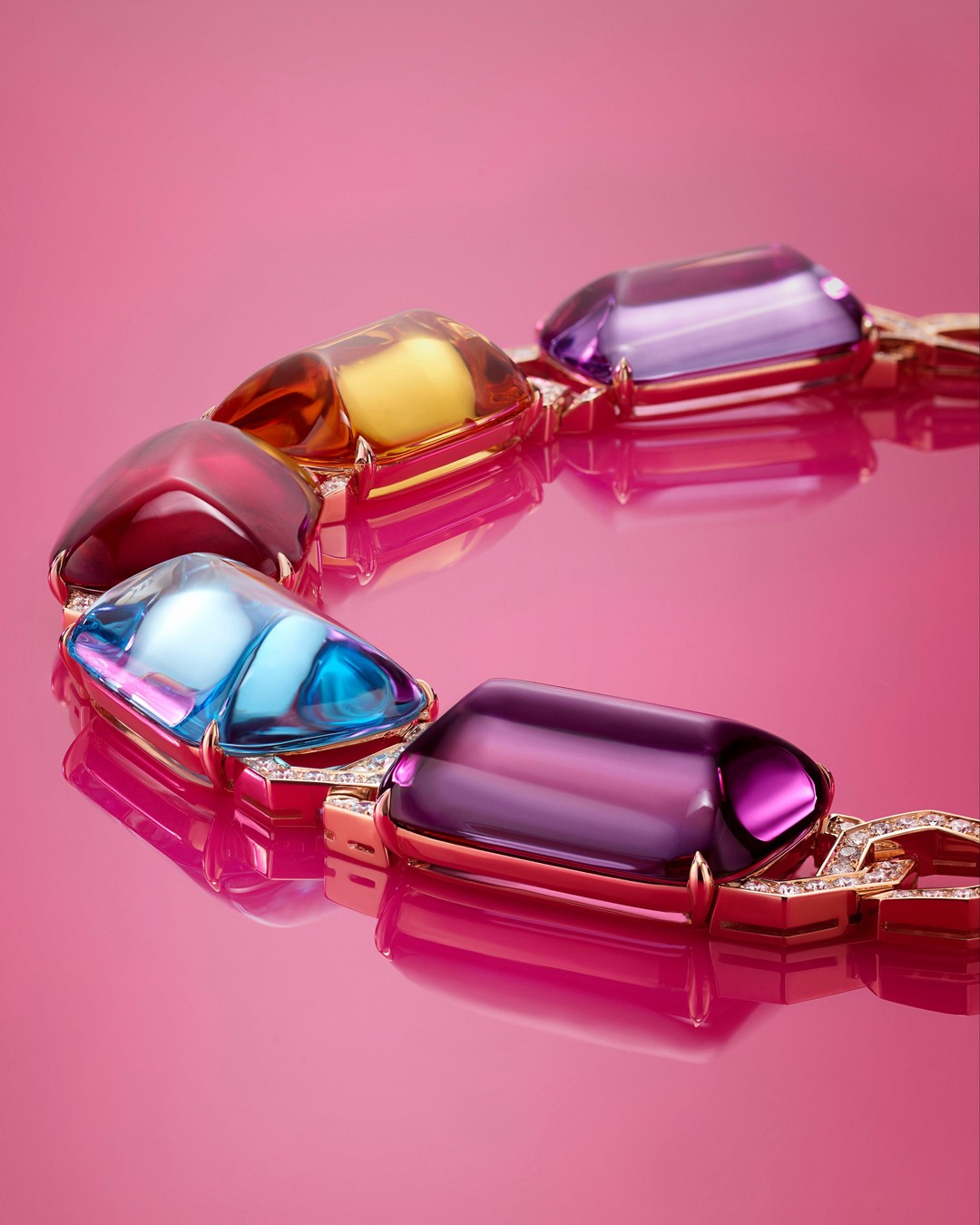
Bulgari’s fascination with coloured gemstones has long distinguished it from jewellery houses that predominantly focus on diamonds. India played an important role in shaping this distinctive approach. Paolo Bulgari reportedly spoke about how the country’s colours, art and architecture influenced the maison’s creative direction, particularly its approach to combining gemstones in unexpected ways.
Also Read: Priyanka Chopra Jonas, Isha Ambani And More: Indian Celebrities In Bulgari’s Iconic Jewellery
He admired India’s fearless approach to colour in jewellery, where contrasting stones could come together to create expressive compositions. This sensibility resonated with Bulgari’s preference for bold gemstones, striking contrasts and creations that made a statement. The country’s visual richness, spanning intricate architectural details, elaborate textiles and traditional adornment, offered a vivid source of inspiration for the Italian house.
Jaipur’s Gemstone Legacy
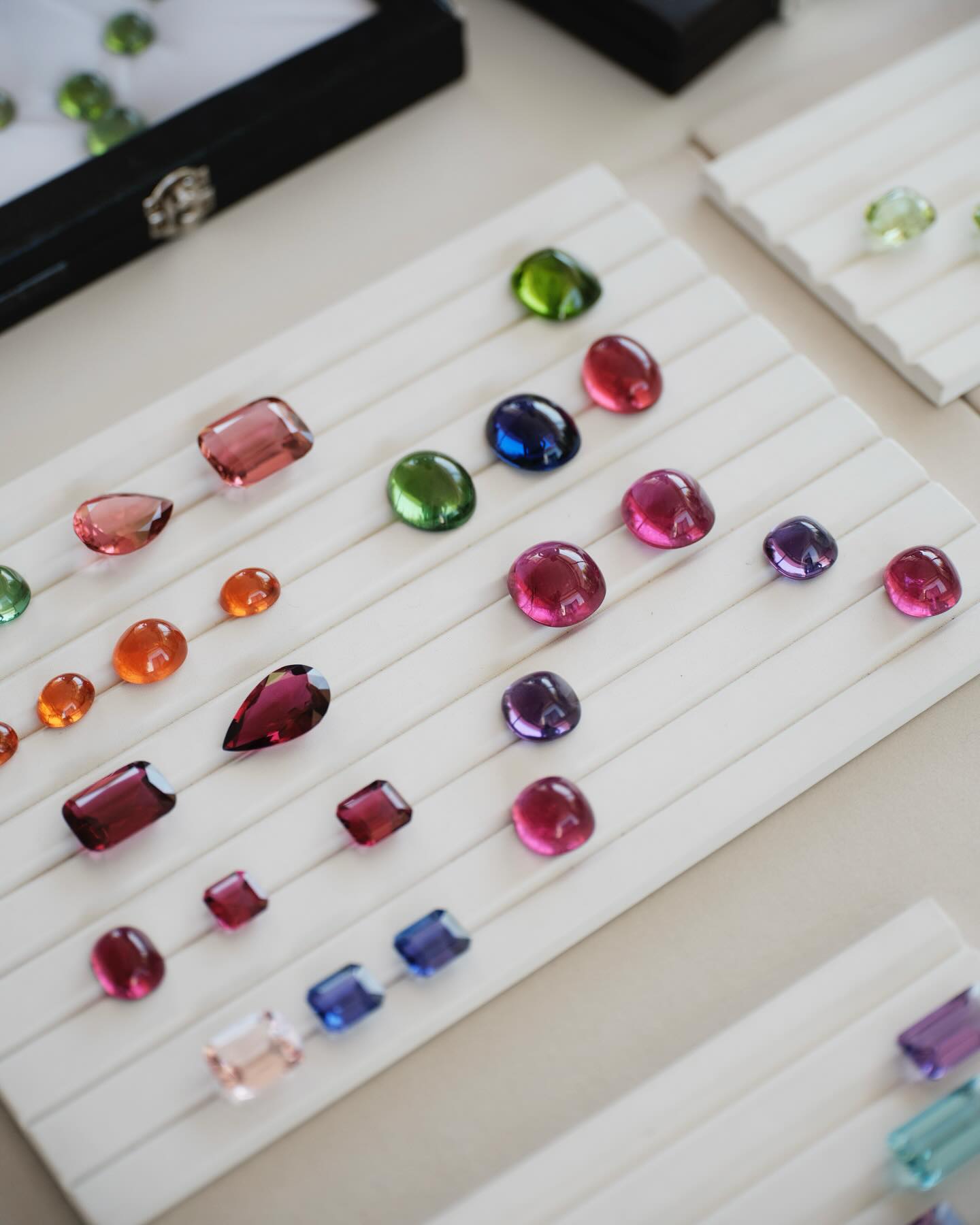
The connection extended beyond inspiration to the gemstones themselves. Jaipur, with its centuries-old gemstone trade, became an important destination for Bulgari’s stone sourcing and creative exploration. The city’s expertise in cutting, polishing and trading precious stones aligned naturally with the maison’s appetite for vibrant gemstones, particularly emeralds, rubies and sapphires.
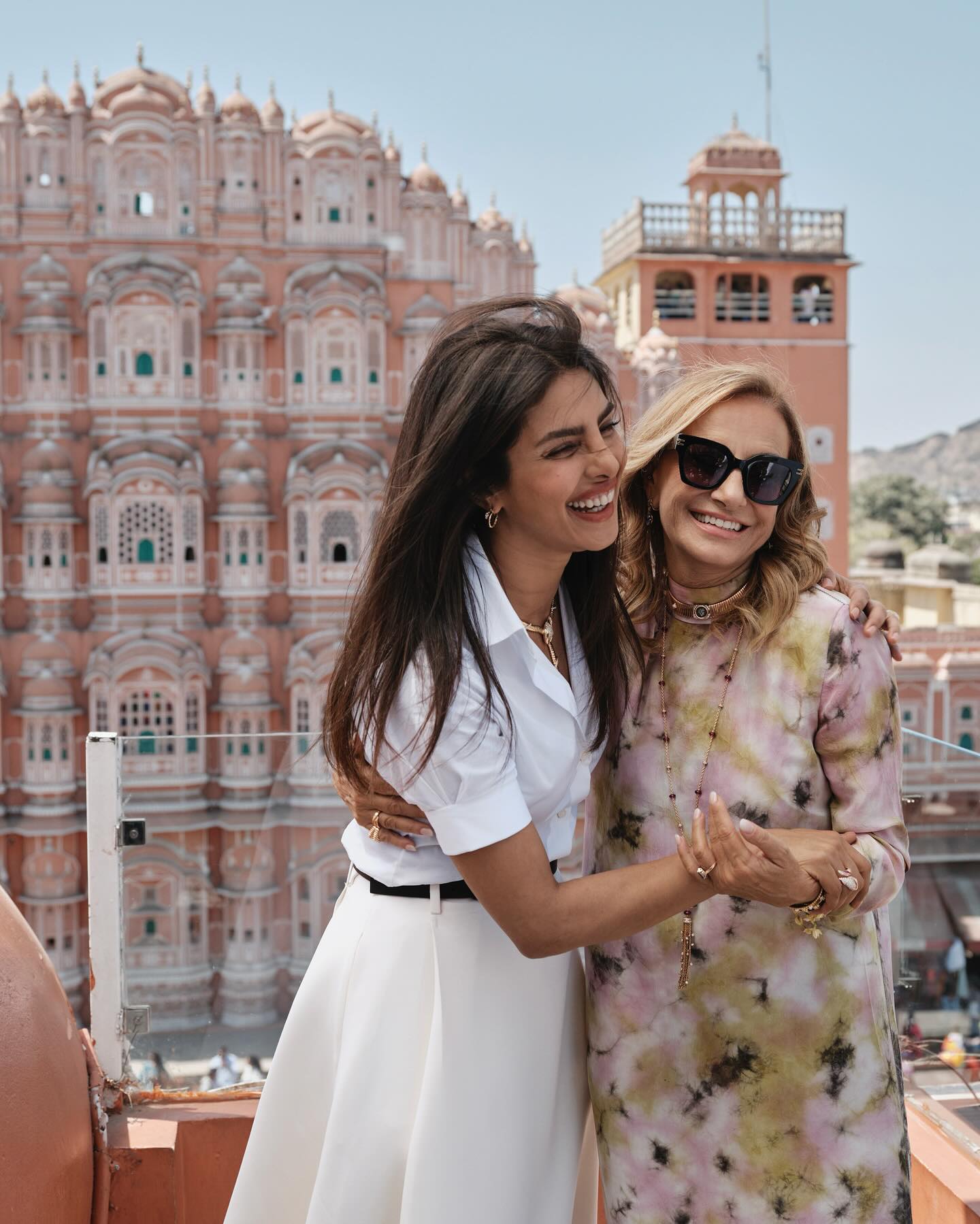
Bulgari’s Creative Director Lucia Silvestri has reportedly spoken about her visits to India alongside Paolo Bulgari, recalling how the country’s colours, atmosphere and energy left a lasting impression on her. Jaipur’s gemstone markets, in particular, offered creative possibilities, where the character of an individual stone could influence the direction of a jewellery design.
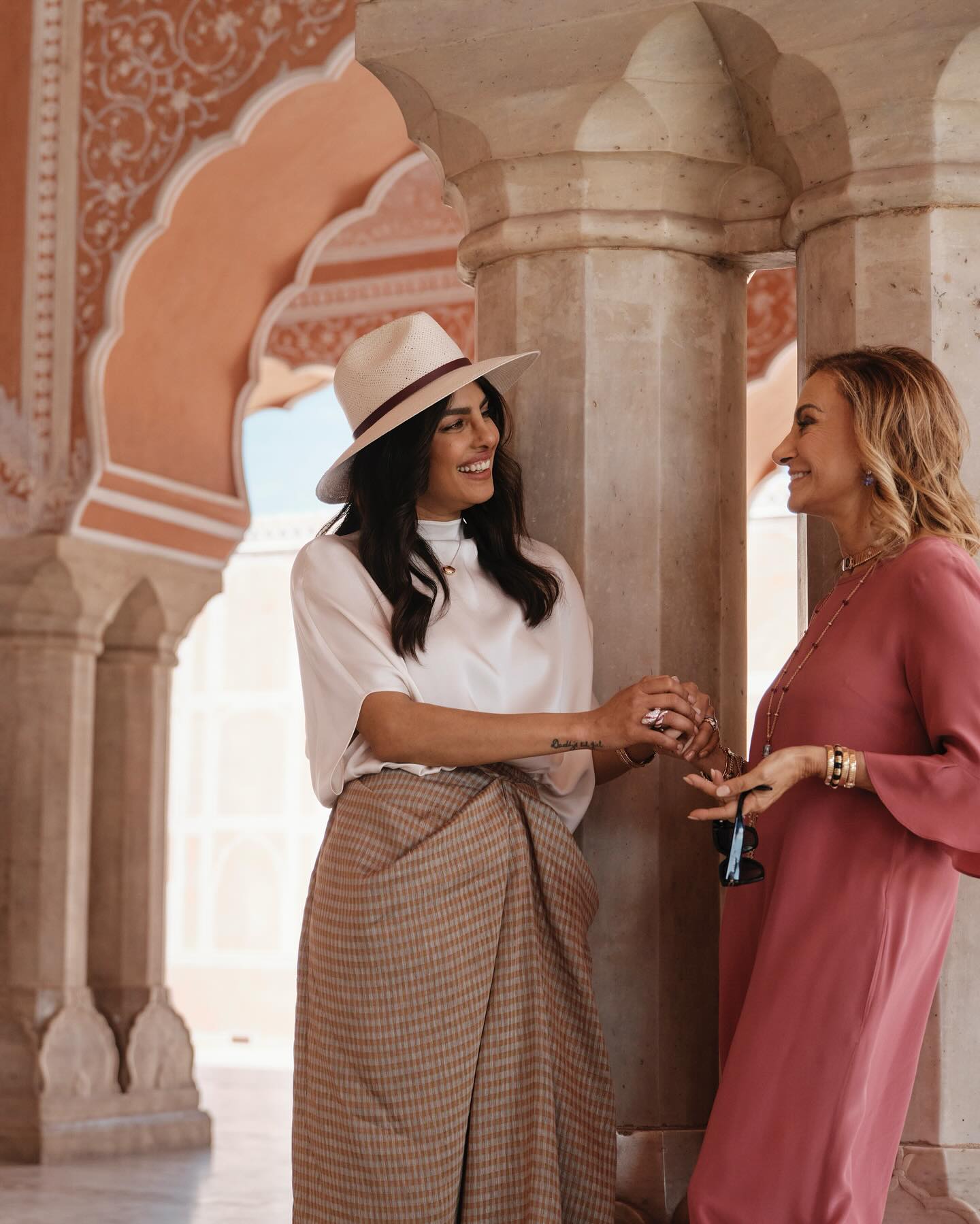
Bulgari’s connection with Jaipur continues to find expression in its contemporary high jewellery creations. In 2025, the maison collaborated with National Geographic CreativeWorks on ‘A Celebration of Color’, a documentary featuring global brand ambassador Priyanka Chopra Jonas and Jewellery Creative Director Lucia Silvestri. The two explored Jaipur’s gemstone markets and workshops, where Silvestri selected tourmalines, sapphires, emeralds and rubellites for Bulgari’s high jewellery creations. The journey offered a glimpse into the role India’s gemstone expertise plays in the maison’s creative process, with the selected stones travelling to Rome to be transformed into distinctive jewellery pieces.
India’s Art of Adornment
India’s influence was not limited to the gemstones that found their way into Bulgari’s creations. Its jewellery traditions, characterised by layered necklaces, elaborate chokers, bold combinations of precious stones and the instinct to treat jewellery as an integral part of dressing, offered a different understanding of how fine jewellery could be worn.
The country’s architectural heritage also contributed to the maison’s creative imagination. Indian palaces, decorative motifs and historic monuments provided inspiration that complemented Bulgari’s Roman design language. The resulting aesthetic was not a direct imitation of Indian jewellery but a meeting of influences, where Indian exuberance found expression through the house’s distinctive proportions, gold settings and sculptural forms.

Union of Traditions
Bulgari’s archival creations from the 1970s reflect a broader international fascination with cultural influences in fashion and design. The maison’s 1971 gold sautoir featuring stylised elephants, amethysts and green enamel, for instance, captures the period’s interest in Indian imagery and motifs.
Paolo Bulgari’s appreciation of India was ultimately about more than aesthetics. The country offered a perspective on jewellery that celebrated emotion, individuality and the fearless use of colour. Its traditions demonstrated how gemstones could be combined in ways that were expressive, personal and deeply connected to cultural identity.
An Enduring Influence
The relationship between Bulgari and India continues through the maison’s gemstone sourcing and creative engagement with the country’s rich jewellery heritage. Jaipur remains an important source of precious gemstones for the Italian house, while its colours, craftsmanship and cultural traditions continue to inspire its creative team. The connection is also reflected in contemporary creations such as Bulgari’s mangalsutra necklace and kada bracelet, which draw on Indian traditions of adornment while retaining the maison’s design identity.
Also Read: Paolo Bulgari’s Residences: A Look Inside The Homes Of The Jewellery Magnate
Paolo Bulgari’s appreciation of India was more than a passing fascination. As stated in Roma Passion Jewels, published in 2015, Bulgari reflected on India’s influence on modern jewellery, highlighting how the colours of its art and architecture had shaped his creative sensibilities. His observations offer an insight into the cultural influences that helped shape Bulgari’s creative outlook, bringing India’s distinctive relationship with colour and gemstones into conversation with the house’s Roman heritage.