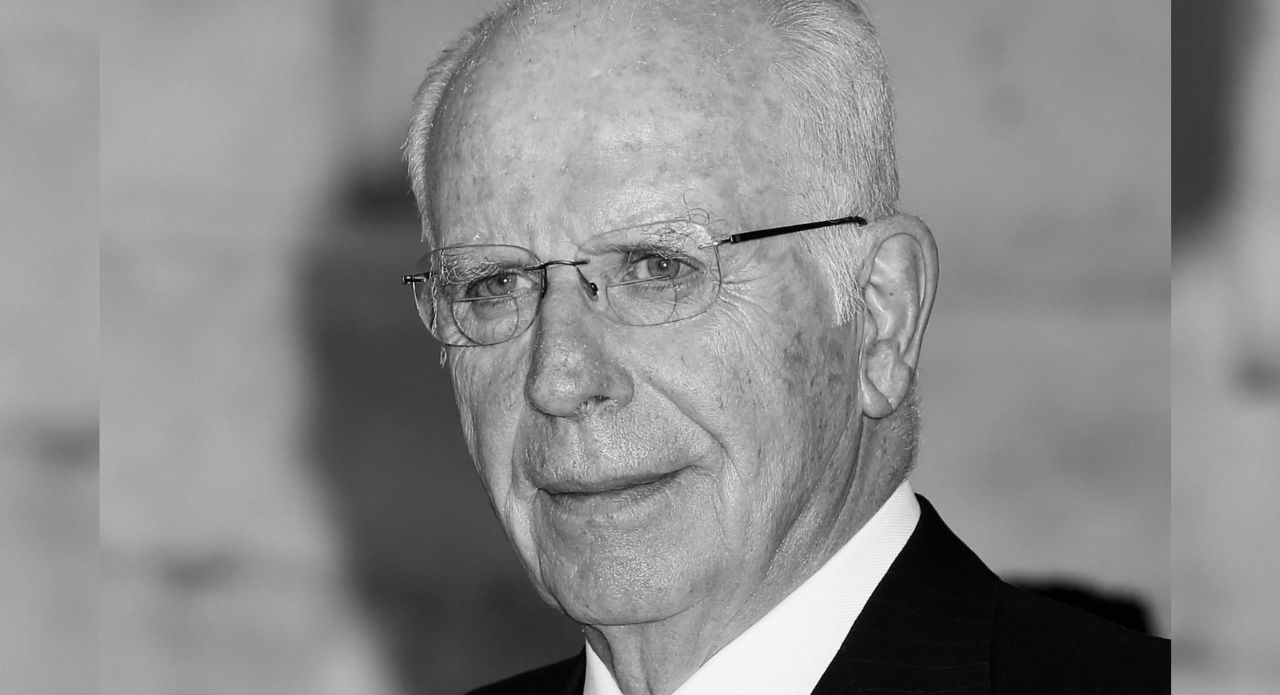


The world of high jewellery has lost a defining figure with the passing of Paolo Bulgari, the Italian jeweller who helped shape one of the most recognisable luxury maisons of our time. He died in Rome at the age of 89, with his family announcing the news on November 21. Remembering him as “the greatest jeweller of our time”, they paid tribute to his exceptional creativity, entrepreneurial spirit and deep affection for Italy.
For Paolo, jewellery was an expression of artistic sensibility, an appreciation of precious stones and an understanding of the stories that objects can carry across generations. As chairman of the Bvlgari Group from 1984, he played a pivotal role in shaping the maison’s creative identity while guiding its transformation into an internationally celebrated luxury name.
A Legacy Rooted In Rome
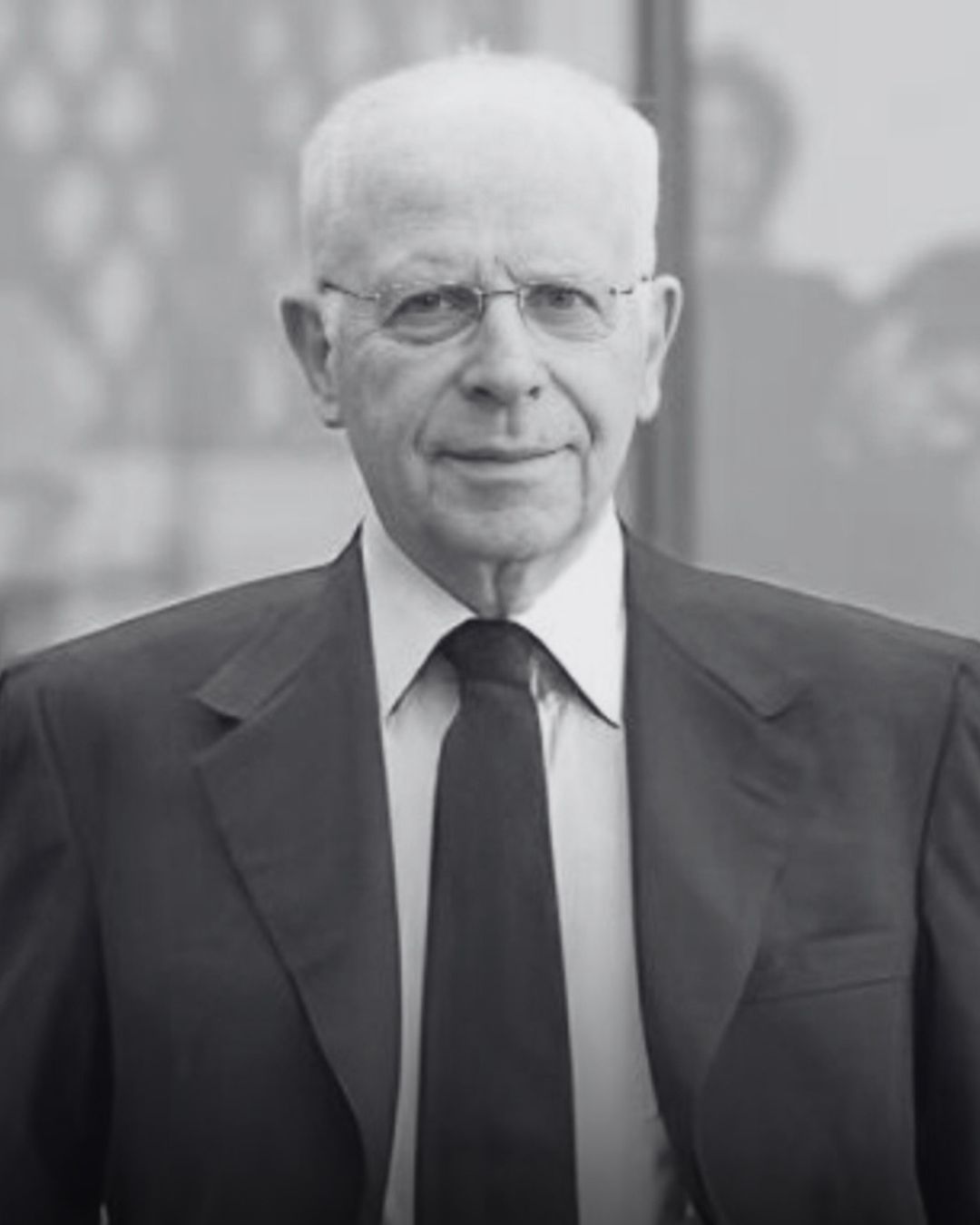
Born in Rome in 1937, Paolo was the grandson of Greek silversmith Sotirios Voulgaris, who founded the jewellery house in the Italian capital in 1884. Originally from Paramythia in north-western Greece, Voulgaris brought his silversmithing heritage to Italy, where he established a business that would eventually become synonymous with Roman glamour and Italian craftsmanship.
Also Read: Hudson Williams Joins Bvlgari as a New Generation Luxury Ambassador
Paolo joined the family enterprise in 1960, working alongside his father, Giorgio. His early specialisation in precious stones shaped his understanding of colour, form and composition. Recognised as one of the leading experts in gemstones, he developed an instinctive appreciation for their character, which became central to the maison’s distinctive aesthetic.
Defining An Iconic Aesthetic
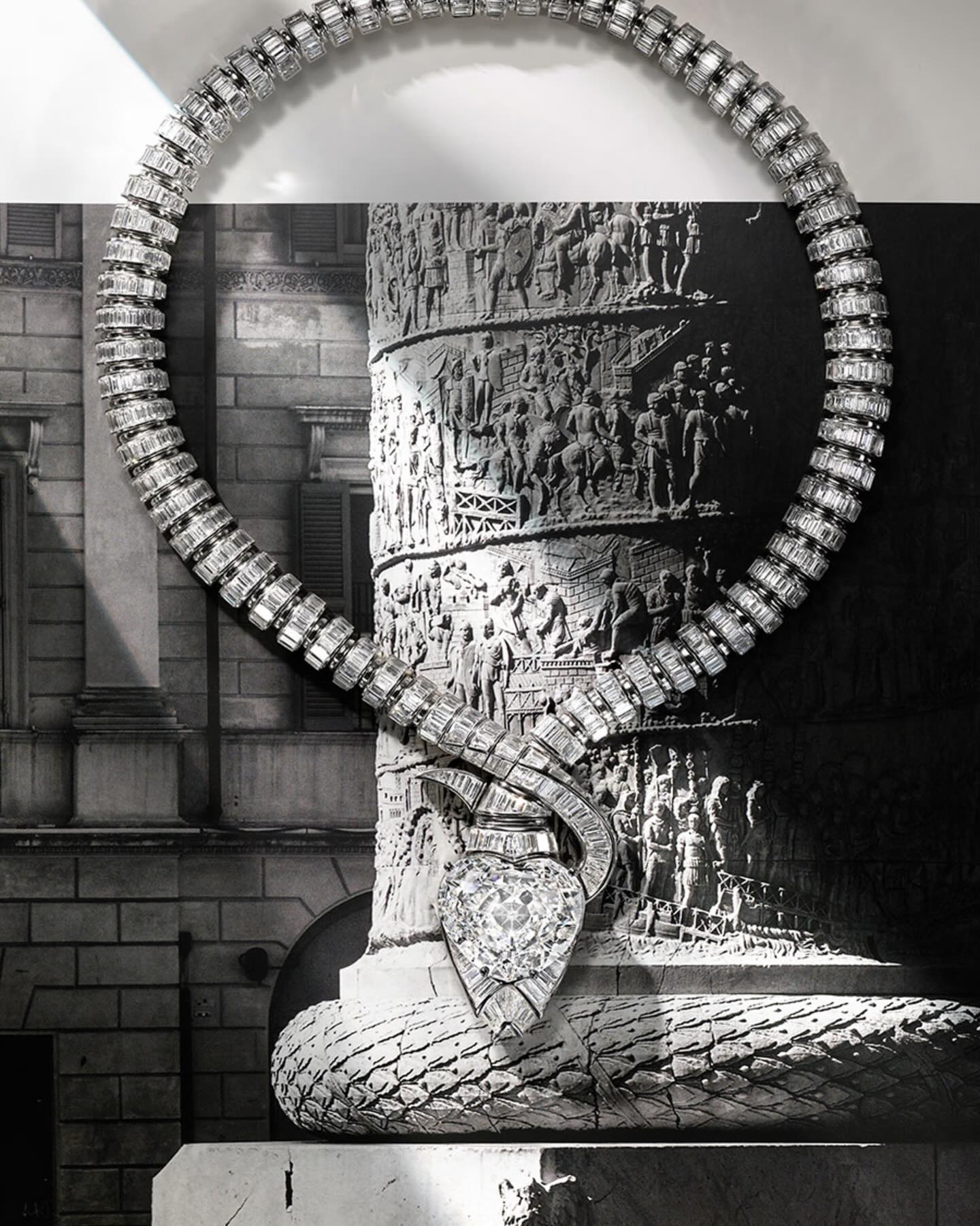
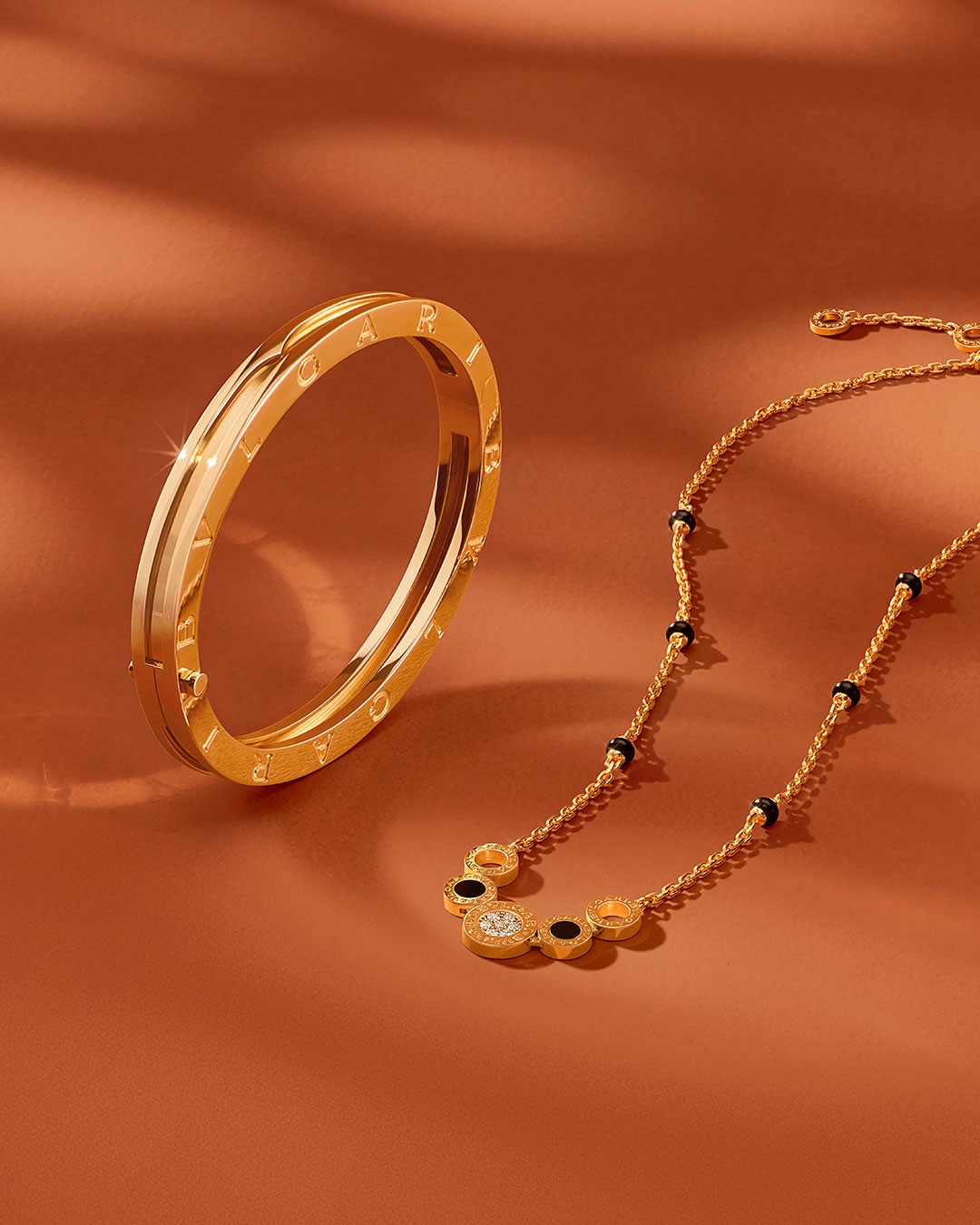
Under Paolo’s creative influence, Bvlgari cultivated a jewellery language that was unmistakably its own. Generous gold settings, vividly coloured gemstones, bold proportions and unexpected colour combinations became signatures of the house. Drawing inspiration from ancient Roman architecture, classical art and Italy’s cultural heritage, its creations challenged conventional ideas of fine jewellery and brought a distinctive sense of exuberance to high jewellery.
Working alongside his brother Nicola and nephew Francesco Trapani, Paolo also helped expand the maison’s international presence. Boutiques in cities such as New York, Paris, Geneva and Monte Carlo introduced its creations to a wider audience. Its jewellery found admirers among royalty and Hollywood’s most celebrated personalities, including Elizabeth Taylor and Diana, Princess of Wales.
The maison subsequently diversified into watches, fragrances, leather goods and hospitality, establishing a wider presence in the world of luxury.
His Enduring Legacy
In 2011, the Bulgari family sold a controlling stake in the company to French luxury conglomerate LVMH in a deal valued at more than $5 billion. The acquisition marked a defining moment in the maison’s history, while its Roman identity and distinctive design vocabulary continued to remain central to its appeal.
Paolo’s contribution also found expression in philanthropy. In 2019, he and his wife established the Paolo Bulgari Foundation to support education and vocational training for young people from disadvantaged communities in Rome.
Also Read: Bvlgari Welcomes Aespa’s Ningning As Its New Global Ambassador
Bvlgari paid tribute to him as a creative soul who devoted himself to his craft and encouraged emerging design talent. His influence will remain woven into the identity of a maison whose creations continue to celebrate colour, craftsmanship and the enduring appeal of Italian jewellery.
His funeral will take place on November 23 at the Basilica of Santa Croce in Gerusalemme in Rome.