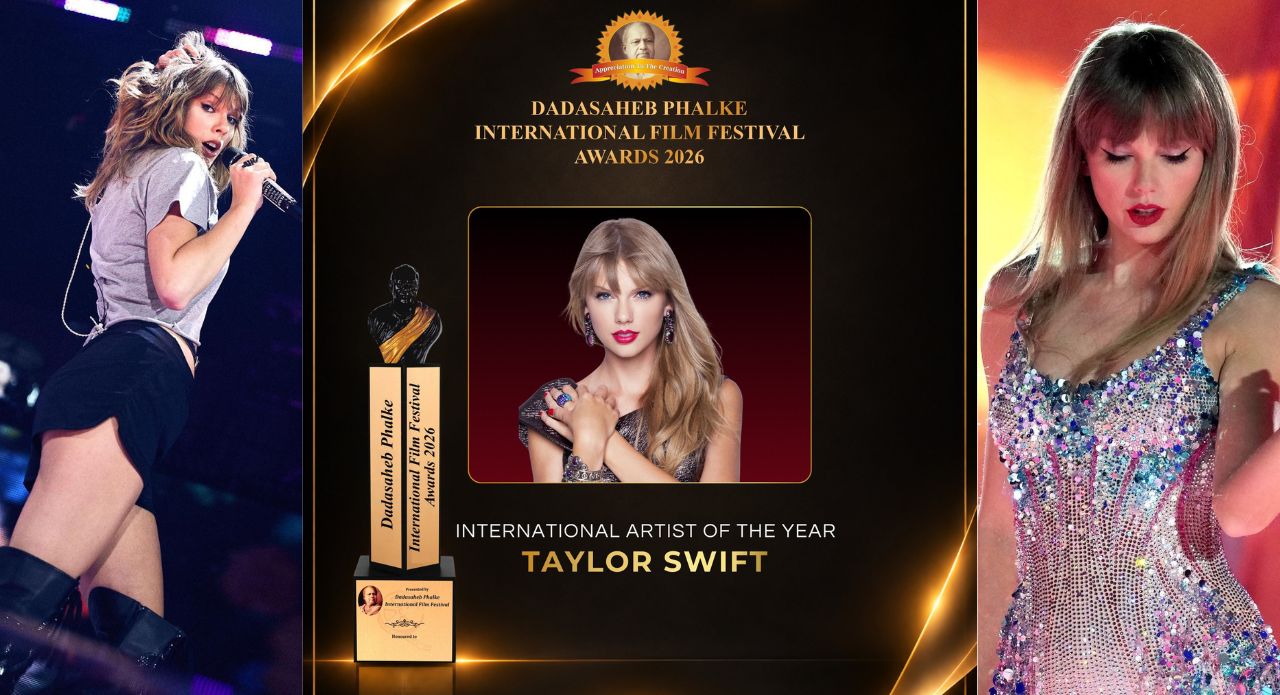


Taylor Swift’s influence has long extended beyond music charts and sold-out stadiums. The singer-songwriter, whose career has been shaped by reinvention, storytelling and a distinctive visual identity, has now been named International Artist of the Year at the Dadasaheb Phalke International Film Festival (DPIFF) Awards 2026. The recognition celebrates her musical artistry, songwriting, global cultural influence and contribution to live entertainment.
Announced through the festival’s official social media handle on November 20, the DPIFF Award 2026 adds another international recognition to her career. While her songwriting and record-breaking performances remain central to her success, her ability to influence fashion, beauty and popular culture has also made her one of the most recognisable personalities of her generation.
A Career of Reinvention
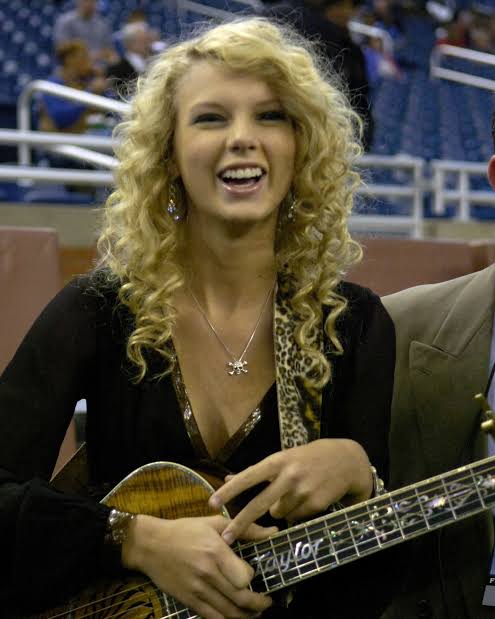
Taylor Swift’s journey from a teenage country singer to an international pop sensation has been accompanied by several distinct style transformations. Her early appearances were defined by flowing dresses, cowboy boots and soft curls, reflecting her Nashville beginnings. As her music evolved, so did her fashion choices.
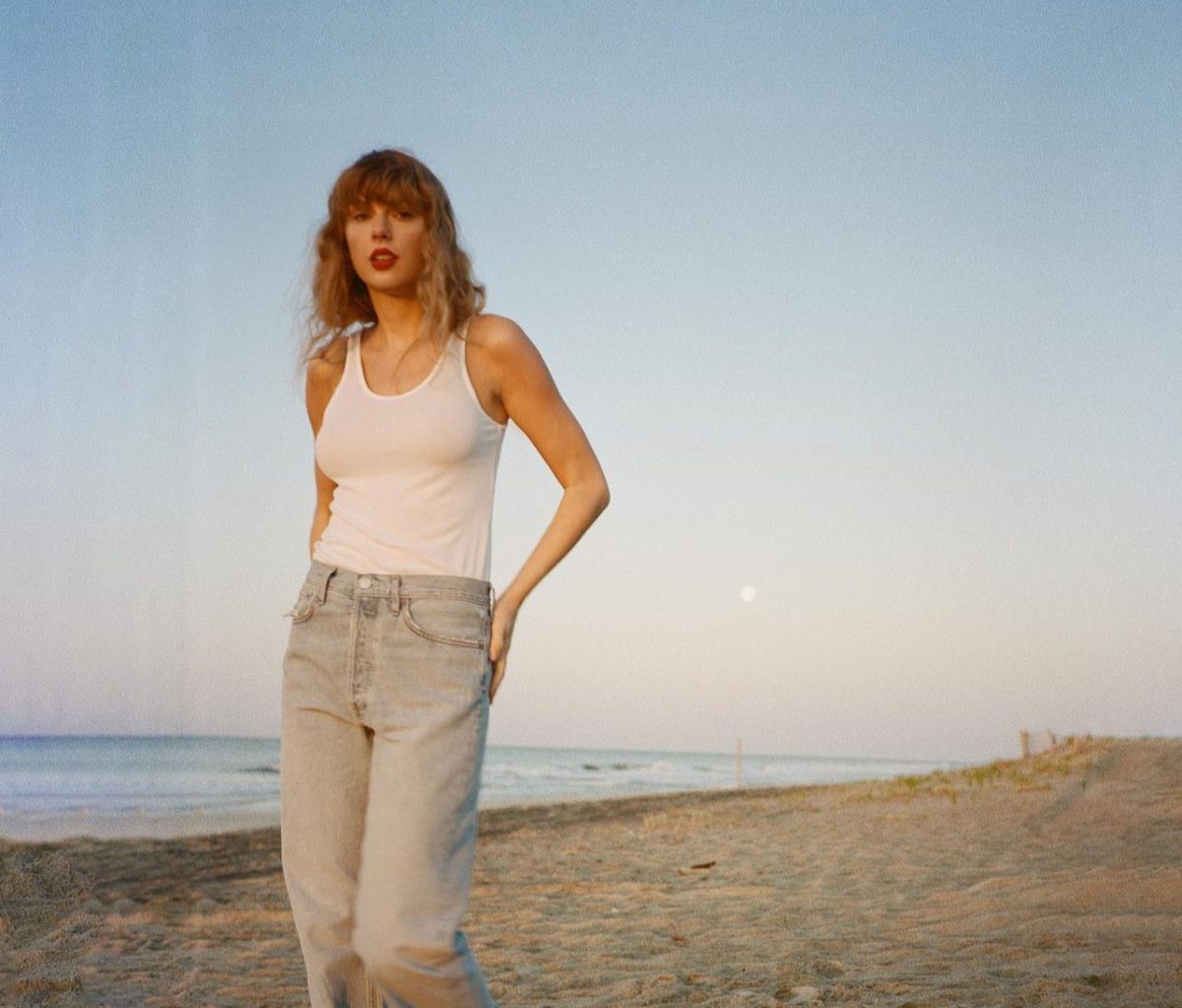
The transition to pop music with ‘1989’ brought a more playful wardrobe of coordinated separates, crop tops and statement sunglasses. The darker aesthetic surrounding ‘Reputation’ introduced edgy silhouettes and snake-inspired motifs, while ‘Lover’ embraced romantic pastels, sequins and colourful ensembles. Her ‘Folklore’ and ‘Evermore’ eras, meanwhile, leaned towards understated dresses, earthy tones and a softer, cottage-inspired aesthetic.
Also Read: The Indian Wedding Planners Who Can Pull Off Taylor Swift’s USD 20 Mn Celebration
Each transformation demonstrated how the singer used fashion to communicate the mood and personality of her music. Her fashion evolution became an extension of her storytelling, allowing fans to associate particular colours, silhouettes and visual references with different chapters of her career.
The Eras Tour Effect
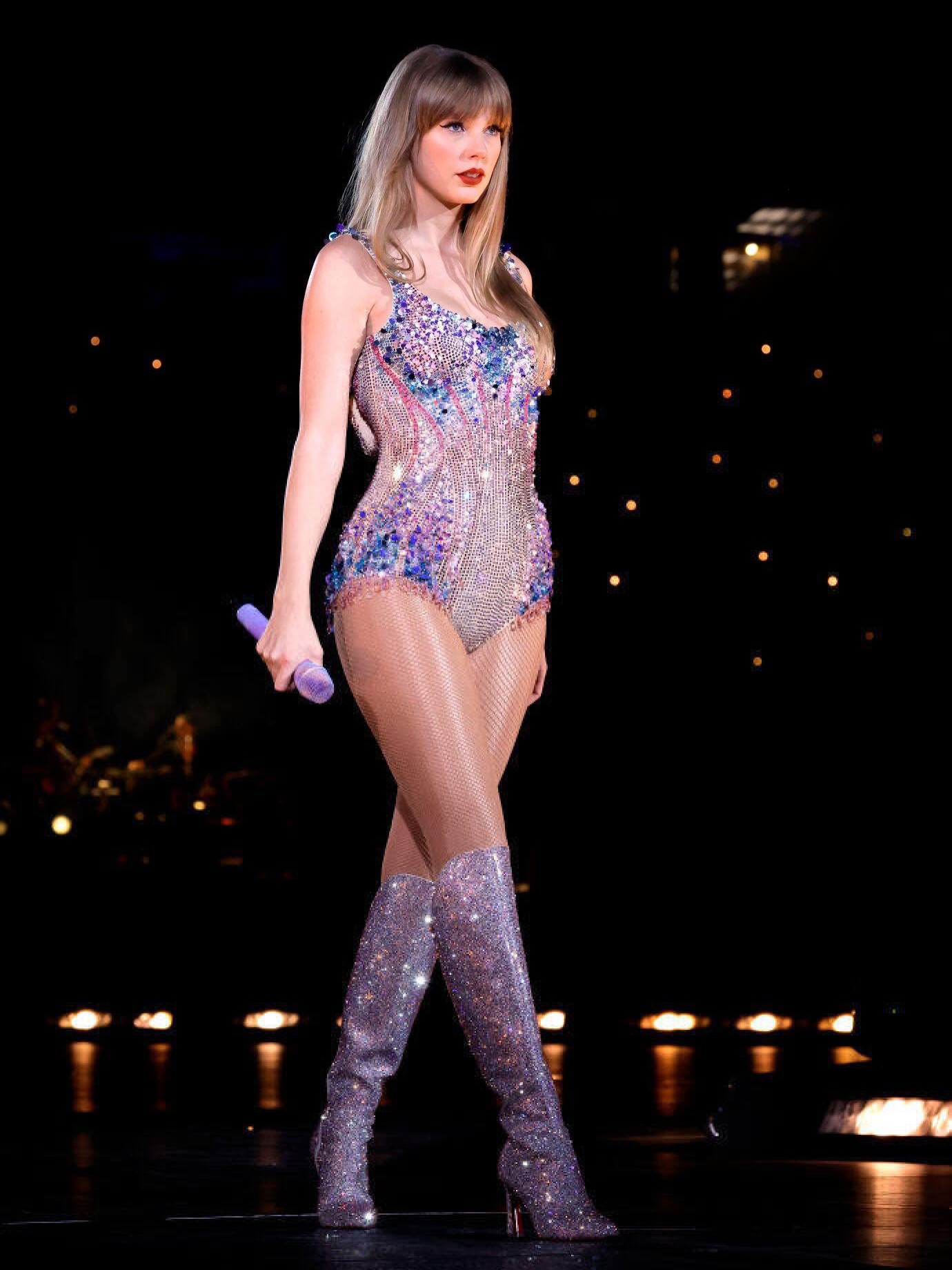
This relationship between music and fashion reached another level with the Eras Tour. Rather than relying on conventional concert styling, Swift created distinct visual identities for different musical chapters, incorporating embellished bodysuits, dramatic gowns, fringe details and coordinated accessories.
The costumes became an important part of the concert experience, with fans recreating their favourite looks and dressing according to their preferred musical eras. The tour also demonstrated how celebrity style could become a shared cultural experience, extending beyond the stage into everyday fashion and fan communities.
The Taylor Swift Effect
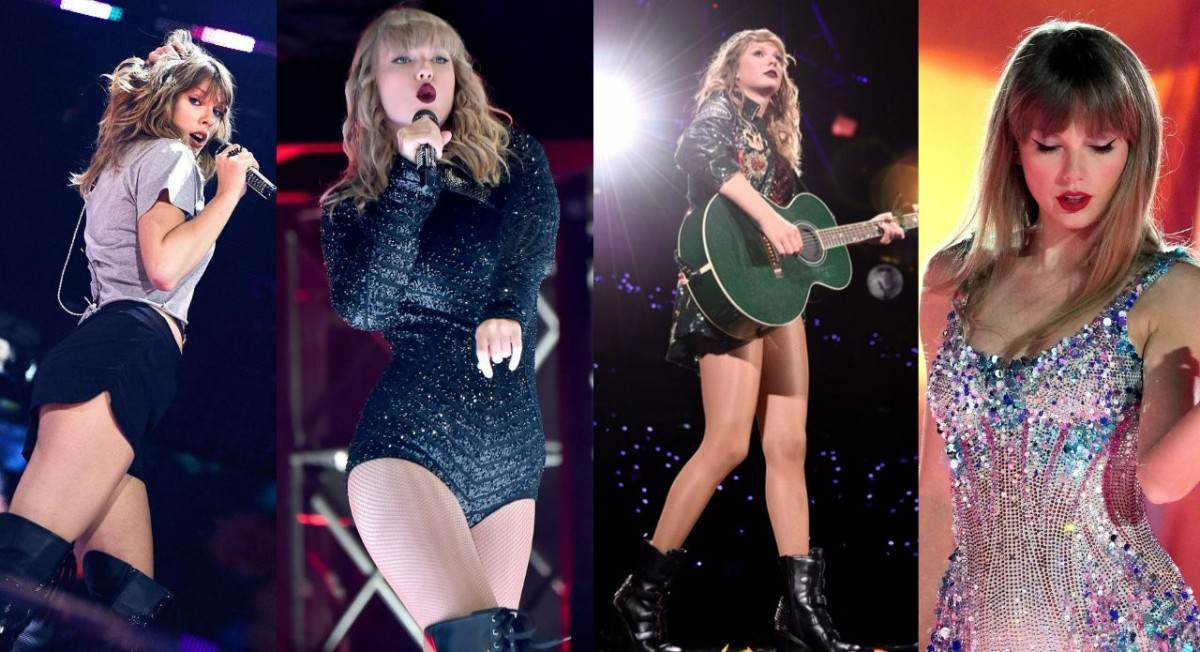
Swift’s influence is equally visible in the way audiences engage with her music, public appearances and personal style. Much of this connection comes from how closely she ties her visual identity to her songwriting. Her self-titled debut introduced audiences to a teenage country singer whose autobiographical lyrics explored young love and growing up. ‘Fearless’ strengthened that connection with songs such as ‘Love Story’ and ‘You Belong With Me’, while ‘Speak Now’, which she wrote entirely herself, established her reputation as a deeply personal storyteller.
With ‘Red’, Swift experimented with different sounds and explored heartbreak through tracks such as ‘All Too Well’. The release of ‘1989’ marked her full transition into pop, accompanied by a distinctly polished aesthetic of crop tops, coordinated separates and red lipstick. She embraced a darker visual identity for ‘Reputation’, using snake motifs and dramatic black ensembles to reclaim a narrative that had followed her in the public eye. ‘Lover’ brought a contrasting palette of pastel pinks, blues and romantic silhouettes, while ‘Folklore’ and ‘Evermore’ introduced an introspective, indie-folk sensibility reflected in muted colours, cosy knits and countryside-inspired styling.
Her subsequent albums continued to build on this relationship between music and image. ‘Midnights’ explored sleepless thoughts and personal reflection through a 1970s-inspired visual language, while ‘The Tortured Poets Department’ leaned into literary references, monochromatic imagery and emotionally raw songwriting. With each release, Swift has given fans a distinct world to enter, making album launches, music videos, concert costumes and even her off-duty appearances subjects of widespread conversation. This resulted in development of a celebrity identity in which music, fashion and personal expression remain closely intertwined.
Also Read: Taylor Swift’s Luxury Homes: Inside The Property Of A 33-Time VMA Winner
The Dadasaheb Phalke International Film Festival’s International Artist of the Year recognition acknowledges her contribution to contemporary music and global entertainment. For a performer whose career has consistently challenged the boundaries between music, personal expression and popular culture, the honour recognises the many dimensions of her stardom.