

In the austere theatre of deep sea exploration, romance yields swiftly to physics. Beneath the ocean’s surface, where pressure mounts with implacable force and human survival depends upon engineering exactitude, even the smallest design detail can prove decisive. Among such details in professional diver watches, none is more misunderstood and yet more vital than the helium escape valve.
To the uninitiated, it appears almost trivial. A small aperture discreetly positioned along the case flank, occasionally accompanied by understated engraving. Yet this modest feature addresses a challenge that emerges not during descent, but during ascent. It is not the crushing pressure of the deep that threatens a watch in this context. It is the invisible persistence of helium.
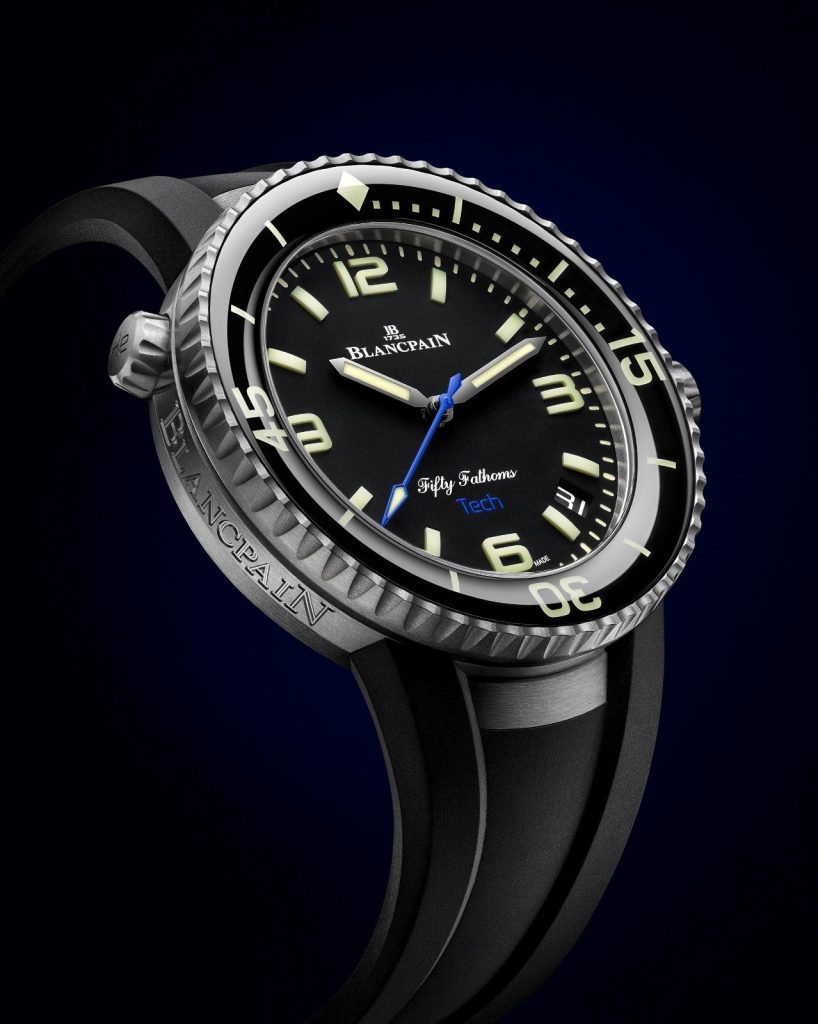
Professional saturation divers operate in pressurised habitats known as diving bells or chambers. For days or even weeks at a time, they breathe gas mixtures rich in helium, chosen because helium reduces the narcotic effects associated with nitrogen at extreme depths. These environments are meticulously controlled, but helium presents a peculiarity. Its molecules are exceptionally small. So small, in fact, that they can penetrate the seals of a watch case, infiltrating the interior despite robust gaskets and screw down crowns.
While submerged under constant pressure, this infiltration causes little immediate harm. The pressure inside and outside the watch remains in equilibrium. The complication arises during decompression, when divers gradually return to surface pressure. As the external pressure decreases, helium trapped inside the watch attempts to escape. If it cannot do so quickly enough, internal pressure builds, exerting force against the crystal. In severe cases, this can cause the crystal to dislodge or even shatter.
Enter the helium escape valve
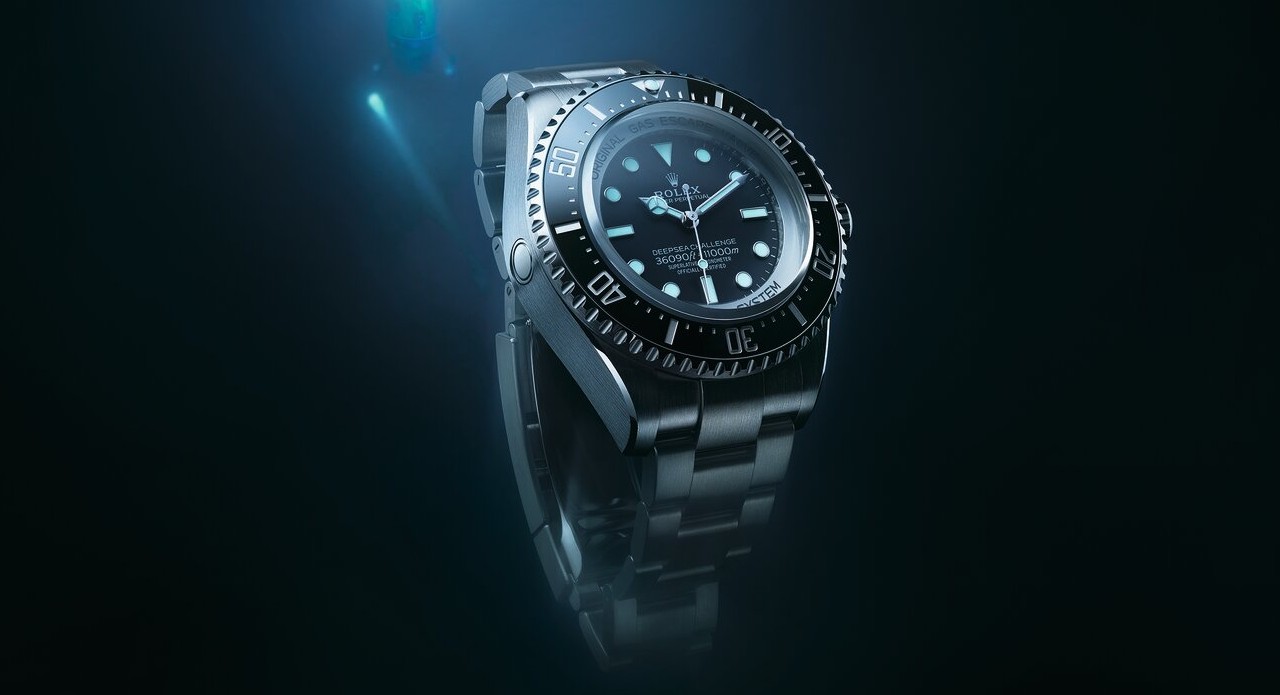
Certain professional dive watches, such as the Rolex Sea Dweller and the Omega Seamaster Planet Ocean, incorporate this mechanism specifically for saturation diving conditions. The valve allows trapped helium to exit the case safely during decompression, equalising internal and external pressures before damage can occur. Some systems operate automatically through a spring loaded mechanism that opens when pressure differentials reach a critical threshold. Others require the diver to manually unscrew the valve during decompression.
It is important to emphasise that the helium escape valve is not intended for recreational diving. The vast majority of sport divers never encounter saturation environments, nor do they spend prolonged periods breathing helium rich gas mixtures. For them, the robust sealing of a well engineered diver watch is entirely sufficient. The valve exists for a rarefied professional context, where watches are not accessories but instruments integrated into life support ecosystems.
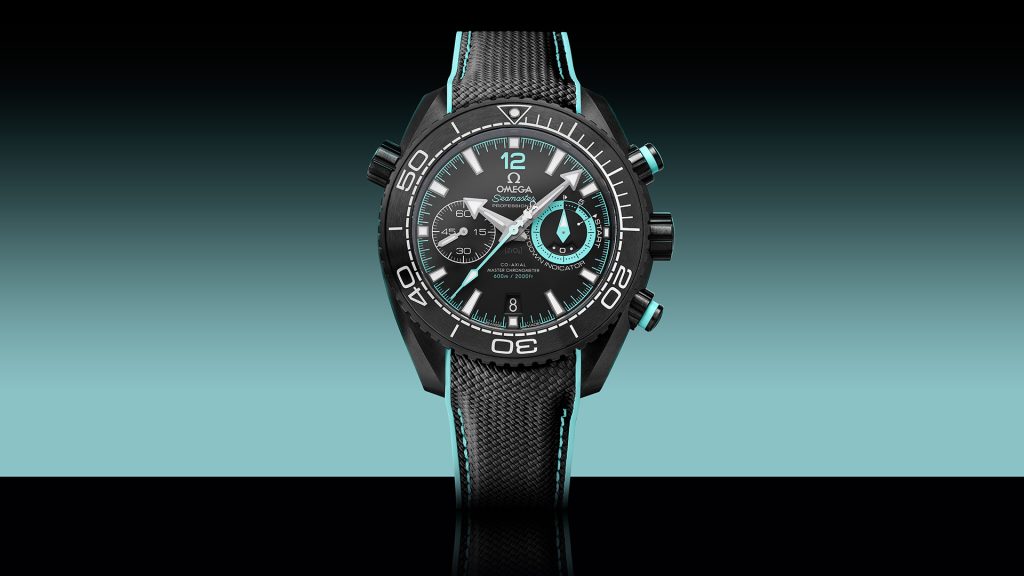
The origin of this feature traces back to collaboration between watchmakers and commercial diving companies in the latter half of the twentieth century. As offshore oil exploration expanded and saturation diving became more prevalent, reports emerged of crystals popping off otherwise well sealed watches during decompression. Rather than concede defeat to an obscure physical phenomenon, engineers devised a solution that reconciled horology with marine science. The helium escape valve was the result.
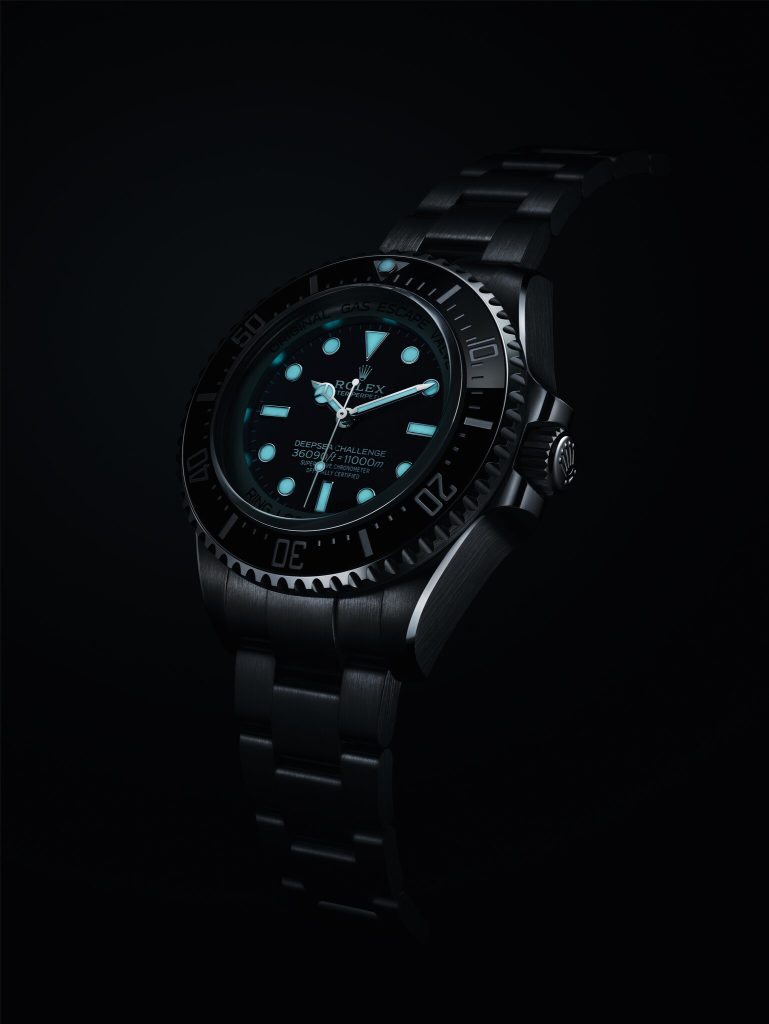
Its presence on a watch case has since become a signifier of seriousness, a declaration that the timepiece is engineered not merely to resist water ingress but to withstand the complex realities of prolonged subaquatic habitation. It symbolises a philosophy of preparedness, of anticipating stresses that are invisible yet formidable.
In a broader sense, the helium escape valve represents the quiet dialogue between environment and engineering. It acknowledges that even in an age of advanced materials and computer aided design, nature retains its authority. Pressure obeys immutable laws. Gases behave according to molecular truths. The task of the watchmaker is not to defy these principles but to accommodate them with ingenuity.
Thus, what appears at first glance to be a minor protuberance upon a steel case is, in truth, an emblem of deep sea resilience. It ensures that when a diver emerges from weeks beneath the ocean’s surface, their watch will emerge intact, crystal unshattered, movement undisturbed. In the unforgiving depths, such reliability is not a luxury. It is an obligation measured, quite literally, in seconds.