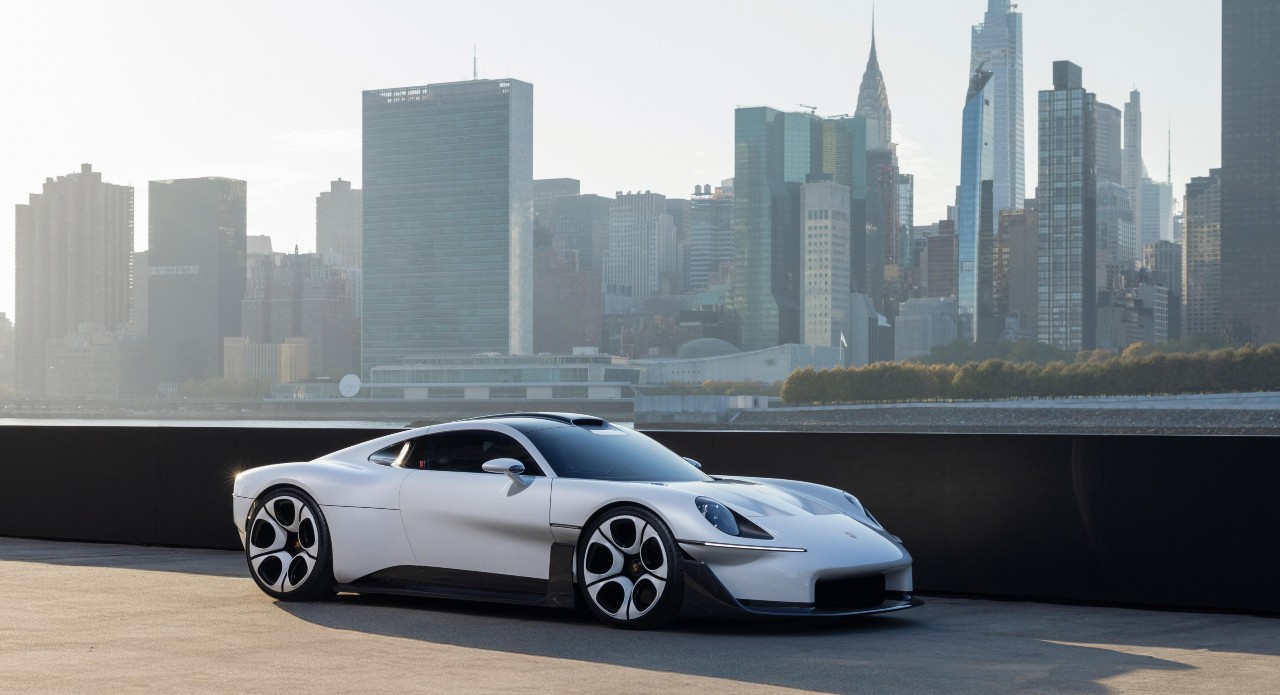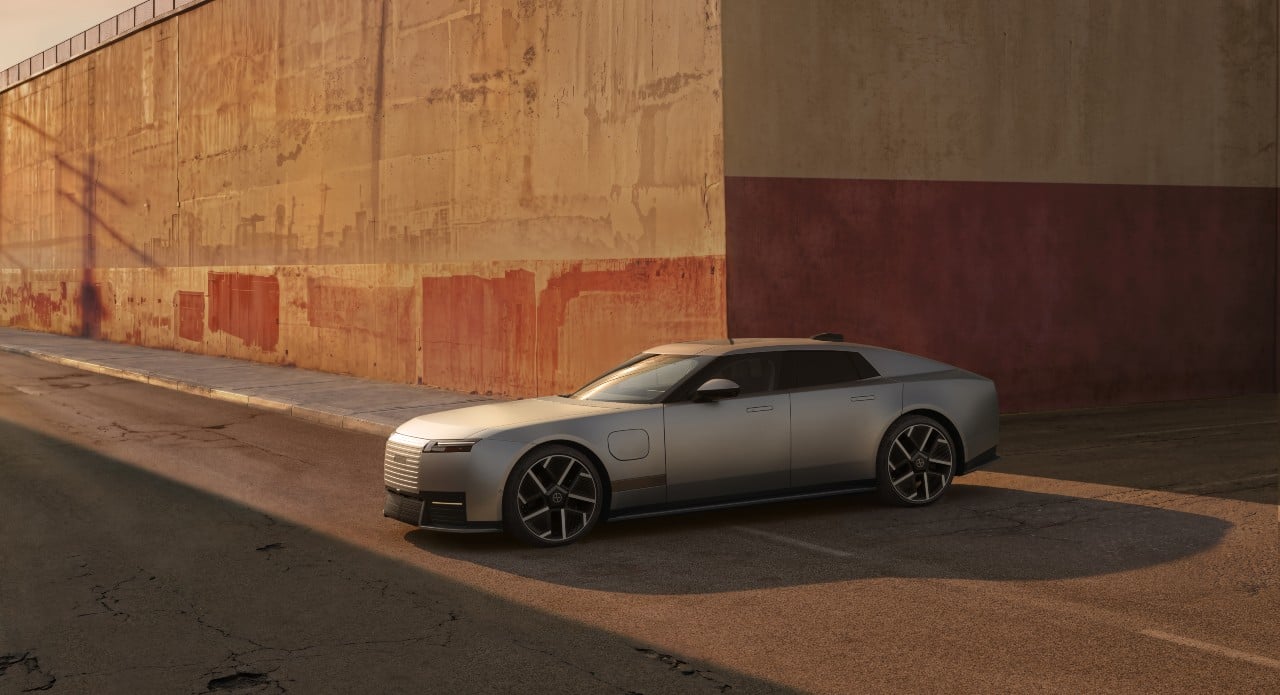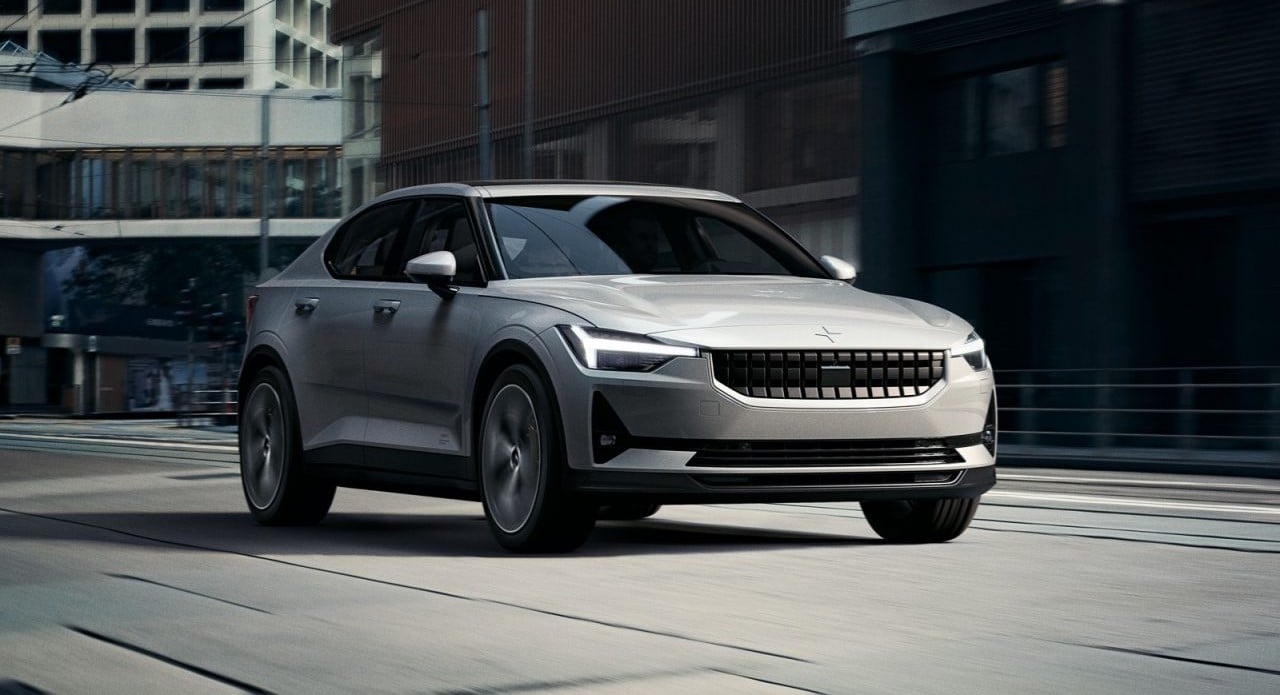


At first glance, an electric car should be lighter than a traditional petrol-powered machine. There is no massive combustion engine sitting at the front, no multi-speed gearbox with enough moving parts to keep an entire workshop employed, no exhaust system stretching underneath the car, and no fuel tank carrying litres of highly flammable liquid. Most noticeably, there is no traditional transmission tunnel cutting through the cabin floor, stealing legroom and reminding passengers of old-school mechanical complexity.
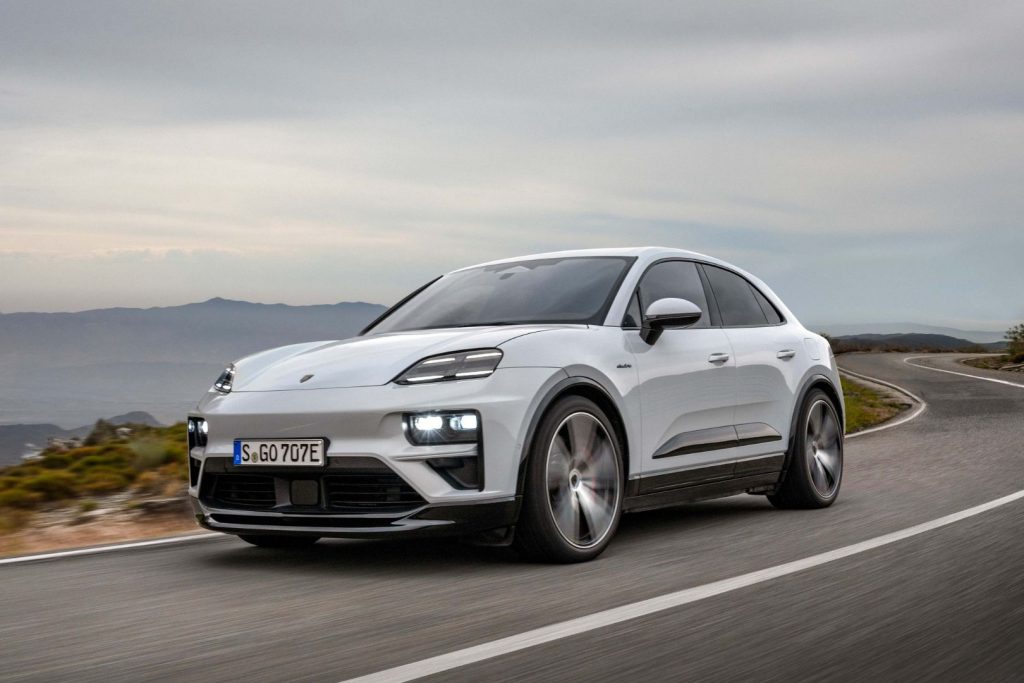
So naturally, many people assume electric cars should be lighter, simpler, and easier to move. Instead, the reality is often the exact opposite. Many modern electric vehicles weigh well over two tonnes, with some luxury electric SUVs approaching the weight of a small commercial vehicle. It feels almost absurd. How can something with fewer moving parts end up heavier than the machine it is replacing? The answer sits directly beneath your feet.
Also Read: Formula 1 Returns to Turkey With New 5-Year Deal At Istanbul Park
The single biggest reason electric cars are heavy is the battery pack. Unlike a petrol tank, which is relatively light and becomes lighter as fuel is consumed, an EV battery is a permanent load. A modern long-range lithium-ion battery pack can weigh anywhere between 400 and 700 kilograms, and in some premium models, even more. That is not a small component tucked away discreetly inside the chassis; it is essentially the foundation of the entire car.
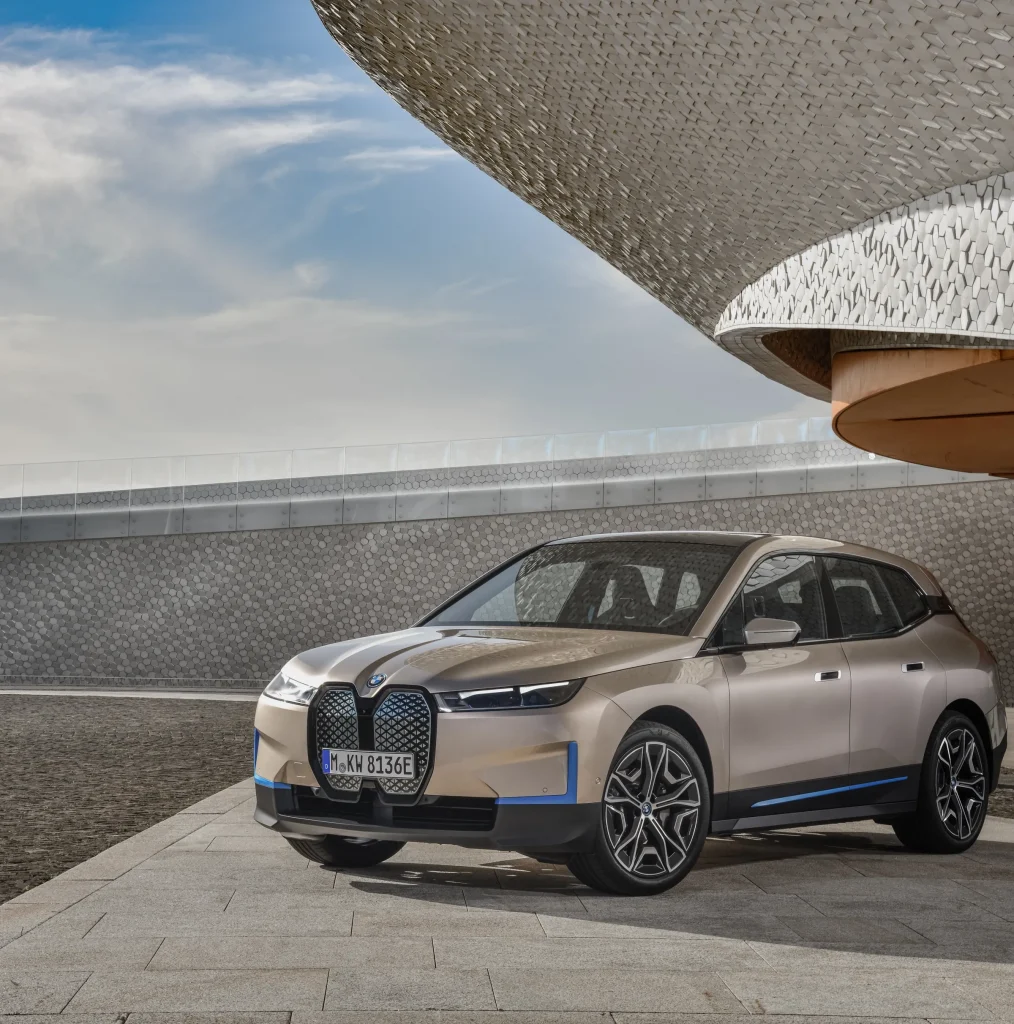
This battery is responsible for storing the enormous amount of energy needed to deliver practical driving range. Consumers expect electric cars to travel hundreds of kilometres on a single charge, and that demand requires larger battery packs. More range means more cells, more cooling systems, and inevitably, more weight. Unlike petrol, which offers extraordinary energy density in a small and light form, batteries remain stubbornly heavy for the energy they provide.
Because this battery pack is so heavy, the entire structure of the vehicle must be engineered around it. The floor of the car needs to be exceptionally strong to support the battery while maintaining rigidity and protecting it from road damage. Engineers must design reinforced side structures, stronger crash zones, and underbody shielding capable of surviving potholes, speed breakers, and serious collisions.
Also Read: How Certain Engines Cross 300,000 Kms Without Major Repairs
This is not merely about protecting expensive hardware. A damaged battery pack presents a major safety challenge. While petrol fires are dangerous enough, damaged lithium-ion batteries can trigger thermal runaway, a chain reaction of heat and fire that is extremely difficult to control. Preventing that risk requires additional structural protection, and additional protection always means additional weight. Safety regulations make this even more demanding. Since the battery is usually mounted low in the floor, side-impact protection becomes critical. Manufacturers must ensure that in the event of a collision, the battery remains isolated and protected. Reinforced door structures, strengthened side sills, and protective barriers all contribute to a heavier vehicle.
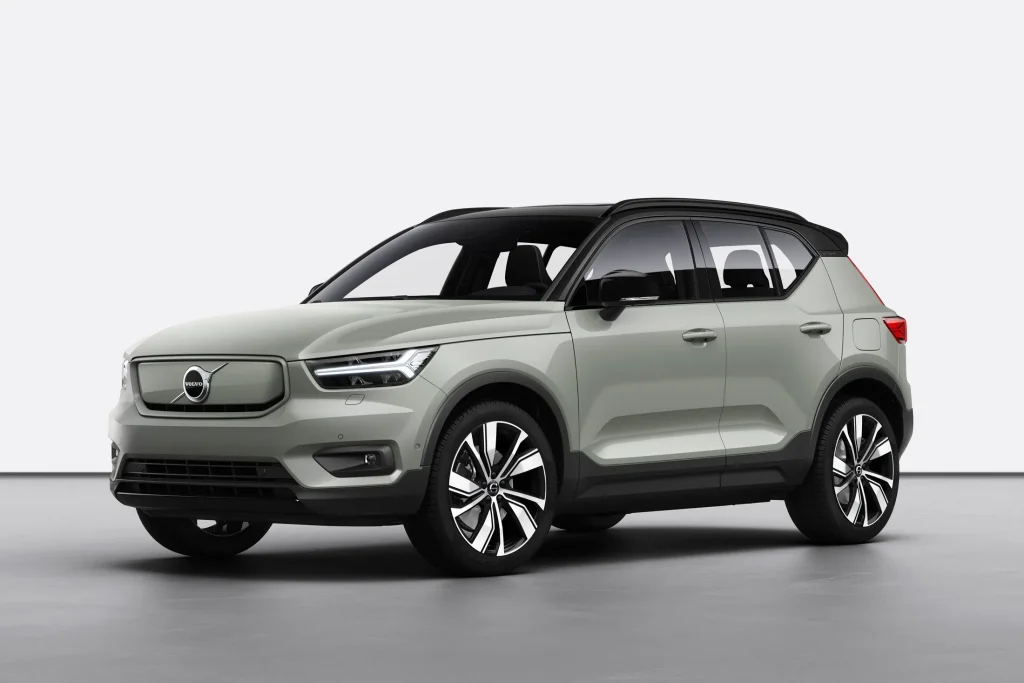
Then there are the components people often forget. Electric motors may be smaller than internal combustion engines, but they are still substantial pieces of engineering. Add one motor or sometimes two, depending on whether the vehicle is rear-wheel drive or all-wheel drive, along with inverters, power electronics, cooling systems, regenerative braking hardware, and high-voltage wiring, and the supposed simplicity starts looking rather complicated again. This is often where people mention the missing transmission tunnel. In traditional rear-wheel-drive petrol cars, that tunnel exists because a driveshaft must run from the engine to the rear axle. In many electric cars, motors are placed directly at the axles, which removes the need for that tunnel and creates a flatter, more spacious cabin.
However, removing the tunnel does not remove weight. It simply shifts where the engineering happens. Instead of a raised central spine for mechanical parts, you now have an enormous battery platform spread across the floor. The design looks cleaner, but the mass is very much still there. Luxury electric vehicles from Tesla, Mercedes-Benz, BMW, and Porsche all demonstrate this clearly. They offer astonishing acceleration, silent refinement, and beautifully flat interiors, but they also carry enormous curb weights that would have seemed excessive a decade ago. There is, however, one significant advantage to all this weight. Because the battery sits low in the chassis, the centre of gravity drops dramatically. This makes electric cars feel remarkably stable and planted through corners. Even large electric SUVs can handle with surprising composure because the weight is distributed low and evenly, rather than concentrated high up.
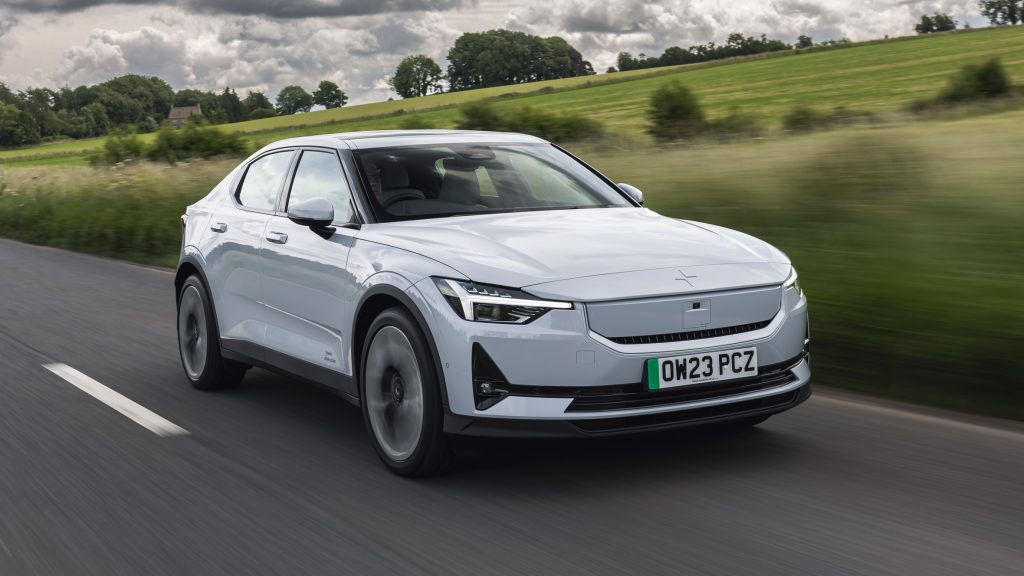
But physics never offers free gifts. More weight means greater tyre wear, increased braking demands, and reduced efficiency at higher speeds. It also means the heavier the battery required for more range, the more energy is needed to move the car itself. It becomes a continuous balancing act between performance, range, and practicality. Manufacturers are already searching for solutions. Lighter battery chemistries, structural battery packs, advanced aluminium platforms, and solid-state battery technology all promise to reduce weight in the future. But for now, the reality remains very simple. Electric cars are heavy because batteries are heavy. The missing transmission tunnel may make the cabin feel futuristic, but beneath that flat floor lies a giant slab of stored energy carrying the weight of modern mobility. The future of motoring may be silent, fast, and electric, but it is also undeniably heavy. And that, more than anything else, proves that progress is rarely as light as it looks.