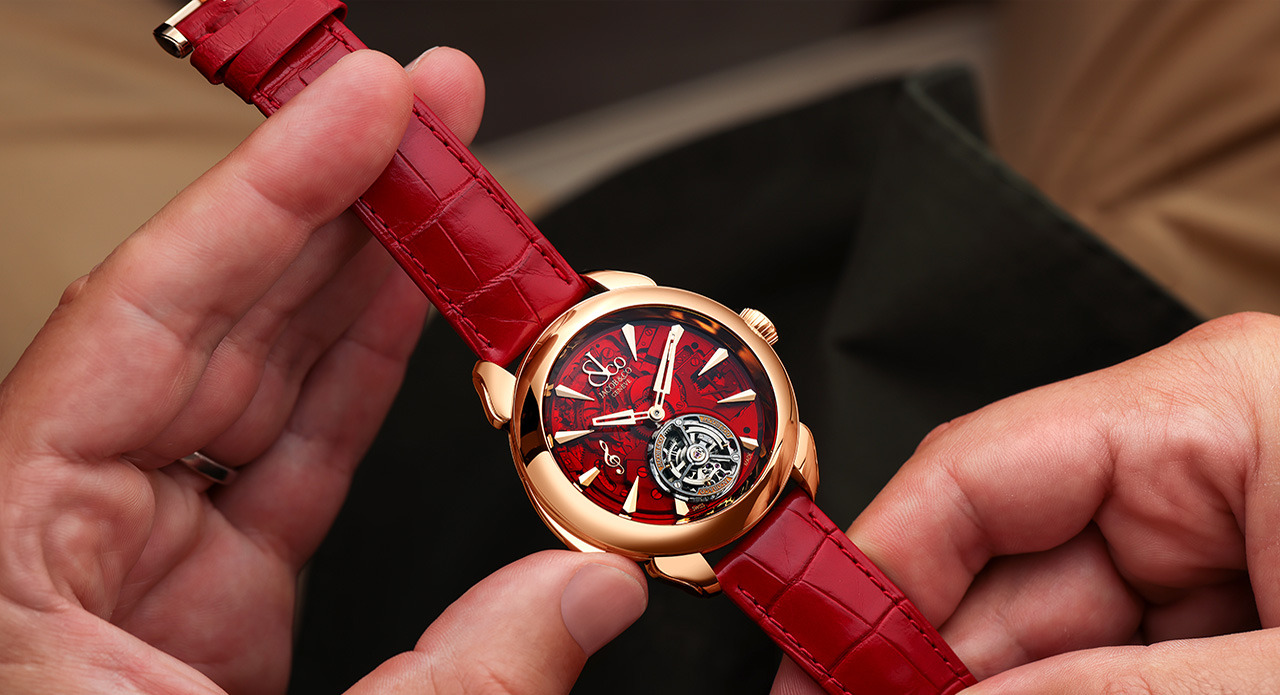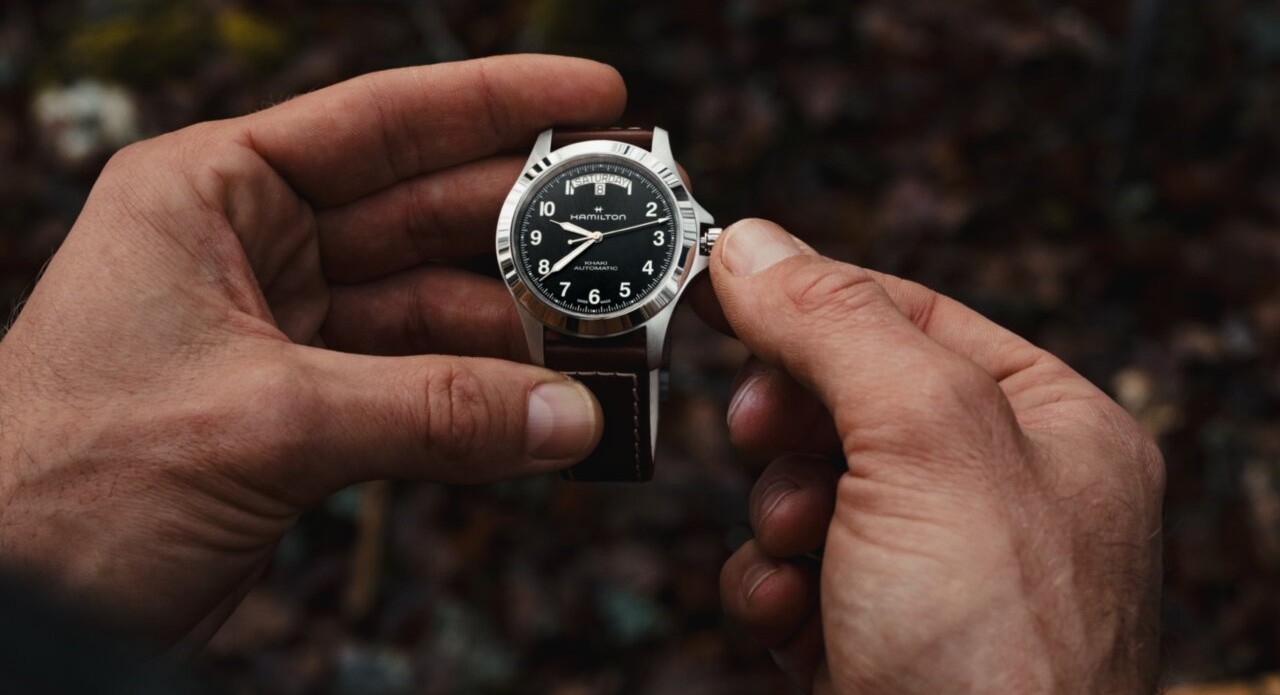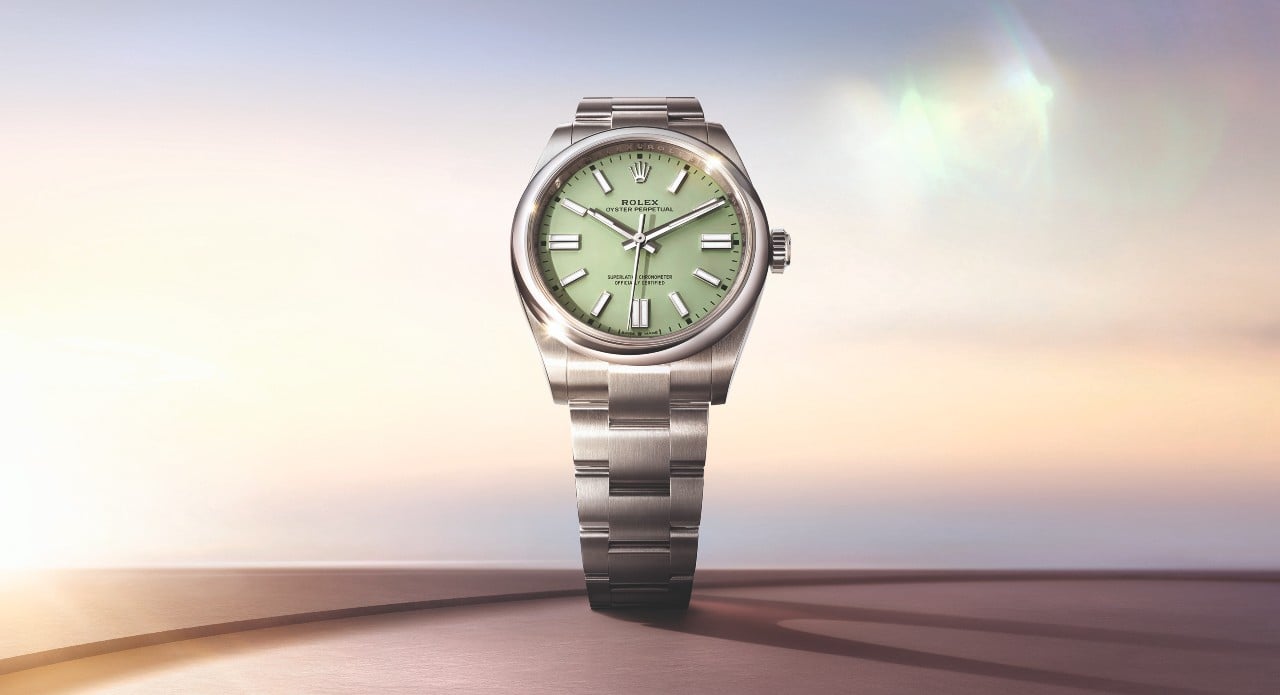


There are two types of watch owners in this world. The first wear a luxury watch because it looks expensive while the second instinctively turn the watch over the moment they pick it up, searching for the movement hidden beneath the caseback like an engineer inspecting the engine bay of a rare Italian supercar. Because for true enthusiasts, the real magic of a mechanical watch does not live on the dial. It lives underneath.
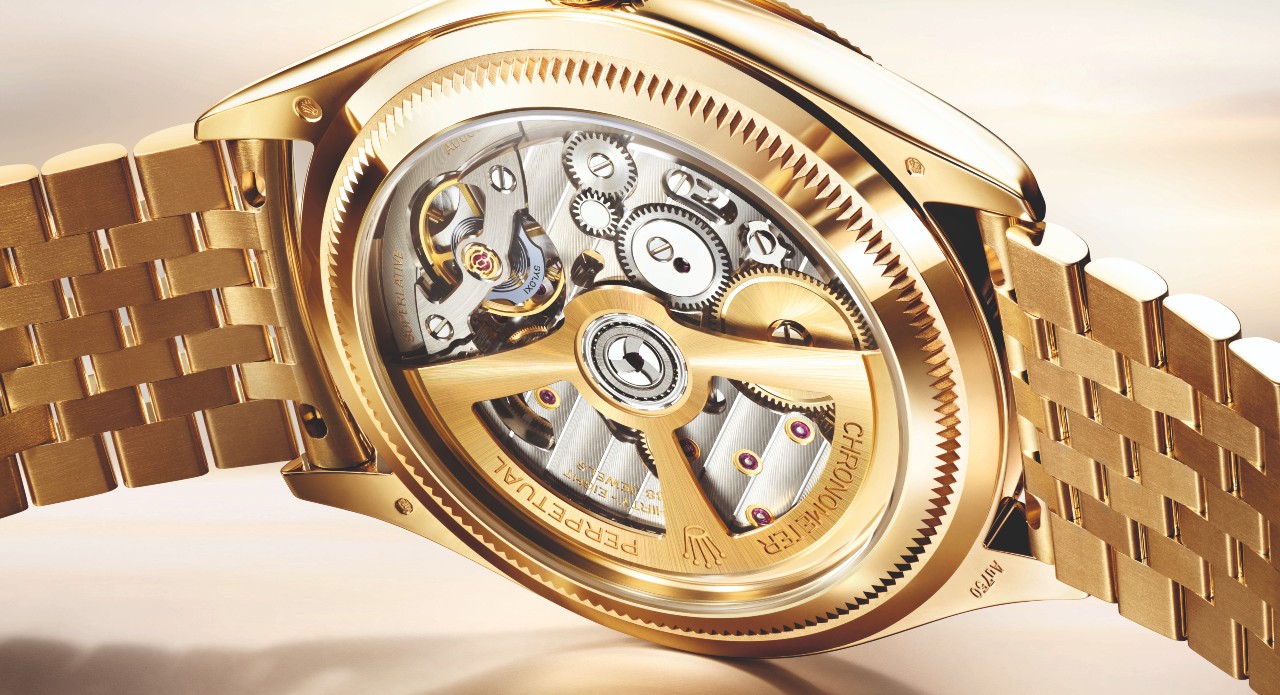
That is precisely why exhibition casebacks matter. They are not simply transparent covers added for decoration. They are windows into the soul of horology itself, exposing the intricate gears, springs, rotors, bridges, and wheels that transform a collection of metal components into a machine capable of measuring time with microscopic precision. In many ways, the exhibition caseback represents the moment watchmaking stopped being purely functional and became art.
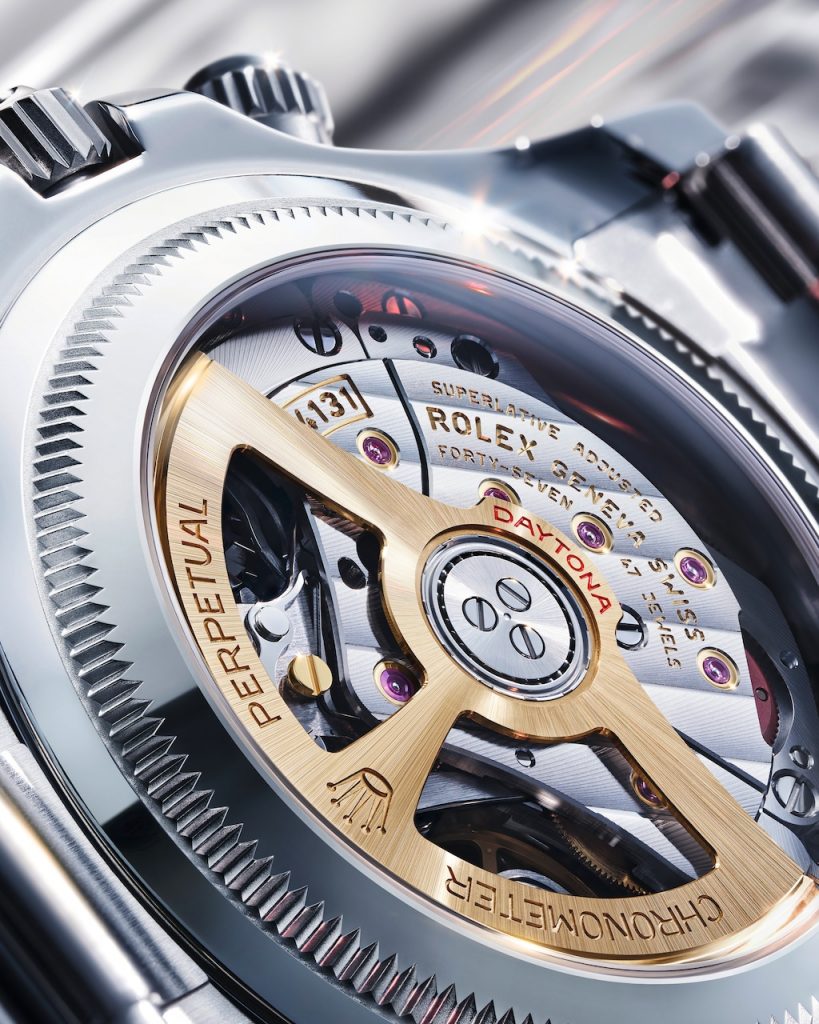
How Exhibition Casebacks Became A Horological Icon
In the early days of watchmaking, movements remained hidden behind solid metal casebacks designed primarily for protection. Watches were tools first and luxury objects second. Durability mattered far more than aesthetics, and the movement was regarded as something practical rather than something beautiful.
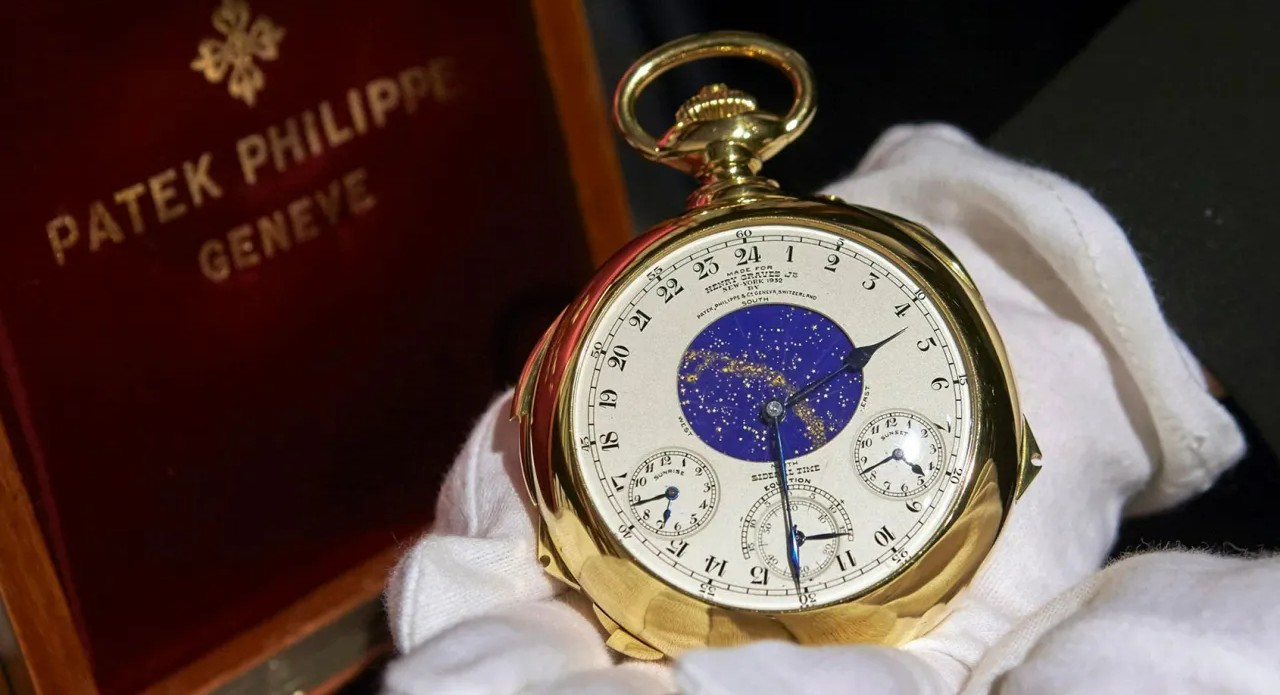
That began to change during the late nineteenth century when watchmaking competitions became increasingly important. Precision timepieces entered into these contests were often fitted with transparent backs so judges could inspect the finishing and technical execution of the movement. Suddenly, the craftsmanship hidden inside the watch became part of the story.
As wristwatches evolved throughout the twentieth century, exhibition casebacks gradually migrated from pocket watches into luxury wristwatches. Collectors and enthusiasts no longer wanted to simply wear a watch. They wanted to admire the engineering that powered it. The movement itself had become a spectacle worthy of display.
Also Read: Watches and Wonders 2026: Rolex Unveils New Collection Of Timepieces
Why Watch Enthusiasts Are Obsessed With Them
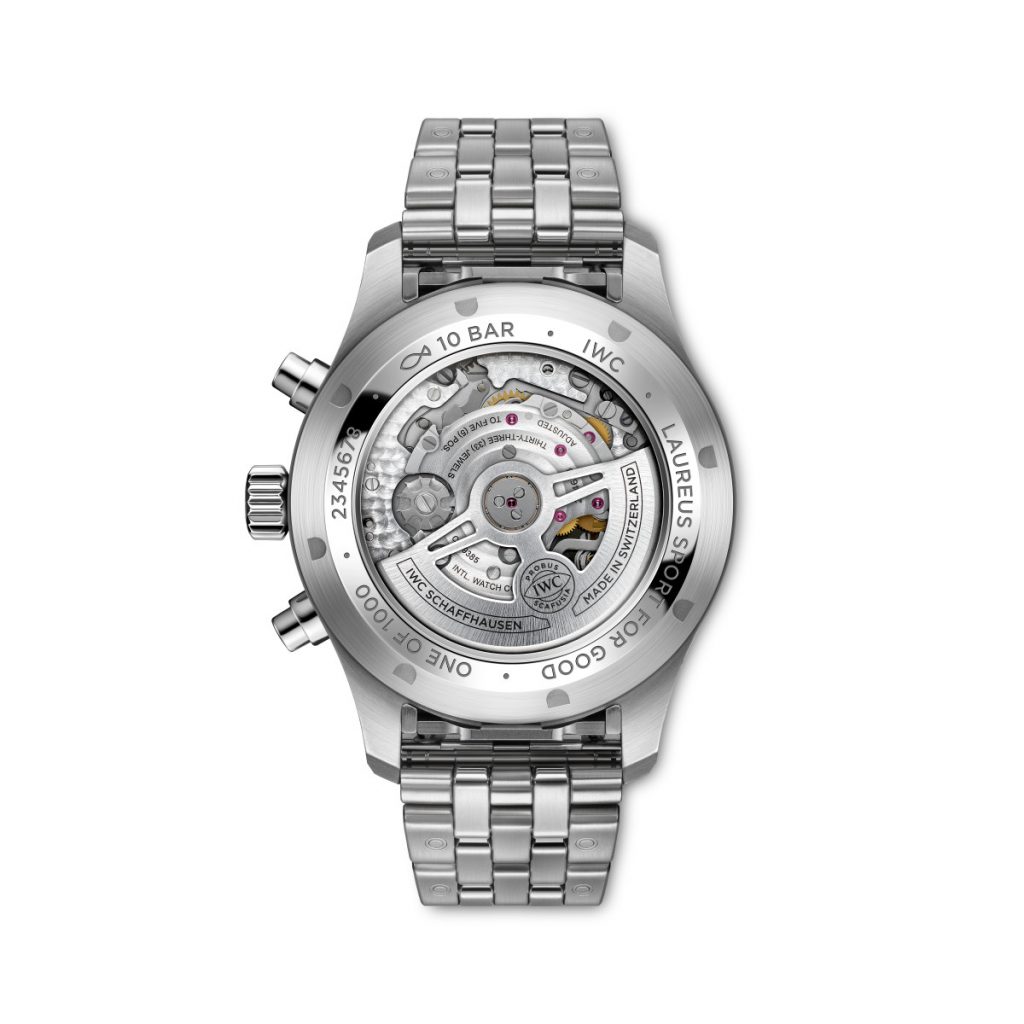
An exhibition caseback creates something modern smartwatches simply cannot replicate: emotional connection. Through the sapphire crystal window, the wearer can observe the mechanical movement operating in real time. The rotor of an automatic calibre swings with the motion of the wrist, balance wheels oscillate rhythmically at astonishing speeds, and gears interact with almost hypnotic precision.
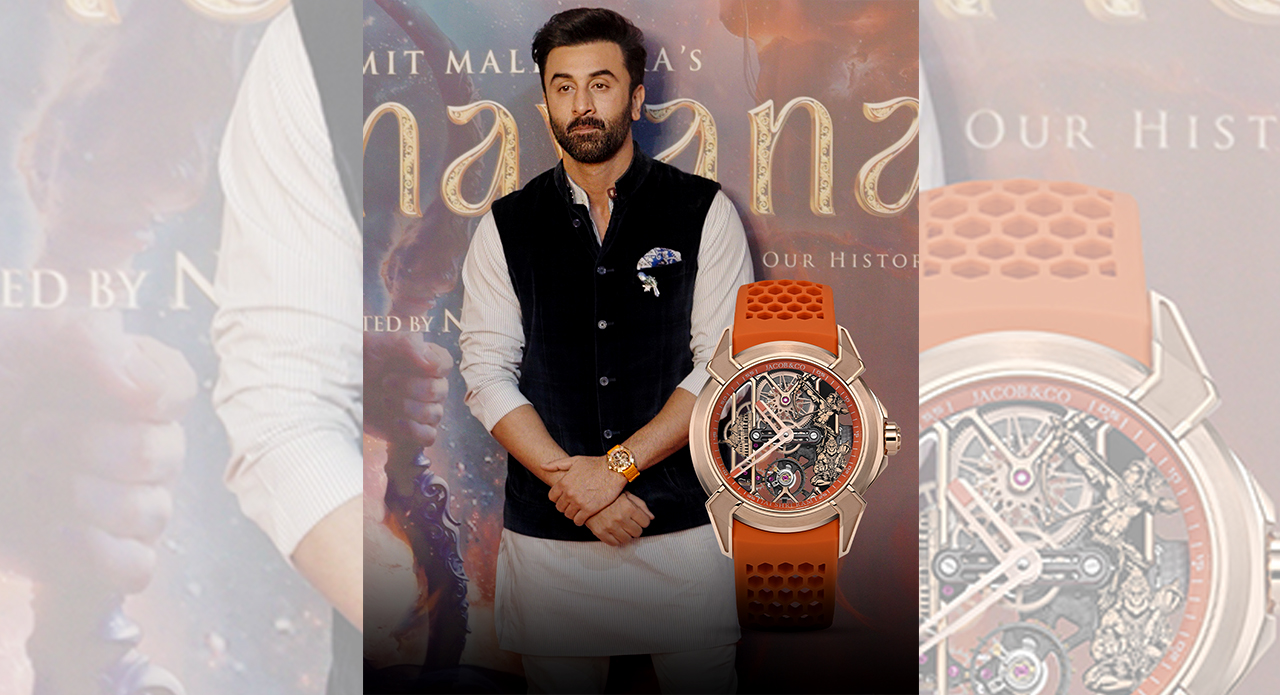
For enthusiasts, this transforms the watch from an object into a living machine. Manual-wind movements are especially captivating because the absence of a rotor exposes the entire architecture of the calibre. Bridges, polished screws, striped plates, and finely bevelled edges become visible, revealing the painstaking work carried out by master watchmakers. Chronograph movements add yet another layer of fascination. Activate the stopwatch function and an intricate mechanical choreography unfolds beneath the crystal, with levers and gears engaging instantly in a display of pure mechanical theatre.
Also Read: Watches and Wonders 2026: IWC Introduces Limited Editions And Collector-Grade Timepieces
The Technical Challenge Behind Exhibition Casebacks
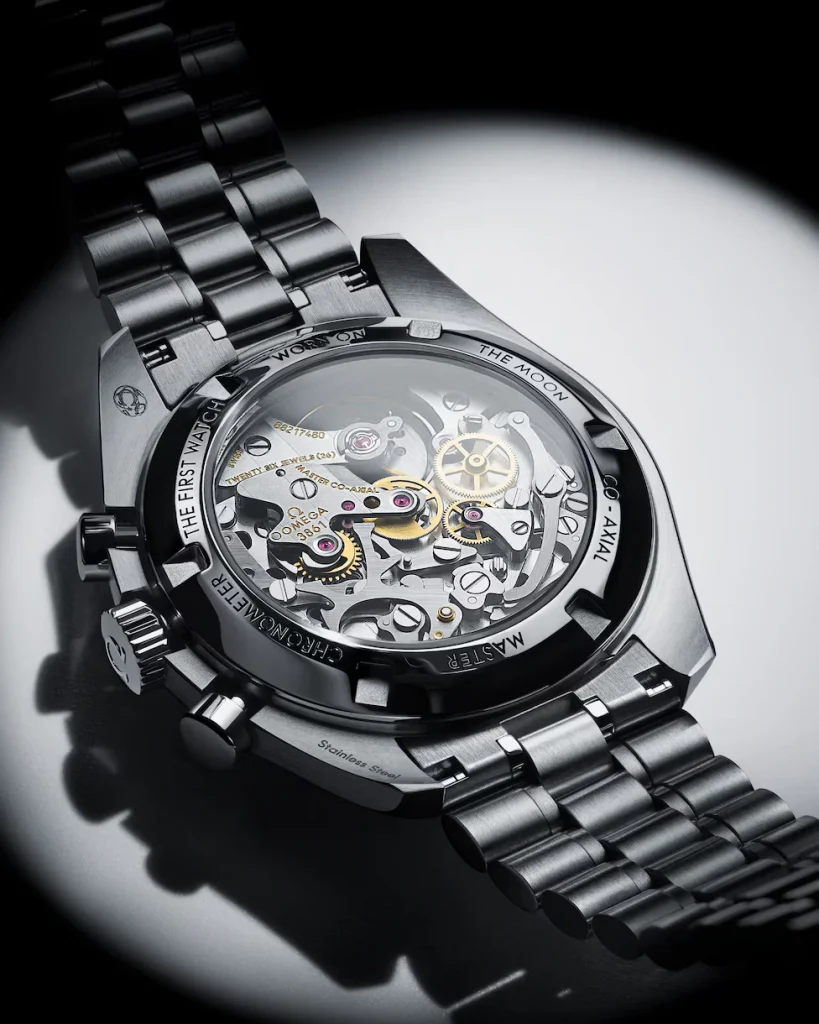
Despite appearing elegant and effortless, creating an exhibition caseback is a deeply complex engineering task. The transparent rear cover is usually crafted from sapphire crystal because of its exceptional hardness and scratch resistance. Ordinary glass would quickly lose clarity, while sapphire remains pristine even after years of use.
However, fitting sapphire into the rear of a watch case presents major technical challenges. The watch must still maintain water resistance, dust protection, and structural integrity. This requires perfectly engineered seals, gaskets, and tolerances to ensure the movement remains protected from external elements. Luxury watchmaking operates in microscopic dimensions where even the smallest imperfection can compromise performance. An exhibition caseback therefore demands both aesthetic finesse and engineering precision, balancing beauty with durability.