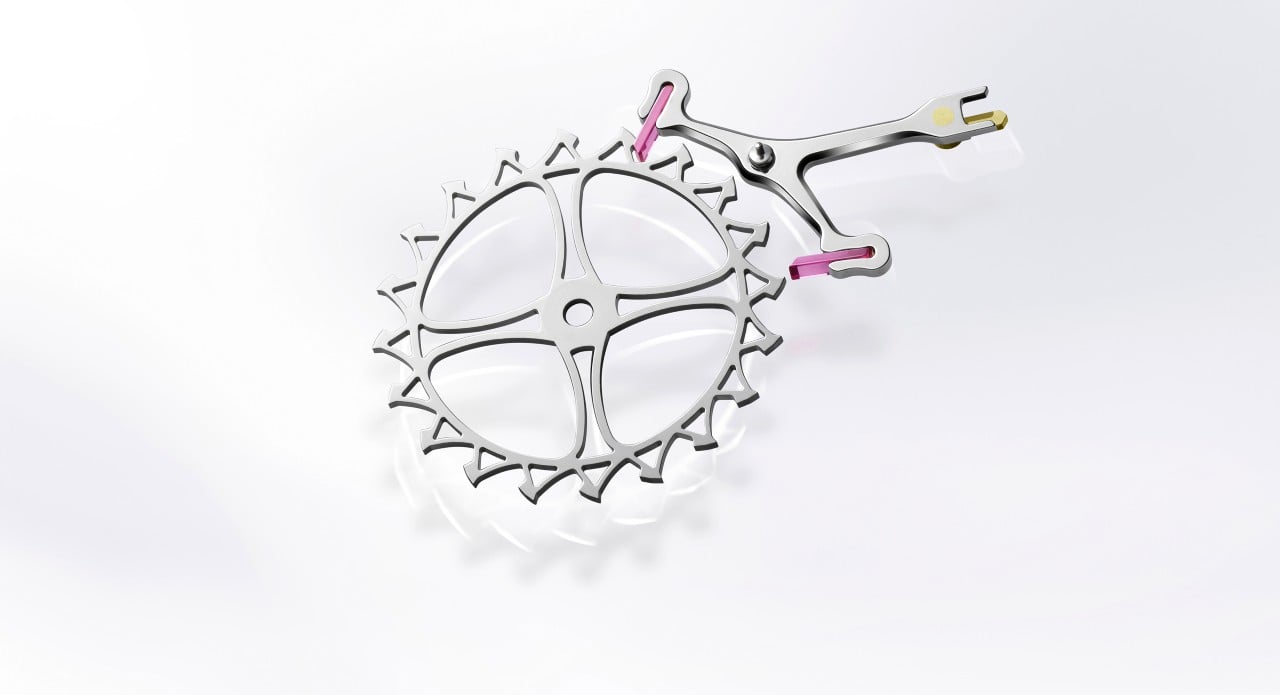


There are certain inventions in life that become so successful nobody bothers to challenge them. The wheel, the knife, the fork, the British pub, and in watchmaking, the lever escapement. For well over 250 years it has quietly sat inside millions of watches, ticking away with the sort of reliability that makes engineers smile and accountants sleep peacefully. It was accurate, robust, relatively easy to manufacture and, most importantly, it worked. So well, in fact, that the entire Swiss watch industry built itself around it. But recently something rather interesting has happened. The world’s finest watchmakers have started looking at this centuries old mechanism and asking a very dangerous question: what if we could do better?
Imagine turning up to a motor race where every car, regardless of whether it wore a Ferrari badge, a Porsche crest or an Aston Martin logo, used exactly the same engine. That, more or less, is what happened in watchmaking. For over two centuries, the Swiss lever escapement became the industry’s default solution because it was dependable, accurate and tough enough for daily wear. The problem is that it was never perfect. Friction has always been its greatest enemy, quietly stealing energy every second. Yet because no practical alternative existed, watchmakers simply accepted it. Until now.
The Silicon Revolution
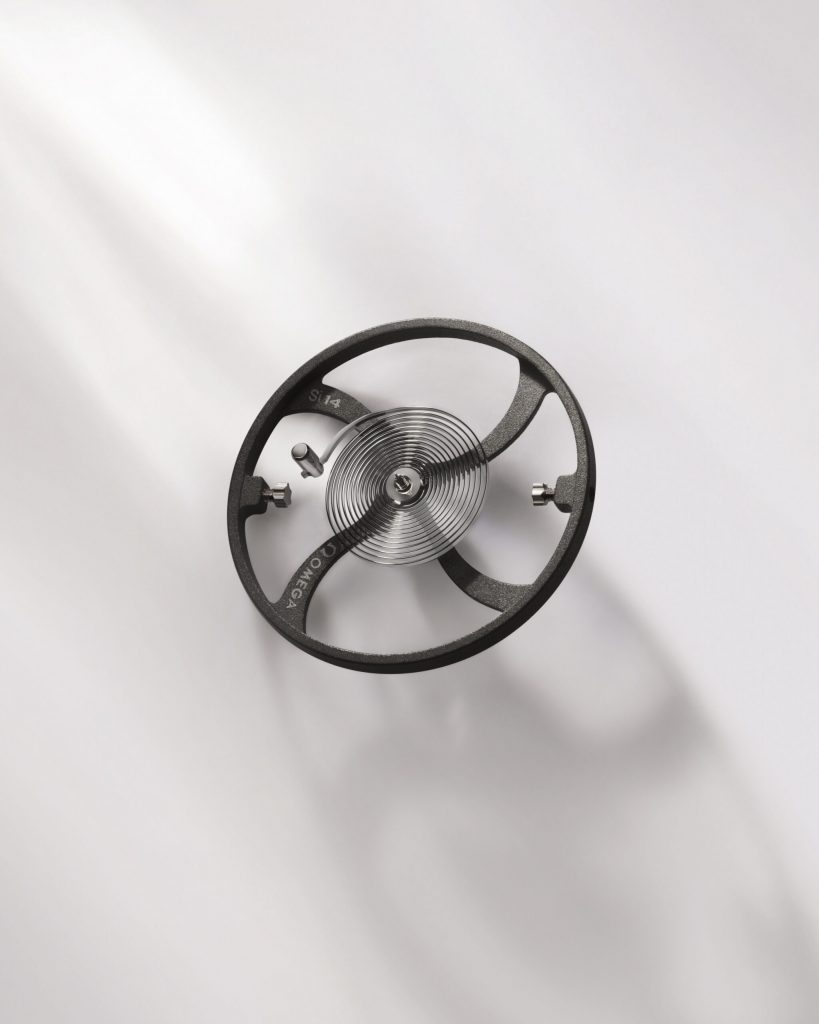
The real game changer wasn’t a new escapement at all. It was silicon. Suddenly, watchmakers had access to a material that was lighter than steel, immune to magnetism, incredibly precise and capable of being manufactured in shapes that traditional machining simply couldn’t achieve. Think of it as the moment Formula 1 teams discovered carbon fibre. Everything changed. Silicon gave engineers the freedom to rethink the very mechanics of timekeeping, opening doors that had been firmly shut for centuries.
Also Read: Blancpain Unveils Ladybird Tribute Watch Celebrating Marilyn Monroe’s 100th Birth Anniversary
The Co-Axial Escapement
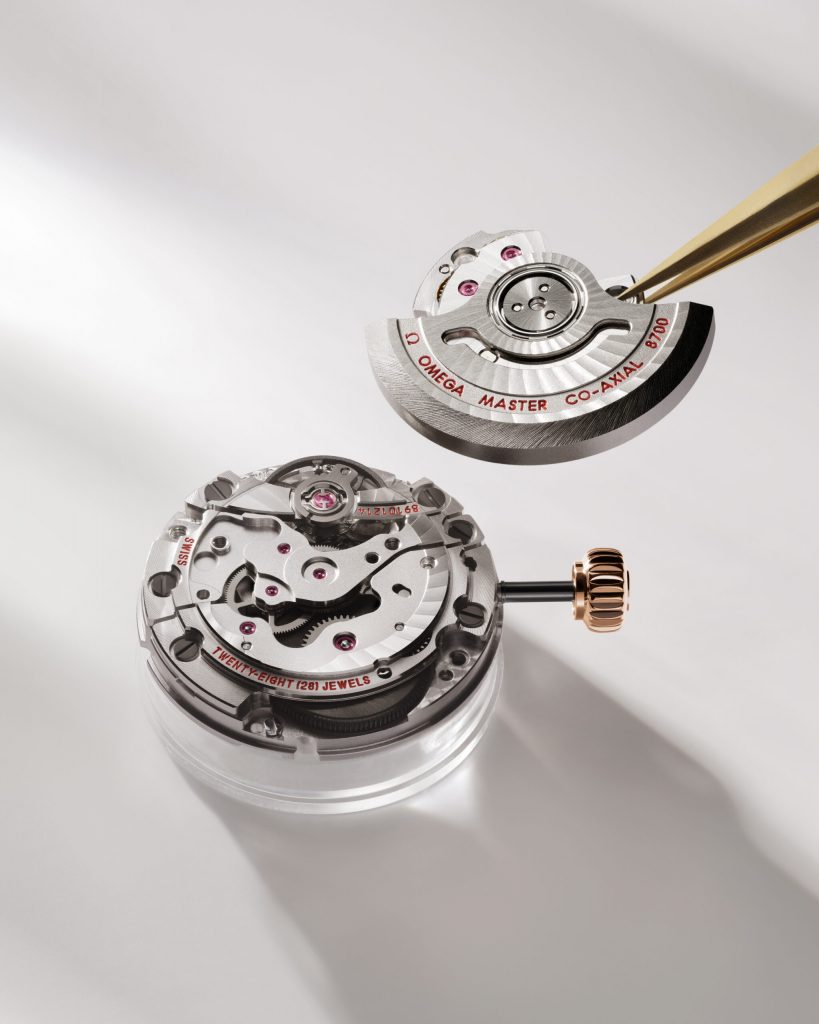
If there is one man responsible for shaking the escapement world awake, it was George Daniels. His Co-Axial escapement, brought to life on a large scale by Omega, tackled the problem of friction head on. Instead of allowing components to slide against one another, it delivers energy through a more efficient radial impulse system. The result is less wear, less dependence on lubrication and greater long-term stability. In watchmaking terms, it was the equivalent of introducing fuel injection to an industry still obsessed with carburettors.
The Rolex Dynapulse Escapement
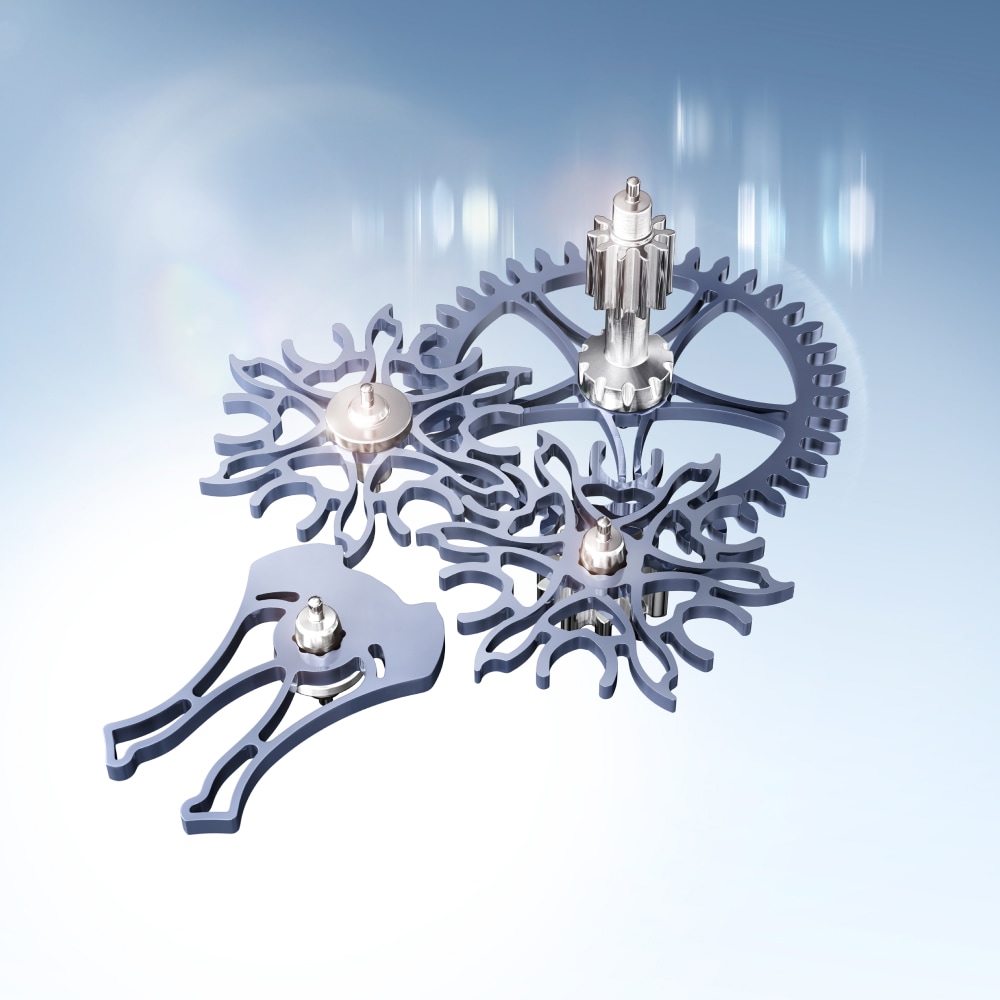
For decades, Rolex built its reputation on refining proven ideas rather than reinventing them. Which is precisely why the Dynapulse escapement is such a significant development. Using a sophisticated dual-impulse architecture and advanced silicon components, Dynapulse improves energy transmission while reducing the inefficiencies associated with traditional lever systems. It is not flashy. It is not designed to shout. It simply makes the movement work better. Which, frankly, is the most Rolex thing imaginable.
Grand Seiko’s Dual Impulse Escapement
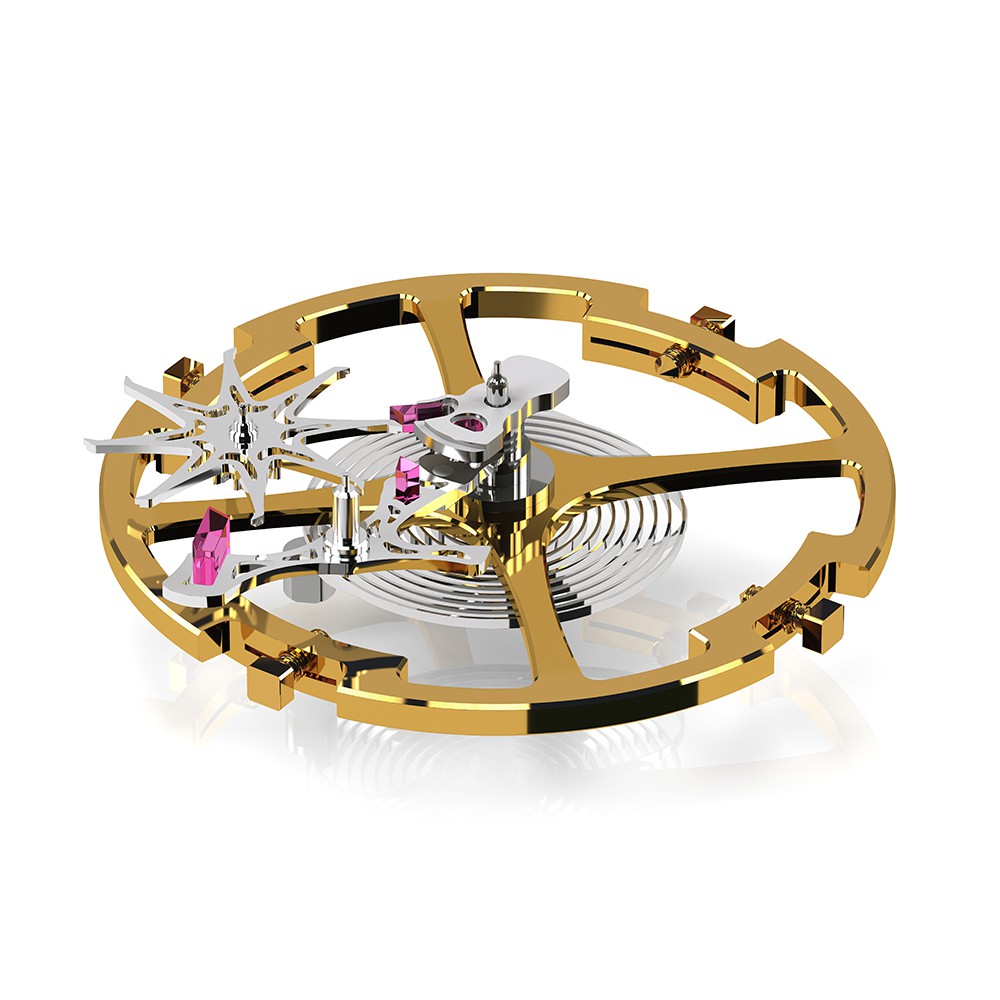
Leave it to Grand Seiko to find a solution that is both highly technical and beautifully elegant. The Dual Impulse Escapement combines direct and indirect energy delivery to the balance wheel, improving efficiency while supporting a faster beat rate and extended power reserve. It is the sort of engineering that makes you realise why Japanese watchmakers have earned such respect. Quietly, methodically and without unnecessary fanfare, they have built one of the most sophisticated escapement systems in modern watchmaking.
The Ulysse Nardin Dual Direct Escapement
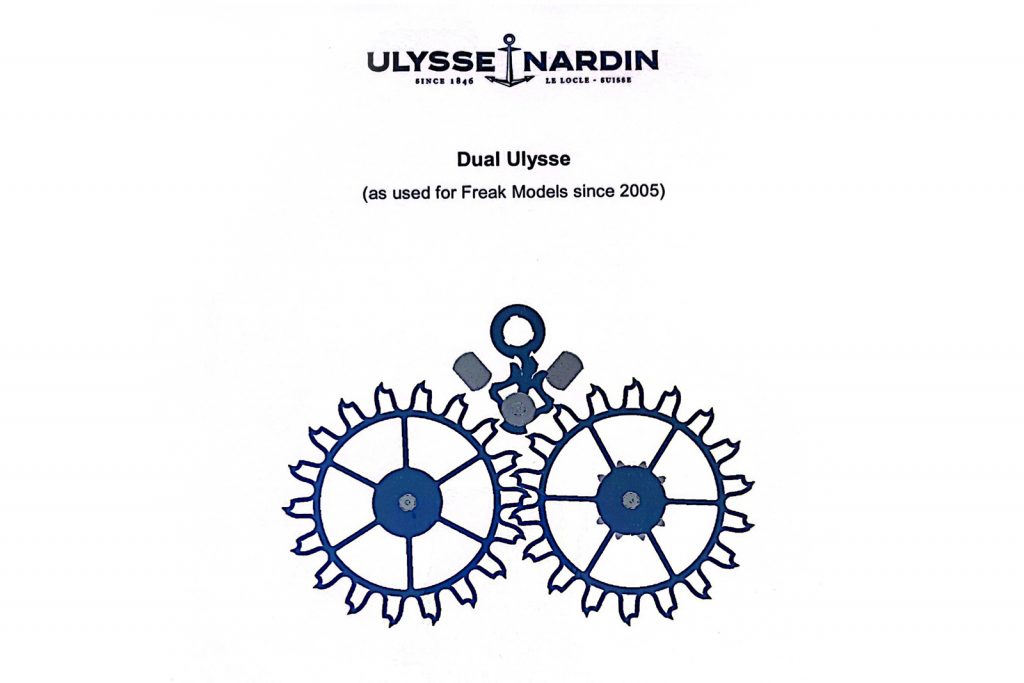
Long before escapement innovation became fashionable again, Ulysse Nardin was already experimenting with entirely new ways of regulating time. Developed alongside Ludwig Oechslin, the Dual Direct Escapement sends energy directly from twin escape wheels to the balance wheel, bypassing much of the friction that plagues traditional systems. It is wonderfully unconventional, brilliantly efficient and exactly the sort of mechanical madness that reminds you why haute horlogerie remains endlessly fascinating.
The Future Of The Tick
What makes these developments so remarkable is that none of these brands are trying to replace the mechanical watch. They are trying to perfect it. The Swiss lever escapement remains an extraordinary invention, but the arrival of silicon, advanced manufacturing and fresh engineering ideas has encouraged watchmakers to challenge assumptions that have stood for generations. For the first time in decades, the most important component inside a mechanical watch is evolving again. And that means the future of horology may be every bit as exciting as its past.