

There are watchmakers who seem to believe that the only way to make a complicated watch impressive is to make it look as though it could double as a doorstop. Then there is Piaget, which took the rather more difficult route of asking how much mechanical machinery could be squeezed into something astonishingly thin. Since its beginnings in La Côte aux Fées, the maison has built its identity around the pursuit of ultra thin watchmaking, combining engineering discipline with the sort of jewellery craftsmanship that makes you wonder whether you are looking at a watch or an exceptionally expensive piece of sculpture. Piaget’s genius lies in making extreme technical achievement look effortless.
Piaget’s fascination with thinness was not simply a matter of making watches smaller for the sake of it. The real challenge was preserving mechanical reliability, precision and functionality while reducing the dimensions of the movement. That meant rethinking the architecture of traditional calibres, reducing component thicknesses and finding ways to integrate elements more efficiently. The result was a style of watchmaking in which engineering becomes almost invisible. Much like a properly engineered sports car, the cleverest part is often the part you do not immediately notice.
The 9P Proved That A Mechanical Movement Did Not Need To Be Thick To Be Serious
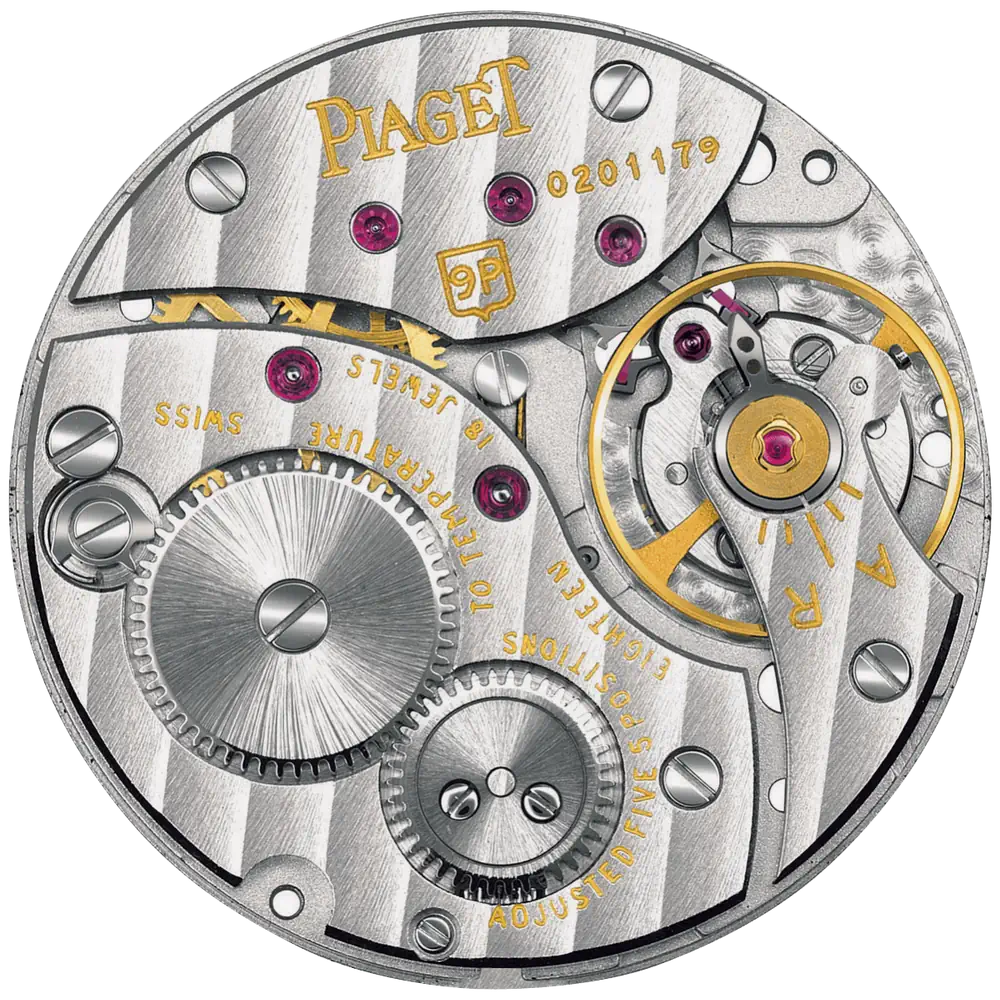
One of Piaget’s defining achievements came in 1957 with the hand wound 9P calibre. Measuring just 2mm thick, it demonstrated that a genuinely useful mechanical movement could be extraordinarily slim without abandoning traditional watchmaking principles. The movement helped establish Piaget’s reputation for ultra thin calibres and became one of the foundations upon which the maison built its technical identity. It was a deceptively simple answer to a rather complicated question: how do you make a mechanical watch thinner without making it feel like you have removed half the engine?
Also Read: Why IWC Is One Of The Most Respected Swiss Watchmakers
The 12P Added Automatic Winding To Piaget’s Thin Watchmaking Formula
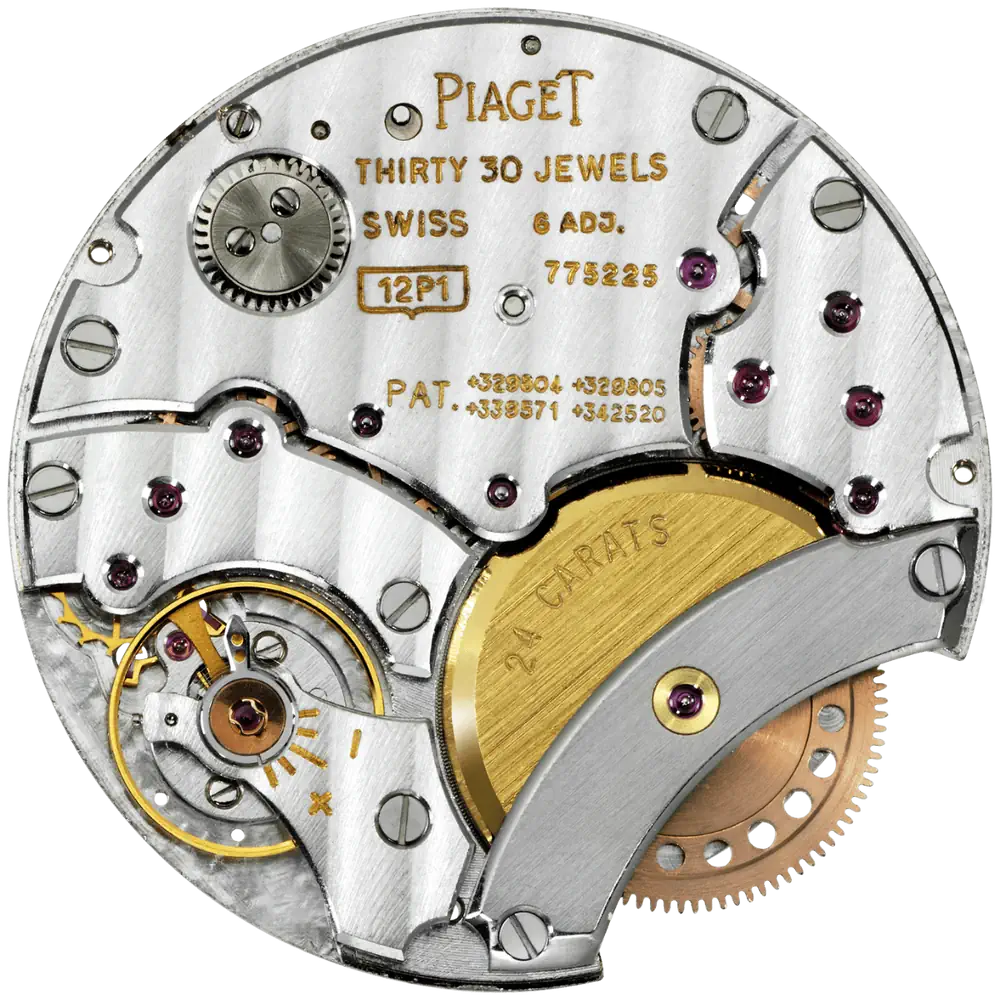
Three years later, Piaget pushed the idea even further with the 12P automatic calibre. At approximately 2.3mm thick, it became one of the thinnest automatic movements of its era. Its innovative micro rotor allowed the winding system to sit within the movement rather than adding significant thickness above it. This was an important piece of engineering because automatic watches traditionally require additional space for a conventional central rotor. Piaget essentially decided that the rotor could be made smaller, tucked away and told to stop taking up so much room.
What separated Piaget from many other manufacturers was the way it transformed ultra thin engineering into an unmistakable aesthetic. The slim movements allowed the cases to become remarkably elegant, while the watches themselves became natural companions to Piaget’s jewellery expertise. Thinness created space for creativity rather than restricting it. Gold cases, colourful stones, hard stone dials, gem setting and unconventional proportions became part of the maison’s visual vocabulary. The result was a watch that could be mechanically serious without looking remotely like an engineering textbook.
Also Read: How Different Countries Design Luxury Watches: A Global Style Guide
Hard Stones And Gemstones Turned Piaget Watches Into Wearable Art
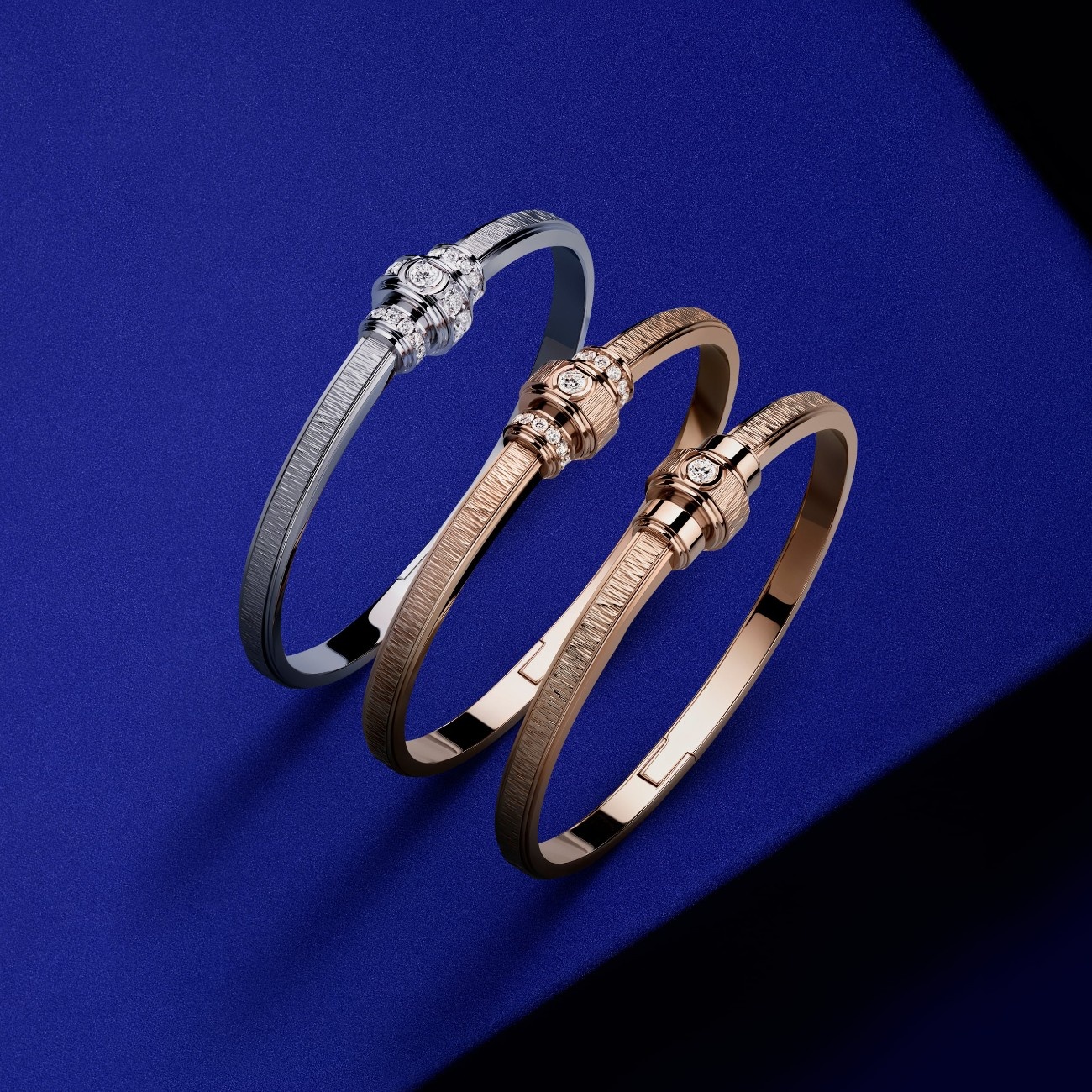
Piaget’s relationship with decorative stones became another defining part of its identity, particularly during the 1960s and 1970s. Lapis lazuli, jade, tiger’s eye, onyx and other ornamental stones were transformed into extraordinarily thin dials, each carrying its own natural variations. Because these materials cannot simply be produced to identical specifications, every dial possesses a degree of individuality. Piaget’s craftsmen had to work with the imperfections, colours and patterns of each stone rather than simply manufacturing around them. It was the horological equivalent of being handed a difficult road and deciding it would make the driving more interesting.
The Altiplano Turned Extreme Thinness Into An Icon
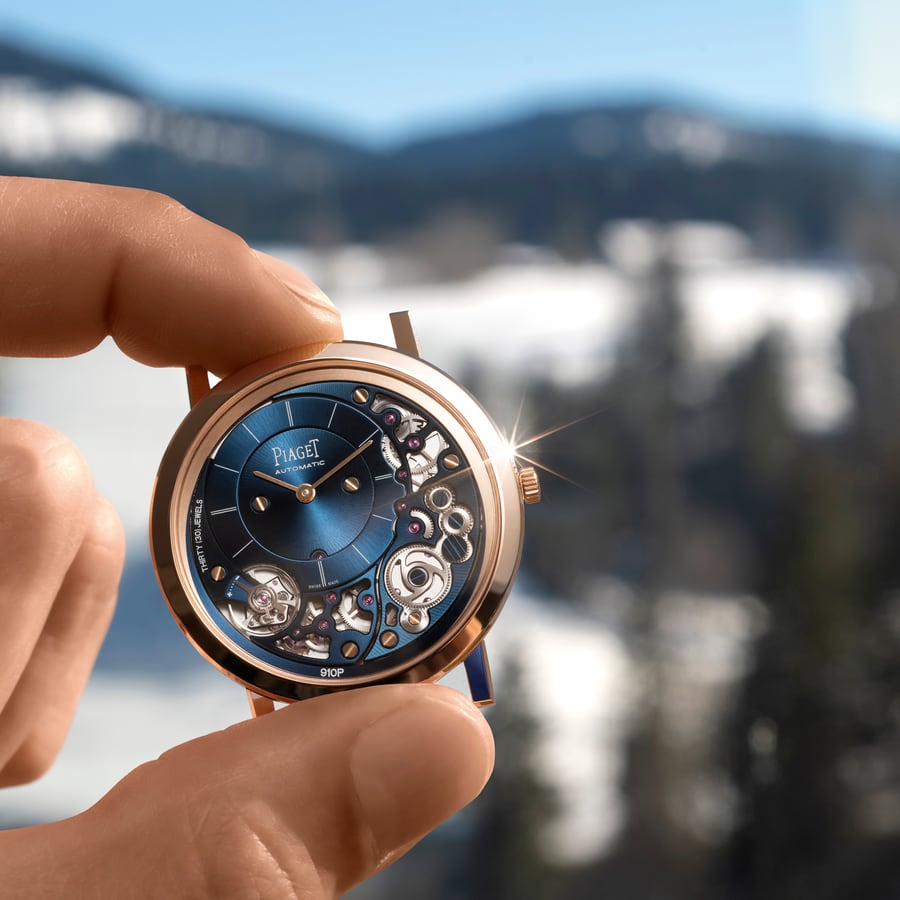
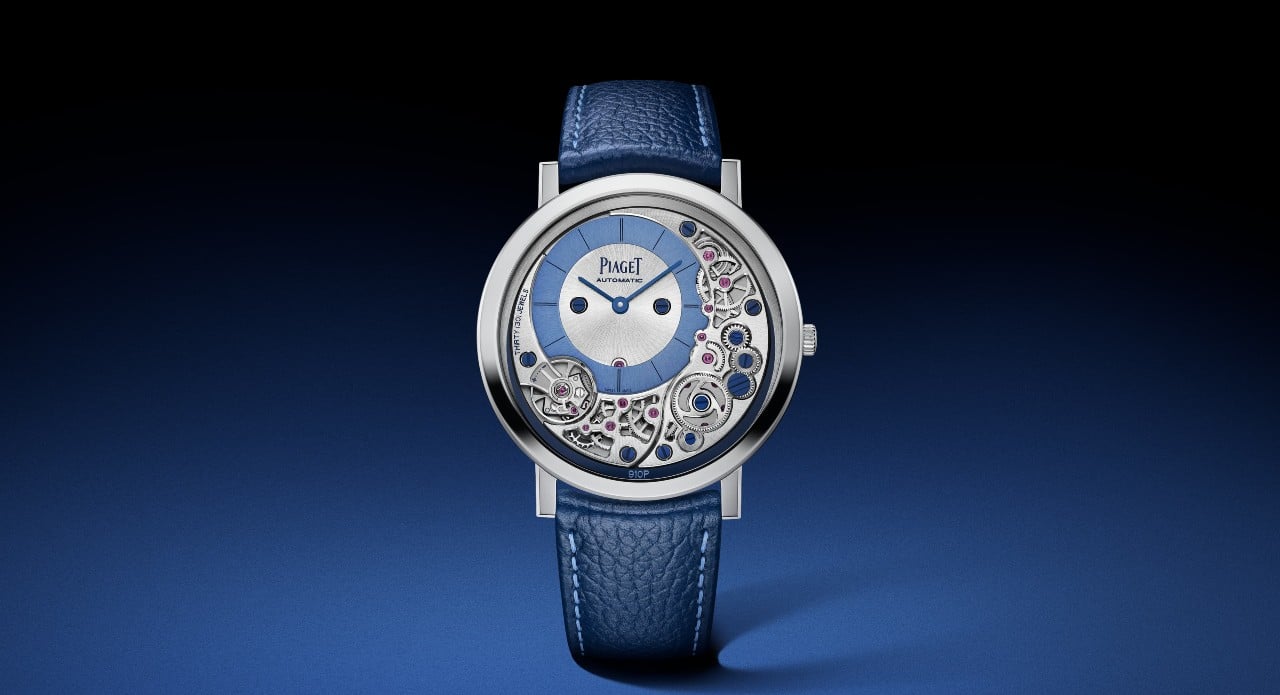
The Altiplano became the clearest expression of Piaget’s ultra thin philosophy. Its restrained design placed the emphasis on proportion, elegance and the remarkable engineering hidden beneath the dial. Rather than filling the watch with visual noise, Piaget allowed the slim profile to become the defining feature. It is a watch that demonstrates a peculiar luxury principle: sometimes the most impressive thing you can do is make something disappear.
Of course, once a watchmaker becomes obsessed with thinness, there is only one possible destination: making something so thin that engineers begin looking nervous. Piaget’s later ultra thin movements pushed the concept considerably further, including the hand wound 900P, which integrated the movement and case architecture in an exceptionally compact construction.
The Altiplano Ultimate series subsequently demonstrated just how far the maison was prepared to take the idea, reducing the overall thickness of the watch to extraordinary levels while retaining mechanical functionality. This is where Piaget’s philosophy becomes particularly interesting. Thinness is no longer simply a specification. It becomes an exercise in architecture, with every component fighting for its allotted fraction of a millimetre.
Craftsmanship Keeps The Engineering From Becoming Merely Clever
For all the technical achievement, Piaget’s legacy would feel rather sterile if it stopped at engineering. The maison’s expertise in finishing, engraving, gem setting and decorative arts gives its watches another dimension. Bridges and components can be meticulously finished, cases can be sculpted from precious metals and dials can be transformed using techniques more commonly associated with high jewellery than conventional watchmaking. This combination of mechanical ingenuity and decorative craftsmanship is what makes Piaget unusual. It can appeal equally to someone fascinated by calibre architecture and someone who simply wants to admire a beautifully made object.
Piaget’s Greatest Innovation May Be Making Engineering Look Effortless
The history of Piaget is therefore not simply a story about making thin watches. It is about creating a particular philosophy of luxury in which engineering, design and craftsmanship are expected to coexist without one overwhelming the others. The 9P established the foundation. The 12P demonstrated that automatic winding could be made remarkably thin. The Altiplano turned the concept into an enduring design icon, while increasingly ambitious ultra thin calibres pushed the technical boundaries even further. And that may be Piaget’s greatest trick. A thick movement can advertise its complexity simply by occupying space. A thin movement has nowhere to hide. It has to be brilliant.