

Most people see an IWC and immediately think of pilots, cockpits and men who look suspiciously comfortable around aeroplanes. But beneath all that aviation glamour is a rather serious engineering obsession. IWC has never been particularly interested in inventing a solution to a problem that doesn’t exist. Instead, it has spent decades tackling the things that actually make mechanical watches difficult: keeping a movement wound efficiently, protecting it from magnetic fields, surviving increasingly hostile environments and finding materials that can take punishment without turning the watch into a small brick. From the Pellaton winding system to soft iron inner cases, ceramic and titanium, IWC’s history is essentially a list of problems followed by the wonderfully Germanic response: fine, we’ll fix it.
Pellaton Turned Winding Into An Engineering Exercise
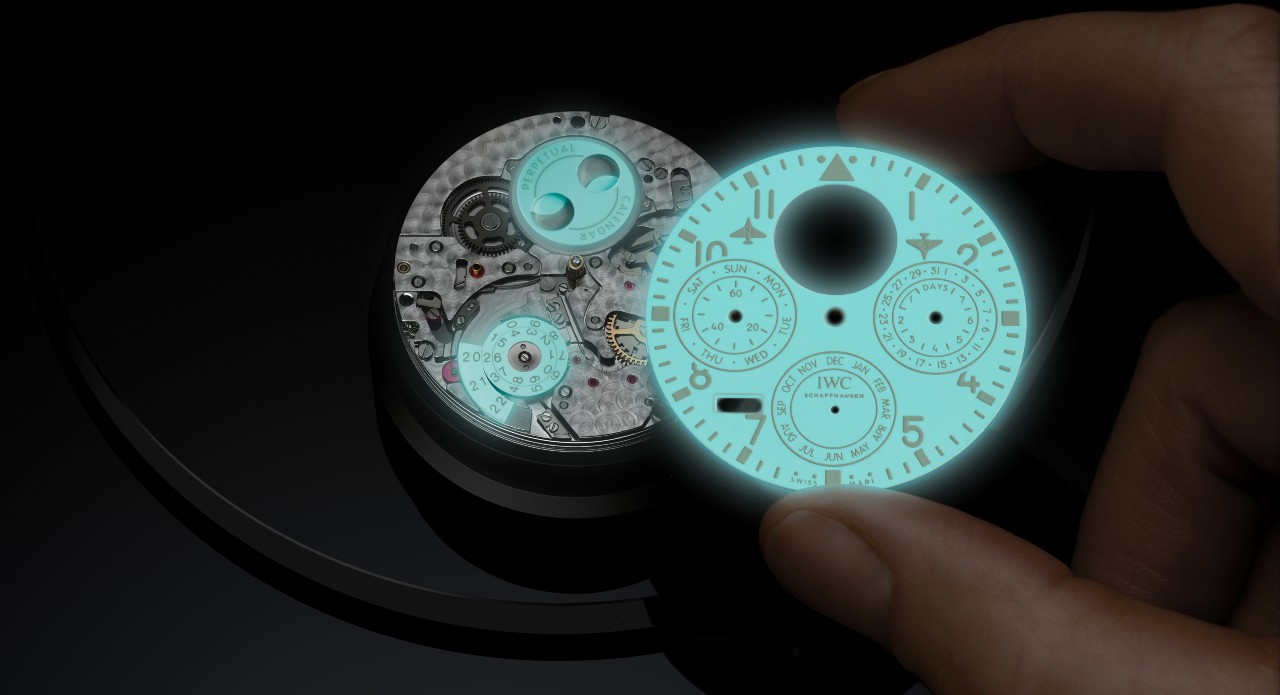
The Pellaton winding system became one of IWC’s most important mechanical innovations, offering an ingenious approach to automatic winding that prioritised efficiency and durability. Developed by Albert Pellaton, IWC’s technical director, the system uses a pawl based arrangement to transfer the motion of the rotor into winding energy. Rather than relying on a conventional sliding system alone, the Pellaton mechanism uses ceramic components in its modern execution to reduce friction and wear. It is a wonderful example of IWC’s philosophy. No fireworks. No unnecessary drama. Just a clever mechanical solution quietly doing its job thousands of times a day.
Also Read: IWC Pilot’s Watch Chronograph Laureus Edition: A Limited-Edition Timepiece Collectors Can’t Miss
The Soft Iron Inner Case Fought Magnetism Before It Became Fashionable
Magnetism is one of the great enemies of mechanical watches because strong magnetic fields can interfere with the hairspring and other components responsible for accurate timekeeping. IWC addressed this problem with soft iron inner cases, creating a protective cage around the movement that helps shield it from magnetic fields. The technology became particularly important for watches designed for pilots and professionals working around aircraft instrumentation. It is not particularly glamorous. You cannot see it when you look at the dial. But that is precisely the point. The best engineering often works in silence.
IWC Made Ceramic A Serious Watchmaking Material
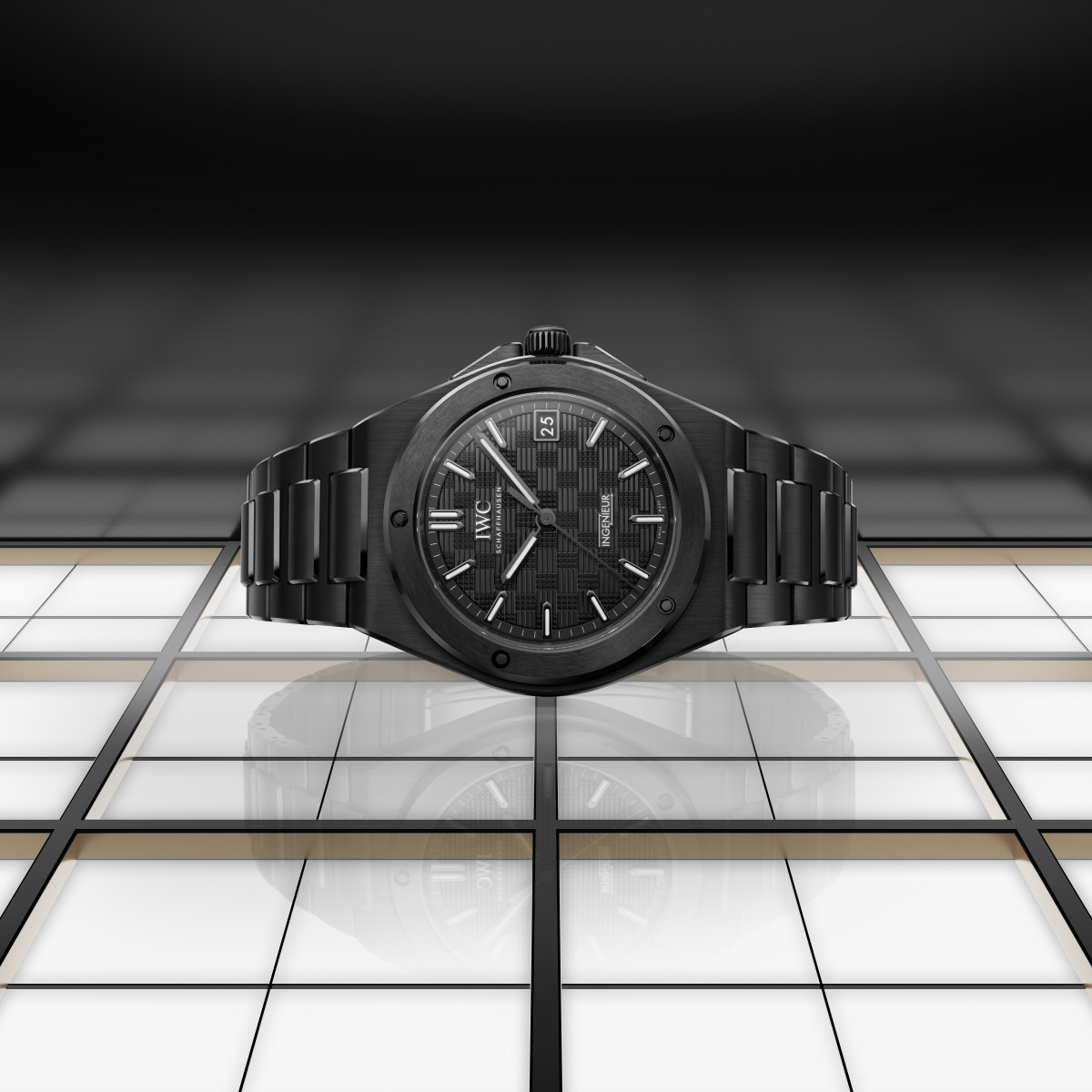
Ceramic may now be everywhere in modern watchmaking, but IWC was among the early pioneers to explore its potential for watch cases. The attraction was obvious. Ceramic is lightweight, extremely hard and highly resistant to scratches and corrosion. The challenge was turning an exceptionally hard material into a precisely shaped watch case without losing the tolerances required for fine watchmaking. IWC’s experiments helped establish ceramic as more than an exotic material. It became a genuine engineering solution for watches expected to survive considerably more abuse than a desk and a boardroom.
Also Read: Inside IWC’s Portugieser Chronograph Ceratanium: Features, Design And Performance
Titanium Arrived At IWC In The 1980s
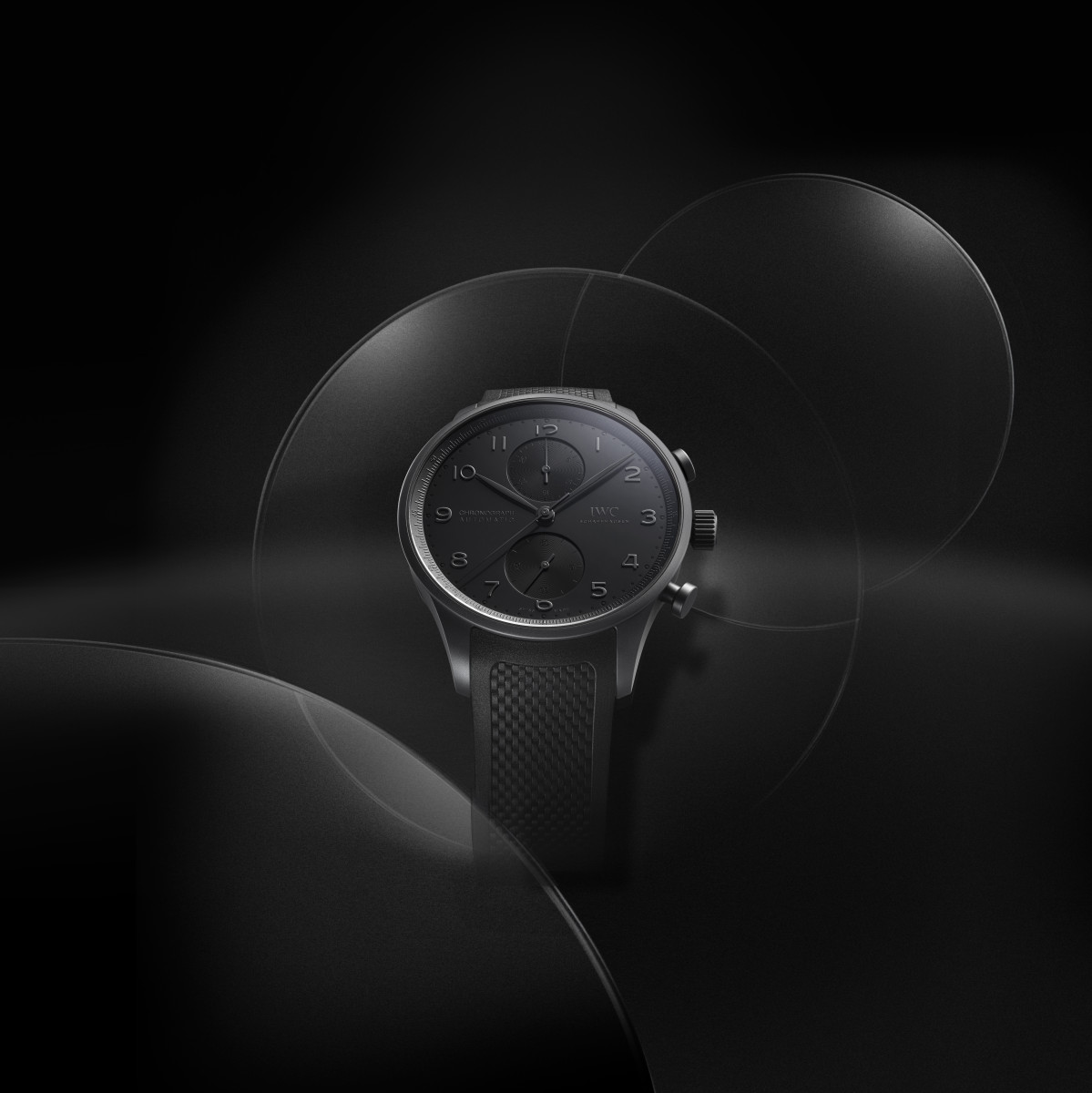
Long before titanium became a familiar name in high performance watches, IWC was experimenting with it during the 1980s. The material offered an appealing combination of low weight, strength and corrosion resistance, making it particularly suited to watches designed around technical performance. Working with titanium was far from straightforward, however. Its machining characteristics presented challenges that conventional watchmaking materials simply did not. IWC’s early adoption demonstrated something important about the brand. It was willing to work with difficult materials if they offered a genuine advantage. And that is rather like fitting a titanium chassis to a sports car. You do it because you want less weight and more performance, not because someone told you titanium was fashionable this season.
The Engineering Is The Real IWC Legacy
The fascinating thing about these innovations is that none exists simply for the sake of novelty. Pellaton addressed winding efficiency. Soft iron protected movements against magnetism. Ceramic introduced exceptional hardness and durability. Titanium brought strength without unnecessary weight. Together, they reveal the thinking that has shaped IWC for decades. The brand’s reputation may have been built around pilot watches, but its real legacy lies deeper inside the case. Because while anyone can make a watch that looks like it belongs in a cockpit, building one that can actually survive the cockpit is rather more impressive.