

A naturally aspirated engine does exactly what its name suggests. It draws air into the cylinders using the natural pressure difference created as the pistons move down the bores. There is no turbocharger, no compressor and no exhaust driven machinery attempting to turn the engine into a respiratory patient. The result is wonderfully predictable: press the accelerator and the engine responds immediately because there is no boost waiting to arrive. This is why naturally aspirated engines remain beloved by enthusiasts.
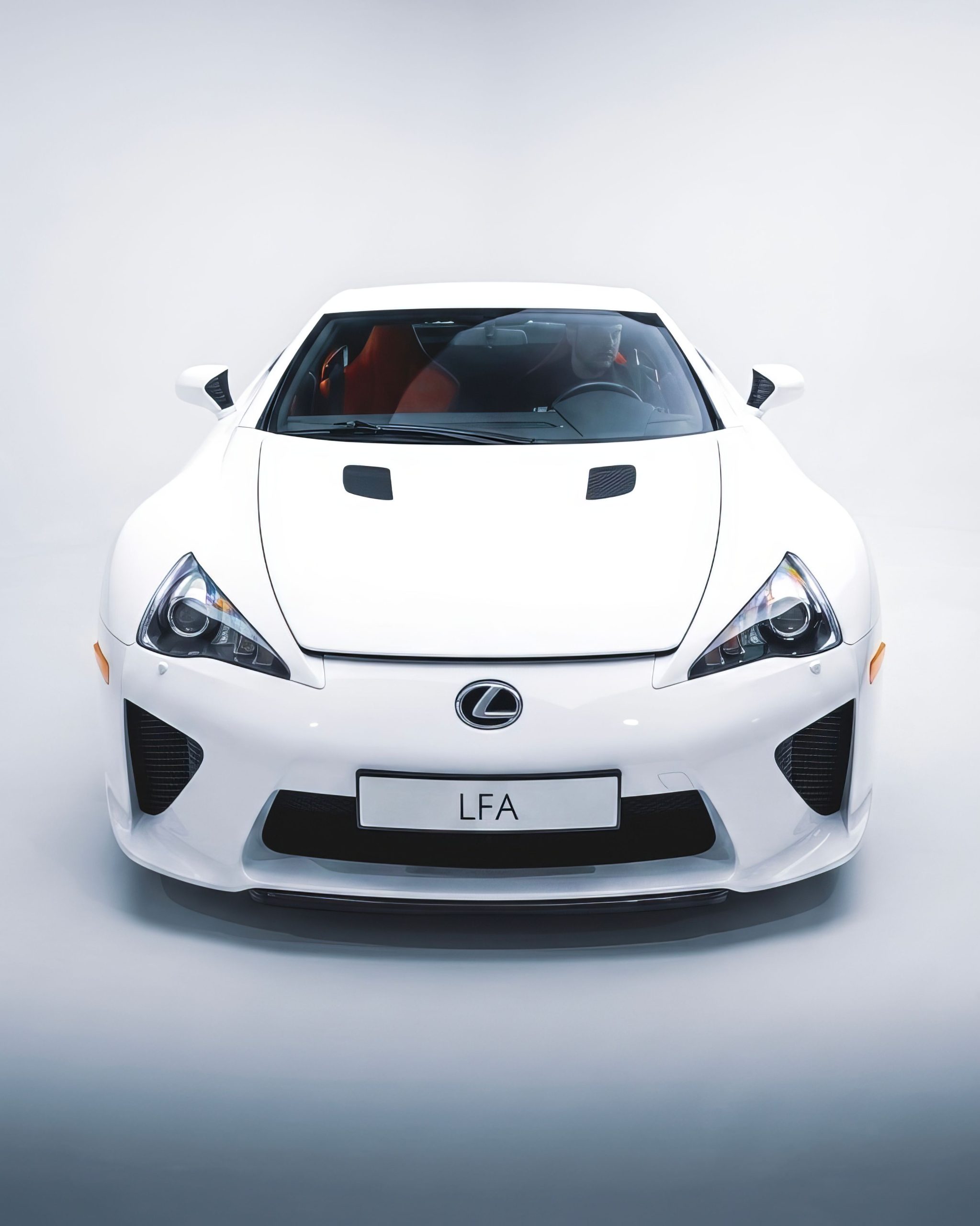
The throttle response feels direct, the power delivery is generally linear and the engine becomes increasingly frantic as the revs climb. Think Ferrari V12 or Porsche GT3, where the engine would rather scream its way to the redline than have someone strap a blower to it. The downside is equally straightforward. Without forced induction, there is a natural limit to how much air and fuel can enter the cylinders. You can increase displacement, raise compression or make the engine rev harder, but eventually physics arrives with a clipboard.
Also Read: 6 Automotive Museums Every Collector Should Visit
A Single Turbo Is Essentially An Engine With A Very Clever Lung
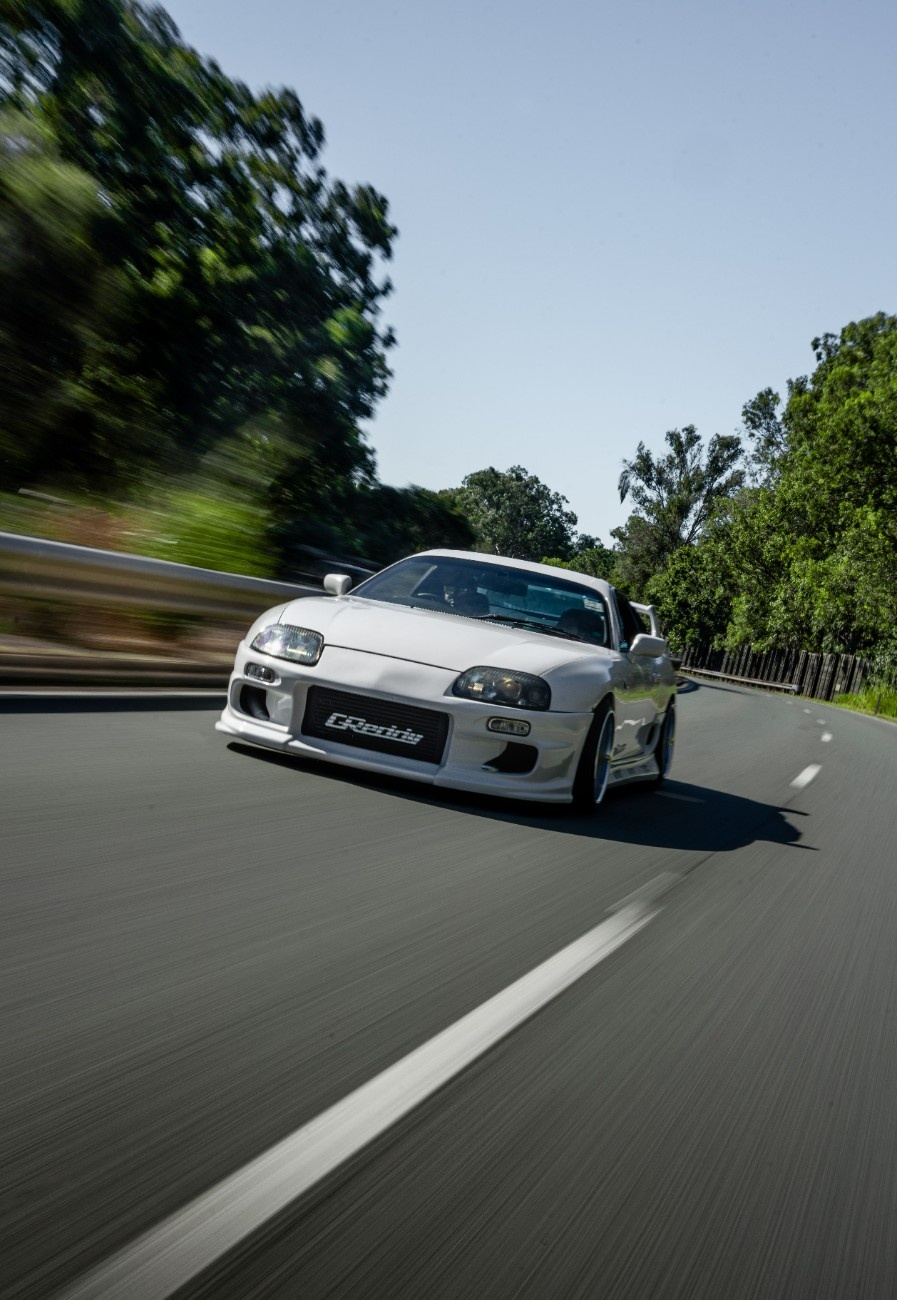
A turbocharger recycles energy that would otherwise disappear through the exhaust. Exhaust gases spin a turbine, which is connected to a compressor, and that compressor forces additional air into the engine. More air allows more fuel to be burned, and more fuel means more power. It is gloriously simple in principle, although the turbo needs exhaust energy to get moving. At low engine speeds there may not be enough of it, creating the infamous sensation known as turbo lag. You press the throttle, wait, wonder whether you have accidentally selected reverse and then, suddenly, the car remembers what it is supposed to be doing. Modern turbocharged engines have become remarkably good at reducing this delay through smaller turbochargers, variable geometry, sophisticated engine management and electric assistance.
The reward is enormous, allowing a relatively small engine to produce the power of something considerably larger while retaining better efficiency under many driving conditions. This is why modern performance cars have become slightly ridiculous. A turbocharged four cylinder can now produce figures that once required a V8 and a serious conversation with your bank manager.
Also Read: BYD Eyes India’s Premium EV Market With Denza Luxury Brand Launch
Twin Turbos Simply Decide That One Is Not Enough

Twin turbocharging takes the same basic principle and adds another turbocharger, with several configurations available depending on the engine and its intended character. In some applications, each turbo serves a separate bank of cylinders, particularly on V6 and V8 engines. In others, smaller and larger turbochargers work together at different engine speeds. The objective is generally the same: improve the compromise between low speed response and high speed power. A smaller turbo can spool relatively quickly, while a larger unit can provide the airflow required when the engine is working considerably harder.
Alternatively, two similarly sized turbochargers can divide the workload between cylinder banks. The result can be an engine that delivers a formidable combination of torque, responsiveness and outright performance. It is, essentially, the automotive equivalent of arriving at a gunfight with two briefcases instead of one.
Choosing Between Them Comes Down To Character, Efficiency And Sheer Firepower
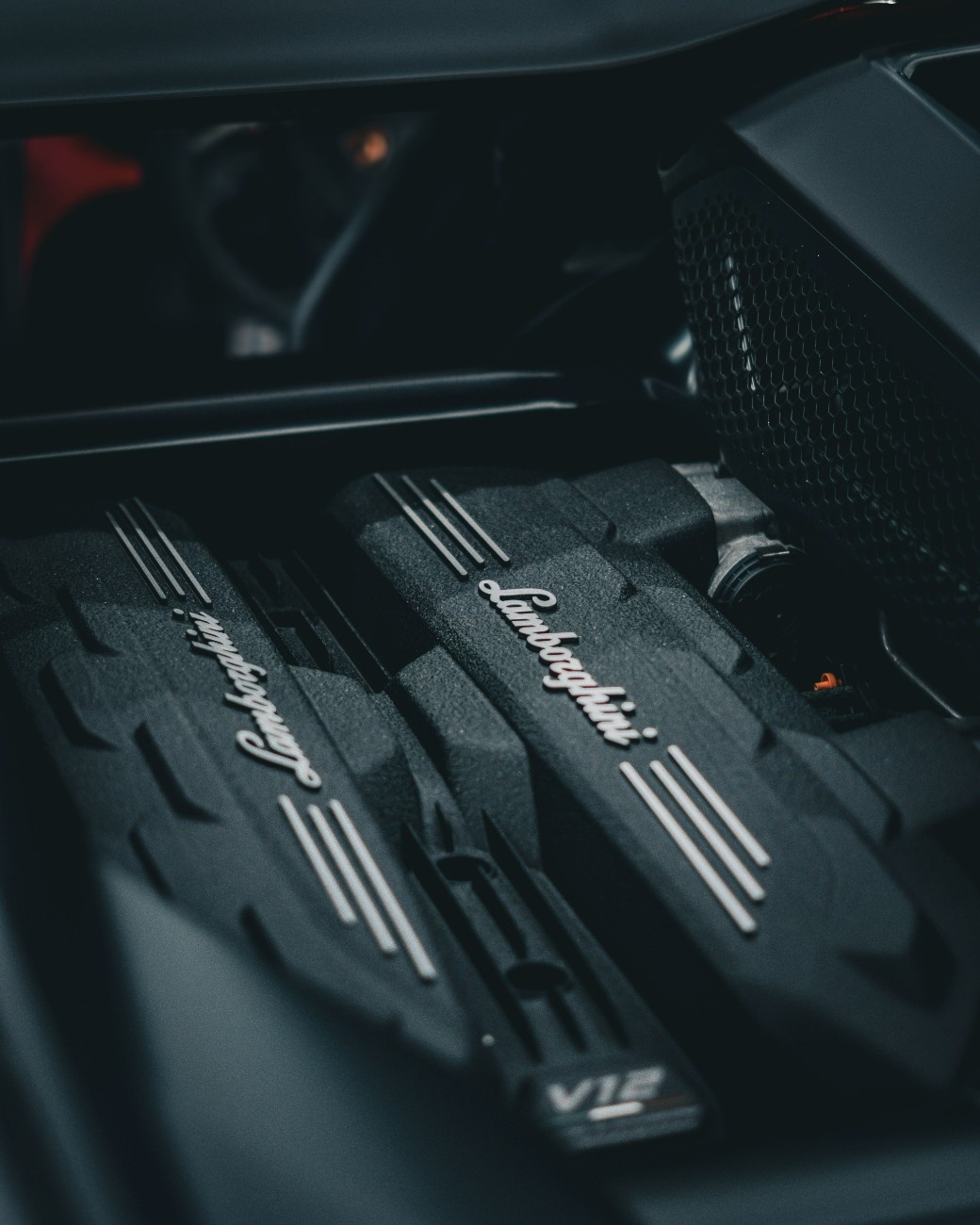
There is no universal winner because each system has its own strengths. A naturally aspirated engine offers immediate response, linear power delivery and a wonderfully mechanical character. A single turbo offers an excellent combination of compactness, efficiency and serious power, while a twin turbo setup can deliver enormous performance while improving the compromise between response and outright output. Then there is the question of sound. A modern turbocharged engine may annihilate an older naturally aspirated engine on a stopwatch, but numbers are not everything. A screaming naturally aspirated V10 at 8,000rpm can make your spine vibrate in a way that a spreadsheet simply cannot explain.
The basic engineering is remarkably straightforward. A naturally aspirated engine breathes naturally, a single turbocharger forces additional air into the engine, while a twin turbo setup uses two turbochargers to improve airflow, response and high output performance. But the real difference is philosophical. The naturally aspirated engine says, “I don’t need help.” The single turbo says, “I’ll make considerably more power with what I’ve got.” The twin turbo says, “Why stop there?” And frankly, that last attitude is probably why we have sports cars in the first place.