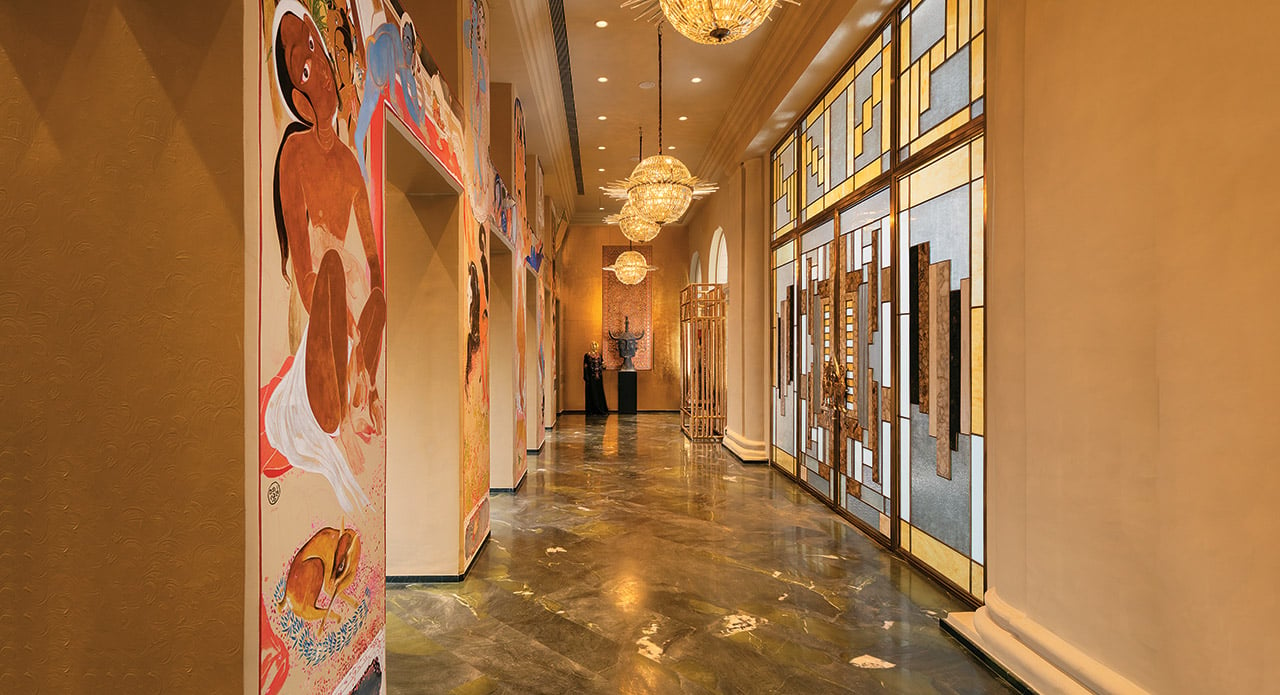


Luxury has a peculiar habit of becoming ordinary. Give the world enough time, enough technology and enough wealthy people demanding the same thing, and yesterday’s outrageous indulgence eventually turns up in houses that have absolutely no intention of being palaces. The private cinema becomes a home theatre, the walk in wardrobe becomes a standard expectation and suddenly everyone wants the sort of kitchen that looks as though it was designed for a Michelin chef. The same evolution is now happening with the smaller details of domestic life. Features that once signalled serious money are increasingly being absorbed into contemporary residential design, proving that luxury is less about owning something nobody else has and more about discovering what comes next.
Mudrooms Have Moved Beyond The Mansion
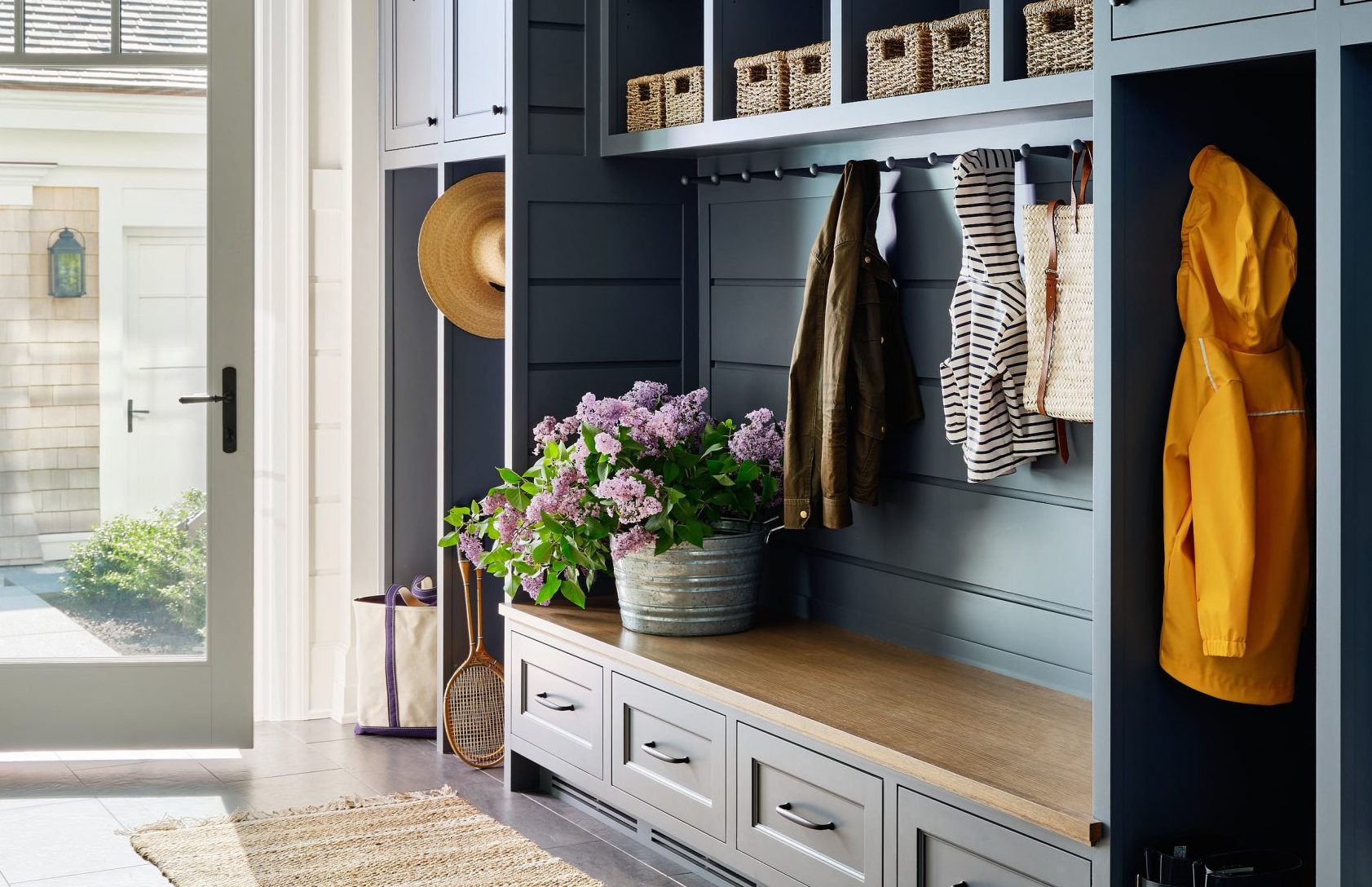
Once associated largely with sprawling American estates and enormous country homes, the mudroom has become an increasingly practical feature in contemporary residences. Designed as a transitional space between the outdoors and the main living areas, it provides dedicated storage for shoes, coats, bags, sports equipment and everyday clutter. In luxury residences, these spaces can be highly customised with built in cabinetry, seating, utility sinks and even climate controlled storage. What was once an indulgence of houses with enough room to waste is now increasingly regarded as simply good planning.
Also Read: Elevated Living: The Psychology of Double Height Spaces In Luxury Homes
Bidets Are No Longer A European Curiosity
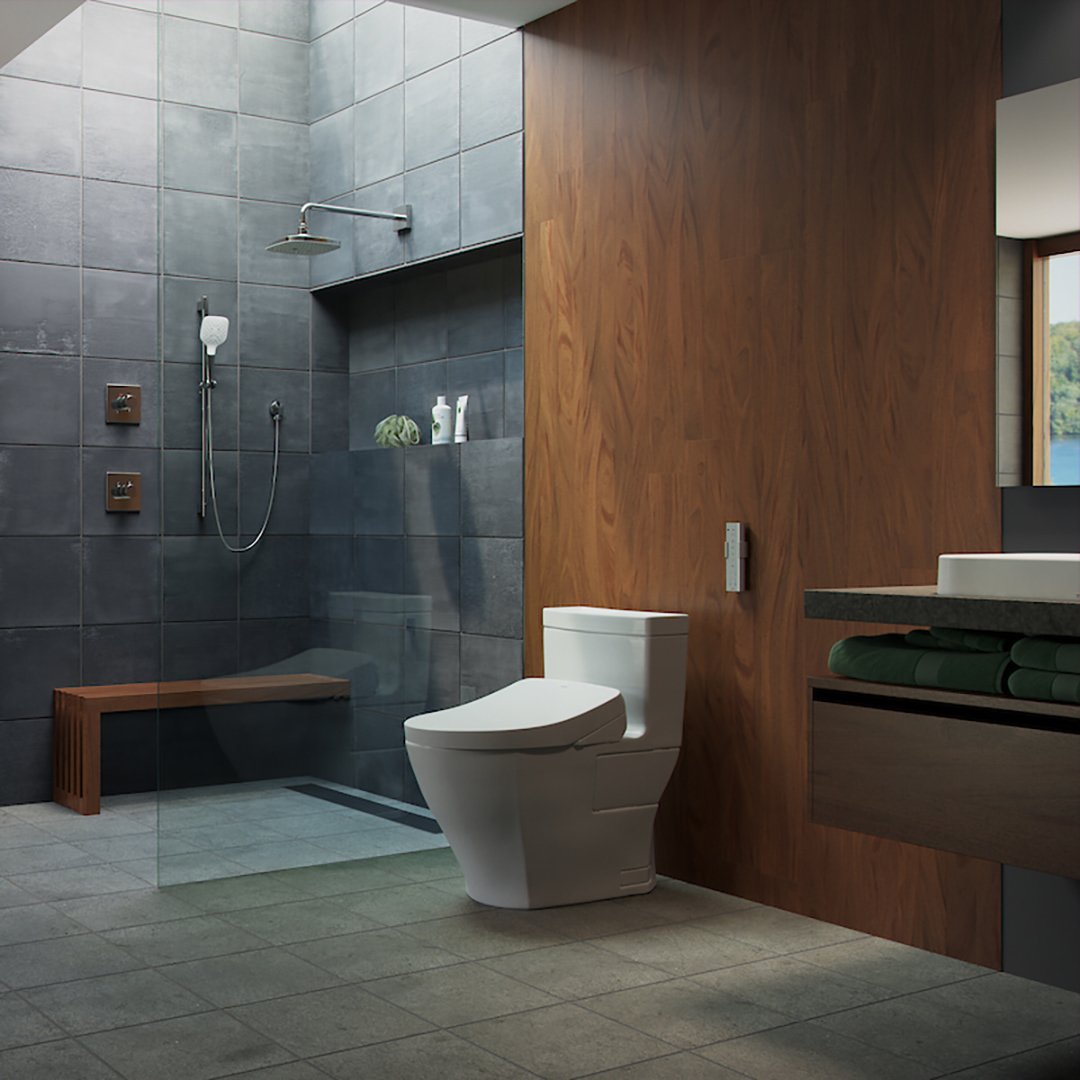
For years, the bidet was treated in many parts of the world as an eccentric European bathroom fixture. That perception has changed considerably. Modern bathrooms increasingly incorporate bidet functions through integrated toilets and intelligent washlet systems, bringing greater hygiene and convenience into the everyday bathroom. Heated seats, adjustable water temperature, air drying, odour control and touchless functions have transformed what was once a separate fixture into a sophisticated piece of bathroom technology. In other words, the bathroom has finally discovered electronics.
Integrated Appliances Have Disappeared Into The Kitchen
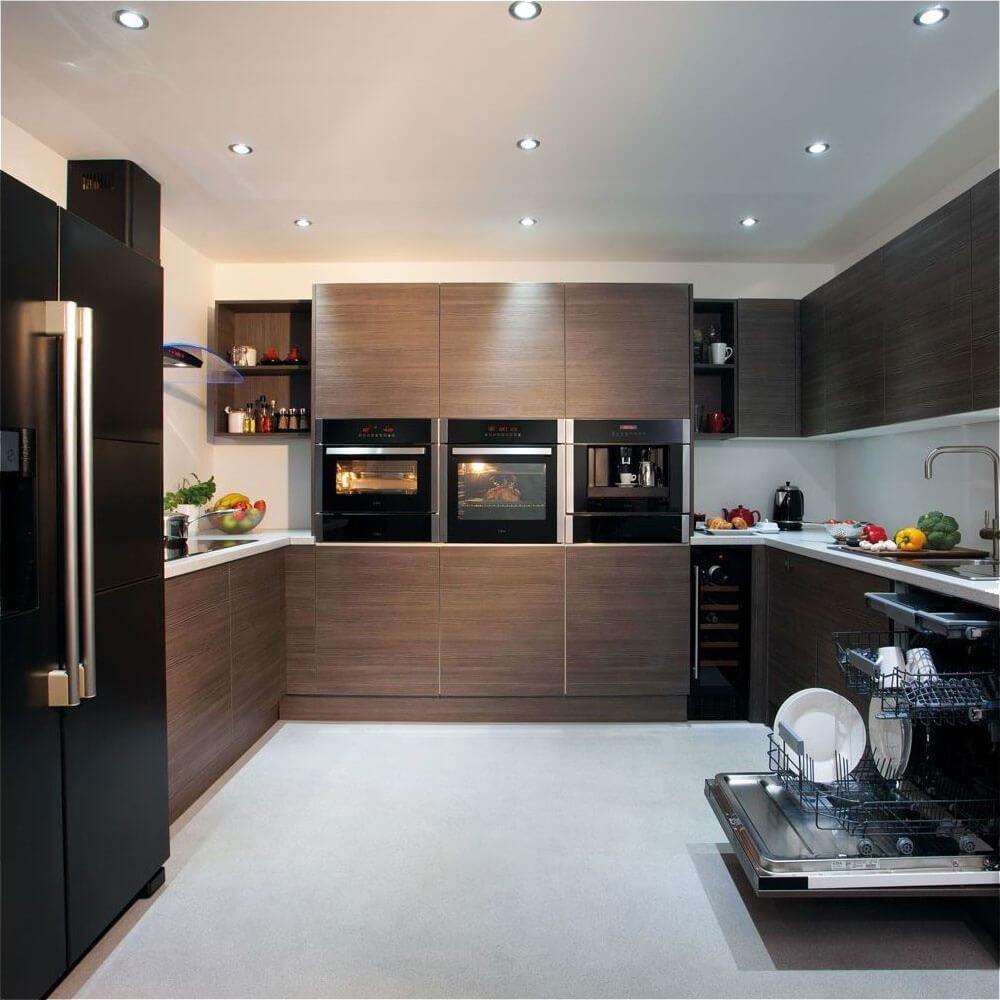
There was a time when hiding your refrigerator behind matching cabinetry was a rather extravagant way of saying you had money. Today, integrated appliances have become a defining feature of contemporary kitchen design. Refrigerators, dishwashers, wine coolers and even coffee machines can disappear behind cabinetry, creating a seamless architectural appearance. The appeal is obvious: instead of allowing appliances to dominate the room, the kitchen becomes a cohesive design statement. Luxury has effectively decided that the best appliance is one you cannot see.
Also Read: Quiet Luxury Decor: Create A Timeless and Elegant Living Space
Walk In Wardrobes Are Becoming Dressing Rooms
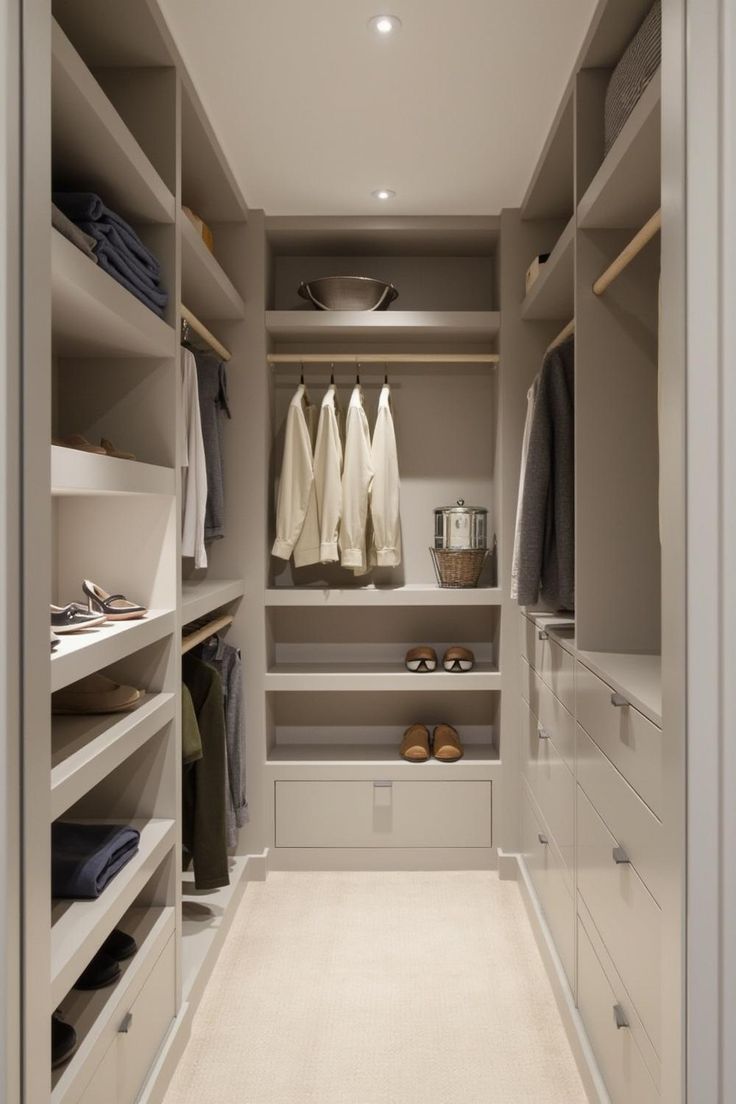
The walk in wardrobe was once the preserve of enormous homes and people with enough clothing to require their own postcode. Today, dedicated wardrobe spaces are increasingly common in premium apartments and contemporary houses. The modern version goes well beyond shelves and hanging rails, incorporating islands, lighting, mirrors, shoe storage, jewellery drawers and seating areas. At the upper end, these spaces are becoming private dressing rooms, complete with display cabinetry and dedicated climate control.
Home Offices Have Become Essential Spaces
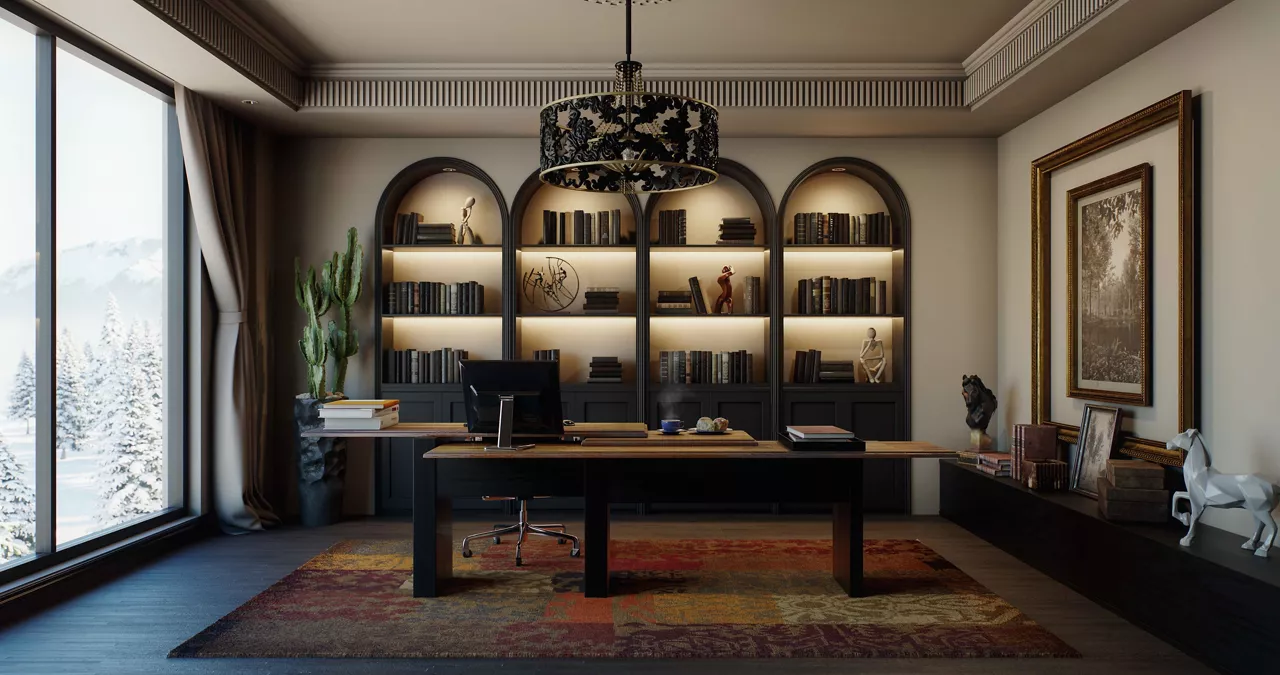
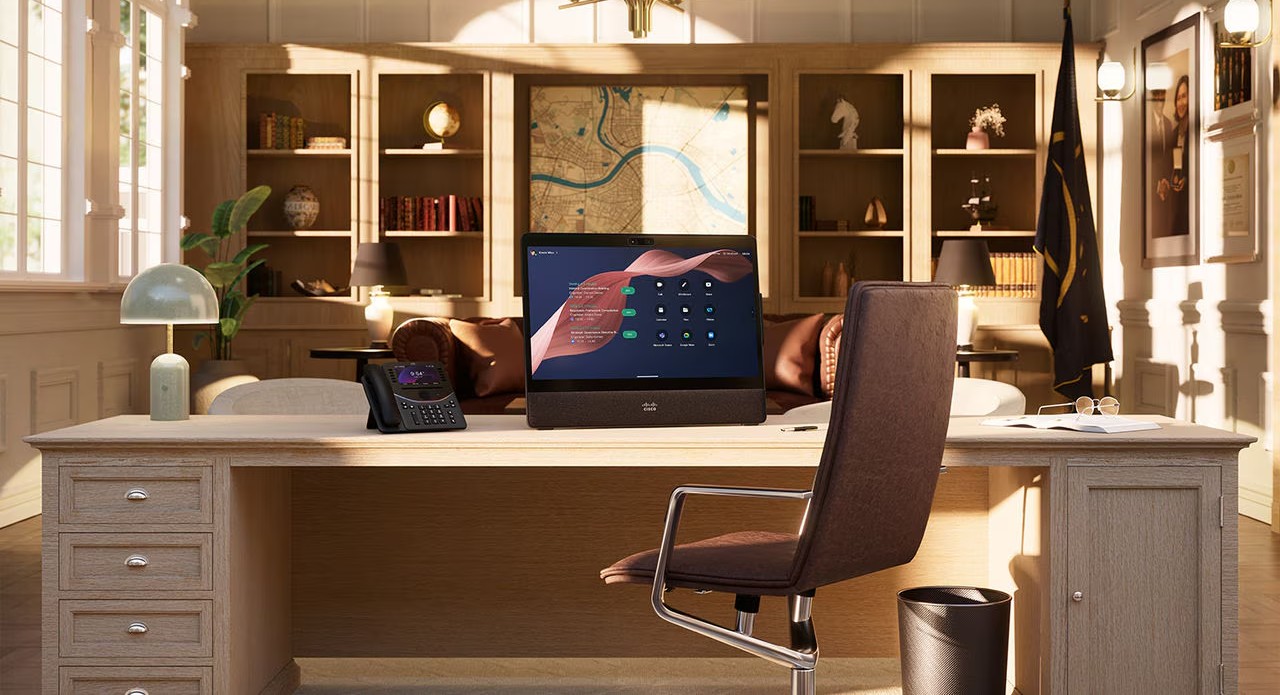
The home office was once a luxury reserved for executives, academics and people who enjoyed owning enormous desks. Then the modern workplace decided that commuting was optional. As a result, dedicated workspaces have become a significant feature of contemporary homes. Luxury residences now frequently incorporate acoustically treated offices, built in storage, ergonomic furniture, video conferencing systems and carefully designed lighting. The old study was about books and status. The new home office is about productivity without having to put on trousers and battle traffic.
Spa Style Bathrooms Are Moving Into Everyday Homes
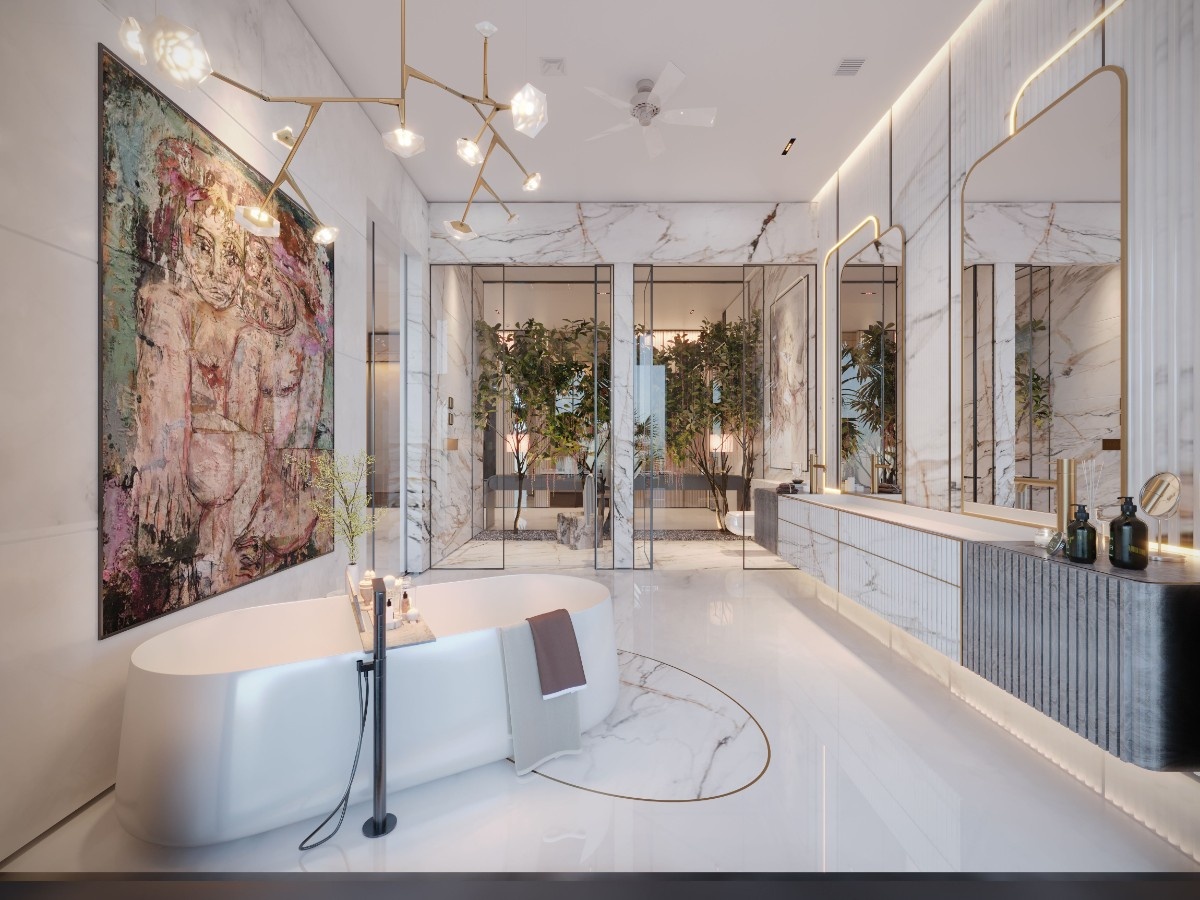
A bathroom containing a soaking tub, rainfall shower, double vanity and atmospheric lighting once felt like something found exclusively inside a five star hotel. Now it is increasingly becoming part of premium residential design. Larger showers, freestanding tubs, natural stone, underfloor heating, steam functions and ambient lighting are transforming bathrooms into personal wellness spaces. The emphasis has shifted from simply getting clean to creating an environment in which you can forget that the outside world exists.
Smart Home Technology Is No Longer A Billionaire’s Toy
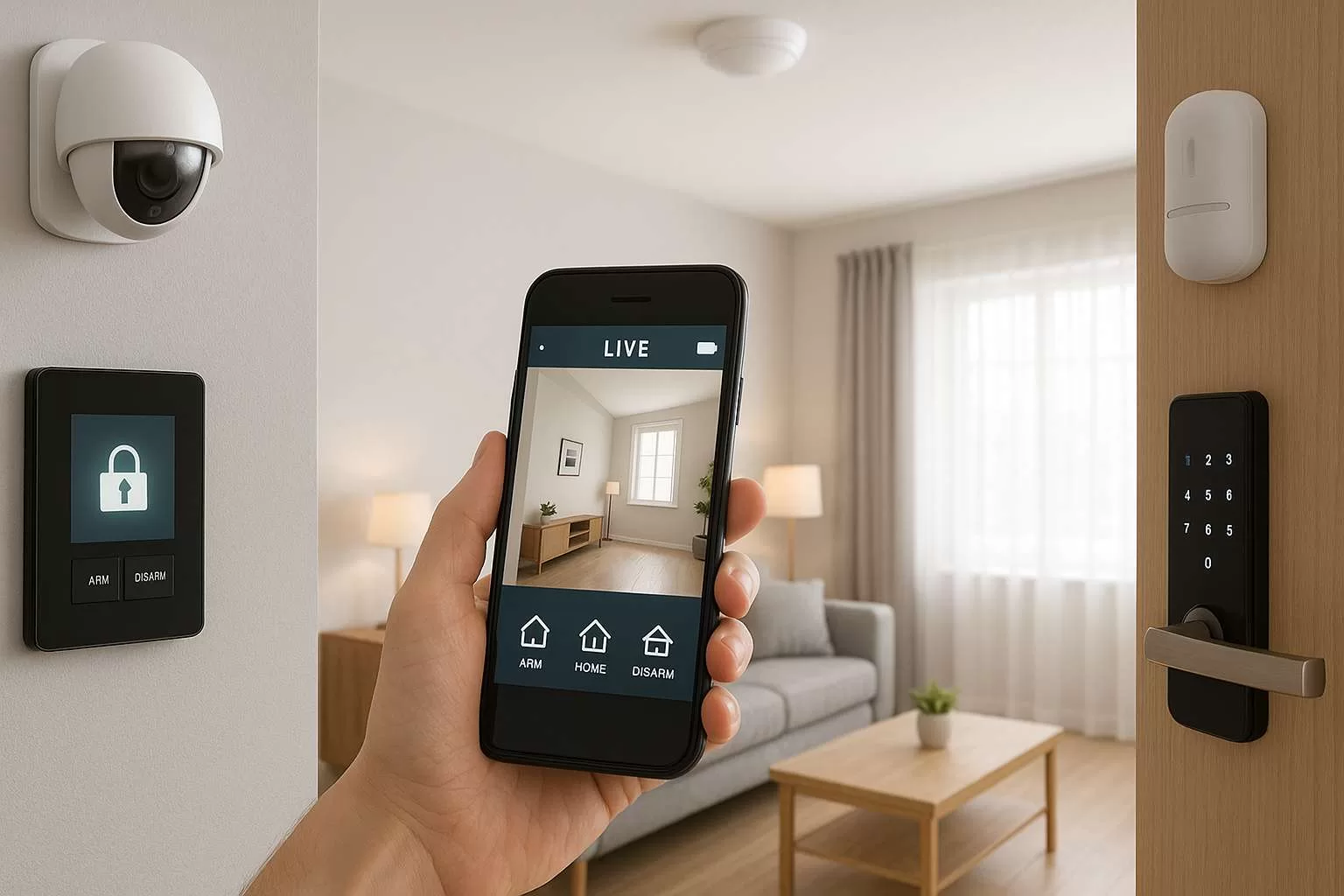
Perhaps the biggest democratisation of residential luxury has happened inside the walls. Automated lighting, motorised blinds, smart thermostats, security systems, multi room audio and connected appliances were once expensive novelties. Today, they are increasingly accessible across different levels of residential development. The modern luxury home is therefore less dependent on visible extravagance and more interested in what happens when you press a button. Lights dim, curtains close, temperatures change and security systems activate without anyone having to walk across the room.
The interesting thing about all seven features is that their transformation says something important about luxury itself. The most desirable homes are no longer necessarily the ones with the largest chandeliers or the most marble. Increasingly, they are the homes that remove friction from everyday life. And once a luxury feature becomes genuinely useful, the rest of the world tends to catch up rather quickly.