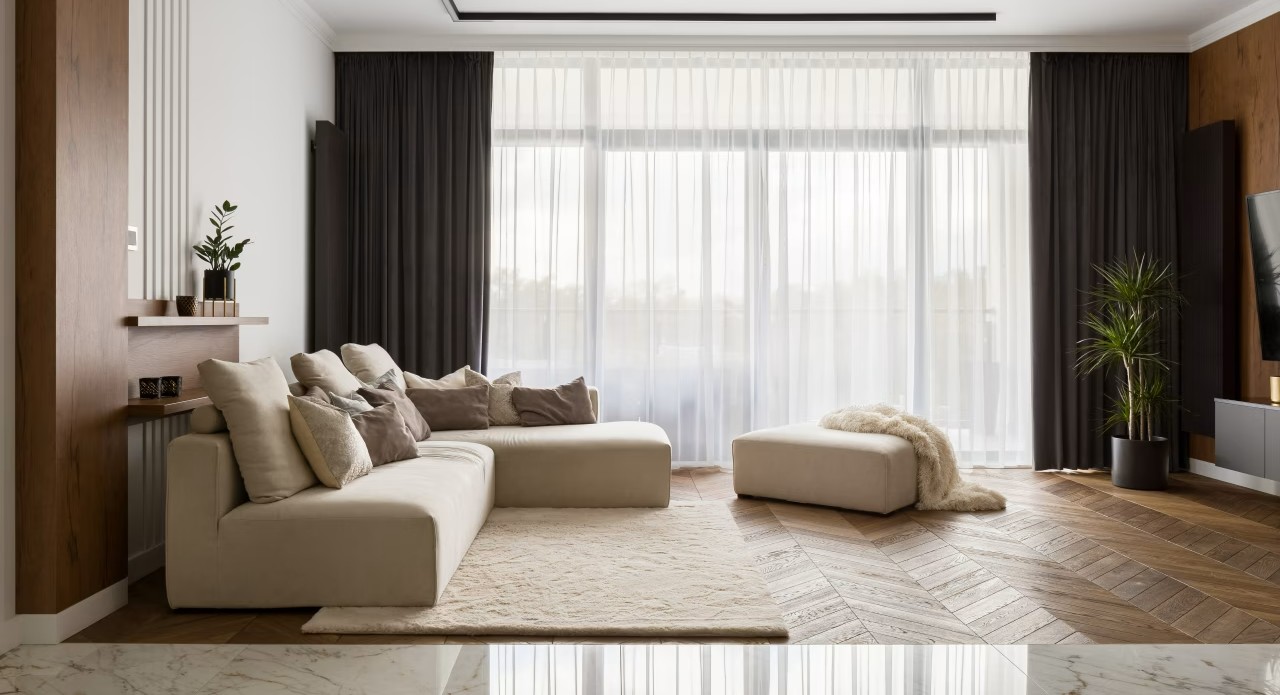


There was a time when luxury homes seemed determined to announce their wealth from the moment you stepped inside. Double height marble foyers, crystal chandeliers the size of hot air balloons, gilded ceilings, and enough decorative mouldings to keep an entire generation of craftsmen permanently employed. Bigger was always better, shinier was always richer, and subtlety rarely received an invitation. Today, however, the world’s finest homes have quietly abandoned that philosophy. The new symbol of wealth isn’t what you can add to a room, but what you have the confidence to leave out. Quiet luxury has become the defining language of contemporary high end design, where exceptional materials, flawless craftsmanship, and architectural restraint speak far louder than ostentation ever could.
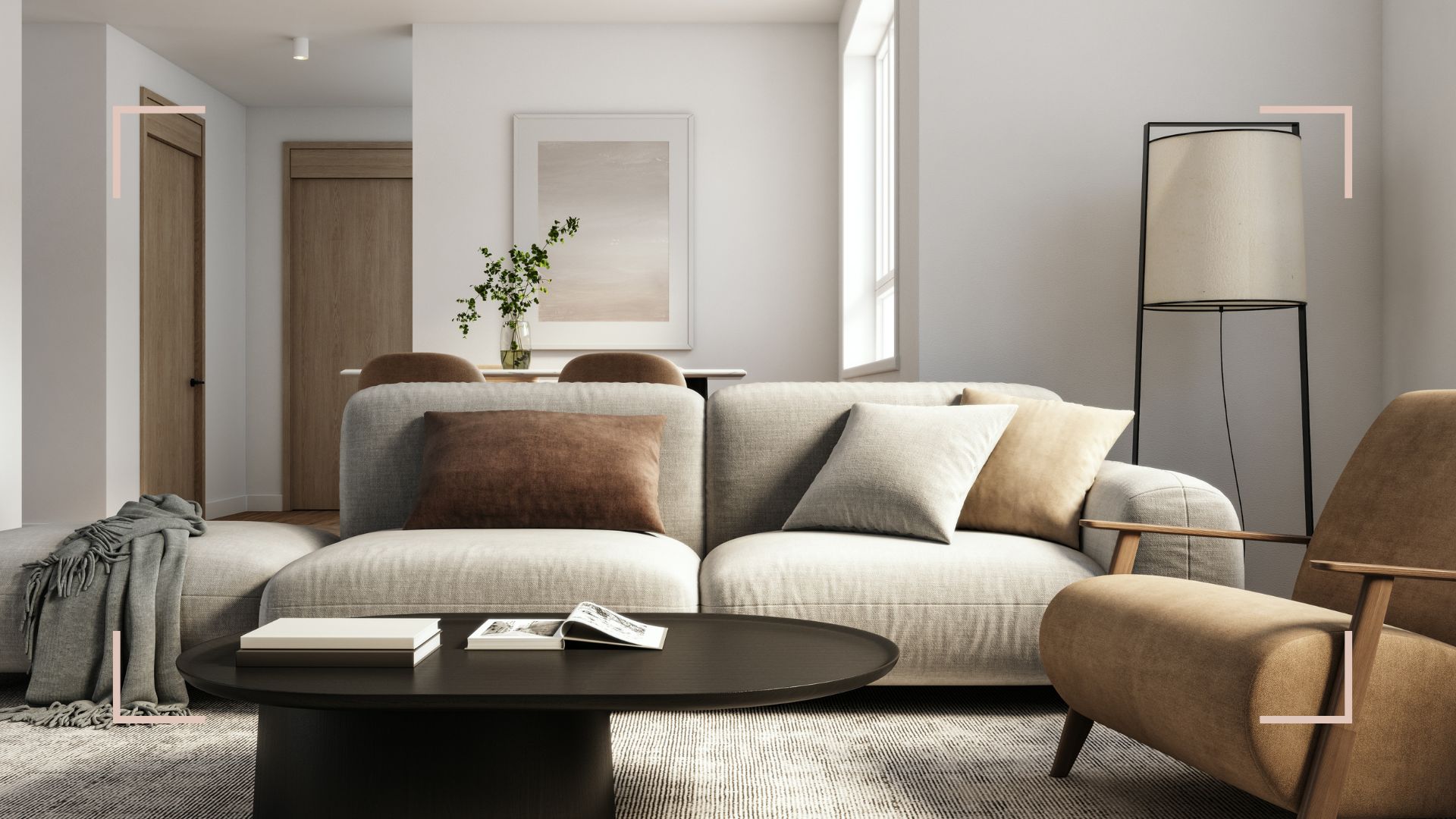
The New Definition of Luxury Is Invisible
Unlike traditional luxury, which often relied on visual spectacle, quiet luxury is built around quality that reveals itself slowly. Every material is chosen because it will age beautifully rather than simply impress on the day it is installed. Limestone floors develop character over decades, solid oak acquires a rich patina through daily use, and handcrafted plaster walls possess a depth and texture that painted drywall can never imitate. Nothing demands attention, yet everything feels extraordinary. The result is an interior that grows more elegant with time instead of chasing short lived trends.
Minimalism Without Feeling Cold
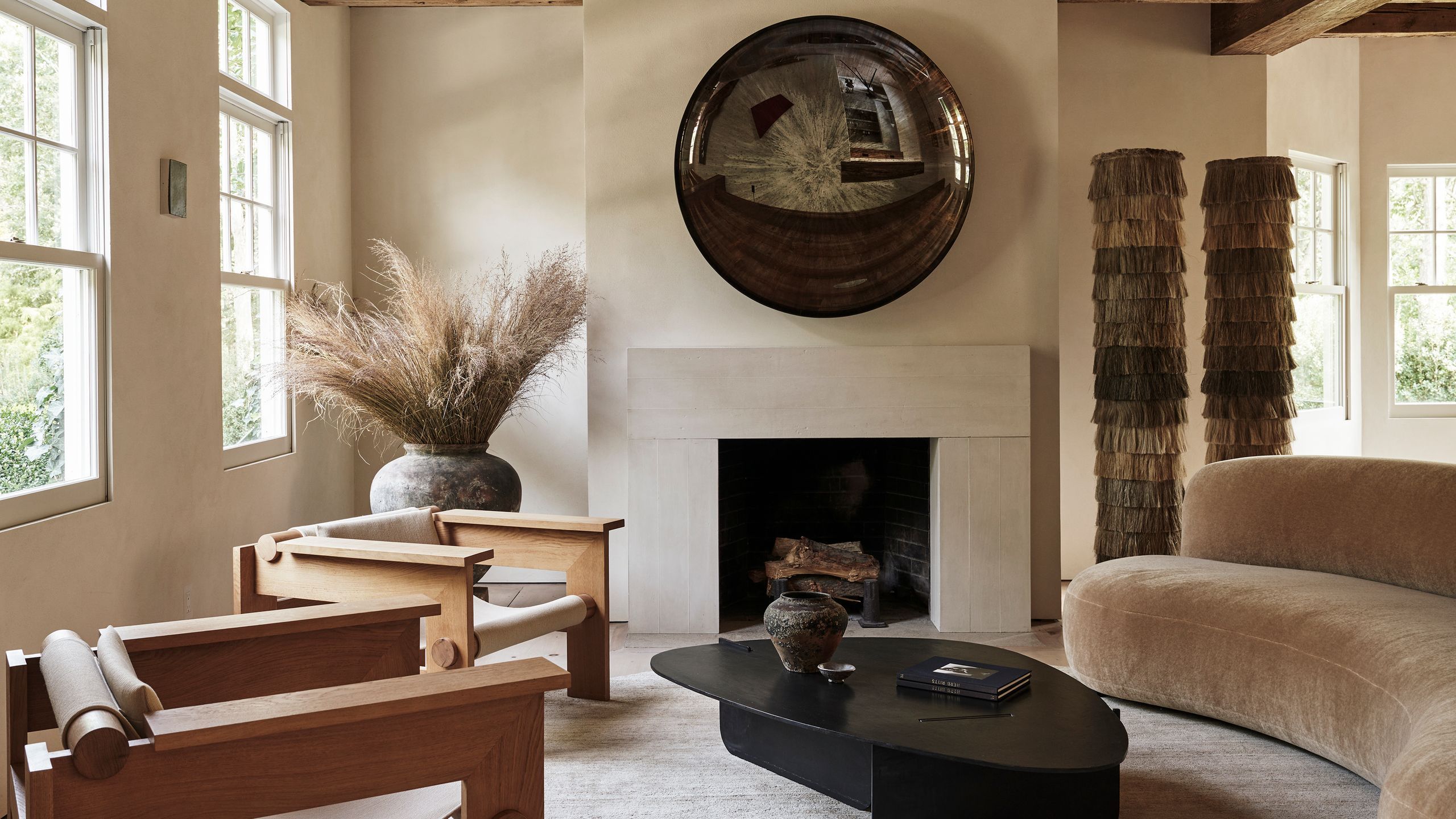
One of the biggest misconceptions about quiet luxury is that minimalism must feel clinical. In reality, the world’s finest designers use simplicity to create warmth rather than emptiness. Belgian architect Vincent Van Duysen layers oak, natural stone, linen, and bronze to produce interiors that feel intimate despite their restrained appearance. British minimalist John Pawson achieves a similar effect through perfect proportions, natural light, and immaculate detailing, proving that a room does not require excessive furniture or decoration to feel complete. The luxury comes from balance, proportion, and material honesty rather than visual abundance.
Craftsmanship Takes Centre Stage
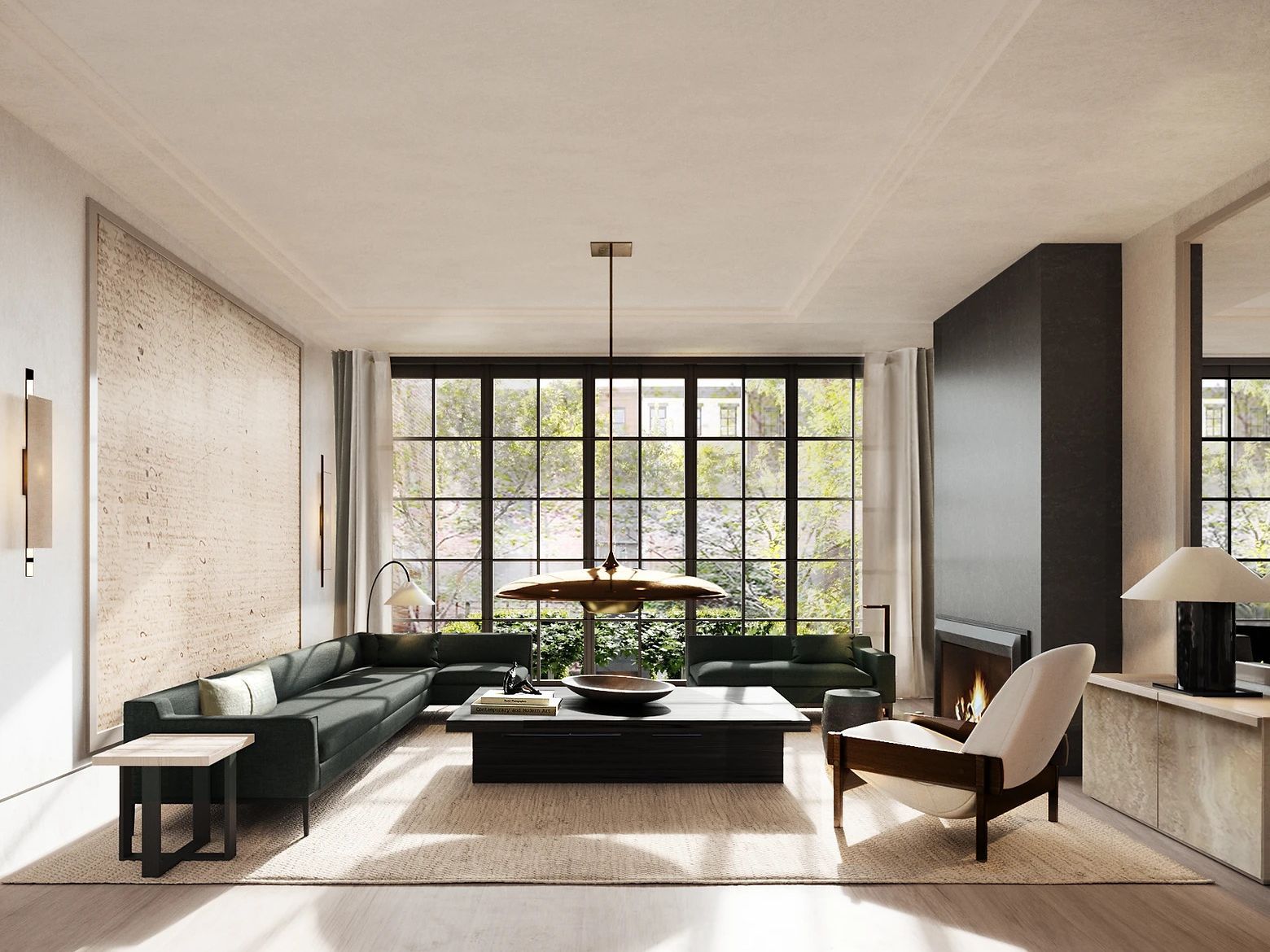
Quiet luxury shifts the focus away from branded objects and towards exceptional craftsmanship. Bespoke joinery, hand finished timber, natural stone carved by artisans, handmade ceramics, and custom furniture become the defining features of a home. Belgian designer Axel Vervoordt has built an international reputation by combining antiques with contemporary architecture, allowing every piece to tell a story rather than simply fill a space. The emphasis is no longer on buying expensive things, but on investing in objects made to last for generations.
Natural Materials Replace Artificial Glamour
Marble remains, but it is used with greater restraint. Timber is left untreated so its grain becomes part of the architecture. Linen, wool, leather, limestone, travertine, and bronze increasingly replace glossy finishes and synthetic surfaces. Architects such as Peter Zumthor have demonstrated how the careful use of natural materials can completely transform the emotional experience of a building. Rather than overwhelming the senses, these materials create calm, allowing occupants to notice texture, light, temperature, and atmosphere in ways that more decorative interiors often obscure.
Light Becomes The Most Important Design Element
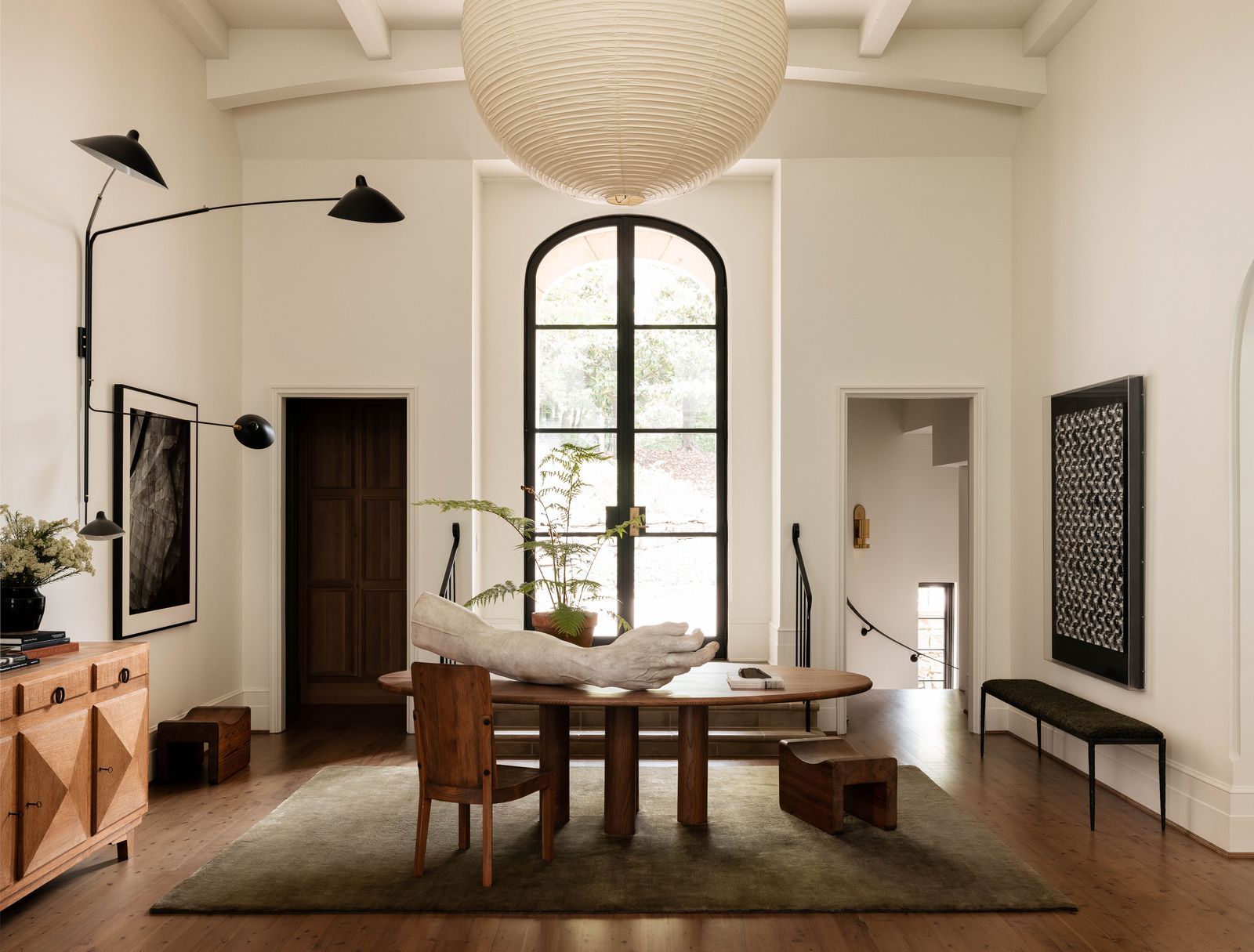
In quiet luxury homes, lighting is rarely decorative. Instead, architecture itself becomes the source of drama. Carefully positioned skylights, floor to ceiling glazing, concealed lighting, and generous openings allow sunlight to shape interiors throughout the day. Shadows become part of the design language, changing every room from morning to evening. The architecture feels alive without relying on elaborate chandeliers or statement lighting installations because natural light performs the role far more elegantly.
Also Read: Why Conversation Pits Are Making a Comeback in Modern Interior Design
The Luxury Of Space And Privacy
Quiet luxury also reflects a broader shift in lifestyle. Rather than filling every square metre with furniture, designers increasingly prioritise openness, circulation, and breathing room. Spacious kitchens merge seamlessly into living areas, bedrooms become peaceful retreats, and outdoor courtyards dissolve the boundary between architecture and landscape. Privacy has become just as valuable as aesthetics, with homes designed to create calm in an increasingly noisy world. The greatest luxury is no longer possessing more, but having enough space to enjoy less.
Quiet luxury is ultimately less about minimalism than maturity. It represents an understanding that genuine luxury never needs to prove itself. The finest homes today are not the loudest or the most elaborate. They are the ones where every proportion feels effortless, every material improves with age, and every detail has been considered with extraordinary care. In a world obsessed with attention, quiet luxury reminds us that true sophistication is rarely the thing making the most noise. It is usually the one that leaves the deepest impression.