

There are few things the Swiss and Japanese watch industries enjoy more than pretending they have been getting along for centuries. In reality, give three watchmakers the same problem and you can expect three radically different solutions, followed by several decades of arguments about who did it first. The greatest example came in 1969, when the automatic chronograph became the watch industry’s equivalent of the space race. Zenith was developing the El Primero. Seiko was secretly working on the 6139. Meanwhile, a rather unlikely alliance involving Breitling, Heuer, Hamilton and movement specialist Buren was developing what became the Chronomatic Calibre 11. All three were attempting to eliminate the need for the most inconvenient part of a chronograph: manually winding it. And all three were doing it with enough ingenuity to permanently alter mechanical watchmaking. The trouble is that asking which one won produces an answer considerably less satisfying than simply shouting “1969” and walking away.
Zenith El Primero
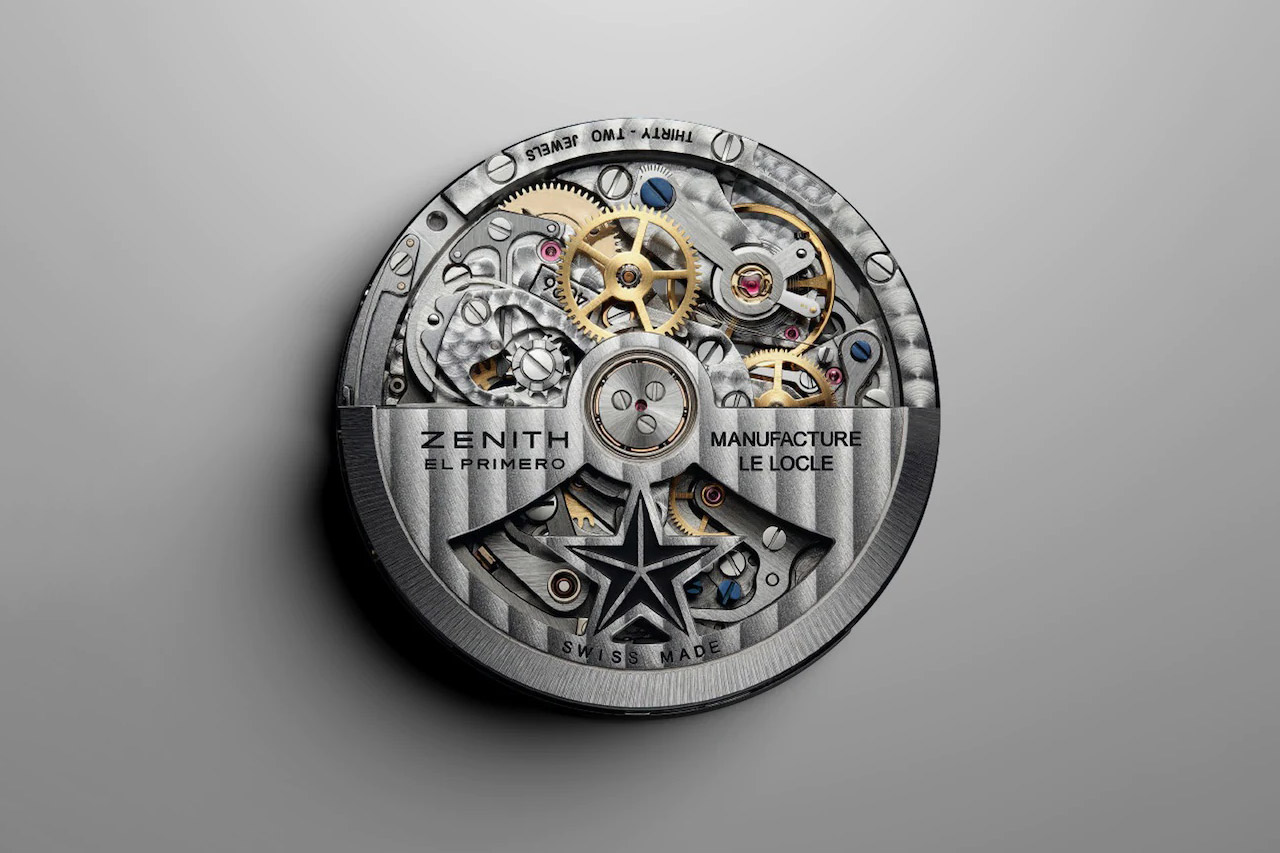
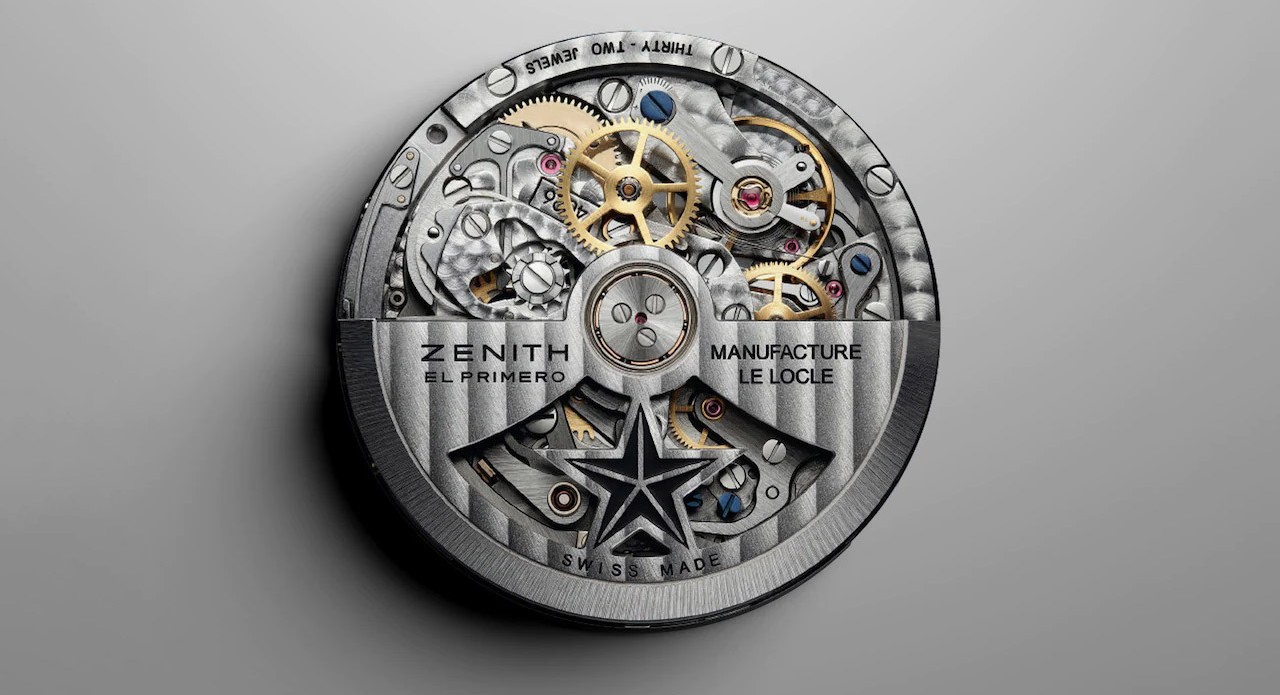
Zenith’s answer was the El Primero, which translates rather conveniently as “the first”. Subtle, this was not. But the name had some justification. Introduced in January 1969, the El Primero was an automatic integrated chronograph designed to beat at 36,000 vibrations per hour, or 5Hz. That allowed it to measure time to one tenth of a second, which was extraordinary for a mechanical wristwatch. Most chronographs of the period were considerably slower, while Zenith’s movement was already behaving as though mechanical watchmaking had discovered an espresso machine.
The clever part was that Zenith did not simply bolt an automatic winding system onto an existing chronograph. The El Primero was designed as an integrated movement, with the chronograph mechanism built into the architecture of the calibre. It used a column wheel and a horizontal coupling system, while its high beat rate gave the watch its famous 1/10 second capability. And there was another important detail. The movement was remarkably compact for what it contained. Zenith had essentially built an automatic chronograph from scratch and then made it run faster than almost everything around it.
Also Read: Tom Holland’s Watch Collection: A Look At His Most Coveted Timepieces
Seiko 6139
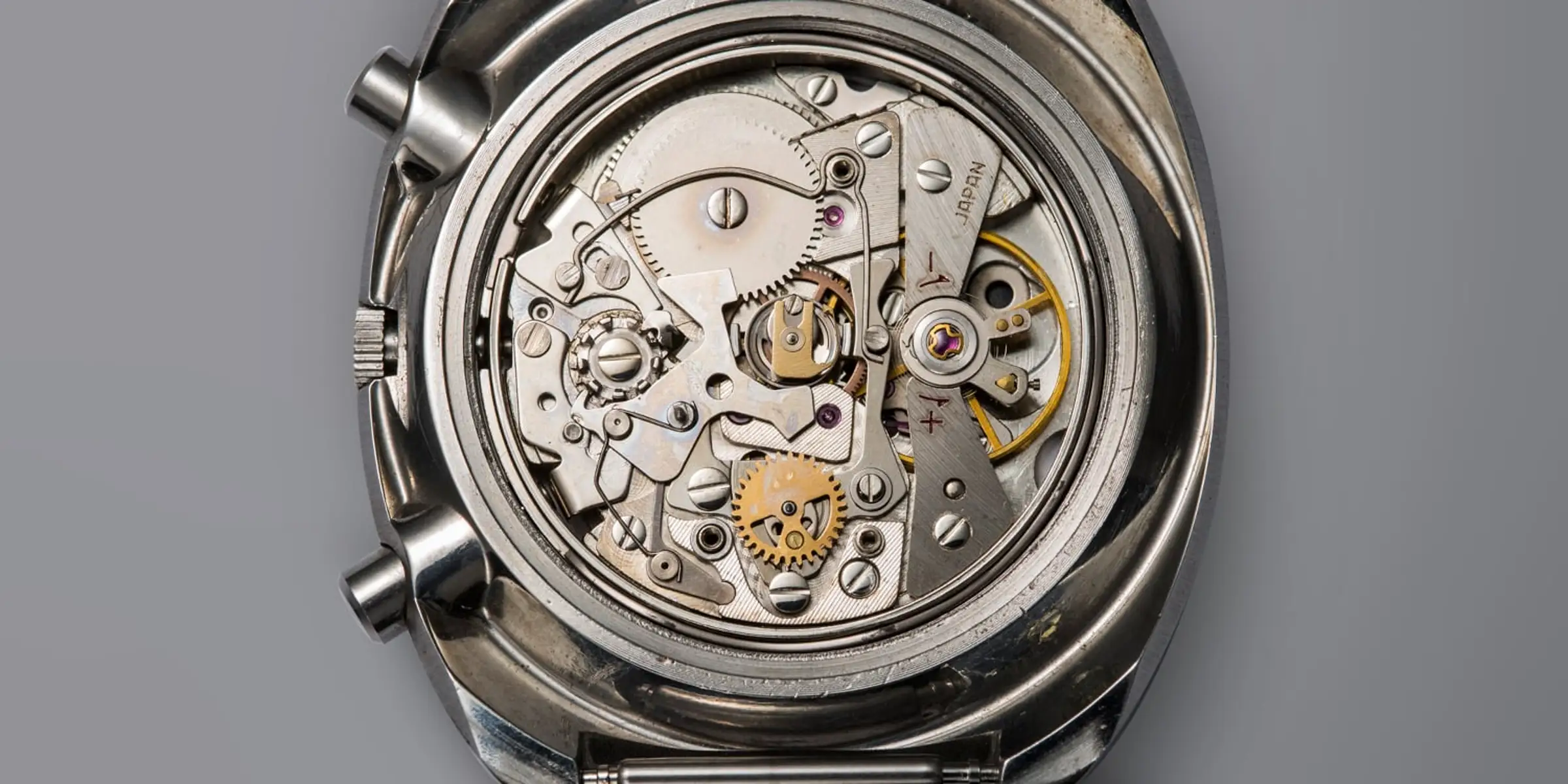
Then there was Seiko, which was approaching the same problem from an entirely different direction. The Seiko 6139 arrived with a movement that demonstrated something the Swiss industry sometimes preferred not to acknowledge: Japanese watchmakers could be every bit as inventive when mechanical engineering was concerned. The 6139 used an automatic winding system and, crucially, a vertical clutch for the chronograph. Why does that matter? Because a vertical clutch allows the chronograph seconds hand to start with less stutter and reduces the risk of hand jump when the chronograph is engaged. It is a solution that would eventually become highly influential in modern chronograph design. The 6139 also incorporated a column wheel and a compact architecture that made the movement remarkably efficient. It was not trying to win the race by simply spinning its balance faster than everyone else. Instead, Seiko concentrated on engineering a practical and technically sophisticated automatic chronograph that could be produced at scale. It was Japan’s answer to the Swiss mechanical establishment. And it was a very good one.
The Chronomatic Project
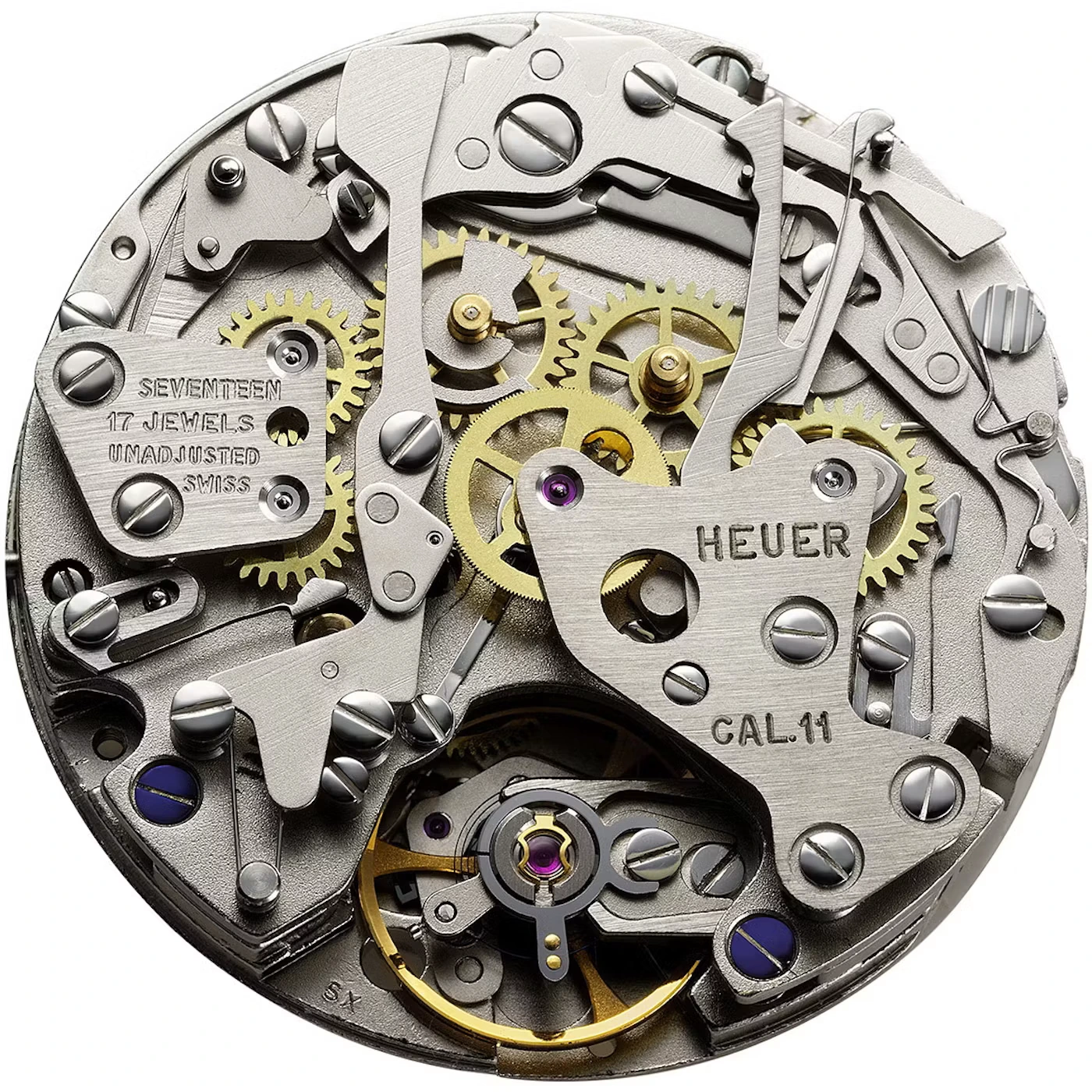
Then things became properly complicated. Breitling and Heuer realised that developing an automatic chronograph independently would be expensive, time consuming and potentially disastrous if everyone else got there first. So they joined forces with Hamilton and Buren. Buren supplied an ingenious micro rotor automatic movement, which allowed the winding mechanism to sit beneath the chronograph module rather than making the entire movement dramatically thicker. Dubois Dépraz then developed the chronograph module that sat on top. The result was the Chronomatic Calibre 11, unveiled in March 1969. It had a distinctive left sided crown because the movement’s architecture did not require the crown to occupy the traditional right hand position. It was technically fascinating and commercially important because it provided a relatively practical route to putting an automatic chronograph into production. The watches that followed included the Heuer Monaco and Autavia, as well as Breitling’s Chronomatic models. And suddenly the mechanical chronograph had entered a new era.